
Sorprendentemente, incluso en el siglo XXI, muchas personas aún desconocen las bañeras exentas y siguen prefiriendo las bañeras empotradas y de esquina. Sin embargo, a medida que evolucionan las necesidades del diseño de baños modernos, cada vez más propietarios optan por las bañeras exentas por su comodidad y atractivo estético. Entonces, ¿qué es exactamente una bañera exenta? ¿Cuáles son sus características atractivas? En este artículo, Giving Tree Home ofrece una descripción general completa de las bañeras exentas, incluyendo sus características, tipos y usos. ¡Comencemos!
¿Qué es una bañera independiente?
Una bañera independiente, también conocida como bañera autónoma, como su nombre indica, es un tipo de bañera que se ubica de forma independiente dentro de un espacio sin depender de las paredes ni de otras partes del baño. Esta descripción puede parecer un poco abstracta, así que para mayor claridad, comparemos las bañeras independientes con las empotradas y las de esquina para una explicación más concreta.
-

Independiente
Como se muestra en la imagen superior, una bañera exenta queda completamente expuesta por todos sus lados, lo que significa que puede colocarse en cualquier lugar del baño siempre que cuente con una conexión de desagüe y plomería adecuada. Las bañeras exentas están disponibles en una amplia gama de materiales, como hierro fundido, cerámica, acrílico y superficie sólida, cada uno con diferentes efectos visuales y experiencias de usuario.
-

Incorporado
Las bañeras empotradas, también conocidas como empotradas, suelen estar integradas en las paredes o la estructura del baño. Como se muestra en la imagen, solo se puede ver la bañera desde arriba, quedando los demás lados ocultos. El proceso de instalación de las bañeras empotradas puede ser más complejo y, a menudo, requiere una empresa de reformas profesional, ya que implica la limpieza y la gestión de todos los trabajos de fontanería.
-

Esquina
Una bañera de esquina es una variante de la bañera empotrada, que suele instalarse en la esquina del baño y tiene forma de cuarto de círculo. Este diseño se utiliza a menudo en hoteles o baños pequeños, optimizando el uso del espacio y convirtiéndola en una opción ideal para espacios reducidos.


¿Vale la pena comprar una bañera independiente?
Freestanding bathtubs offer several distinct pros and cons due to their design and installation methods. One of the most notable pros is their strong visual appeal. Freestanding bathtubs are crafted using molds, which means that the aesthetic quality of the tub is largely dependent on the design of the mold. This allows for the creation of visually stunning bathtubs that can be placed anywhere in a space, even in the center of a bedroom. They can significantly enhance the overall beauty of a room, often making them a preferred choice for homeowners willing to invest more for a striking centerpiece.
Another pros is the ease of installation. Most freestanding bathtubs weigh between 50-500 lbs. Acrylic bathtubs are typically lighter, often under 100 lbs., while solid surface bathtubs range from 200-300 lbs., and stone bathtubs can be around 500 lbs. Despite these weight differences, freestanding bathtubs are relatively easy to install since they only need to be connected to existing plumbing, avoiding the need for complex structural modifications. This makes them a convenient option for both new installations and renovations.
However, freestanding bathtubs also come with some drawbacks. For clawfoot bathtubs, the relatively small contact area with the floor can exert significant pressure, especially when the tub is filled with water and supports a person's weight. As a result, additional construction and costs may be necessary to reinforce the floor for clawfoot bathtubs.
Additionally, while the fully exposed design allows the bathtub to be showcased as a piece of art, it also means that more surface area needs to be cleaned, not just the interior. This means you need to spend some time cleaning and maintaining your tub regularly.
If the pros of a freestanding bathtub happen to be what you value and you can accept its cons, then it is strongly recommended that you buy a freestanding bathtub. The following 4 are popular choices on Giving Tree Home:
Código de descuento: GT058— Disfruta de un 12% de descuento
-
Bañera de superficie sólida de 67" en color rojo cereza
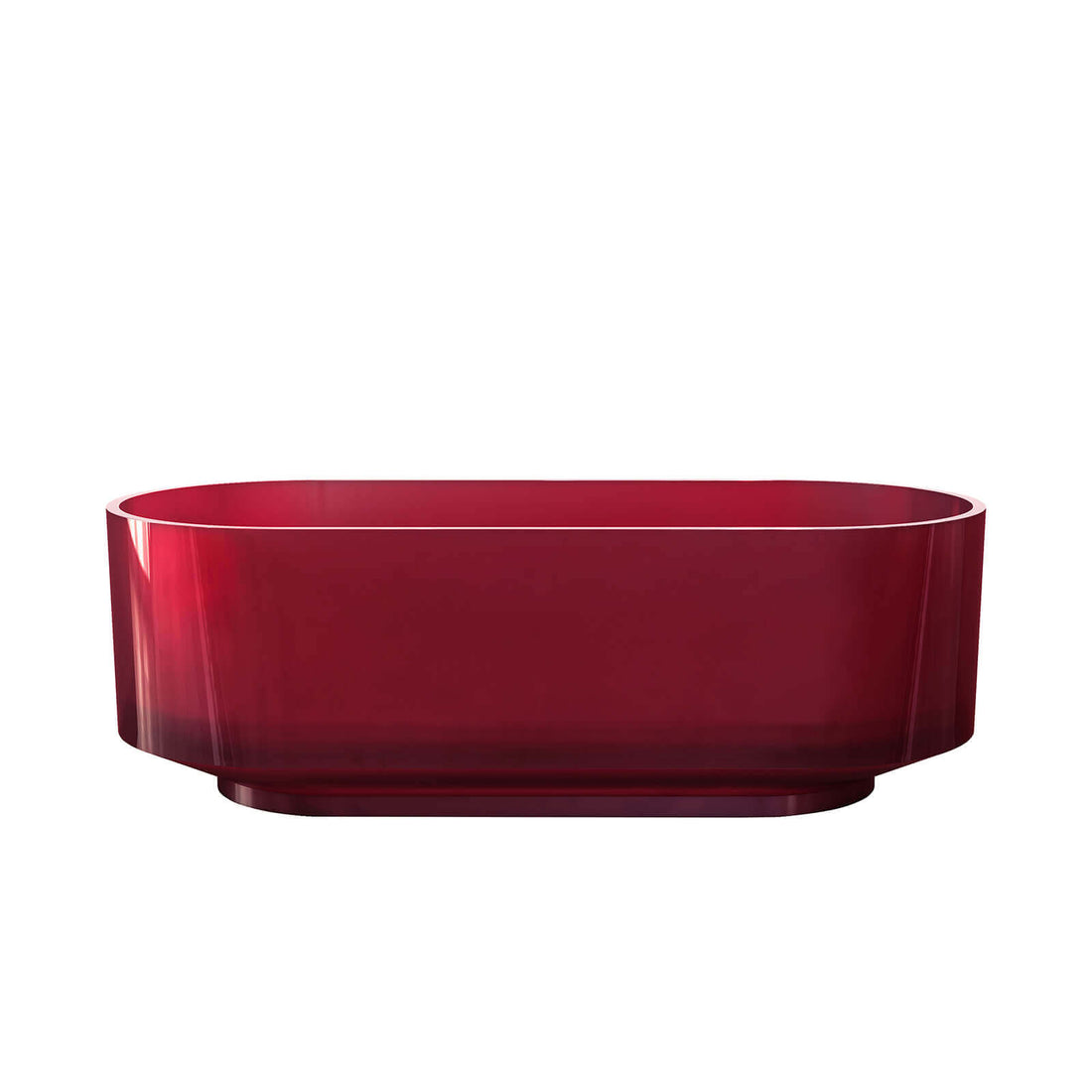
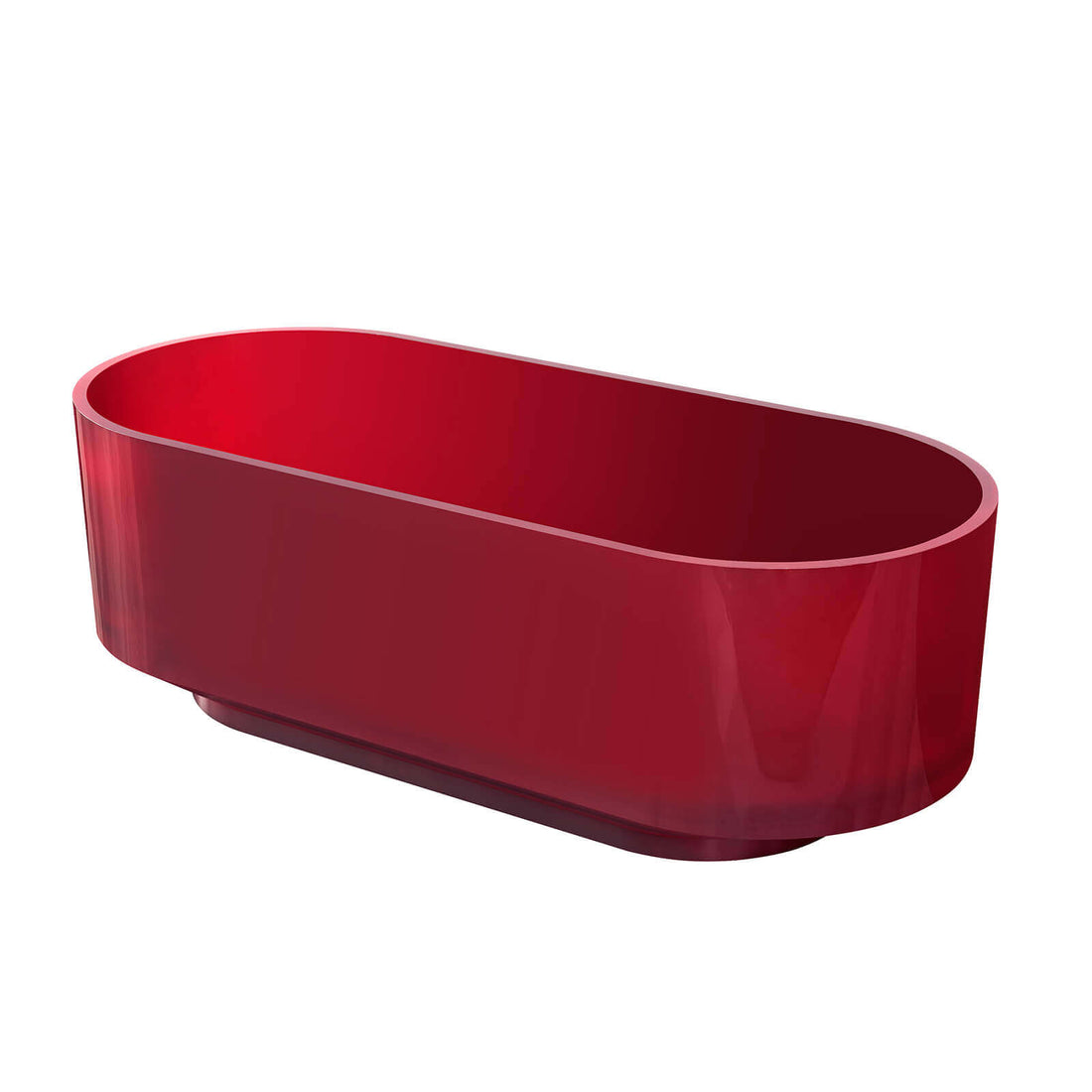 Bañera de superficie sólida de 67" en color rojo cereza
- Precio regular
-
$3,999.00 - Precio regular
-
- Precio de venta
-
$3,999.00
Vista rápida
-
Bañera de superficie sólida de 67" con veta similar al pino
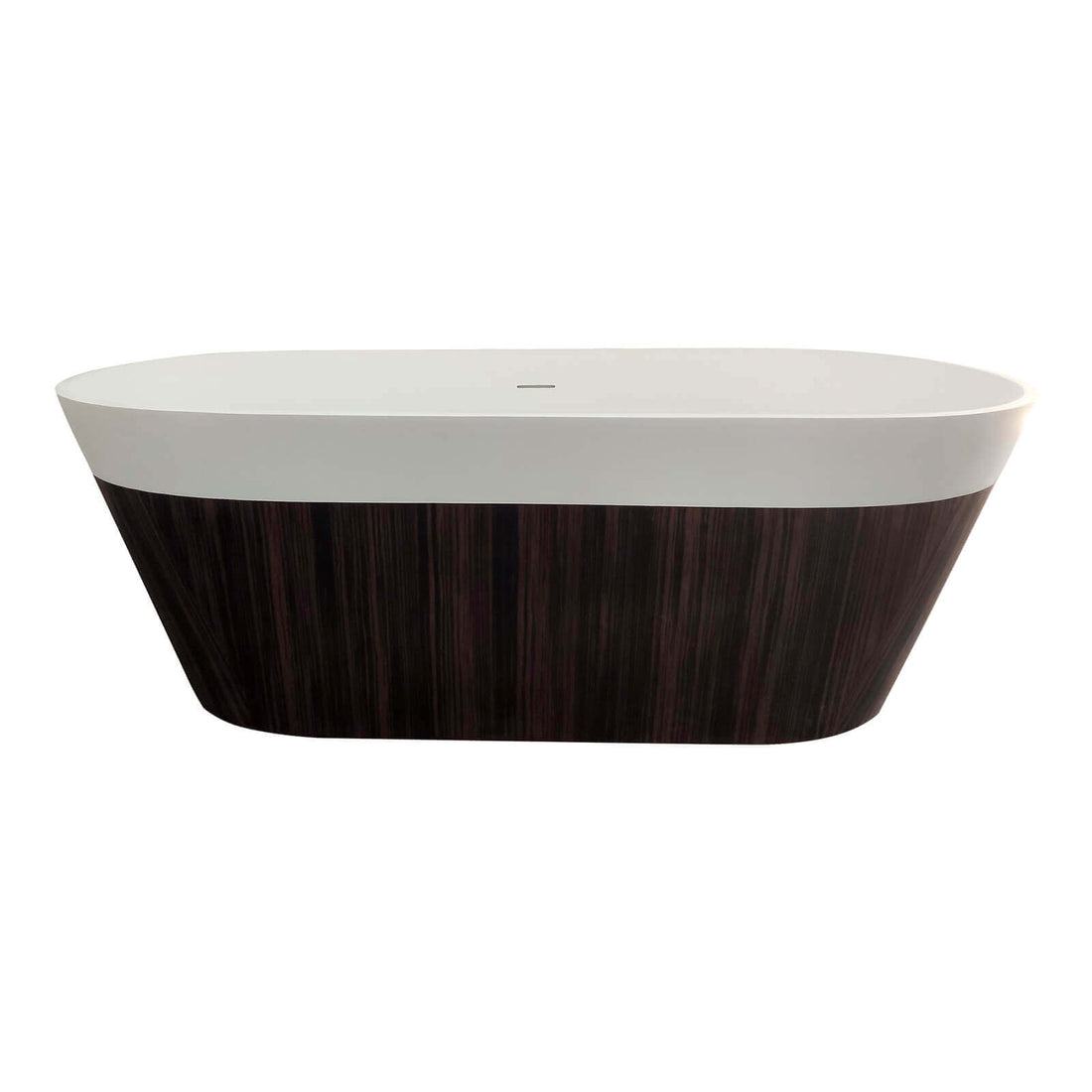
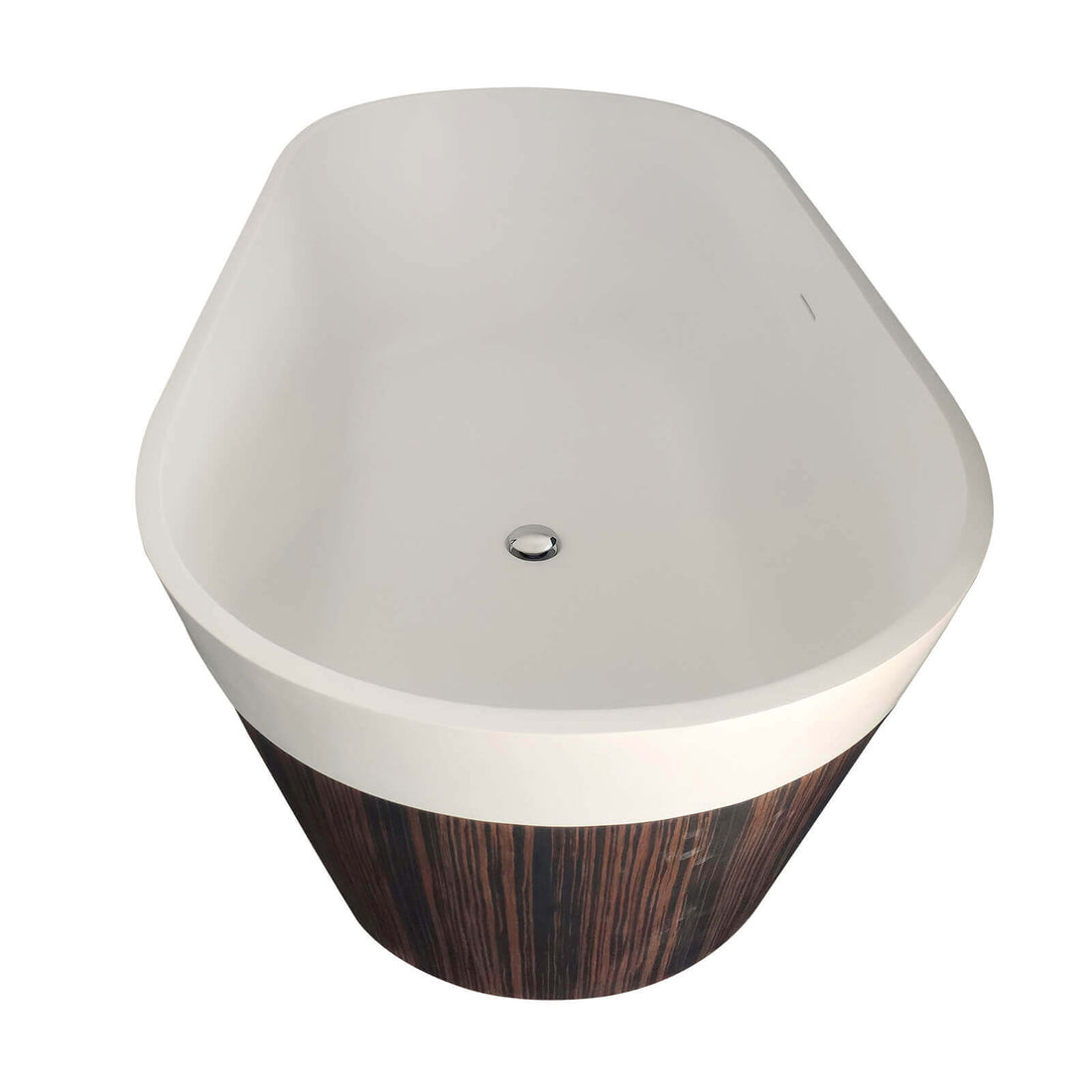 Bañera de superficie sólida de 67" con veta similar al pino
- Precio regular
-
$3,589.00 - Precio regular
-
- Precio de venta
-
$3,589.00
Vista rápida
-
Bañera rectangular de superficie sólida de 63''
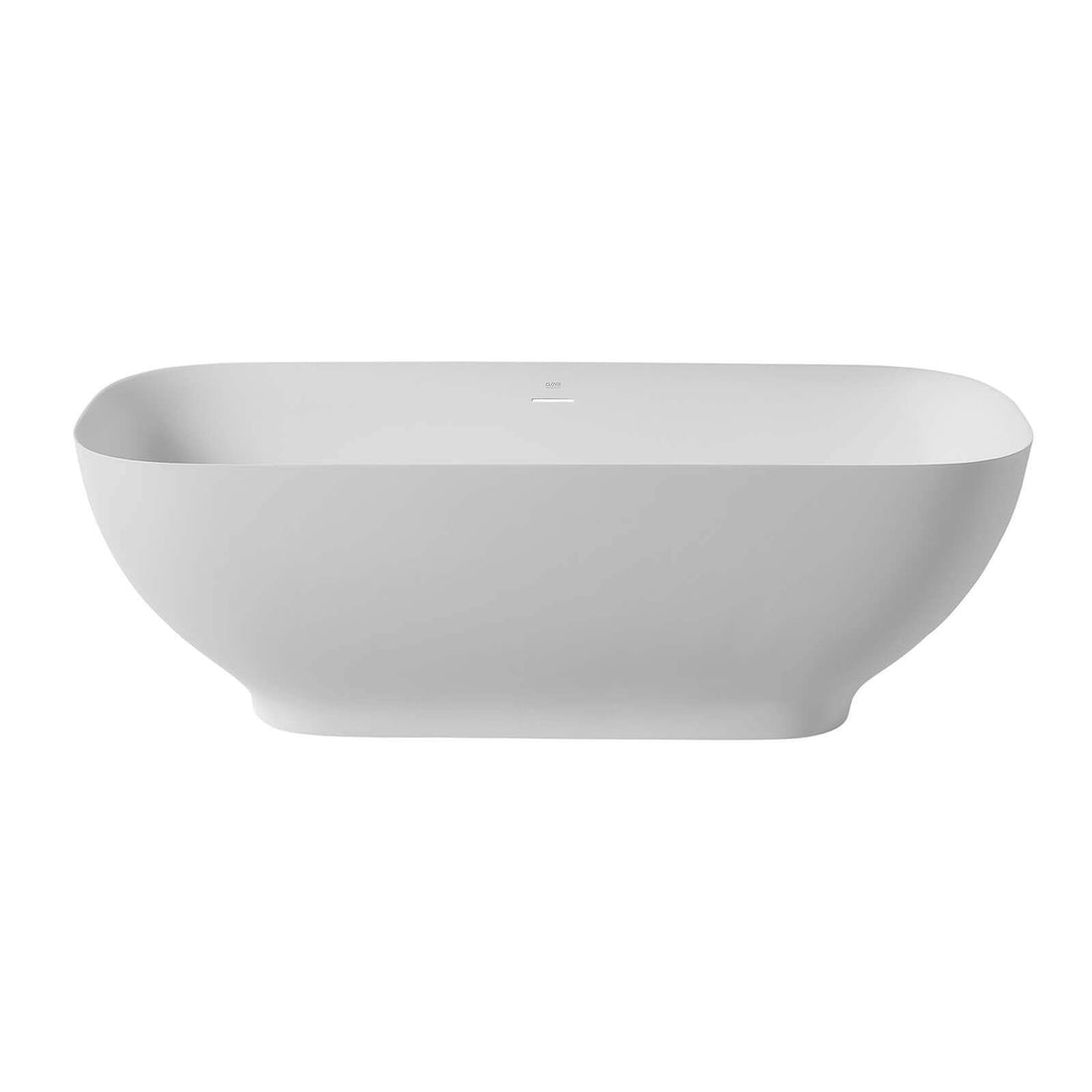
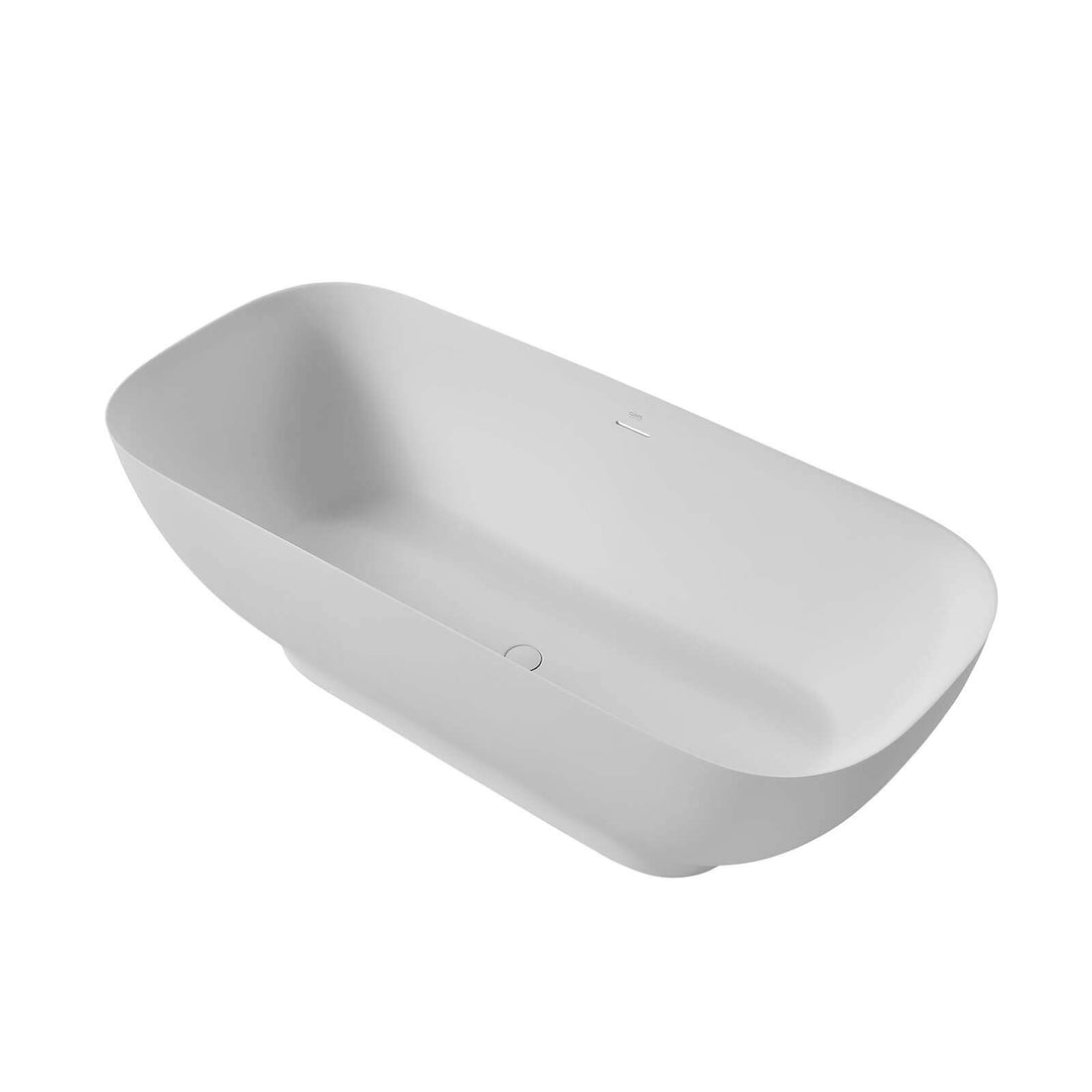 Bañera rectangular de superficie sólida de 63''
- Precio regular
-
$2,399.99 - Precio regular
-
$2,699.99 - Precio de venta
-
$2,399.99
Vista rápida
-
Bañera de superficie sólida con forma de huevo, color blanco mate, de 66 pulgadas.
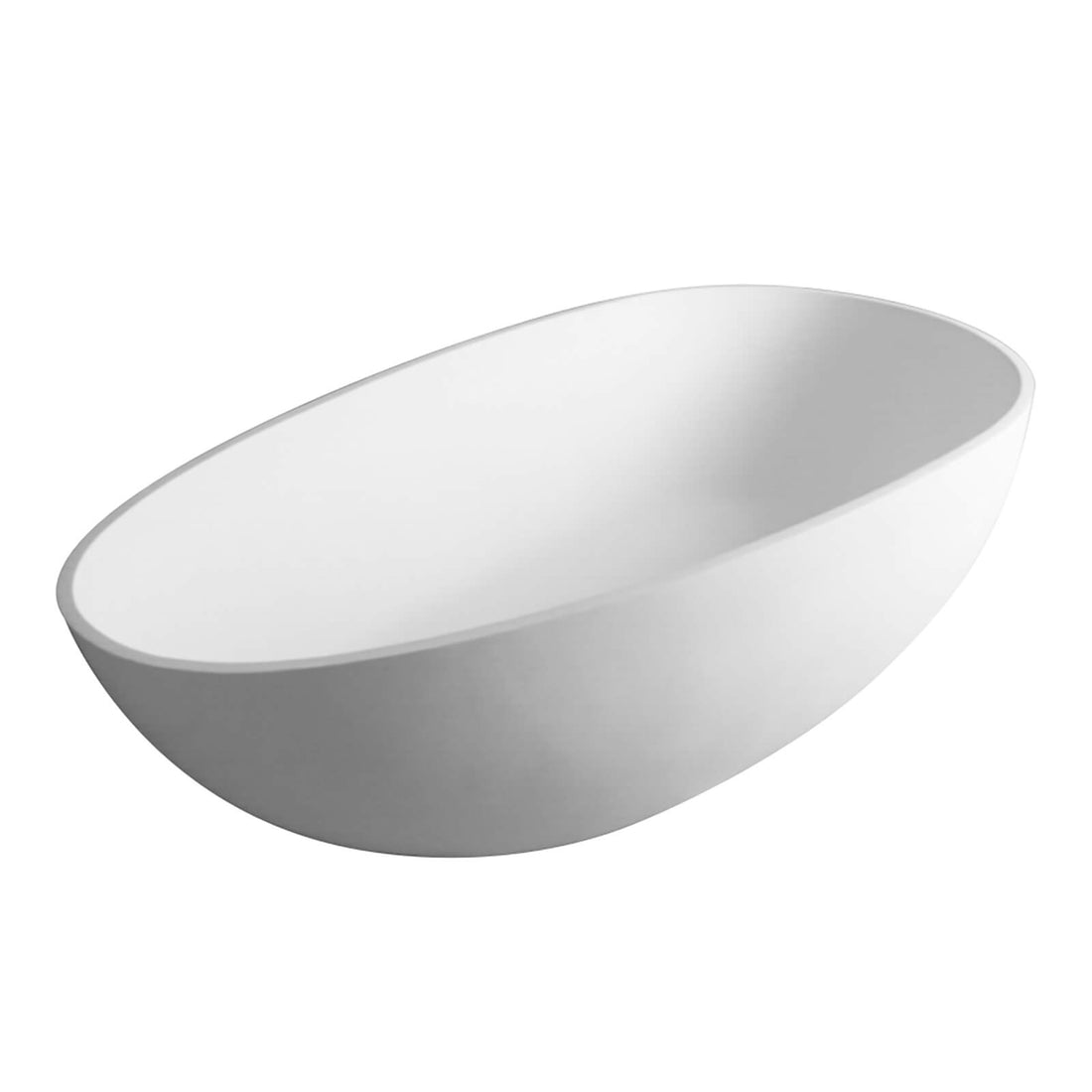
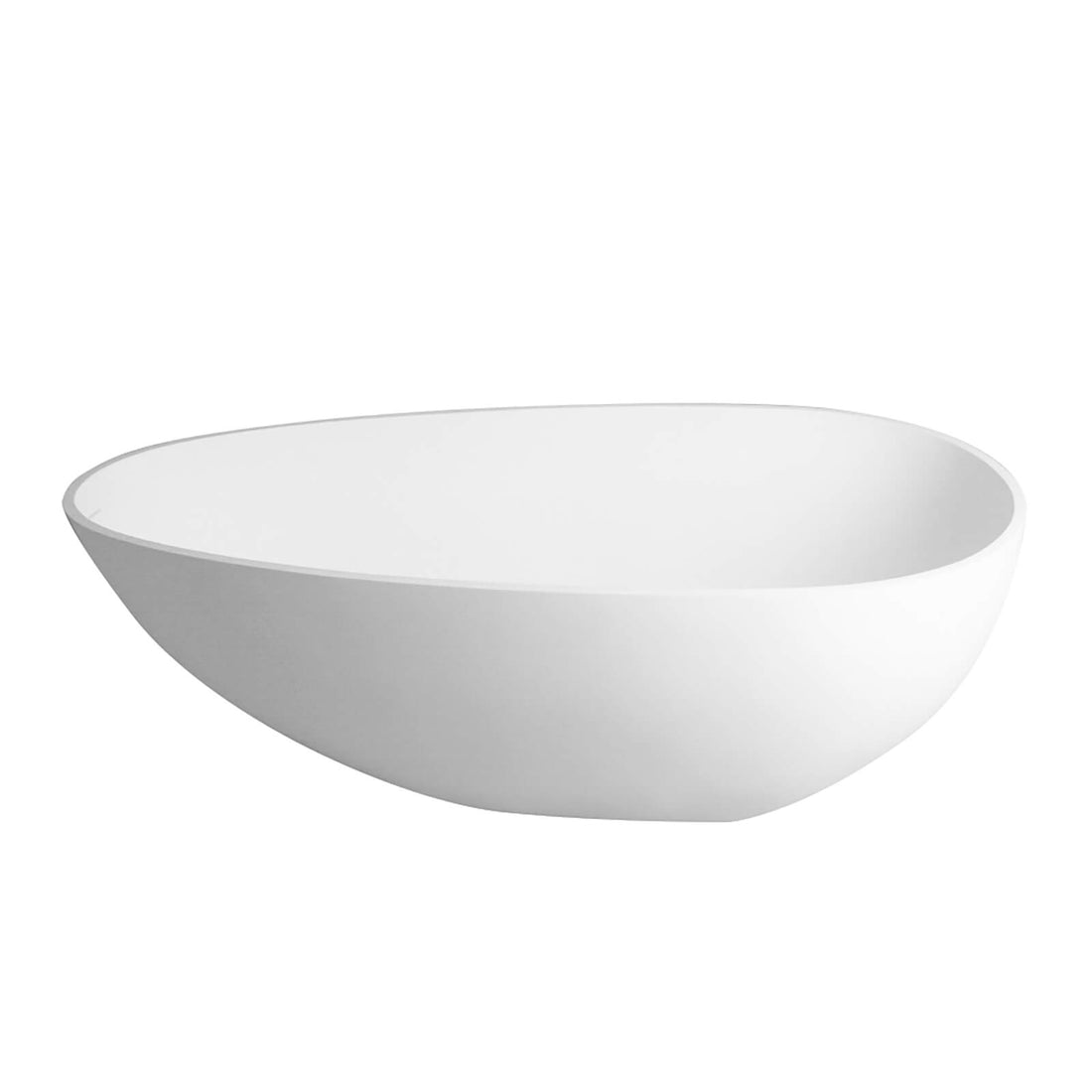 Bañera de superficie sólida con forma de huevo, color blanco mate, de 66 pulgadas.
- Precio regular
-
$2,530.00 - Precio regular
-
$1,199.00 - Precio de venta
-
$2,530.00
Vista rápida
¿Qué debes tener en cuenta al comprar una bañera independiente?
Based on Appearance
Depending on individual tastes and needs, there are various styles of freestanding bathtubs to choose from. Classic black and white models remain the most popular, as they can blend with almost any bathroom décor. For those seeking a more atmospheric touch, options like cherry red, concrete gray, or even transparent designs can be considered.
In addition to color, the shape of the bathtub is a significant factor. For larger bathrooms, oval and round shapes are ideal, serving as focal points in the space rather than being placed against the wall. For smaller bathrooms, rectangular and square designs are more suitable as they can align with the walls, maximizing space efficiency. Trendsetters might prefer egg-shaped or slipper designs, which not only fit modern aesthetics but also feature ergonomic backrests for added comfort.
Additionally, some homeowners may choose details like clawfoot, pedestal, or flat-bottom designs. These details not only impact the bathtub's appearance but also help it harmonize with the overall bathroom style.
Based on Material
Beyond aesthetics, the material of the freestanding bathtub affects its appearance, user experience, and cost. Acrylic bathtubs are often considered the most cost-effective choice due to their lightweight and excellent insulation properties, with prices typically under $1,000.
Solid surface bathtubs represent a more luxurious option, generally costing between $1,500 and $2,500. For homeowners seeking high-end bathroom renovations, this is a worthwhile investment due to its longer lifespan and repairability, with solid surface tubs potentially lasting around 15 years.
Other options include cast iron and copper bathtubs. Though less common, these can be ideal for those pursuing a vintage bathroom look. With proper maintenance, they can last over 50 years, though they come at a higher cost.
Based on Size
When selecting a freestanding bathtub, it’s crucial to consider its size to ensure compatibility with your bathroom. Although freestanding bathtubs can be installed freely, placing a large tub in a small bathroom is impractical as it can take up significant space and diminish the bathroom's functionality.
For average-sized bathrooms, a tub in the range of 61"-68" is recommended, as this is considered a standard size for freestanding bathtubs. Similarly, size considerations are important when purchasing other types of bathtubs to avoid high shipping costs due to incorrect sizing. To avoid mistakes, consider reading articles such as "What is the Standard Bathtub Size and How to Choose" and "How to Measure a Bathtub and What Dimensions Are Needed" before making your purchase.
Precauciones para el uso de una bañera independiente
Although a freestanding bathtub is a worthwhile long-term investment, there are a few key considerations to keep in mind to extend its lifespan and enhance your experience.
First is the selection of the installation location. While freestanding bathtubs are favored for their flexibility, placing them haphazardly could affect the overall layout and functionality of your bathroom. As a large piece of furniture, the bathtub should be positioned where it won’t obstruct other furniture or pathways, ensuring a smooth flow of movement in the bathroom.
Secondly, since freestanding bathtubs are not attached to the wall, it’s essential to ensure that the floor is level and sturdy during installation to prevent shifting or tilting during use. Additionally, be mindful of the compatibility of the plumbing and drainage system, and regularly check for blockages or leaks to ensure smooth operation.
In daily use, you should choose appropriate cleaning methods and agents based on the bathtub material, avoiding strong acidic or alkaline products. Most freestanding bathtubs have a smooth surface, but exposure to corrosive liquids could damage it. If you've purchased a solid surface bathtub, it has some self-repair capabilities. For minor surface imperfections, you can gently sand the affected area with sandpaper to restore the surface. For detailed instructions, refer to "How to Repair Surface Scratches on a Stone Resin Bathtub".
Final
Las bañeras exentas ofrecen la combinación perfecta de estilo, funcionalidad y relajación. Ya sea que prefiera una bañera vintage con patas o un diseño ovalado moderno, hay una bañera exenta que puede transformar su baño en un refugio de lujo. Considere los diferentes tipos, materiales y factores a considerar al comprar una bañera exenta para asegurarse de que se ajuste a sus necesidades y preferencias específicas. Con la bañera exenta adecuada, puede crear un remanso de paz donde relajarse y rejuvenecer después de un largo día.
Más ideas
-

What Is a Transparent Bathtub and Is It Worth Buying?
As homeowners look for more distinctive ways to update their bathrooms, bathtubs are increasingly becoming part of the room's overall design rather than simply a functional fixture. Clear, translucent, and...
-

Features That Make a Kitchen Faucet Worth Buying
Short answer: The key features that make a kitchen faucet worth buying include spray pattern options, tall spout height and reach, finish durability, water efficiency, sensor and touch technology, solid...
-

Marble Look Bathtub vs Marble Bathtub: Which Is Right for Your Bathroom?
Bathroom design has become more focused on creating spaces that feel both functional and visually distinctive. Freestanding bathtubs, natural materials, and statement finishes are increasingly used to give the bathroom...
-

New Product Collection Launch: Marble Look Bathtubs
Want to bring a touch of marble-inspired elegance into your bathroom? Giving Tree Home’s new marble look bathtub collection combines sophisticated patterns, modern shapes, and spa-like comfort to create a...
-

How to Choose the Right Bathroom Vanity Mirror Size Correctly
Choosing the right bathroom vanity mirror size is one of the most important decisions in a bathroom renovation, yet it is often made at the last minute. In many projects...
-

Bathtub Overflow Drain: Complete Guide to How It Works and Maintenance
A bathtub overflow drain is an essential safety feature built into most modern bathtubs. Although small and easy to overlook, it plays a vital role in preventing water from overflowing...


