
Acryl-Badewannen sind aufgrund ihrer Haltbarkeit und Kosteneffizienz zu einer beliebten Wahl für die Badrenovierung zu Hause geworden. Erstkäufer fragen sich jedoch möglicherweise, ob diese Badewannen genug Gewicht tragen können, insbesondere für größere Personen oder solche, die gerne ein entspannendes Bad zu zweit genießen. Um diese Bedenken auszuräumen, führt Sie Giving Tree Home durch die Struktur von Acryl-Badewannen, untersucht die Gewichtsgrenzen verschiedener Typen und gibt praktische Tipps zur Auswahl und Verwendung. Tauchen wir ein!
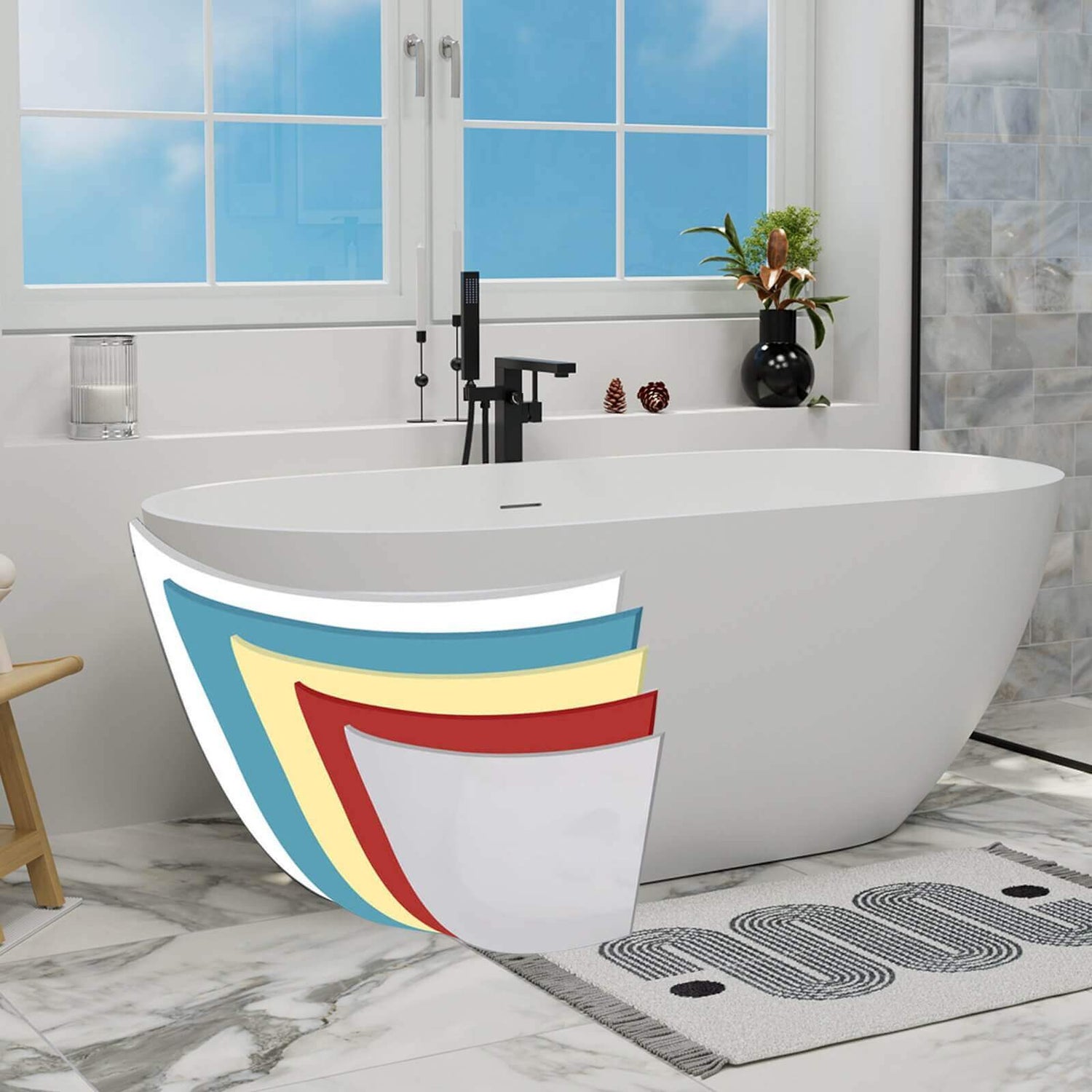
Aufbau von Acryl-Badewannen
Im Gegensatz zu Badewannen aus Mineralguss, die im Spritzgussverfahren hergestellt werden, werden Acrylbadewannen im Vakuumformverfahren gefertigt. Dabei wird eine präzise Form erstellt, Acrylplatten erhitzt und anschließend durch Vakuumadsorption des Materials auf die Form gebracht. Abschließend wird die Badewanne poliert, um eine glatte Oberfläche zu erhalten.
Weitere Informationen: Acrylwanne vs. Mineralgusswanne
Dieses einzigartige Herstellungsverfahren verleiht Acrylbadewannen eine hohle, vakuumversiegelte Struktur, die eine hervorragende Wärmespeicherung bietet und sie leicht macht – sie wiegen typischerweise weniger als 45 kg. Das hohle Design wirft jedoch auch Bedenken hinsichtlich ihrer Tragfähigkeit auf, die wir im Detail untersuchen werden.
Best Selling
-
Mokleba 47'' Acryl-Kleinbadewanne, freistehend, modern, japanische Tauchbadewanne
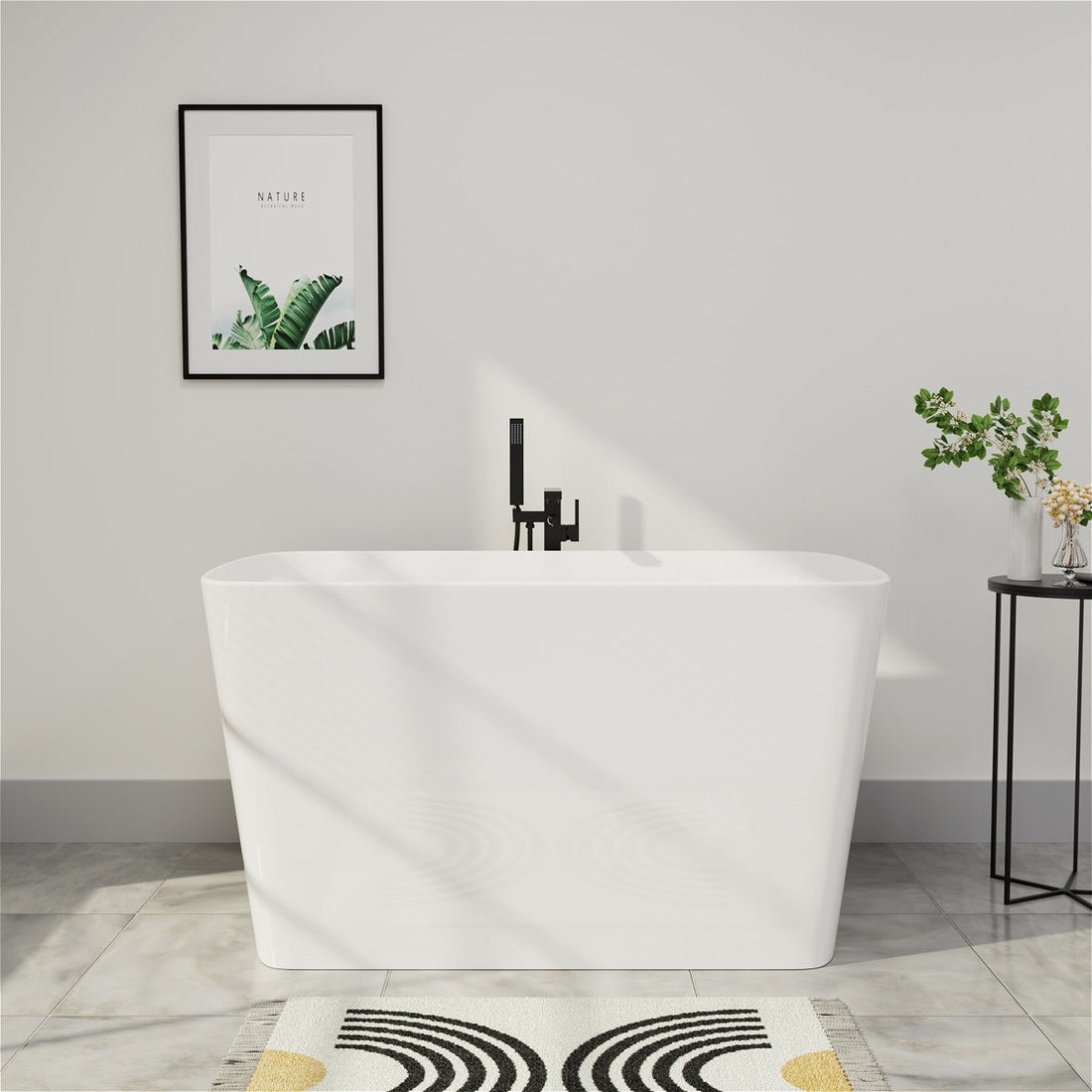
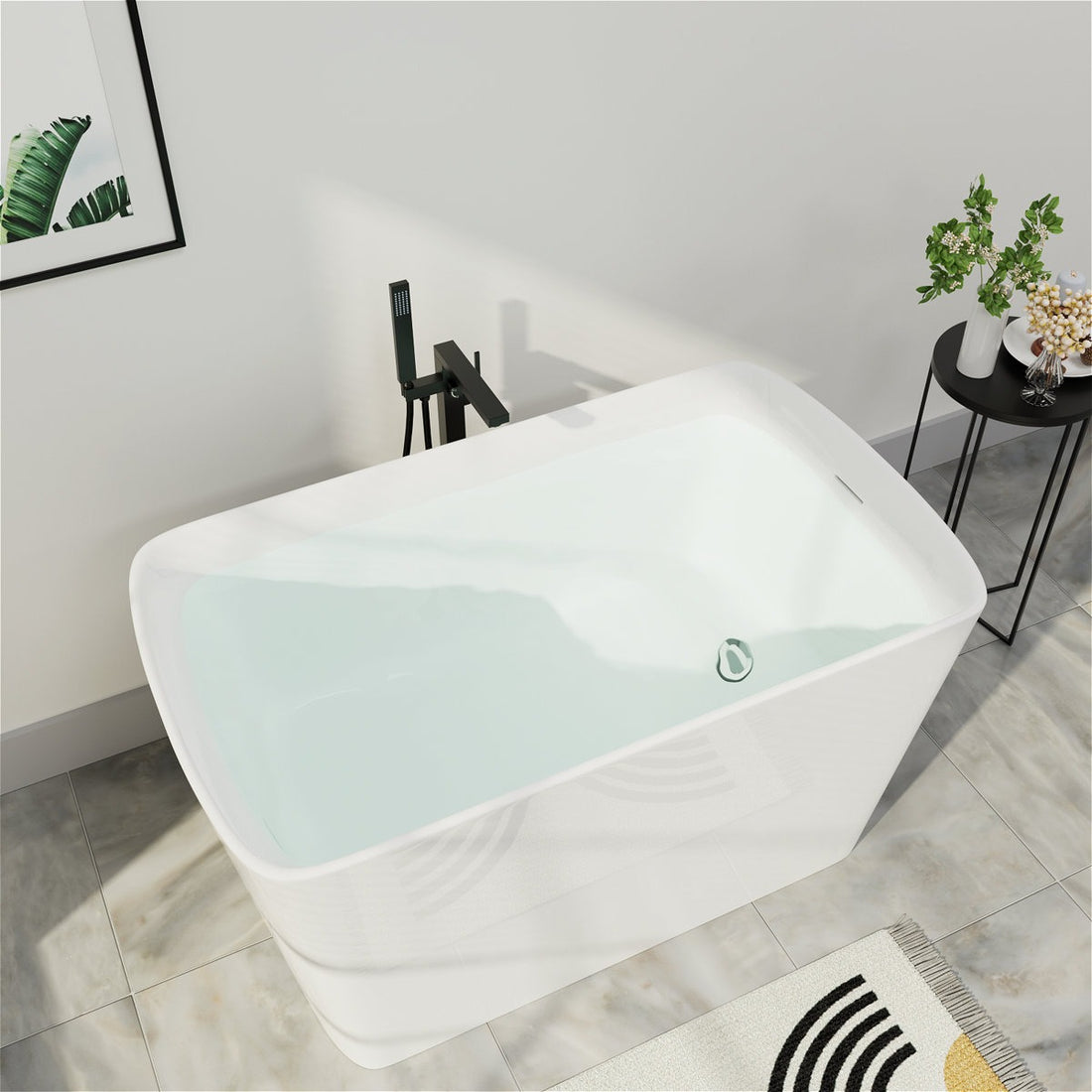 Mokleba 47'' Acryl-Kleinbadewanne, freistehend, modern, japanische Tauchbadewanne
- Regulärer Preis
-
$899.99 - Regulärer Preis
-
$1,699.00 - Verkaufspreis
-
$899.99
Schnellansicht
-
Mokleba 59'' Acryl-Slipper-Badewanne, moderner Stil, Farbkonsistenz, exklusives Patent
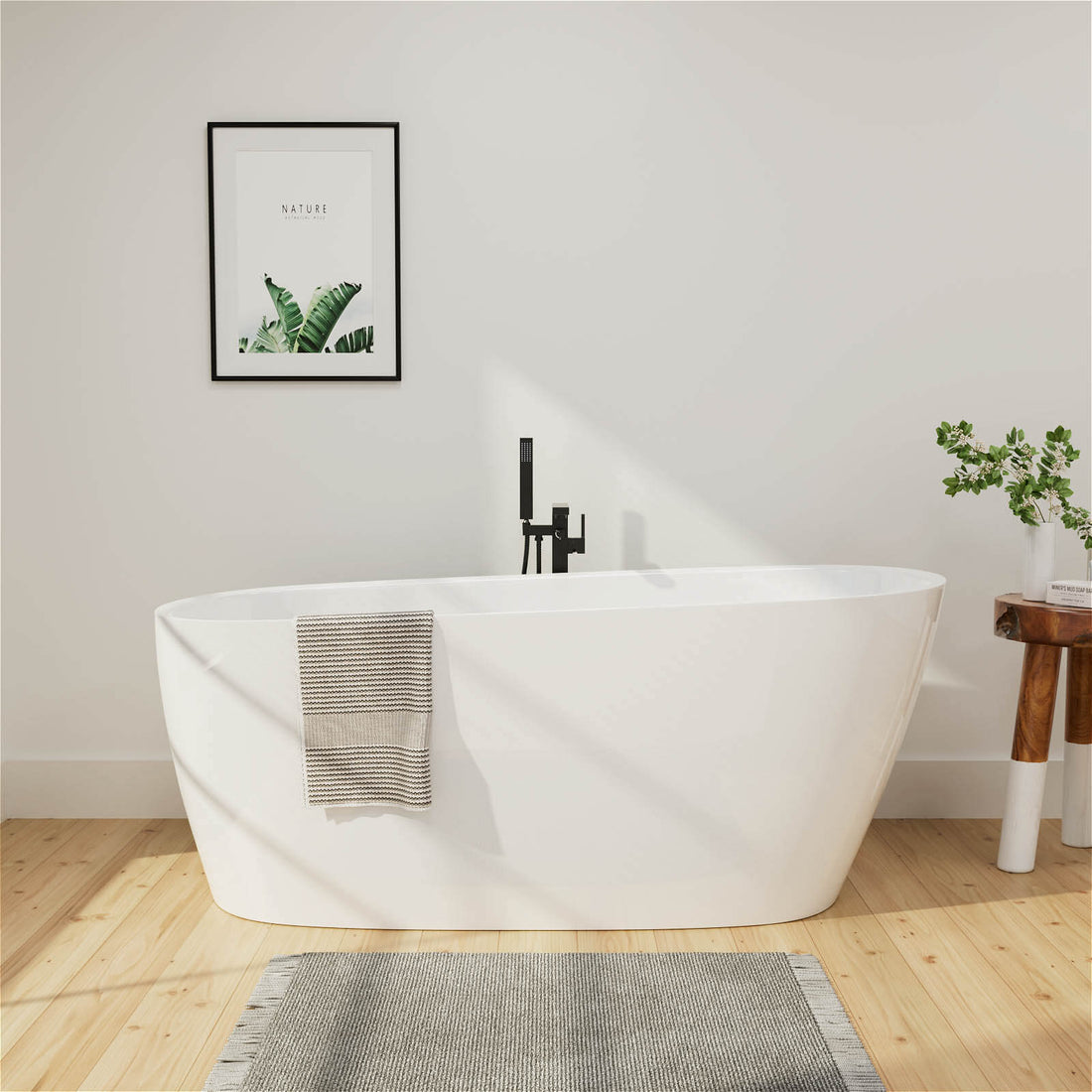
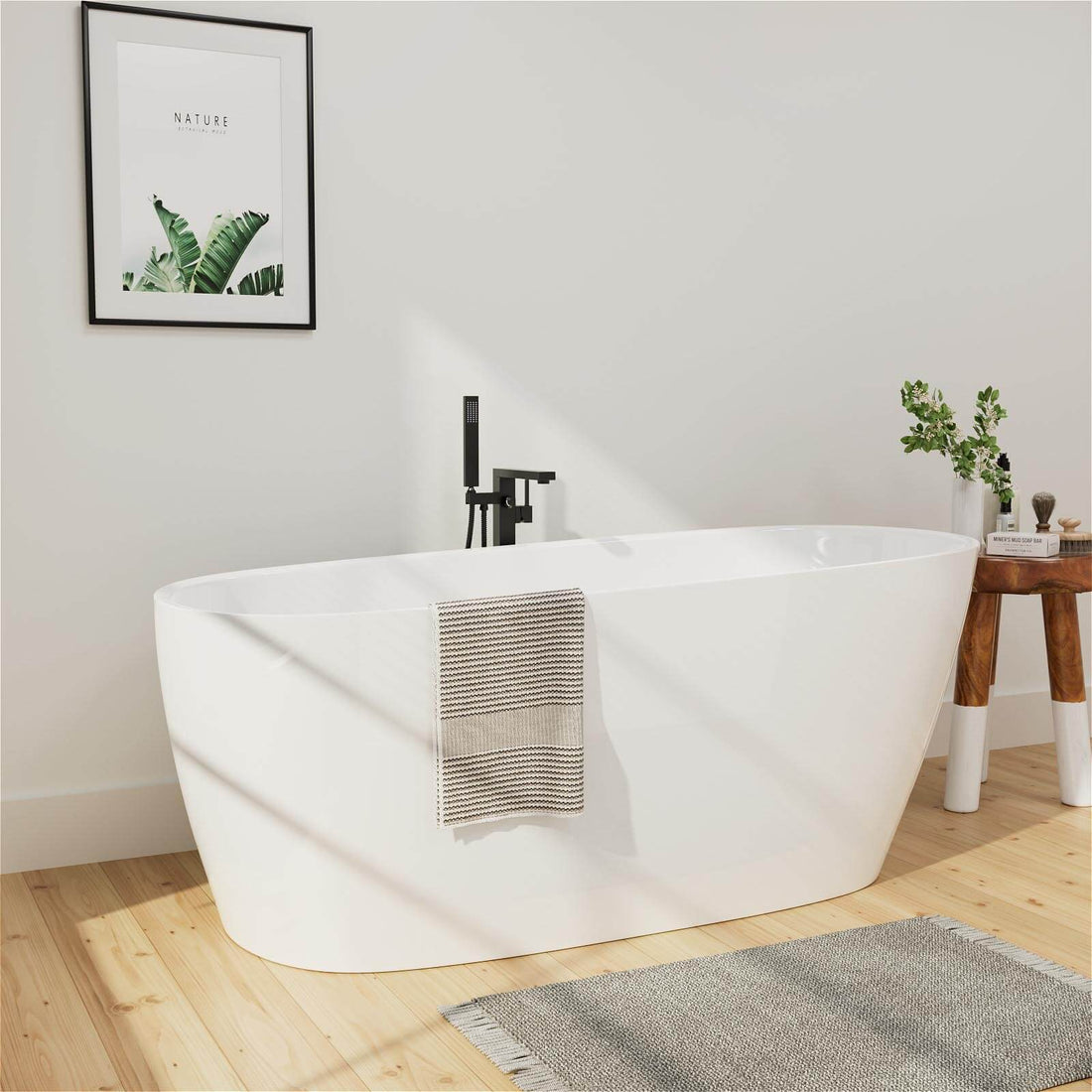 Mokleba 59'' Acryl-Slipper-Badewanne, moderner Stil, Farbkonsistenz, exklusives Patent
- Regulärer Preis
-
Ab
$779.99 - Regulärer Preis
-
$1,999.99 - Verkaufspreis
-
Ab
$779.99
Schnellansicht
-
Mokleba 62" freistehende Badewanne aus Acryl, doppelwandig, hochglänzend Weiß
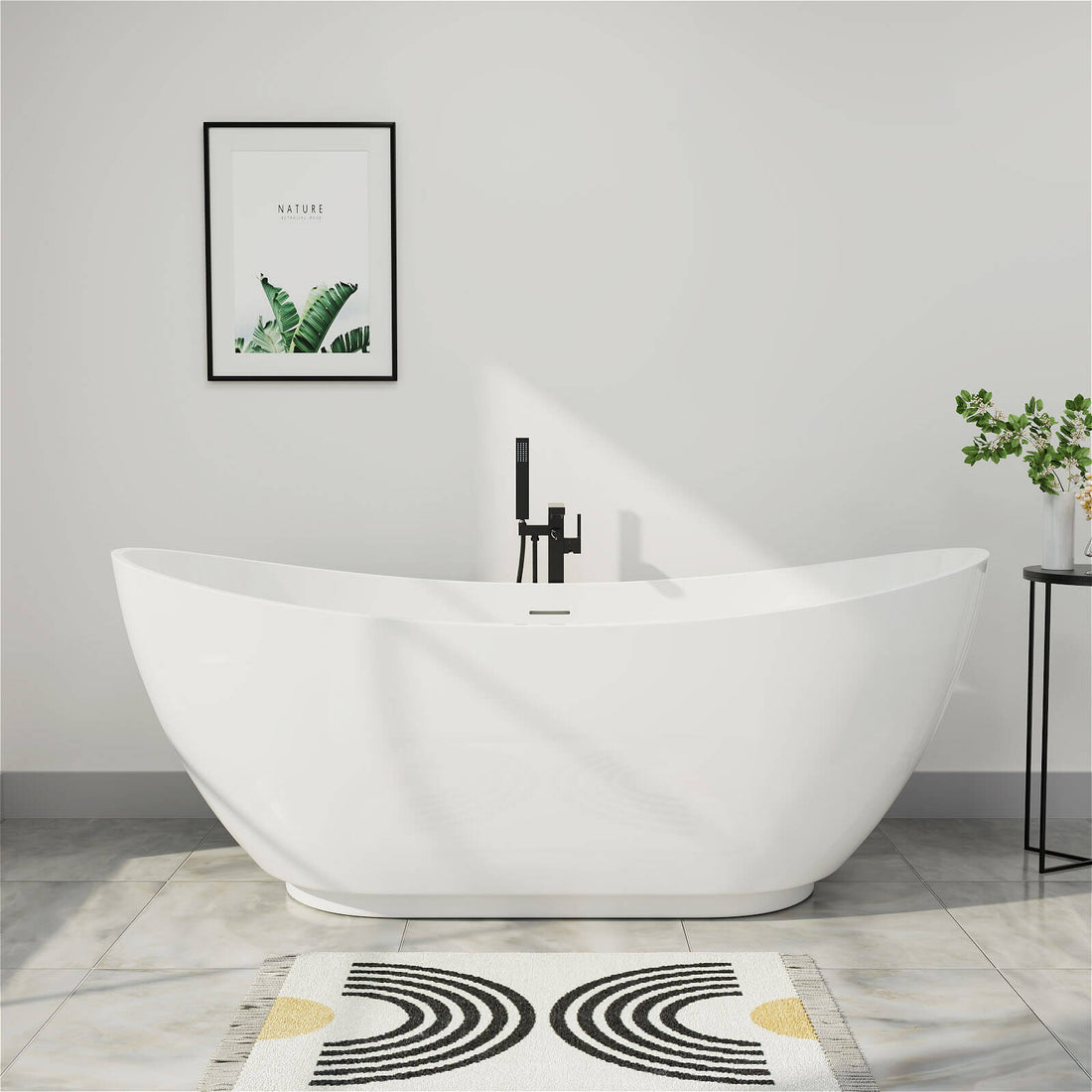
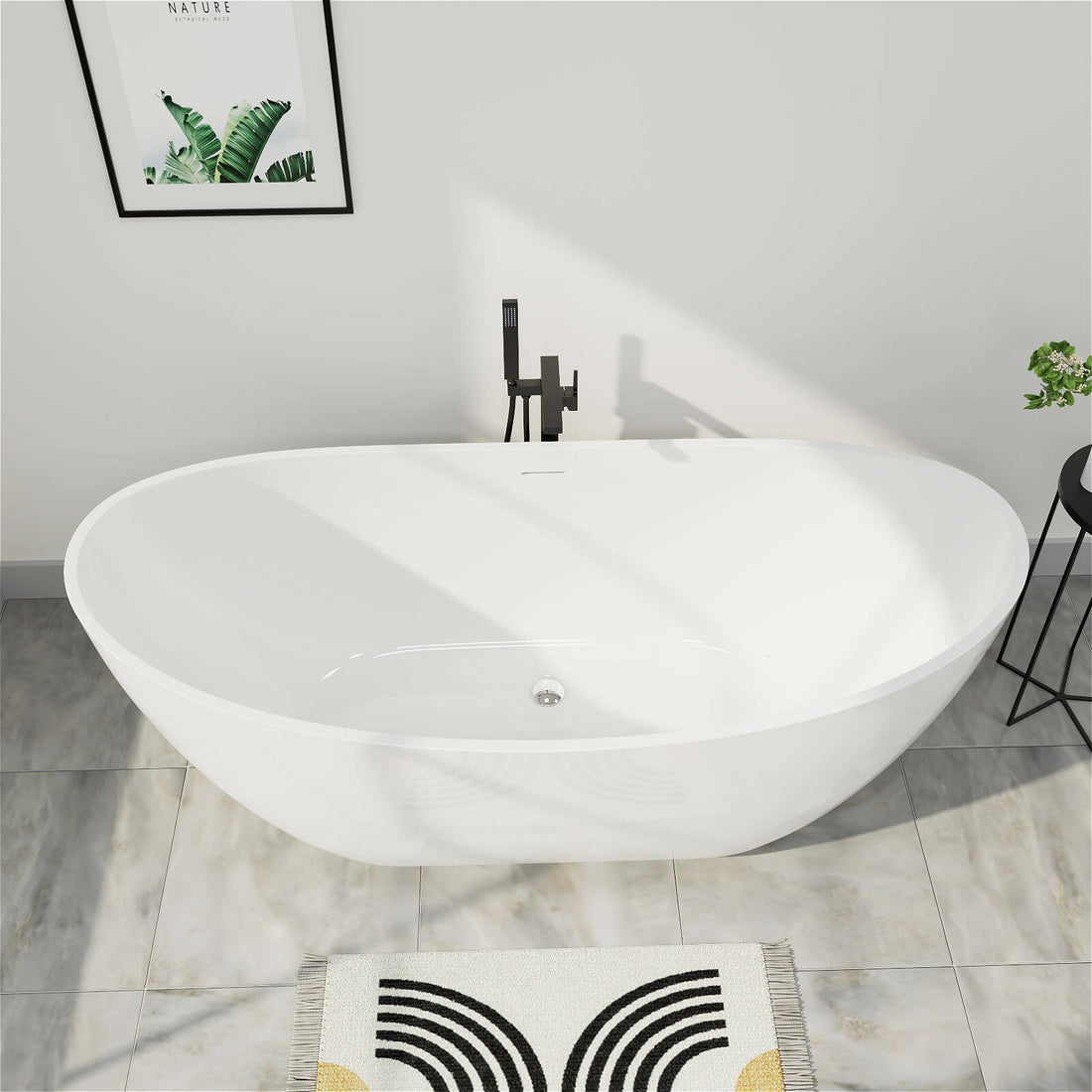 Mokleba 62" freistehende Badewanne aus Acryl, doppelwandig, hochglänzend Weiß
- Regulärer Preis
-
$979.99 - Regulärer Preis
-
$0.00 - Verkaufspreis
-
$979.99
Schnellansicht
-
Mokleba 67" Acryl Oval Großer Freistehender Badewanne Weiß
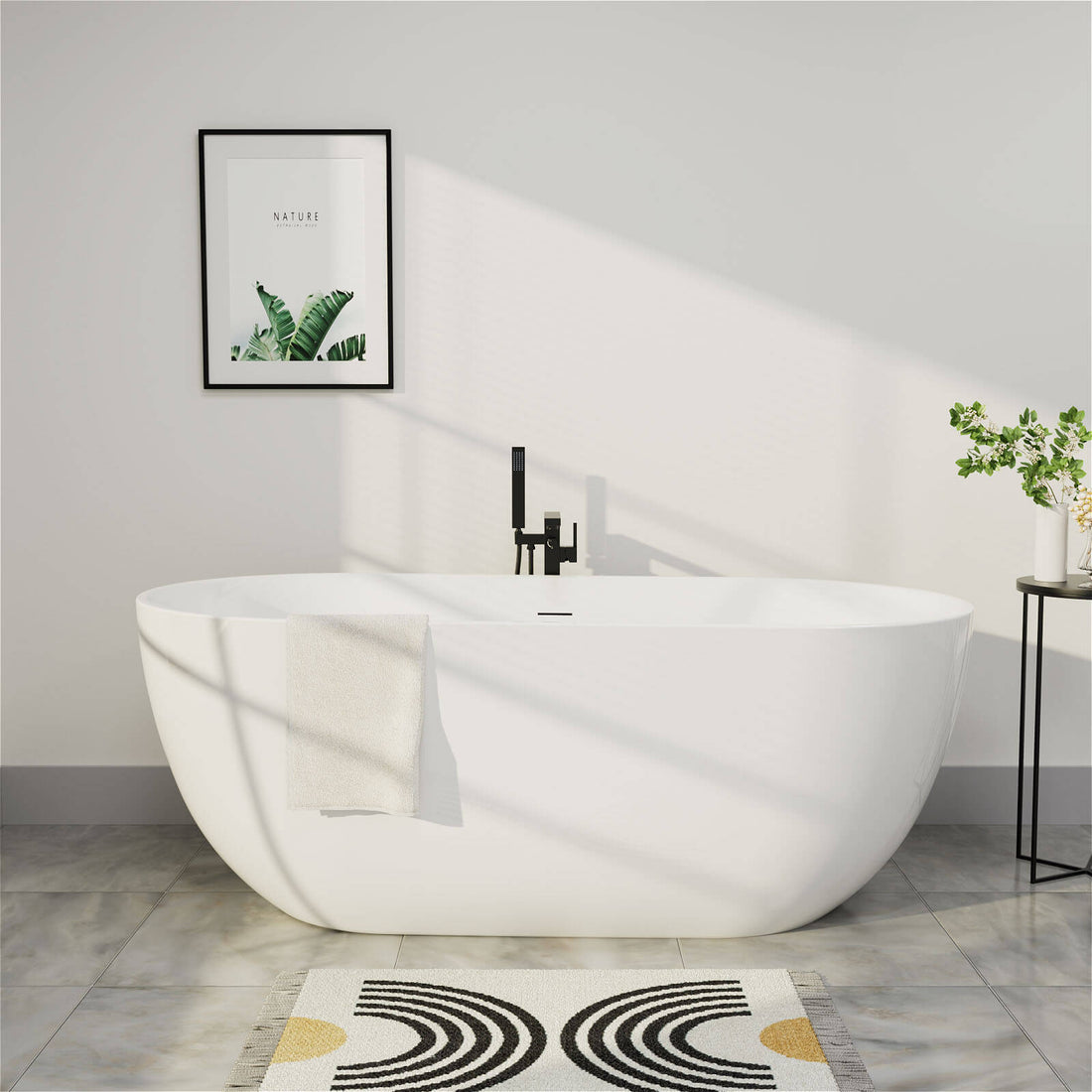
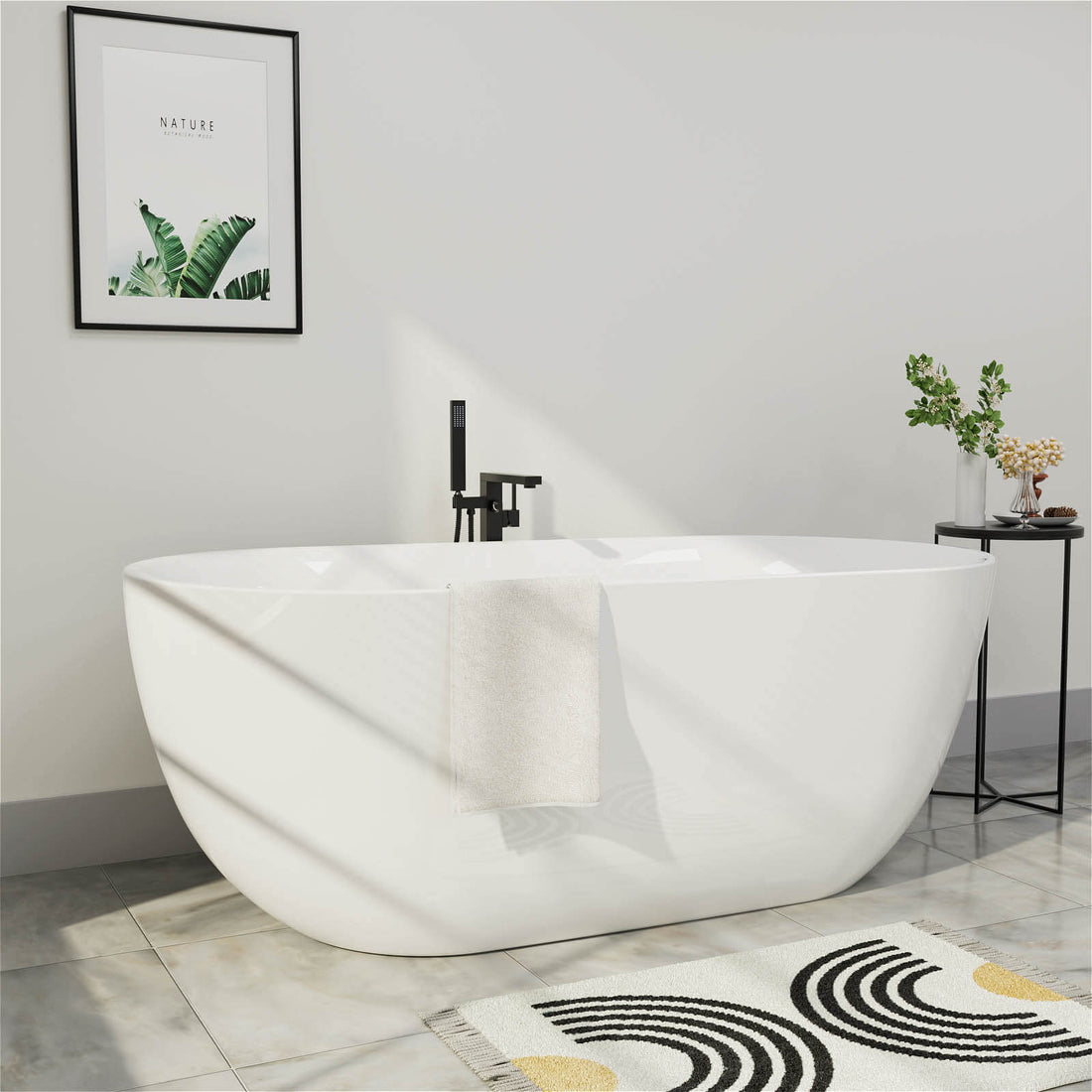 Mokleba 67" Acryl Oval Großer Freistehender Badewanne Weiß
- Regulärer Preis
-
$799.99 - Regulärer Preis
-
$2,599.99 - Verkaufspreis
-
$799.99
Schnellansicht
Gewichtsgrenzen verschiedener Arten von Acrylbadewannen
Thanks to the versatility of acrylic material, bathtubs come in various styles, such as alcove, freestanding, and walk-in. Each type has a different structural design, which affects its weight capacity. Here’s a breakdown:
Alcove
Alcove bathtubs are designed to fit into a three-walled enclosure and are not supported by the floor. Instead, they rely on additional structural support during installation. As a result, their weight capacity is relatively lower, typically ranging from 333 to 667 pounds (151 to 303 kg), depending on the installation method and support structure.

Freestanding
Freestanding bathtubs sit directly on the floor, eliminating concerns about collapse. Their weight capacity depends on the integrity of the vacuum structure and the materials used. Due to variations in manufacturing, freestanding acrylic bathtubs can support between 292 and 1,000 pounds (132 to 454 kg).

For example, Giving Tree Home’s G22570MKA model features an inner shell made of Corian material and an outer shell of solid surface material. This dual-layer construction not only enhances impact resistance but also increases its weight capacity to approximately 1,000 pounds, making it one of the most durable options on the market.
Walk-In
Walk-in bathtubs are designed for seniors, individuals with disabilities, or those with limited mobility. They feature a waterproof door, allowing users to step in without climbing over the edge. These bathtubs are built for high reliability, with a minimum weight capacity of 500 pounds (227 kg) to ensure safety and durability.

Verständnis der Gewichtsbelastung bei Badewannen
When considering the weight load of a bathtub, many people focus solely on their own body weight. However, this approach is incomplete. The weight capacity of a bathtub is typically determined based on real-world usage scenarios, so in addition to body weight, other factors must be considered, such as the weight of water and bathtub accessories.
If you plan to share the bathtub with a partner, be sure to add both of your weights together. Additionally, the weight of bathtub accessories is often overlooked. Items like bathtub stools, shelves, or caddies can add significant weight, especially if they are made of solid surfaces or metal materials, which tend to be heavier.
Most bathtubs hold around 60 gallons of water, but larger bathtubs can exceed 100 gallons. Since one gallon of water weighs approximately 8.34 pounds (3.78 kg), you’ll need to multiply the bathtub’s capacity by this number to calculate the total water weight.
Keep in mind that when a person enters the bathtub, they displace some of the water, reducing the actual water volume. Therefore, as long as the acrylic bathtub’s weight limit meets or is close to the total load, you can ensure its reliability without risking collapse.
For homeowners considering clawfoot bathtubs, it’s important to note that these bathtubs are not in direct contact with the floor. Instead, their weight is supported by the claw feet. This design reduces the contact area, increasing the pressure on the floor. As a result, it’s crucial to ensure that your floor can handle this concentrated pressure. For those with wooden floors, clawfoot bathtubs are generally not recommended due to the higher risk of structural damage.
Abschluss
Acryl-Badewannen sind aufgrund ihrer Ästhetik, Erschwinglichkeit und Zuverlässigkeit eine ausgezeichnete Wahl. Vor dem Kauf ist es jedoch entscheidend sicherzustellen, dass die Badewanne Ihren Anforderungen an die Tragfähigkeit entspricht. Bei Giving Tree Home garantieren wir, dass unsere Acryl-Badewannen bis zu 350 kg (770 Pfund) tragen können, wodurch sie für nahezu jeden Bedarf geeignet sind!
Egal, ob Sie Ihr Badezimmer modernisieren oder nach einer stilvollen und dennoch funktionalen Ergänzung suchen, unsere Acryl-Badewannen sind darauf ausgelegt, sowohl Leistung als auch Sorgenfreiheit zu bieten. Kaufen Sie noch heute mit Vertrauen bei Giving Tree Home ein!
Weitere Ideen
-

How to Choose a Medicine Cabinet: A Complete Buying Guide
Is your bathroom vanity counter crowded with toothpaste, skincare products, and other daily essentials? Maybe your current medicine cabinet doesn’t have enough room for everything you need. A well-chosen medicine...
-

10 Modern Bathroom Design Ideas for a Spa-Like Retreat
The bathroom is one of the few spaces in the home that can be restorative. The right materials, fittings, and finishes can turn a merely functional room into a spa-inspired...
-

How Private Is a Transparent Bathtub? Factors That Affect Privacy
A transparent bathtub can be a striking addition to a bathroom, especially if you like a light, open look. But one practical question may come up before you buy: How...
-

How to Clean and Maintain a Transparent Bathtub
A transparent bathtub can add a distinctive look to a bathroom with its clear, translucent, or tinted appearance. However, many homeowners wonder whether this type of bathtub requires more maintenance...
-

Transparent Resin Bathtub Guide: How to Choose the Right One
The appeal of a transparent resin bathtub comes from the way it interacts with light and its surroundings, creating a unique look that stands out in the bathroom. However, choosing...
-

What Is a Transparent Bathtub and Is It Worth Buying?
As homeowners look for more distinctive ways to update their bathrooms, bathtubs are increasingly becoming part of the room's overall design rather than simply a functional fixture. Clear, translucent, and...


