
Al renovar un baño, elegir el mueble de lavabo adecuado suele ser más importante de lo que parece. No solo influye en la comodidad de las rutinas diarias, sino que también determina la eficiencia espacial y la estética de toda la habitación. Ante dos opciones principales —muebles de lavabo suspendidos y de pie—, muchos propietarios se encuentran indecisos. Los muebles de lavabo suspendidos transmiten una estética moderna y elegante, mientras que los de pie ofrecen una funcionalidad atemporal. Pero, ¿cuál se adapta mejor a tu estilo de vida?
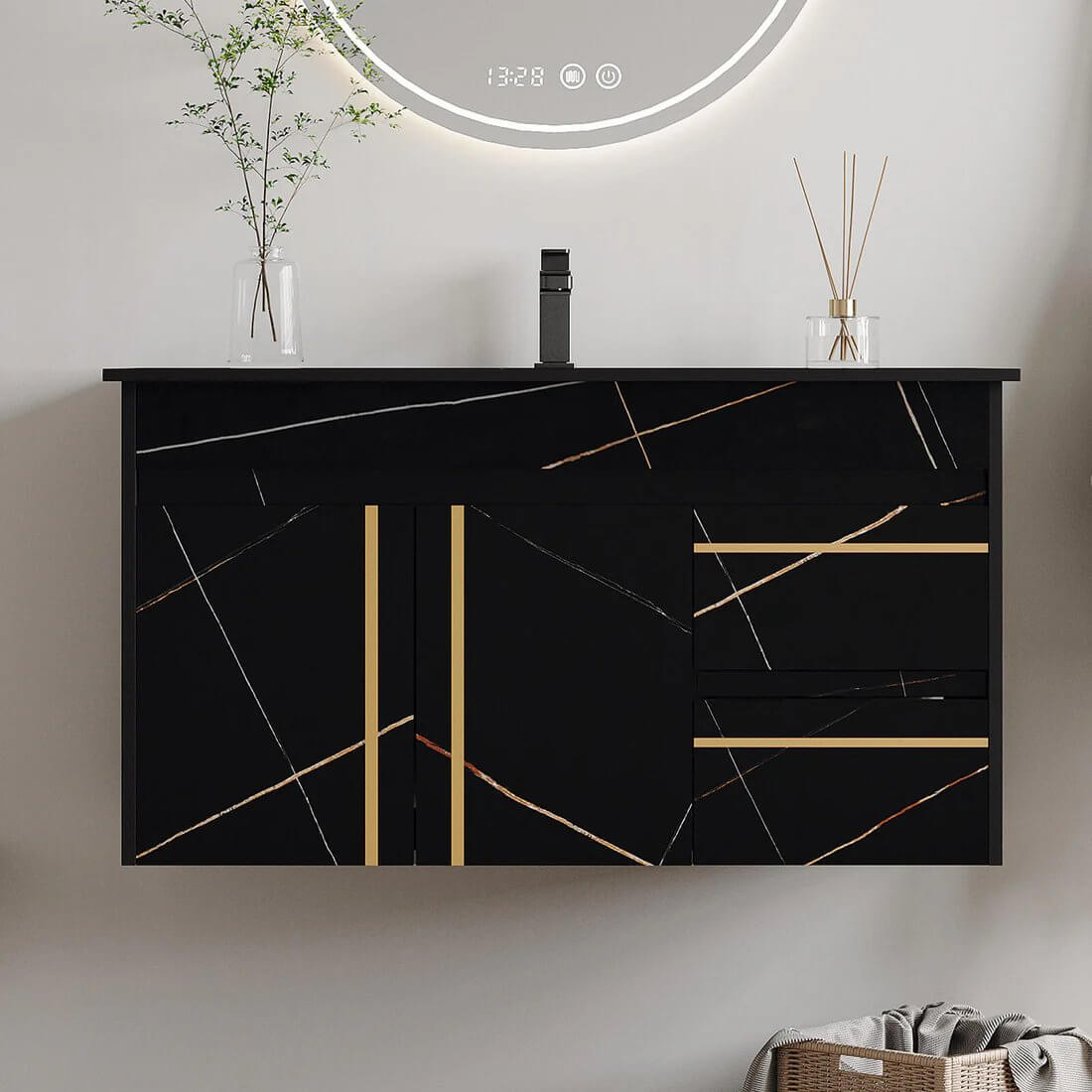
¿Qué es un tocador flotante?
Un tocador flotante, también conocido como tocador suspendido de la pared, está diseñado para quedar suspendido sin tocar el suelo, lo que le da al baño un aspecto elegante, abierto y luminoso. Este diseño moderno es especialmente popular en interiores minimalistas, donde maximizar el espacio y potenciar la sensación de amplitud son fundamentales. Gracias a sus soportes metálicos ocultos o anclajes reforzados, el tocador se mantiene estable a la vez que crea la ilusión de estar suspendido.
-
Ventajas de los tocadores flotantes:
- Optimización del espacio: El espacio abierto debajo hace que incluso los baños pequeños parezcan más amplios.
- Fácil de limpiar: Las fregonas y aspiradoras pueden llegar fácilmente al suelo que se encuentra debajo, minimizando así los puntos ciegos de higiene.
- Estética moderna: Sus líneas limpias y su tamaño minimalista lo hacen compatible con la decoración contemporánea.
- Altura personalizable: Instálela a la altura que prefiera para una mayor comodidad ergonómica, especialmente útil para familias con miembros de diferentes estaturas.
-
Desventajas de los tocadores flotantes:
- Requisitos de instalación exigentes: Debe montarse sobre paredes portantes o especialmente reforzadas, lo que complica la construcción.
- Almacenamiento limitado: Por lo general, ofrecen menos espacio de almacenamiento que los tocadores tradicionales con armarios.
- Dificultad para ajustar después de la instalación: Una vez instalado, cambiar la altura o la posición resulta difícil.
- Retos de mantenimiento: Las reparaciones de fontanería pueden requerir retirar la encimera o acceder al interior de las paredes.
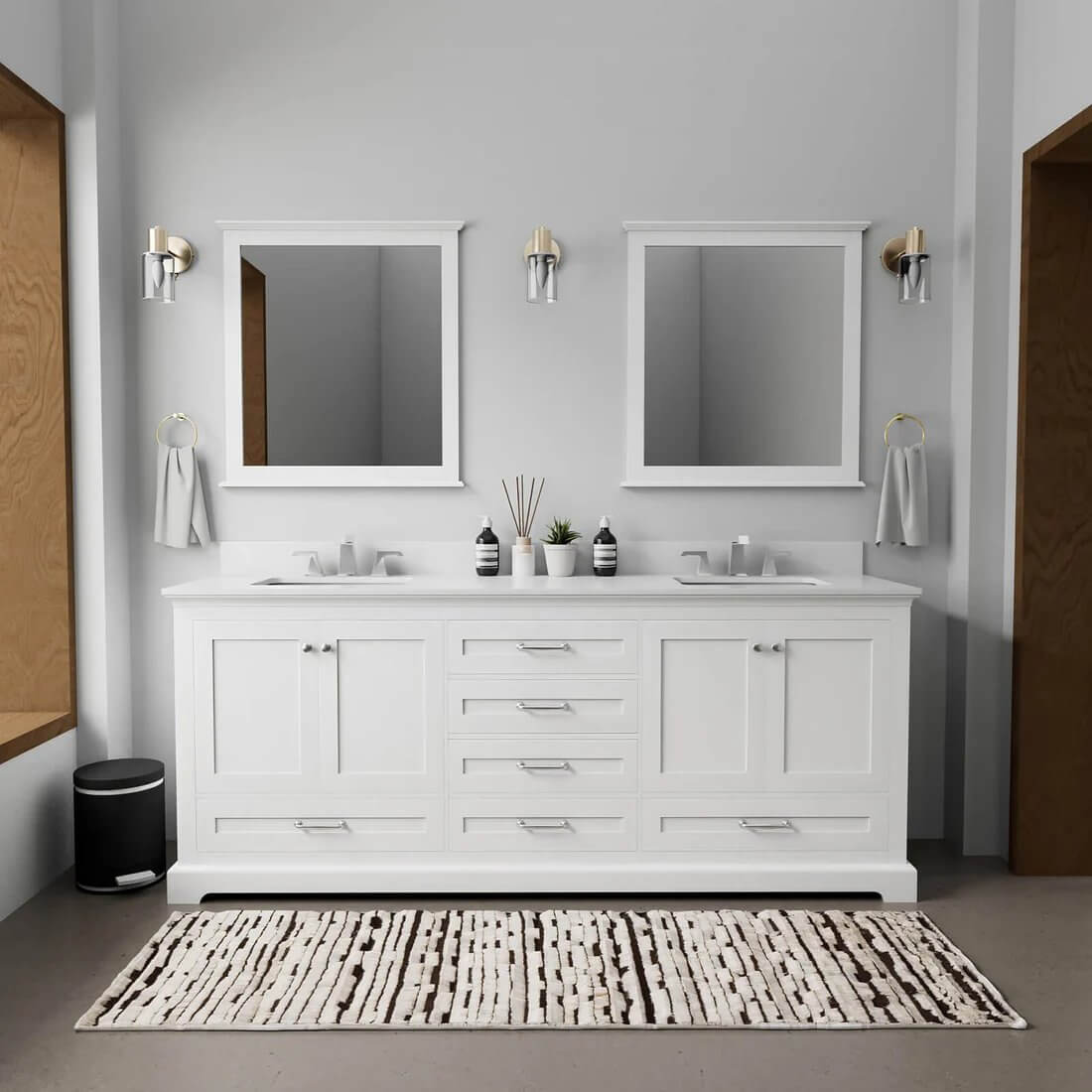
¿Qué es un tocador independiente?
Un mueble de baño independiente, también conocido como mueble de pie, es un armario de baño que se apoya directamente en el suelo, con su base soportando todo el peso del mueble. Este diseño clásico es muy popular en los baños domésticos y se valora por su estabilidad, fácil instalación y gran capacidad de almacenamiento. Suele incluir patas integradas o una base sólida y está disponible en una amplia gama de estilos, desde el tradicional hasta el moderno, para adaptarse a diferentes estéticas de interiores.
-
Ventajas de los tocadores independientes:
- Amplio espacio de almacenamiento: Los cajones y compartimentos facilitan la organización de los artículos de aseo personal.
- Instalación flexible: No depende de la estructura de la pared, por lo que es adecuada para la mayoría de las distribuciones de baños.
- Robusto y duradero: la distribución uniforme del peso en la base garantiza una estabilidad a largo plazo.
- Fácil acceso a las tuberías: simplemente abra el armario para realizar el mantenimiento o la inspección de las tuberías de agua.
-
Desventajas de los tocadores independientes:
- Ocupa espacio en el suelo: La base está en contacto total con el suelo, lo que limita la sensación de amplitud en baños pequeños.
- Difícil de limpiar: Los puntos de contacto con el suelo pueden acumular polvo o humedad, lo que genera problemas de higiene.
- Altura fija: No es fácilmente ajustable para adaptarse a las preferencias del usuario.
- Aspecto menos moderno: Suelen tener un diseño más tradicional, lo que puede desentonar con interiores ultramodernos.
Tocador flotante vs. tocador independiente
| Comparison Item | Floating Vanity (Wall-Mounted) | Freestanding Vanity (Floor-Standing) |
|---|---|---|
| Style & Appearance | Modern and minimalist; creates a light, open feel | Traditional and solid; suits most standard bathrooms |
| Installation | Wall-mounted; requires reinforced wall support | Placed directly on the floor; simpler to install |
| Floor Clearance | No contact with the floor; easier to clean underneath | Touches the floor; more difficult to clean around base |
| Ergonomics | Height can be customized for user comfort | Fixed height; may not suit all users |
| Storage Capacity | Usually less space; may include drawers | More space for toiletries and essentials |
| Structural Stability | Relies on wall strength; professional installation needed | Stable on its own; supports heavier countertops |
| Plumbing Access | Often hidden in the wall; harder to reach | Inside the cabinet; easy to inspect and repair |
| Cleaning & Maintenance | Easier to mop or vacuum underneath | Requires bending or kneeling to clean around |
| Ideal Bathroom Size | Perfect for small or modern bathrooms | Great for medium to large traditional bathrooms |
| Overall Cost | Moderate to high, depending on wall prep | Budget-friendly; fewer installation requirements |
¿Cuál deberías elegir?
Visual Impact: Floating Wins
If you want your bathroom to feel airy, spacious, and contemporary, floating vanities are the clear winner. Mounted off the ground, they create uninterrupted floor lines that visually expand even the smallest bathrooms. This is especially effective when paired with large-format tiles, LED under-lighting, or continuous flooring materials.
Freestanding vanities, on the other hand, add more visual "weight" to a space. While that can make a large bathroom feel grounded and cozy, in compact layouts it may contribute to a slightly crowded appearance—especially if the unit has a bulky base or ornate detailing.
Cleaning Convenience: Floating Wins
Because floating vanities’re elevated, there's no need to stoop or maneuver around corners to mop up hair, water, or dust. Robot vacuums glide under them effortlessly. In high-traffic bathrooms, especially those used by kids or pets, this small feature can lead to big long-term benefits.
Freestanding vanities sit flush with the floor or stand on legs, which often means narrow gaps where dirt and moisture accumulate. This makes them harder to maintain, especially in humid climates or bathrooms prone to spills.
Structural Compatibility: Freestanding Wins
Installing a floating vanity isn't just a matter of aesthetics—it requires structural readiness. These units must be securely fastened to studs or load-bearing walls, and sometimes you’ll need reinforcement or blocking behind drywall. If the wall can’t support the weight, installation becomes costly and complex.
Freestanding vanities, by contrast, are far more forgiving. They don’t depend on wall strength and can be installed in virtually any bathroom with a level floor. That makes them an excellent choice for older homes or remodels with uncertain wall conditions.

Design Versatility: Tie
Both vanity types are available in a broad range of finishes, materials, and styles. Floating vanities dominate the market for modern, minimalist looks, often with sleek lines, integrated lighting, and glossy finishes. They pair perfectly with vessel sinks, matte black fixtures, and wall-mounted faucets.
Freestanding vanities, meanwhile, offer unmatched range in traditional, transitional, and farmhouse styles. You’ll find options with turned legs, shaker doors, marble tops, and antique brass hardware. Whether you lean classic or contemporary, both options offer ample room to express your design taste.
Long-Term Maintenance: Freestanding Wins
When it comes to plumbing access, freestanding vanities offer a clear advantage. Most allow you to open a cabinet or drawer and get to the pipes without disrupting the wall or countertop. This is especially helpful during leak repairs, faucet replacements, or future upgrades.
Floating vanities often have concealed plumbing that runs behind the wall or through a narrow chase, meaning access can require removing panels—or even cutting into drywall. While this design is visually cleaner, it can increase the complexity and cost of maintenance later on.
Best for Small Bathrooms: Floating Wins
If you’re working with a tight footprint, floating vanities offer two important advantages: perceived space and physical clearance. They help avoid the “boxed in” feeling that sometimes comes with freestanding furniture, and they allow for more visible floor area, which tricks the eye into seeing more space.
That said, in very narrow bathrooms where storage is non-negotiable, a well-designed slimline freestanding vanity with drawers might offer a better balance of storage and function. The key is to prioritize your needs: openness or utility.
Final
Elegir entre un tocador suspendido o independiente es más que una decisión de diseño: es un reflejo de tu estilo de vida. Cada opción representa tu interpretación de lo que significa un hogar perfecto. No hay una opción ideal, solo la que mejor se adapte a tus necesidades.
Así que pregúntate: ¿Quieres un baño que se sienta amplio y moderno o uno que sea práctico y organizado? ¿Priorizas el diseño vanguardista o la funcionalidad diaria? Siempre que el mueble de baño que elijas mejore tu vida cotidiana, ya sea suspendido o independiente, habrás hecho una buena elección.


Más ideas
-

How to Choose a Medicine Cabinet: A Complete Buying Guide
Is your bathroom vanity counter crowded with toothpaste, skincare products, and other daily essentials? Maybe your current medicine cabinet doesn’t have enough room for everything you need. A well-chosen medicine...
-

10 Modern Bathroom Design Ideas for a Spa-Like Retreat
The bathroom is one of the few spaces in the home that can be restorative. The right materials, fittings, and finishes can turn a merely functional room into a spa-inspired...
-

How Private Is a Transparent Bathtub? Factors That Affect Privacy
A transparent bathtub can be a striking addition to a bathroom, especially if you like a light, open look. But one practical question may come up before you buy: How...
-

How to Clean and Maintain a Transparent Bathtub
A transparent bathtub can add a distinctive look to a bathroom with its clear, translucent, or tinted appearance. However, many homeowners wonder whether this type of bathtub requires more maintenance...
-

Transparent Resin Bathtub Guide: How to Choose the Right One
The appeal of a transparent resin bathtub comes from the way it interacts with light and its surroundings, creating a unique look that stands out in the bathroom. However, choosing...
-

What Is a Transparent Bathtub and Is It Worth Buying?
As homeowners look for more distinctive ways to update their bathrooms, bathtubs are increasingly becoming part of the room's overall design rather than simply a functional fixture. Clear, translucent, and...


