
Al planificar la renovación de un baño, elegir la bañera adecuada suele ser una de las decisiones más importantes. Entre las muchas opciones disponibles, las bañeras de superficie sólida han ganado popularidad por su elegante diseño y durabilidad. Sin embargo, su precio elevado genera dudas en muchos propietarios: ¿Realmente valen la pena la inversión? En este artículo, Giving Tree Home analiza en detalle las ventajas y desventajas de las bañeras de superficie sólida —comenzando con los modelos de resina— para ayudarte a decidir si este estilo es el adecuado para tu baño.
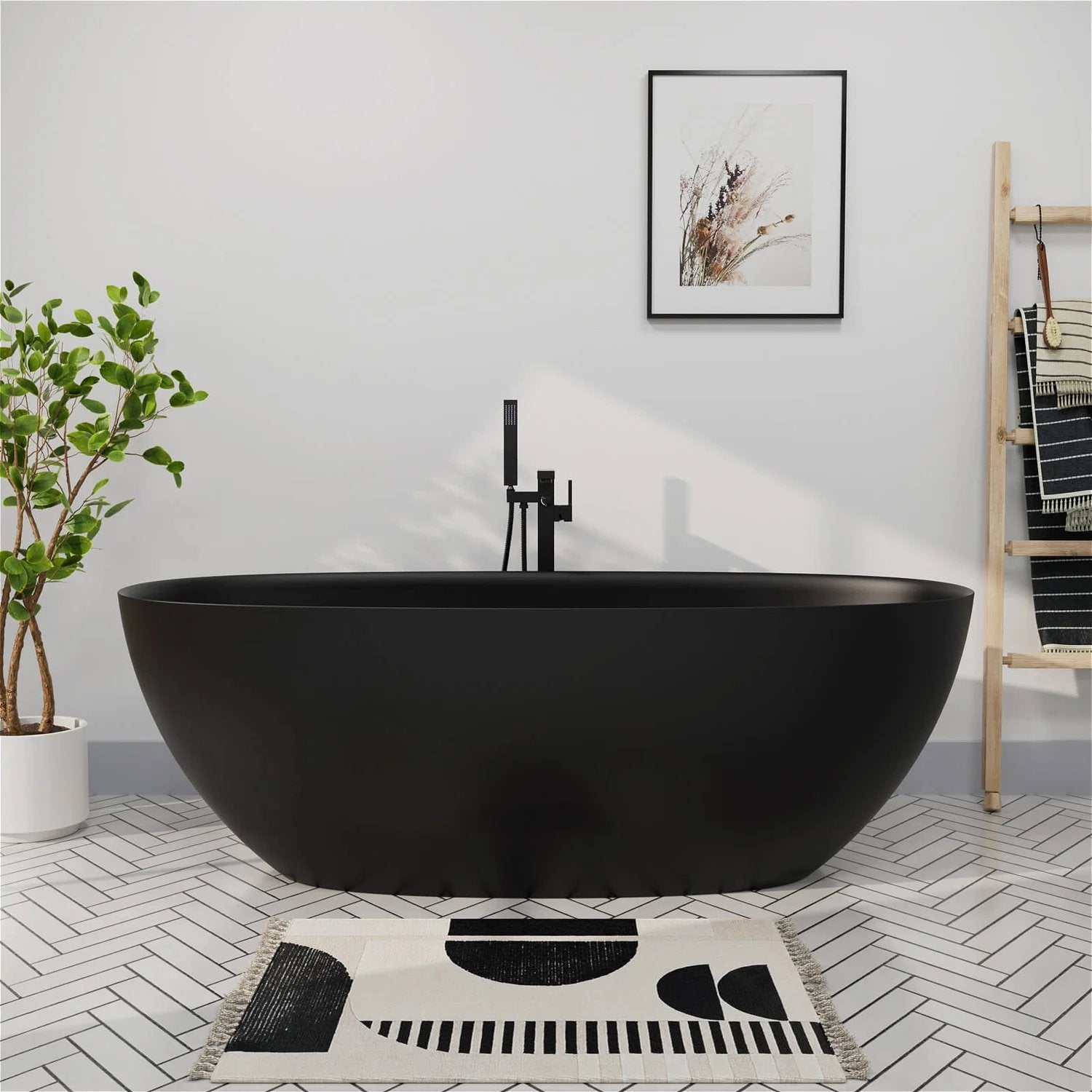
¿Qué es una bañera de superficie sólida?
Las bañeras de superficie sólida generalmente se dividen en dos categorías principales: bañeras de superficie sólida de acrílico puro y bañeras compuestas (a menudo llamadas bañeras de resina de piedra ). El tipo compuesto está hecho de una mezcla de acrílico, piedra natural, resina polimérica y compuestos minerales, cuya fórmula exacta varía según el fabricante.
Un error común es creer que las bañeras de superficie sólida de acrílico puro son iguales a las bañeras de acrílico estándar. En realidad, son bastante diferentes, principalmente por su proceso de fabricación. Las bañeras de acrílico estándar se crean calentando láminas delgadas de acrílico y moldeándolas mediante succión al vacío o aire comprimido. Este proceso deja la bañera hueca por dentro. En cambio, las bañeras de superficie sólida de acrílico puro se forman vertiendo acrílico fundido en un molde y dejándolo enfriar, lo que produce una estructura sólida y pesada.
Para desglosarlo:
- Bañeras acrílicas : Huecas, fabricadas a partir de láminas acrílicas moldeadas.
- Bañeras de superficie sólida: Completamente sólidas, fabricadas con acrílico puro o compuestos a base de acrílico.
En lo que respecta al precio, el orden general es: Superficie sólida de acrílico puro > Resina de piedra > Acrílico estándar .
Pero antes de profundizar, conviene detenerse un momento para comprender qué es realmente el acrílico . El acrílico, también conocido como polimetilmetacrilato (PMMA), es un polímero termoplástico transparente que se obtiene mediante la polimerización de metacrilato de metilo y otros monómeros. Gracias a su durabilidad, resistencia a la intemperie y alta tolerancia química, el acrílico se ha convertido en un material muy utilizado en la fabricación de bañeras.
Ventajas e inconvenientes de las bañeras de superficie sólida
Advantages
Easy Maintenance
The non-porous surface leaves dirt and grime with nowhere to hide, which makes stains easier to spot and much simpler to clean. Many solid surface tubs are also polished and treated for added stain resistance. As a result, they naturally resist mold and bacteria buildup, helping keep your bathroom a healthier space.
Skin-Friendly
Solid surface materials are free from formaldehyde and heavy metals, earning them certification as eco-friendly building materials. That makes these tubs especially suitable for households with children, seniors, or anyone with sensitive skin. Unlike some artificial stone products, they won’t release harmful emissions over time.
Durability
Because solid surface tubs are solid all the way through, they offer far greater impact resistance than traditional ceramic or hollow acrylic bathtubs. While they may not be quite as indestructible as copper tubs, they hold up exceptionally well in everyday use. Even better, small imperfections—like surface scratches or slight yellowing—can often be sanded and polished away at home. With proper care, a solid surface bathtub can maintain its fresh look for 10–15 years.
Environmentally Friendly
From production to everyday use, solid surface tubs score high on sustainability. Manufacturing requires less energy, and leftover material can often be recycled or reused. Even discarded pieces are biodegradable. On top of that, the tubs’ excellent heat retention helps reduce hot water energy consumption—a win for both your utility bills and the planet.
Disadvantages
Heavy Weight
It’s no surprise that solid surface bathtubs are heavier than most other types, given that they are made from dense, solid materials. Most models typically weigh around 250 lbs, though this can vary depending on size and design. To ensure stability and long-term durability, these tubs often feature reinforced bottoms, thick edges, and internal support structures. Some even include built-in fillers for enhanced soaking comfort, which adds extra weight.
Higher Cost
Solid surface tubs are generally considered a premium option, and the price reflects that. For reference, a survey of Wayfair listings shows solid surface tubs averaging around $2,500. By comparison:
- Cast Iron Tubs: $1,500–$2,000
- Acrylic Tubs: $600–$1000
- Stone Tubs: $6,000–$7,000
- Fiberglass Tubs: $400–$800
Más vendido
-
Bañera compacta independiente de resina de piedra de 47 pulgadas
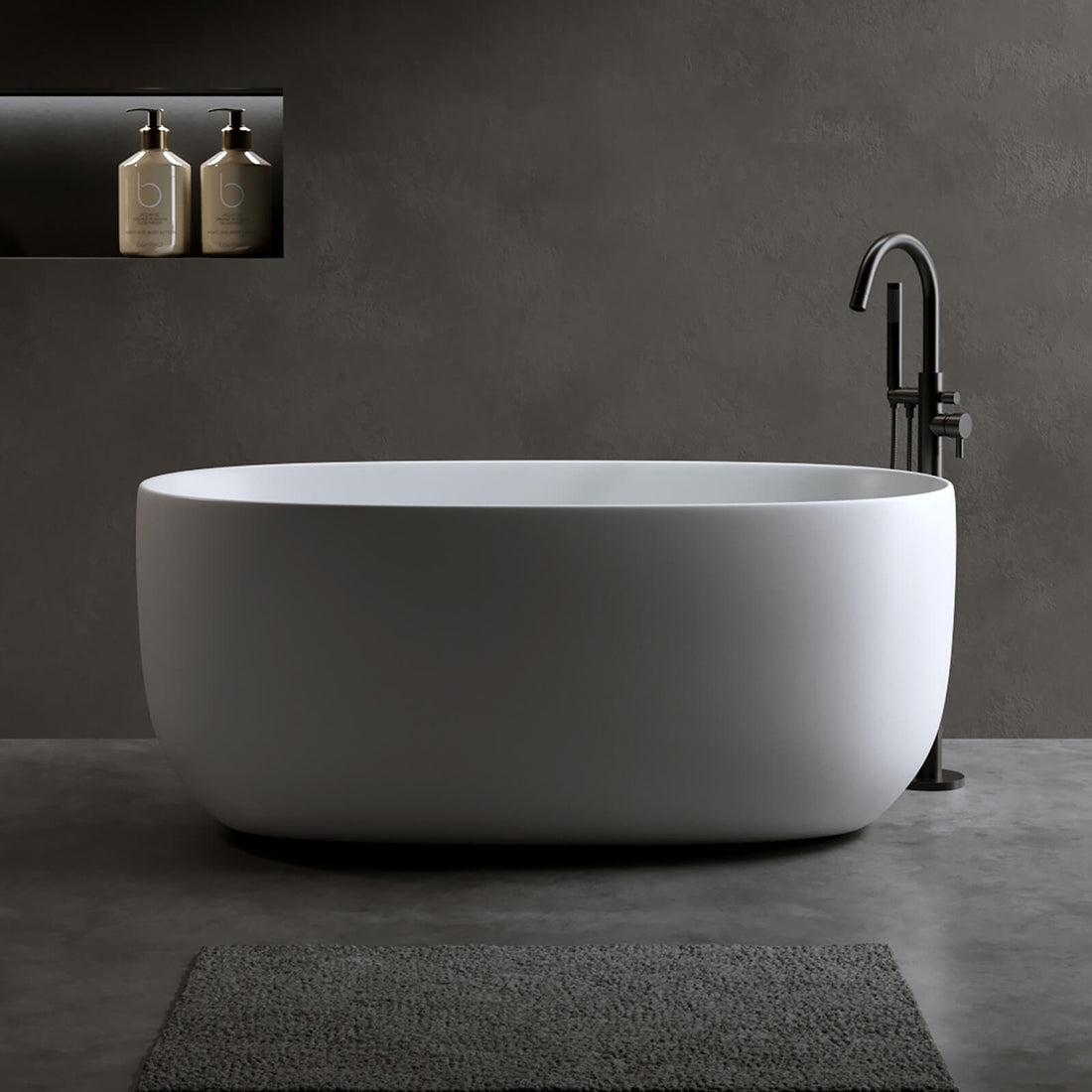
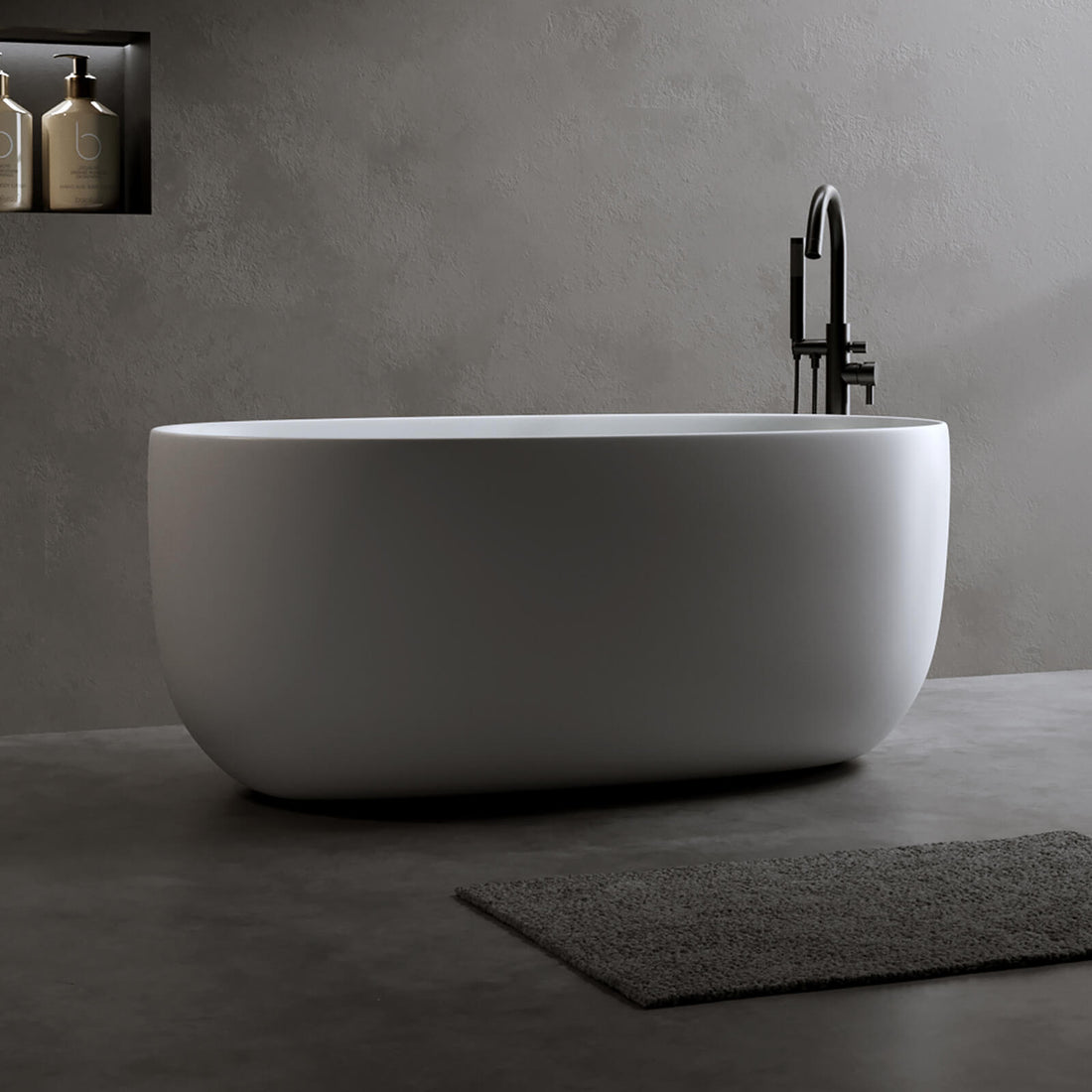 Bañera compacta independiente de resina de piedra de 47 pulgadas
- Precio regular
-
$1,999.99 - Precio regular
-
- Precio de venta
-
$1,999.99
Vista rápida
-
Lujosa bañera independiente de 63 pulgadas con zapatilla individual.
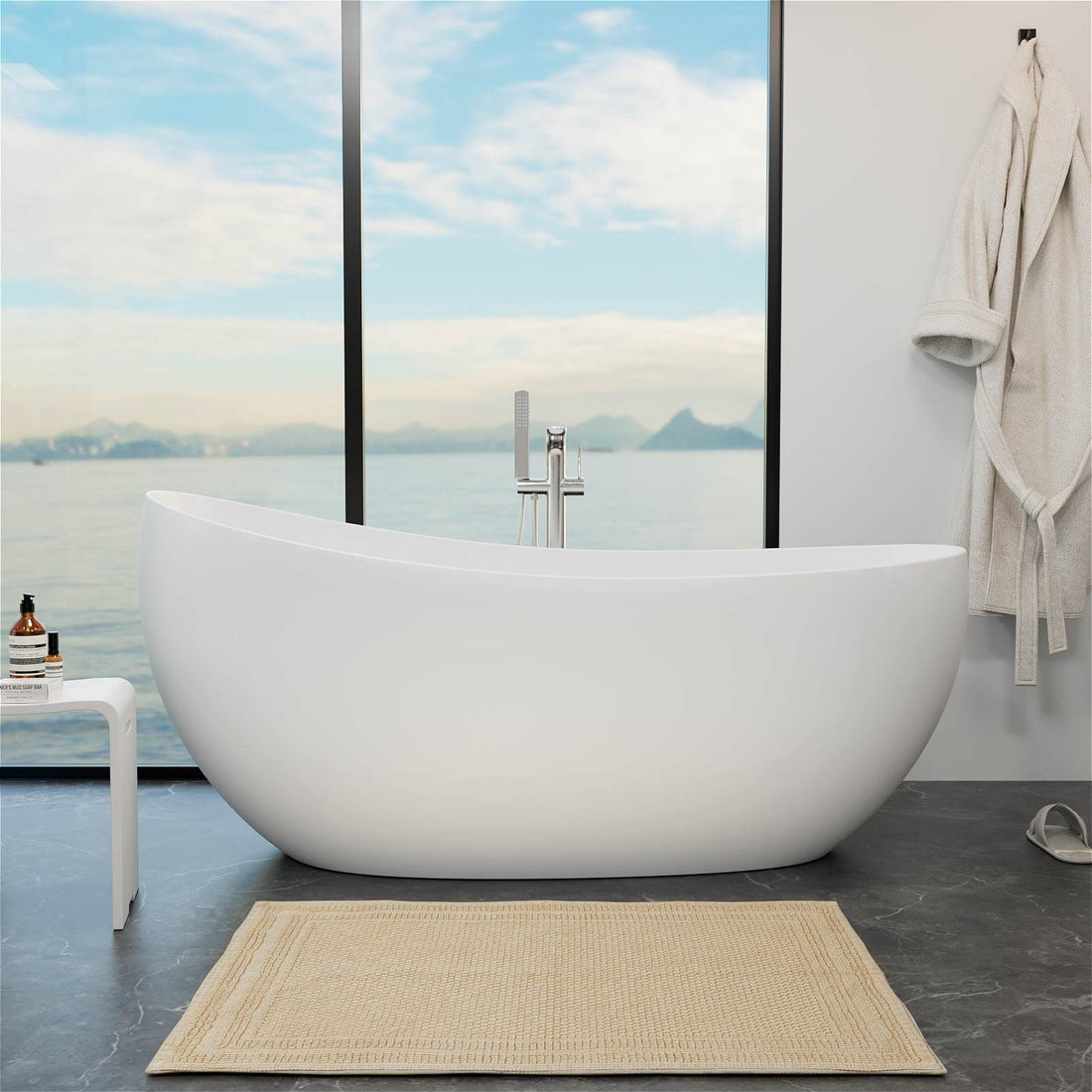
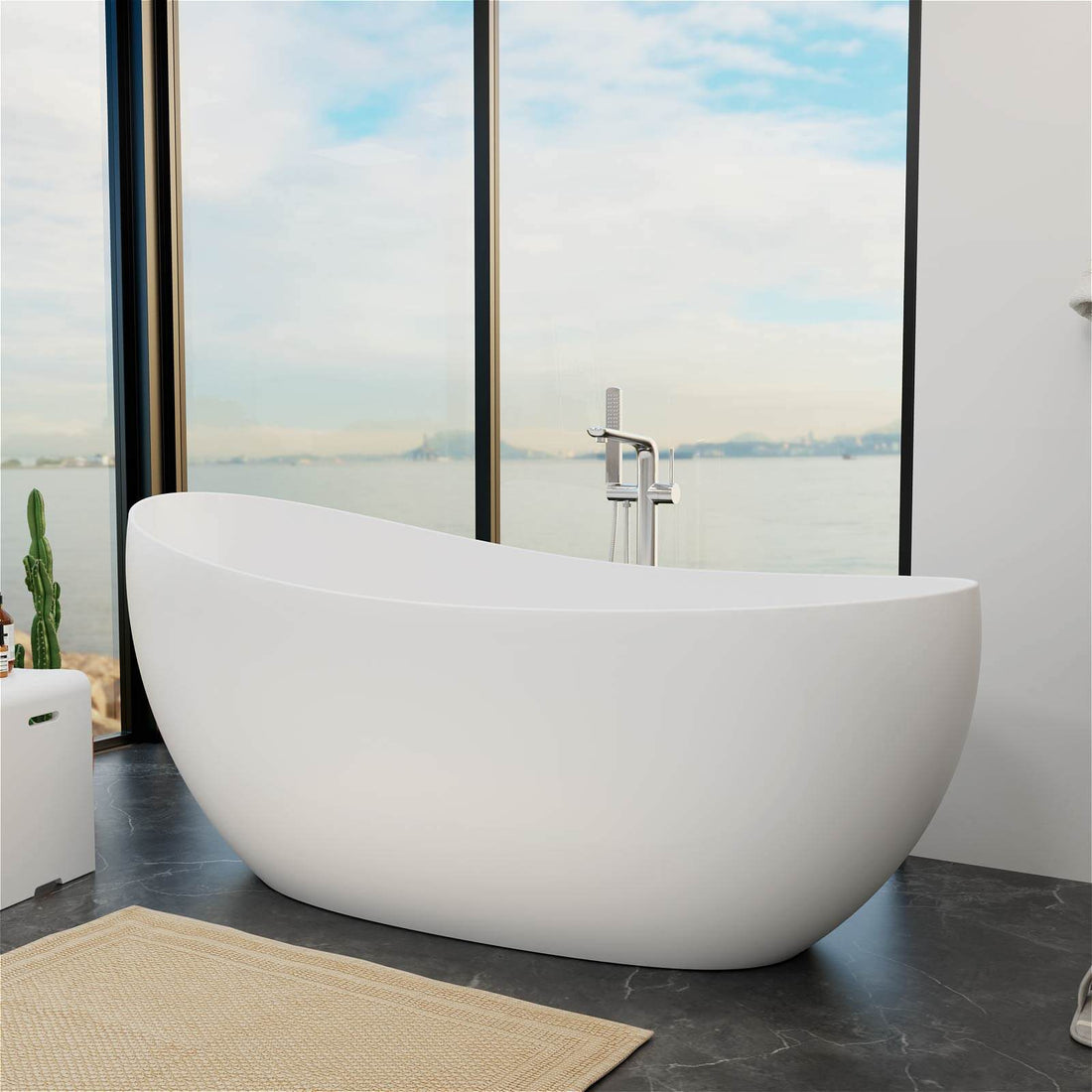 Lujosa bañera independiente de 63 pulgadas con zapatilla individual.
- Precio regular
-
$2,199.99 - Precio regular
-
$2,999.99 - Precio de venta
-
$2,199.99
Vista rápida
-
Bañera independiente de 65" con diseño floral y acabado artístico inspirado en la piedra
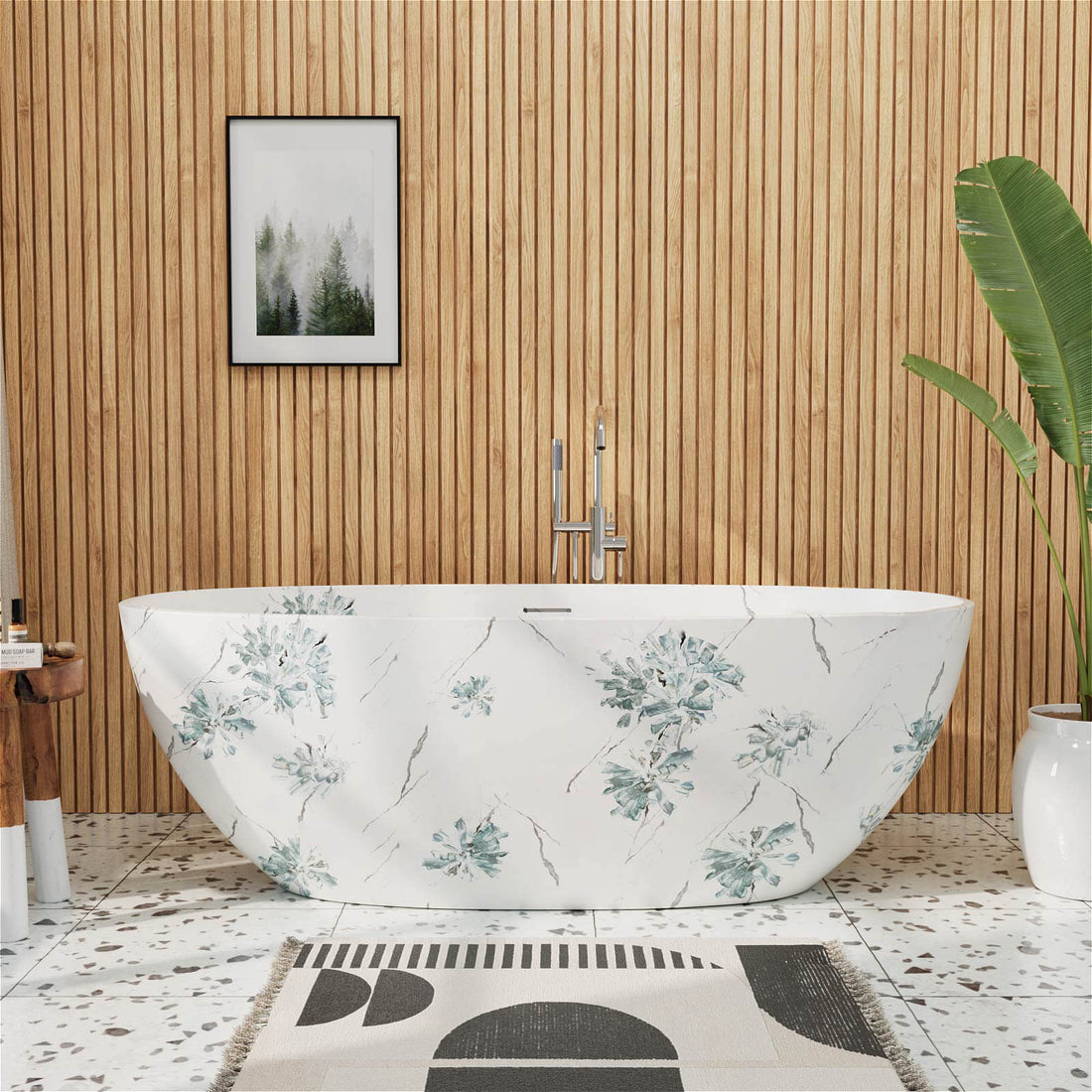
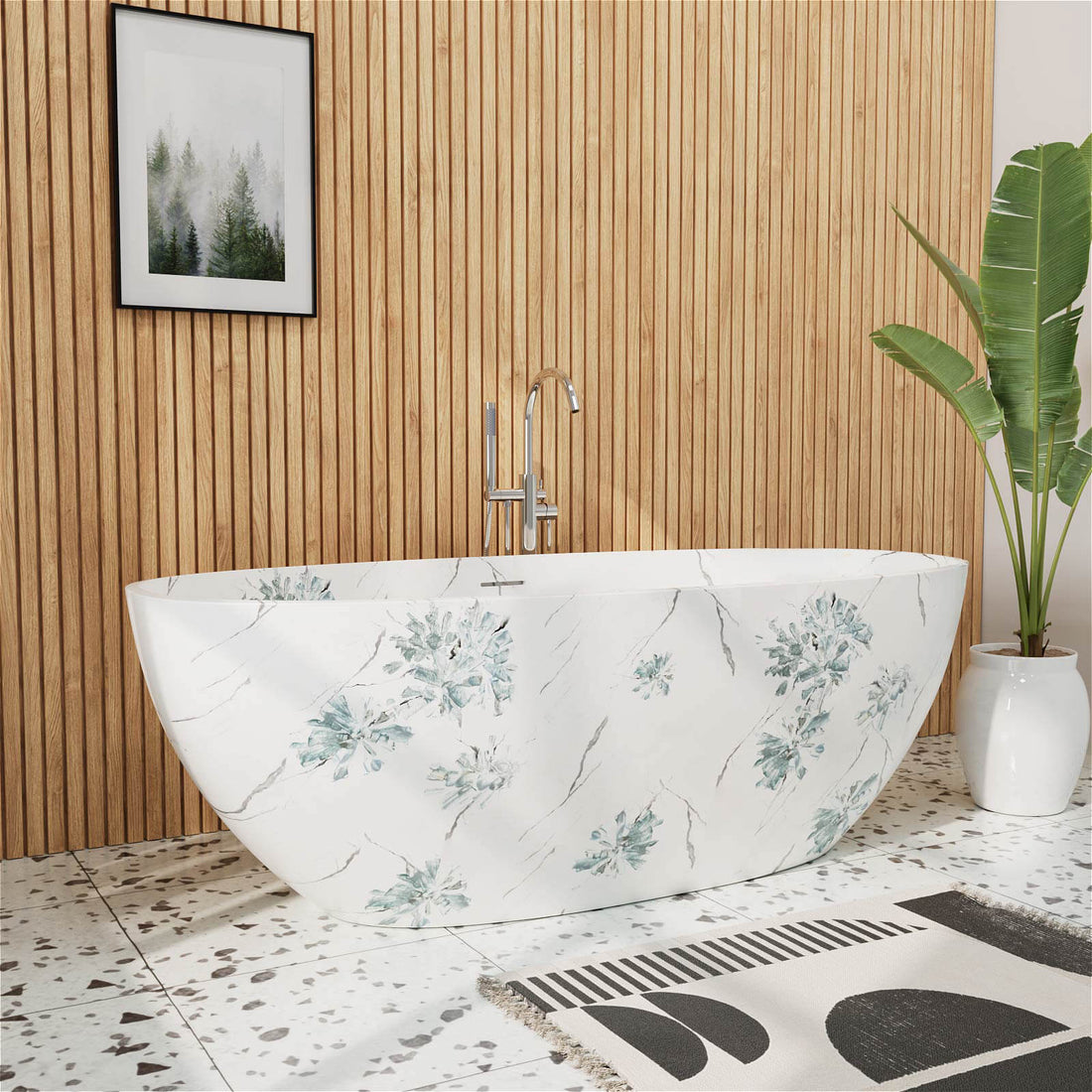 Bañera independiente de 65" con diseño floral y acabado artístico inspirado en la piedra
- Precio regular
-
$3,599.99 - Precio regular
-
- Precio de venta
-
$3,599.99
Vista rápida
-
Bañera de pedestal doble de 67" - Elegancia moderna en superficie sólida
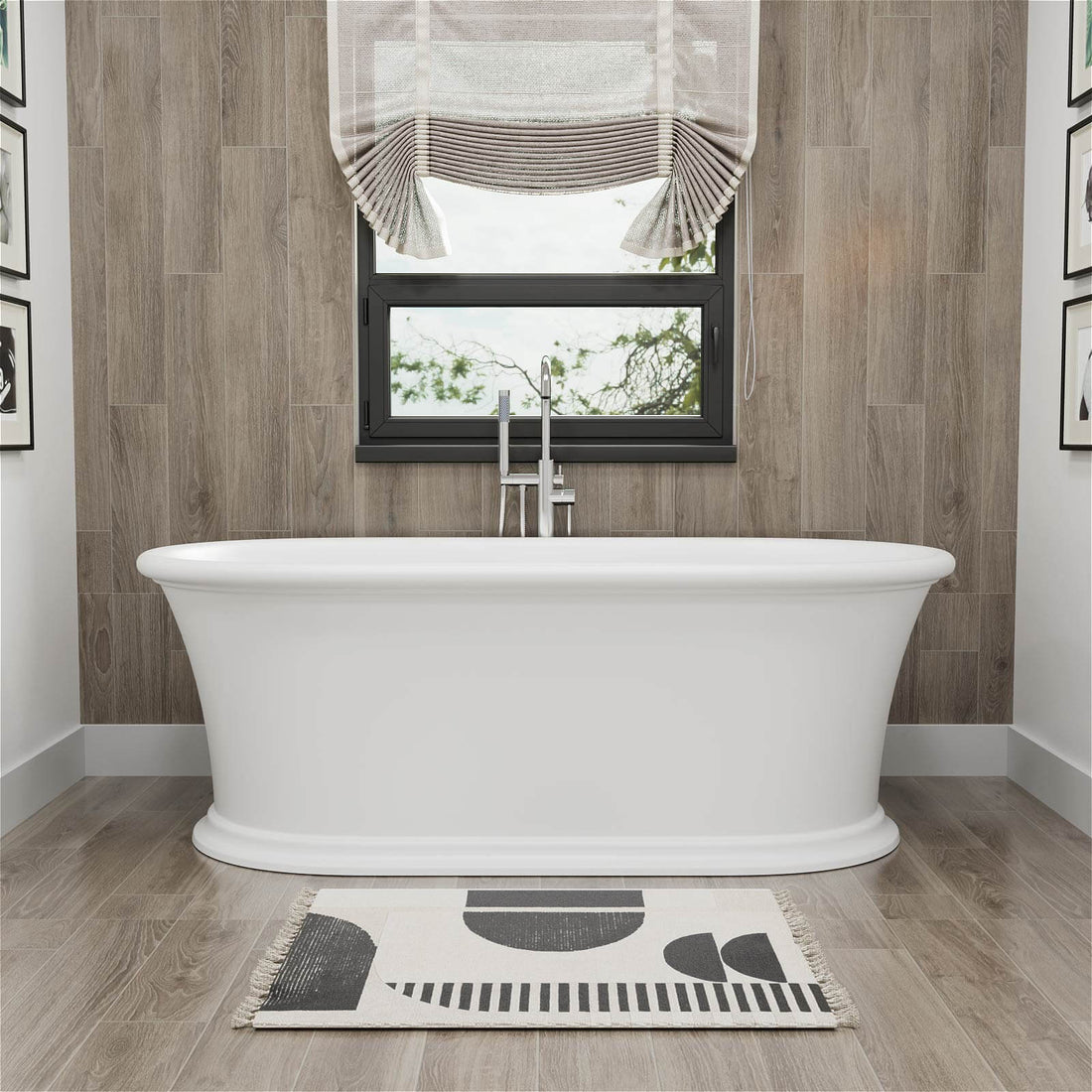
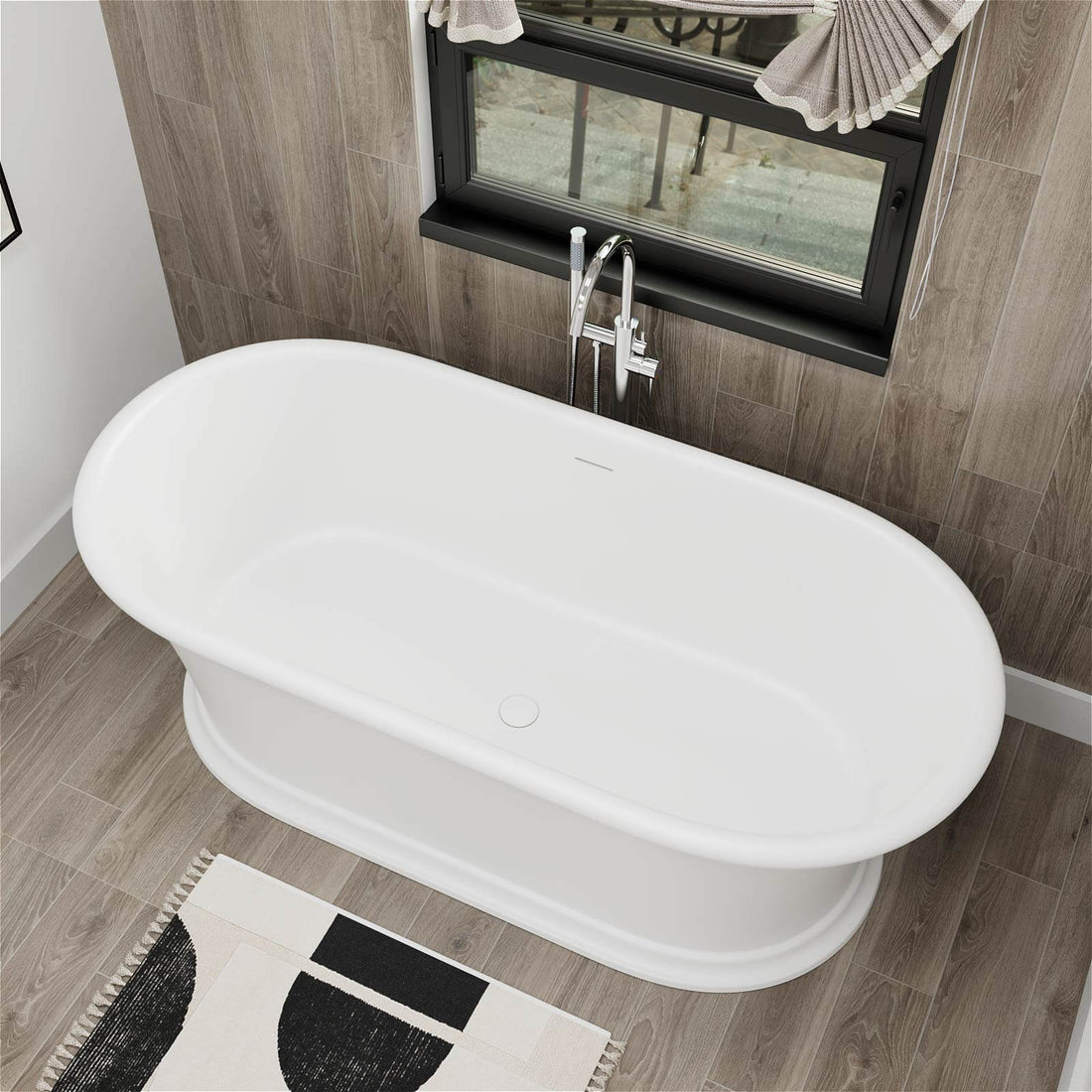 Bañera de pedestal doble de 67" - Elegancia moderna en superficie sólida
- Precio regular
-
$2,299.99 - Precio regular
-
- Precio de venta
-
$2,299.99
Vista rápida
Final
Las bañeras de superficie sólida presentan algunas desventajas, como su precio más elevado y su mayor peso. Sin embargo, su gran durabilidad, su fácil mantenimiento y su elegante diseño las convierten en una opción popular para muchos propietarios.
Si está pensando en renovar su baño con una bañera de superficie sólida, Giving Tree Home ofrece una selección cuidadosamente elegida para satisfacer una amplia gama de gustos, desde líneas elegantes y contemporáneas hasta diseños clásicos y atemporales.
Más ideas
-

How to Choose a Medicine Cabinet: A Complete Buying Guide
Is your bathroom vanity counter crowded with toothpaste, skincare products, and other daily essentials? Maybe your current medicine cabinet doesn’t have enough room for everything you need. A well-chosen medicine...
-

10 Modern Bathroom Design Ideas for a Spa-Like Retreat
The bathroom is one of the few spaces in the home that can be restorative. The right materials, fittings, and finishes can turn a merely functional room into a spa-inspired...
-

How Private Is a Transparent Bathtub? Factors That Affect Privacy
A transparent bathtub can be a striking addition to a bathroom, especially if you like a light, open look. But one practical question may come up before you buy: How...
-

How to Clean and Maintain a Transparent Bathtub
A transparent bathtub can add a distinctive look to a bathroom with its clear, translucent, or tinted appearance. However, many homeowners wonder whether this type of bathtub requires more maintenance...
-

Transparent Resin Bathtub Guide: How to Choose the Right One
The appeal of a transparent resin bathtub comes from the way it interacts with light and its surroundings, creating a unique look that stands out in the bathroom. However, choosing...
-

What Is a Transparent Bathtub and Is It Worth Buying?
As homeowners look for more distinctive ways to update their bathrooms, bathtubs are increasingly becoming part of the room's overall design rather than simply a functional fixture. Clear, translucent, and...


