
Überraschenderweise sind viele Menschen auch im 21. Jahrhundert noch immer nicht mit freistehenden Badewannen vertraut und konzentrieren sich weiterhin auf Einbau- und Eckbadewannen. Da sich die Anforderungen an modernes Baddesign jedoch weiterentwickeln, tendieren immer mehr Hausbesitzer zu freistehenden Wannen, da diese praktischer und ästhetisch ansprechender sind. Was genau ist also eine freistehende Badewanne? Was sind ihre attraktiven Merkmale? In diesem Artikel bietet Giving Tree Home einen umfassenden Überblick über freistehende Badewannen, einschließlich ihrer Eigenschaften, Typen und Verwendung. Also, lasst uns eintauchen!
Was ist eine freistehende Badewanne
Freistehend, wie der Name schon sagt, ist eine Art von Badewanne, die unabhängig in einem Raum existiert, ohne auf Wände oder andere Teile des Badezimmers angewiesen zu sein. Diese Beschreibung mag etwas abstrakt erscheinen, daher wollen wir zum besseren Verständnis freistehende Badewannen mit Einbau- und Eckbadewannen vergleichen, um eine konkretere Erklärung zu geben.
-

Freistehend
Wie auf dem Bild oben zu sehen ist, ist eine freistehende Badewanne von allen Seiten völlig freiliegend, was bedeutet, dass sie überall im Badezimmer platziert werden kann, solange ein geeigneter Abfluss- und Sanitäranschluss für die Installation vorhanden ist. Freistehende Badewannen sind in einer Vielzahl von Materialien erhältlich, darunter Gusseisen, Keramik, Acryl und Mineralguss, die jeweils unterschiedliche visuelle Effekte und Benutzererlebnisse bieten.
-

Integriert
Eine Einbauwanne, auch bekannt als Drop-in-Wanne, ist typischerweise in den Wänden oder der Struktur des Badezimmers eingebettet. Wie auf dem Bild zu sehen ist, kann man die Badewanne nur von oben betrachten, wobei die anderen Seiten verborgen sind. Der Installationsprozess für Einbauwannen kann komplexer sein und erfordert oft ein professionelles Umbauunternehmen, da er das Freilegen und die Handhabung aller zugehörigen Sanitärarbeiten beinhaltet.
-

Ecke
Eine Eckbadewanne ist eine Variante der Einbauwanne, die typischerweise in einer Ecke des Badezimmers installiert wird und viertelkreisförmig ist. Dieses Design wird häufig in Hotels oder kleineren Badezimmern verwendet, um die Raumausnutzung zu optimieren, was sie zu einer idealen Wahl für beengte Platzverhältnisse macht.


Lohnt sich der Kauf einer freistehenden Badewanne
Freestanding bathtubs offer several distinct pros and cons due to their design and installation methods. One of the most notable pros is their strong visual appeal. Freestanding bathtubs are crafted using molds, which means that the aesthetic quality of the tub is largely dependent on the design of the mold. This allows for the creation of visually stunning bathtubs that can be placed anywhere in a space, even in the center of a bedroom. They can significantly enhance the overall beauty of a room, often making them a preferred choice for homeowners willing to invest more for a striking centerpiece.
Another pros is the ease of installation. Most freestanding bathtubs weigh between 50-500 lbs. Acrylic bathtubs are typically lighter, often under 100 lbs., while solid surface bathtubs range from 200-300 lbs., and stone bathtubs can be around 500 lbs. Despite these weight differences, freestanding bathtubs are relatively easy to install since they only need to be connected to existing plumbing, avoiding the need for complex structural modifications. This makes them a convenient option for both new installations and renovations.
However, freestanding bathtubs also come with some drawbacks. For clawfoot bathtubs, the relatively small contact area with the floor can exert significant pressure, especially when the tub is filled with water and supports a person's weight. As a result, additional construction and costs may be necessary to reinforce the floor for clawfoot bathtubs.
Additionally, while the fully exposed design allows the bathtub to be showcased as a piece of art, it also means that more surface area needs to be cleaned, not just the interior. This means you need to spend some time cleaning and maintaining your tub regularly.
If the pros of a freestanding bathtub happen to be what you value and you can accept its cons, then it is strongly recommended that you buy a freestanding bathtub. The following 4 are popular choices on Giving Tree Home:
Rabattcode: GT058 – Sie erhalten 12 % Rabatt
-
67" Kirschrot Badewanne aus massivem Mineralwerkstoff
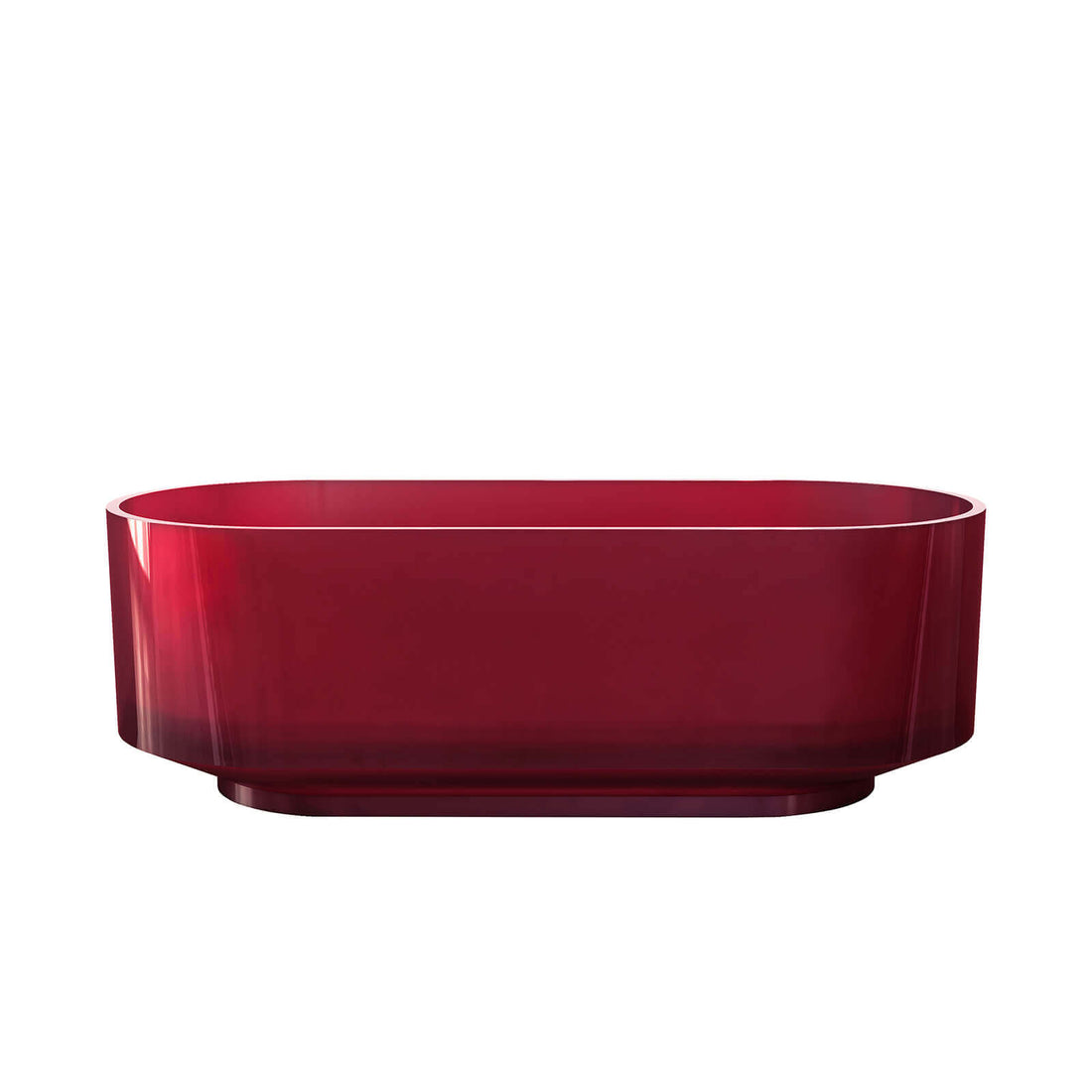
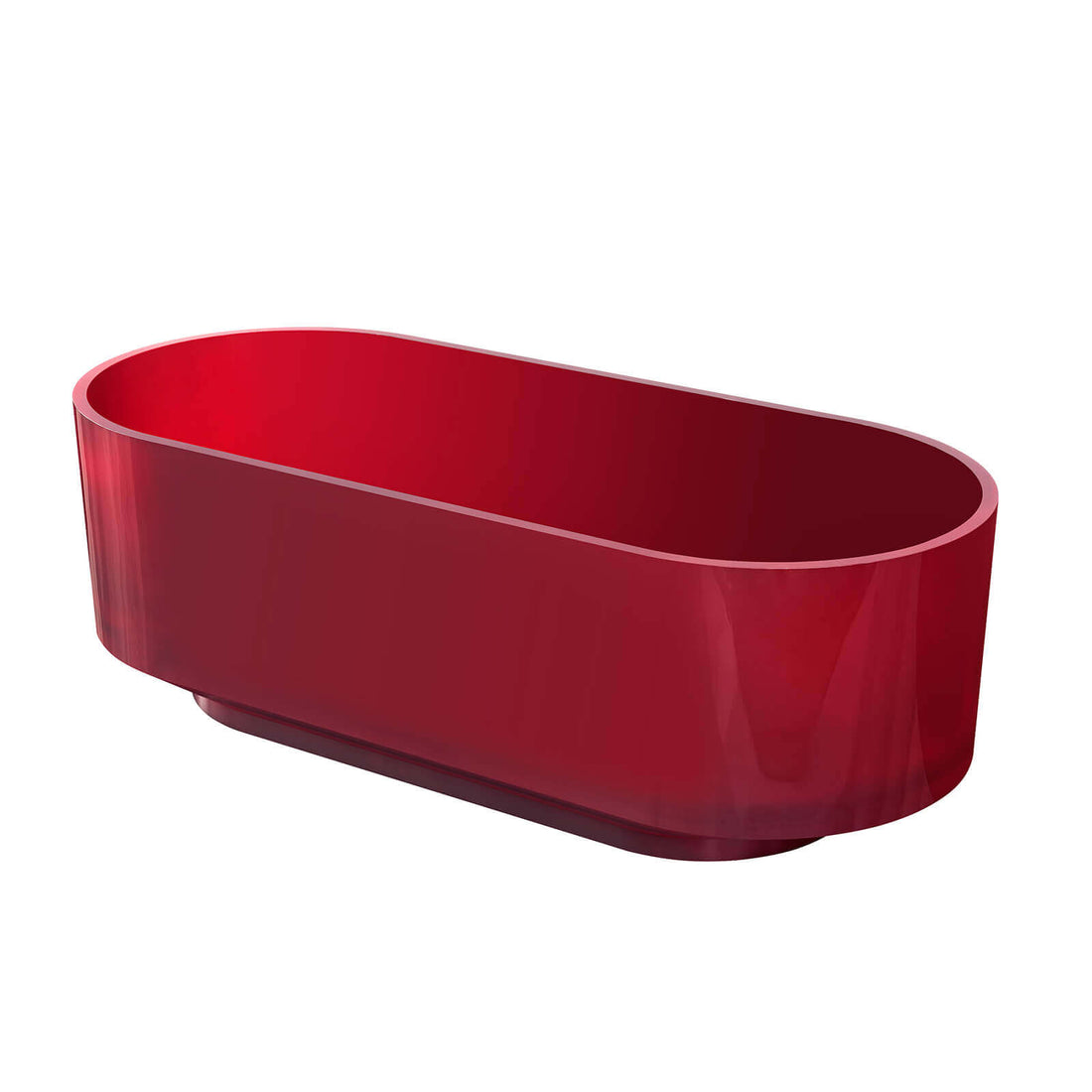 67" Kirschrot Badewanne aus massivem Mineralwerkstoff
- Regulärer Preis
-
$3,999.00 - Regulärer Preis
-
- Verkaufspreis
-
$3,999.00
Schnellansicht
-
170 cm Badewanne aus Massivoberflächenmaterial mit kiefernähnlicher Maserung
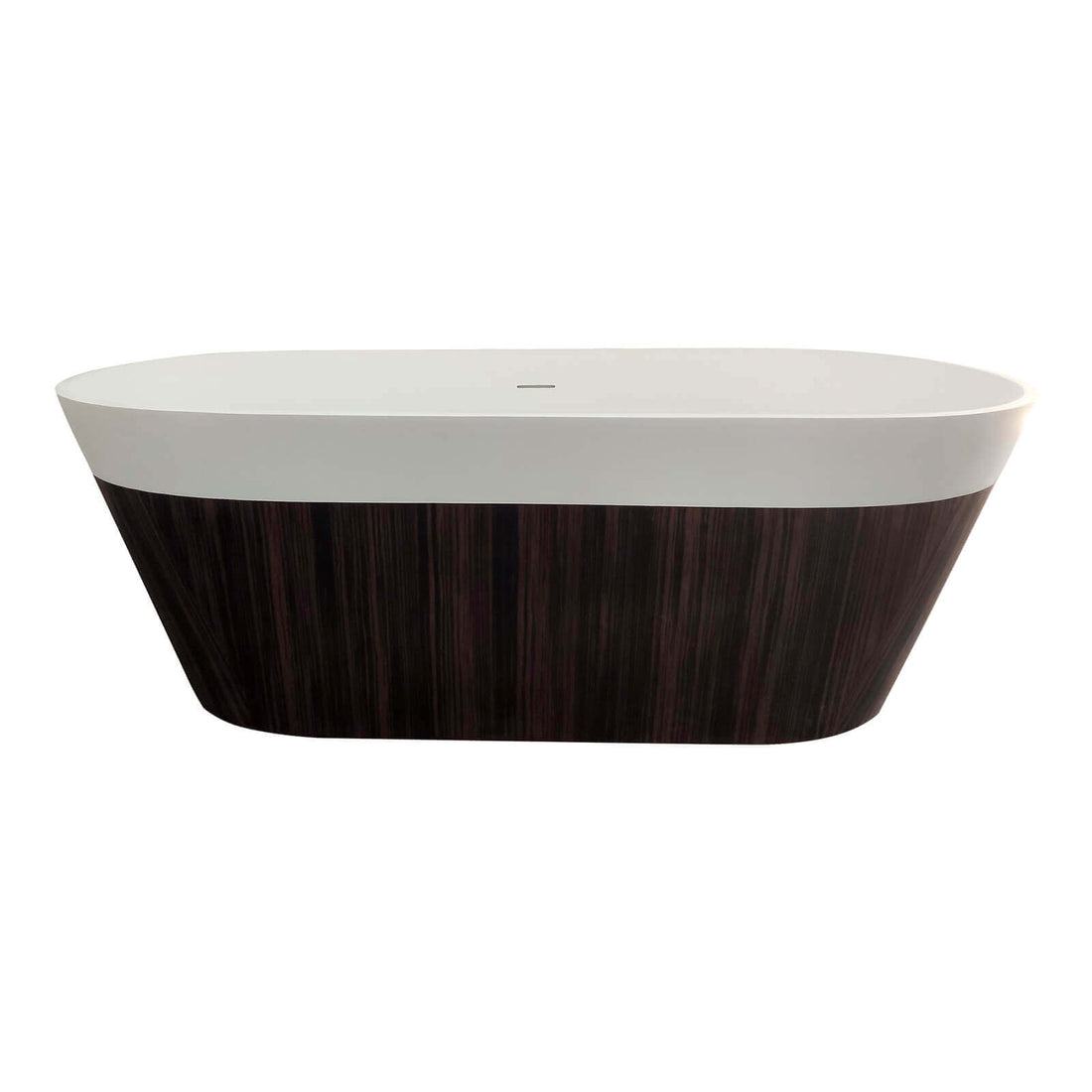
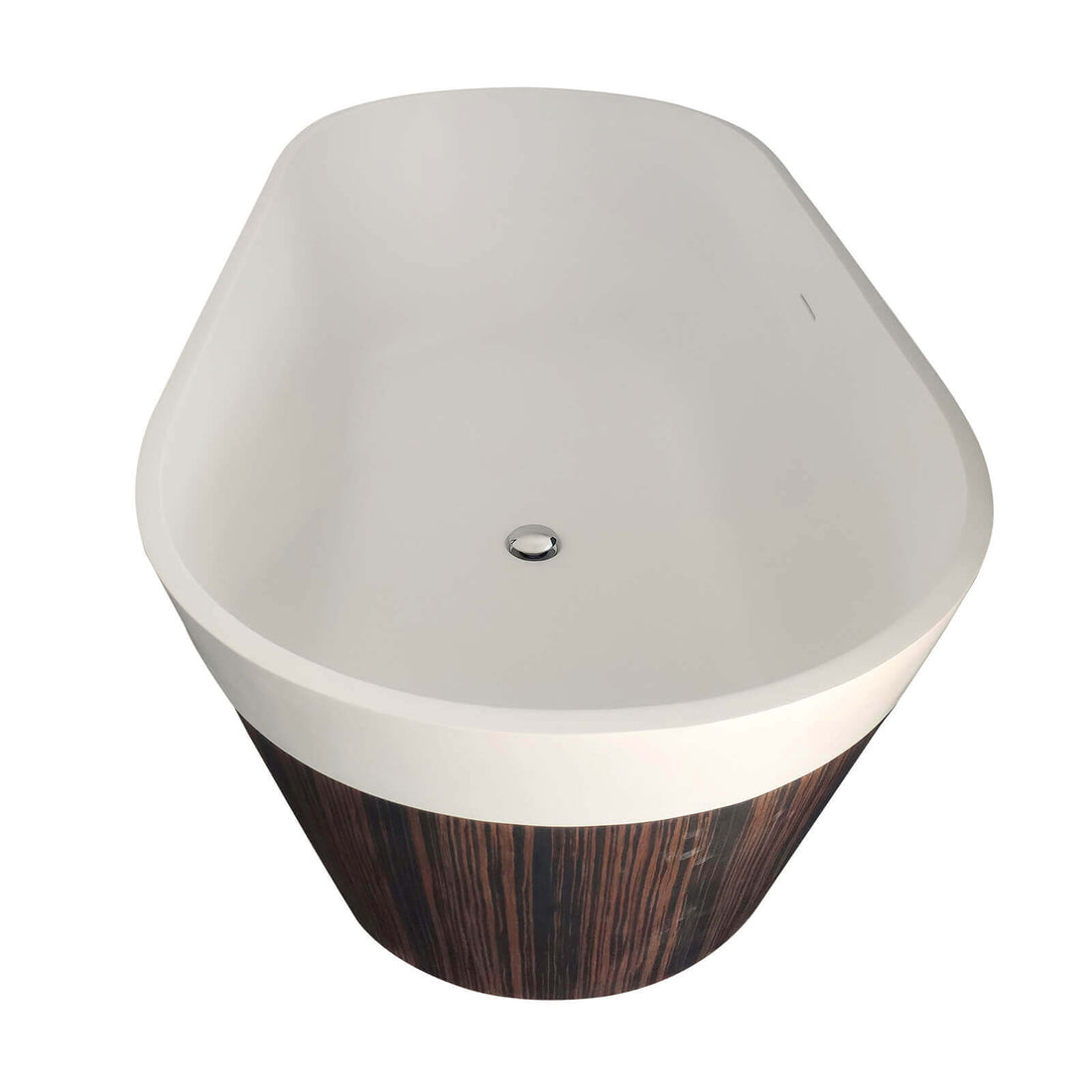 170 cm Badewanne aus Massivoberflächenmaterial mit kiefernähnlicher Maserung
- Regulärer Preis
-
$3,589.00 - Regulärer Preis
-
- Verkaufspreis
-
$3,589.00
Schnellansicht
-
63 Zoll Rechteckige Mineralguss Badewanne
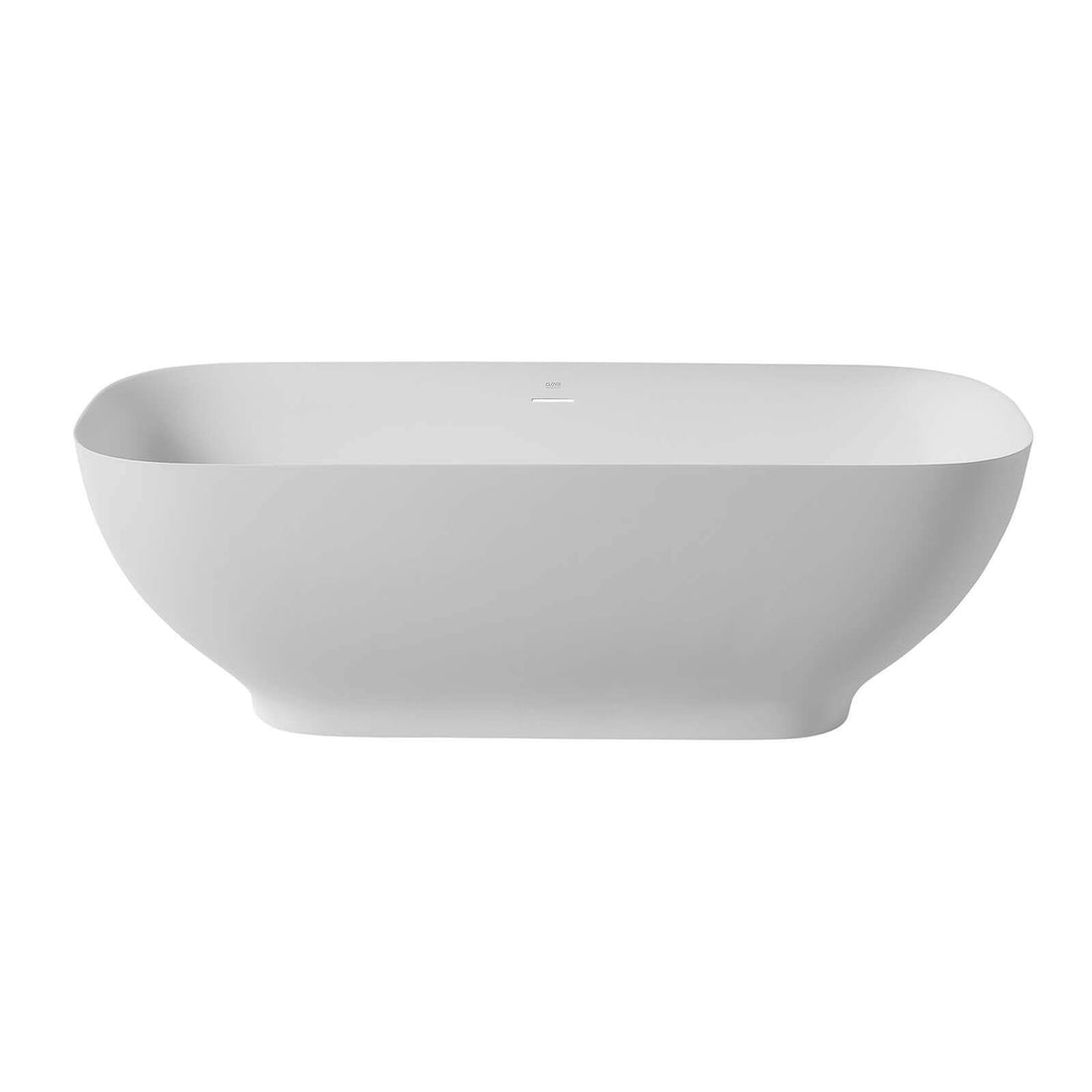
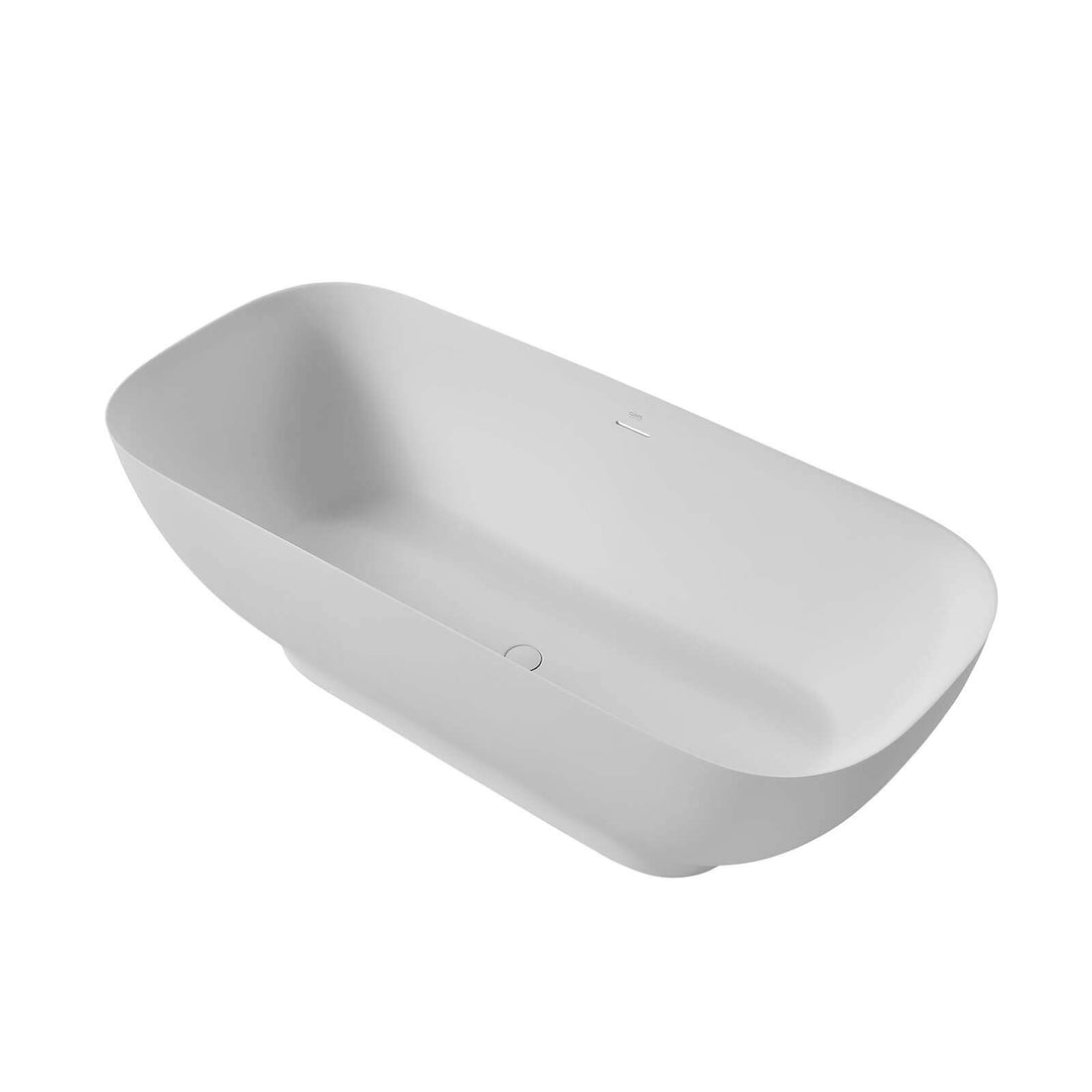 63 Zoll Rechteckige Mineralguss Badewanne
- Regulärer Preis
-
$2,399.99 - Regulärer Preis
-
$2,699.99 - Verkaufspreis
-
$2,399.99
Schnellansicht
-
66" Matteweiße Badewanne aus massivem Mineralguss in Ei-Form
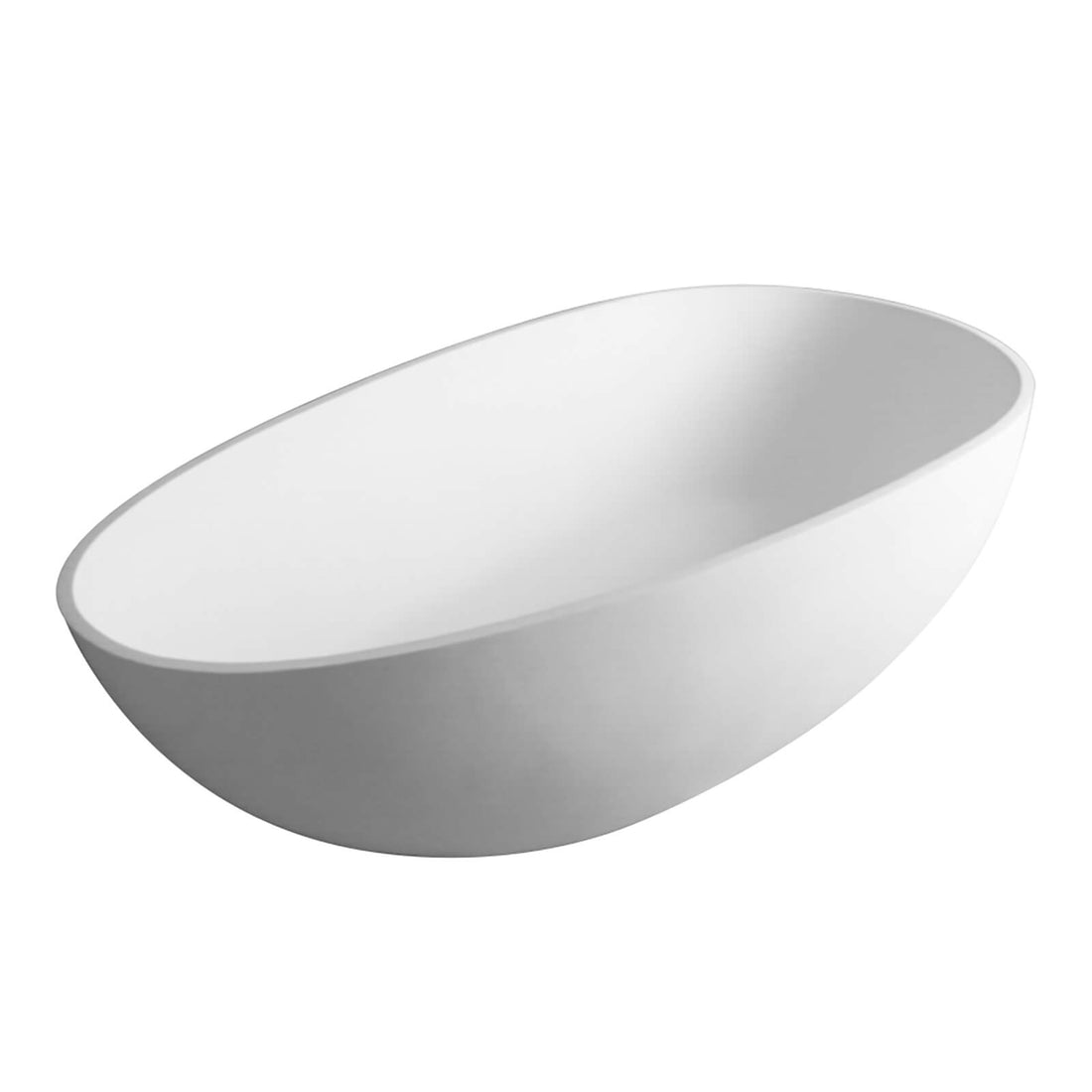
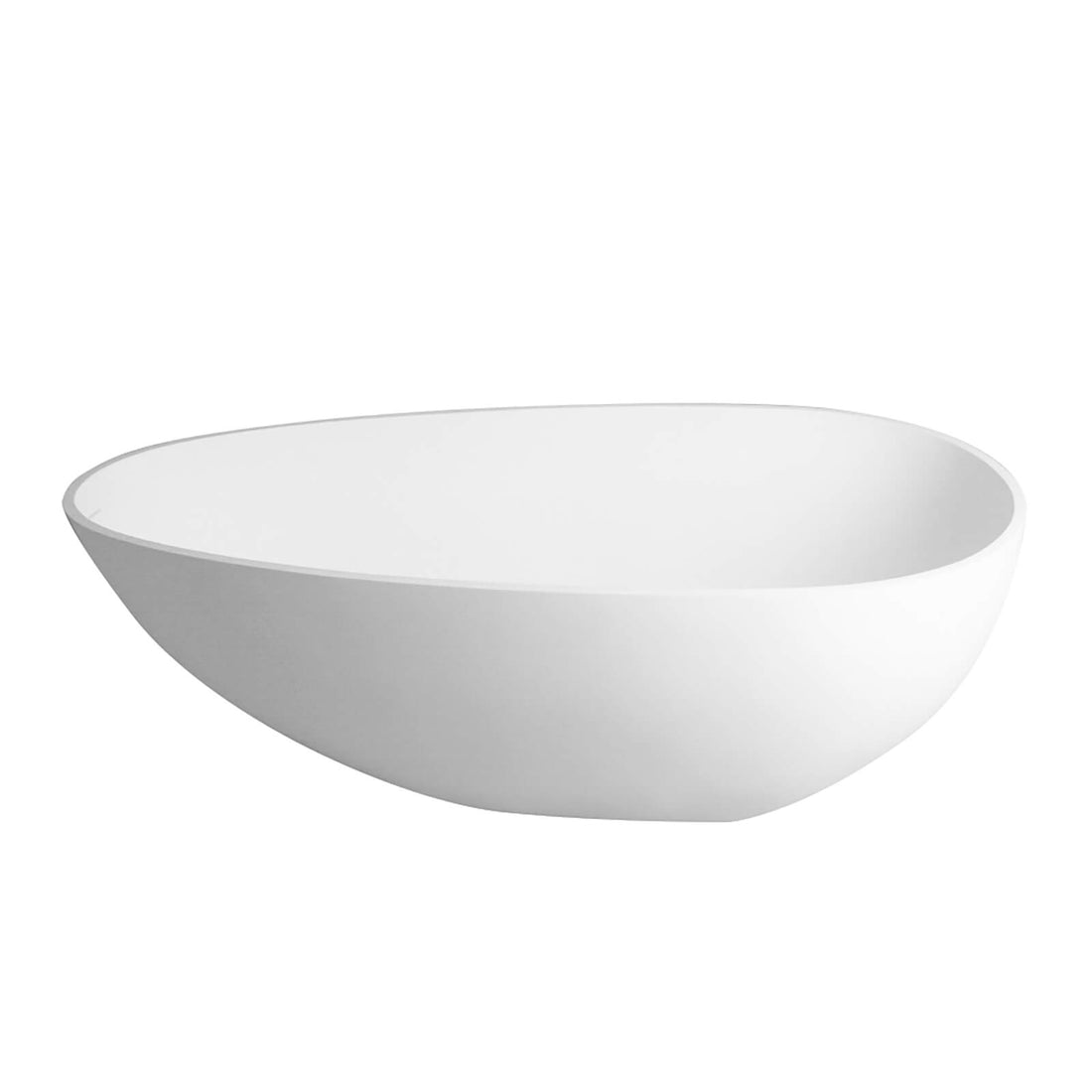 66" Matteweiße Badewanne aus massivem Mineralguss in Ei-Form
- Regulärer Preis
-
$2,530.00 - Regulärer Preis
-
$1,199.00 - Verkaufspreis
-
$2,530.00
Schnellansicht
Worauf Sie beim Kauf einer freistehenden Badewanne achten sollten
Based on Appearance
Depending on individual tastes and needs, there are various styles of freestanding bathtubs to choose from. Classic black and white models remain the most popular, as they can blend with almost any bathroom décor. For those seeking a more atmospheric touch, options like cherry red, concrete gray, or even transparent designs can be considered.
In addition to color, the shape of the bathtub is a significant factor. For larger bathrooms, oval and round shapes are ideal, serving as focal points in the space rather than being placed against the wall. For smaller bathrooms, rectangular and square designs are more suitable as they can align with the walls, maximizing space efficiency. Trendsetters might prefer egg-shaped or slipper designs, which not only fit modern aesthetics but also feature ergonomic backrests for added comfort.
Additionally, some homeowners may choose details like clawfoot, pedestal, or flat-bottom designs. These details not only impact the bathtub's appearance but also help it harmonize with the overall bathroom style.
Based on Material
Beyond aesthetics, the material of the freestanding bathtub affects its appearance, user experience, and cost. Acrylic bathtubs are often considered the most cost-effective choice due to their lightweight and excellent insulation properties, with prices typically under $1,000.
Solid surface bathtubs represent a more luxurious option, generally costing between $1,500 and $2,500. For homeowners seeking high-end bathroom renovations, this is a worthwhile investment due to its longer lifespan and repairability, with solid surface tubs potentially lasting around 15 years.
Other options include cast iron and copper bathtubs. Though less common, these can be ideal for those pursuing a vintage bathroom look. With proper maintenance, they can last over 50 years, though they come at a higher cost.
Based on Size
When selecting a freestanding bathtub, it’s crucial to consider its size to ensure compatibility with your bathroom. Although freestanding bathtubs can be installed freely, placing a large tub in a small bathroom is impractical as it can take up significant space and diminish the bathroom's functionality.
For average-sized bathrooms, a tub in the range of 61"-68" is recommended, as this is considered a standard size for freestanding bathtubs. Similarly, size considerations are important when purchasing other types of bathtubs to avoid high shipping costs due to incorrect sizing. To avoid mistakes, consider reading articles such as "What is the Standard Bathtub Size and How to Choose" and "How to Measure a Bathtub and What Dimensions Are Needed" before making your purchase.
Vorsichtsmaßnahmen bei der Verwendung einer freistehenden Badewanne
Although a freestanding bathtub is a worthwhile long-term investment, there are a few key considerations to keep in mind to extend its lifespan and enhance your experience.
First is the selection of the installation location. While freestanding bathtubs are favored for their flexibility, placing them haphazardly could affect the overall layout and functionality of your bathroom. As a large piece of furniture, the bathtub should be positioned where it won’t obstruct other furniture or pathways, ensuring a smooth flow of movement in the bathroom.
Secondly, since freestanding bathtubs are not attached to the wall, it’s essential to ensure that the floor is level and sturdy during installation to prevent shifting or tilting during use. Additionally, be mindful of the compatibility of the plumbing and drainage system, and regularly check for blockages or leaks to ensure smooth operation.
In daily use, you should choose appropriate cleaning methods and agents based on the bathtub material, avoiding strong acidic or alkaline products. Most freestanding bathtubs have a smooth surface, but exposure to corrosive liquids could damage it. If you've purchased a solid surface bathtub, it has some self-repair capabilities. For minor surface imperfections, you can gently sand the affected area with sandpaper to restore the surface. For detailed instructions, refer to "How to Repair Surface Scratches on a Stone Resin Bathtub".
Beenden
Freistehende Badewannen bieten eine perfekte Mischung aus Stil, Funktionalität und Entspannung. Egal, ob Sie eine Vintage-Klauenfußwanne oder ein modernes ovales Design bevorzugen, es gibt eine freistehende Badewanne, die Ihr Badezimmer in einen luxuriösen Rückzugsort verwandeln kann. Berücksichtigen Sie die verschiedenen Typen, Materialien und Faktoren, die beim Kauf einer freistehenden Badewanne eine Rolle spielen, um sicherzustellen, dass sie Ihren spezifischen Bedürfnissen und Vorlieben entspricht. Mit der richtigen freistehenden Badewanne können Sie eine ruhige Oase schaffen, in der Sie sich nach einem langen Tag entspannen und erholen können.
Weitere Ideen
-

How to Choose a Medicine Cabinet: A Complete Buying Guide
Is your bathroom vanity counter crowded with toothpaste, skincare products, and other daily essentials? Maybe your current medicine cabinet doesn’t have enough room for everything you need. A well-chosen medicine...
-

10 Modern Bathroom Design Ideas for a Spa-Like Retreat
The bathroom is one of the few spaces in the home that can be restorative. The right materials, fittings, and finishes can turn a merely functional room into a spa-inspired...
-

How Private Is a Transparent Bathtub? Factors That Affect Privacy
A transparent bathtub can be a striking addition to a bathroom, especially if you like a light, open look. But one practical question may come up before you buy: How...
-

How to Clean and Maintain a Transparent Bathtub
A transparent bathtub can add a distinctive look to a bathroom with its clear, translucent, or tinted appearance. However, many homeowners wonder whether this type of bathtub requires more maintenance...
-

Transparent Resin Bathtub Guide: How to Choose the Right One
The appeal of a transparent resin bathtub comes from the way it interacts with light and its surroundings, creating a unique look that stands out in the bathroom. However, choosing...
-

What Is a Transparent Bathtub and Is It Worth Buying?
As homeowners look for more distinctive ways to update their bathrooms, bathtubs are increasingly becoming part of the room's overall design rather than simply a functional fixture. Clear, translucent, and...


