
Most users purchasing bathtubs seek to enhance their soaking experience, which depends on various factors, one of which is the reclining angle. An appropriate reclining angle ensures users remain relaxed and enjoy their soak. Due to differing user preferences, bathtubs with various reclining angle designs are available, typically ranging from 90° to 130°. So, which angle suits you best?
What is the Best Bathtub Inclination Angle
When considering the appropriate bathtub inclination angle to suit individual needs, it's important to understand that there is no one-size-fits-all solution. Everyone has different habits and bodily characteristics, which is why there are various angle designs available in the market. Therefore, when selecting the optimal angle, comfort should always be the starting point. You can test different inclination angles to find the one that best suits you.
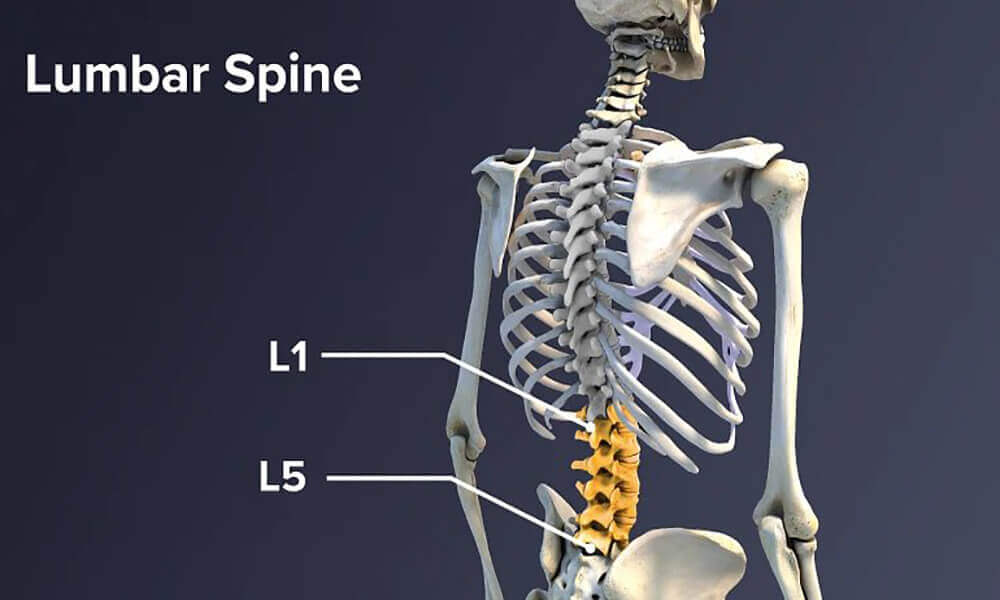
It's most important to consider any potential health or physical conditions. The inclination angle of the bathtub directly affects the lumbar spine, which consists of five naturally inward-curving vertebrae located in the lower back. For users with back issues, the best choice is an ergonomic bathtub with built-in lumbar support features designed to promote the natural curvature of the spine while sitting.
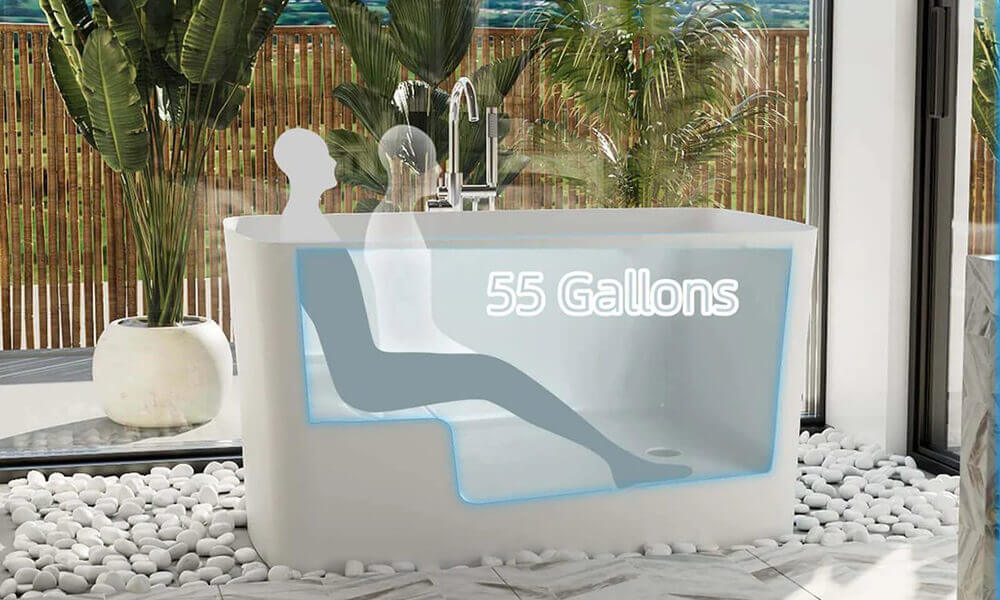
Additionally, taking into account the user's body shape and size is crucial. Taller and larger individuals might require a greater incline angle to avoid feeling cramped in the bathtub, while shorter and smaller users might find a gentler incline angle more relaxing. For those who prefer long soaking sessions, a sit-in bathtub is recommended.
Finally, if you have any further questions, feel free to contact Giving Tree Home customer service. Simply provide your requirements and body information, and we'll recommend the most suitable products for you!
-
63" / 67" / 71" Solid Surface Stone Resin Freestanding Soaking Bathtub Comfortable Backrest Design
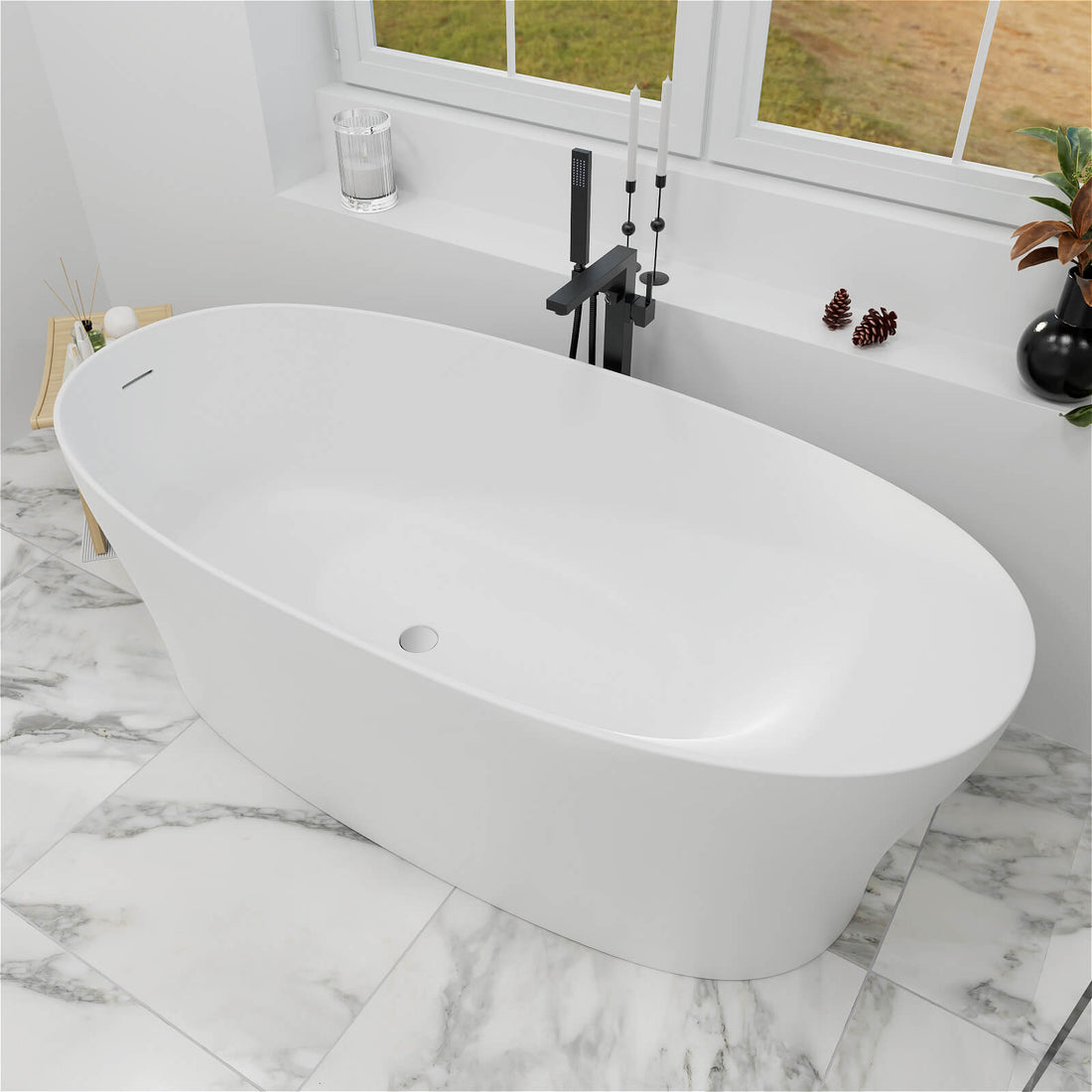
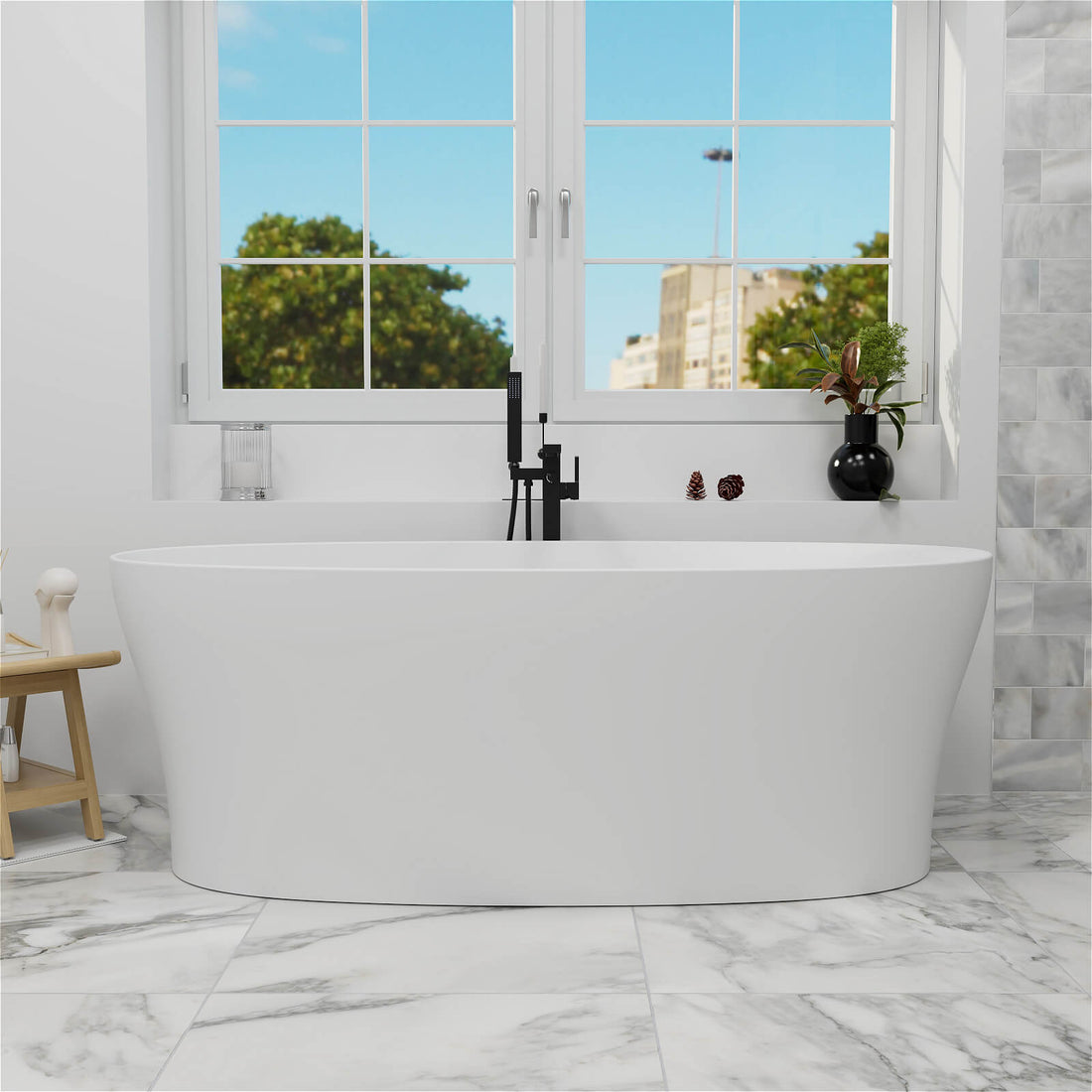 63" / 67" / 71" Solid Surface Stone Resin Freestanding Soaking Bathtub Comfortable Backrest Design
- Regular price
-
From
$1,399.99 - Regular price
-
$2,999.99 - Sale price
-
From
$1,399.99
Quick view
-
59" Modern Freestanding Bathtub, Solid Surface Stone Resin Oval Soaking Tub, Ergonomic Design
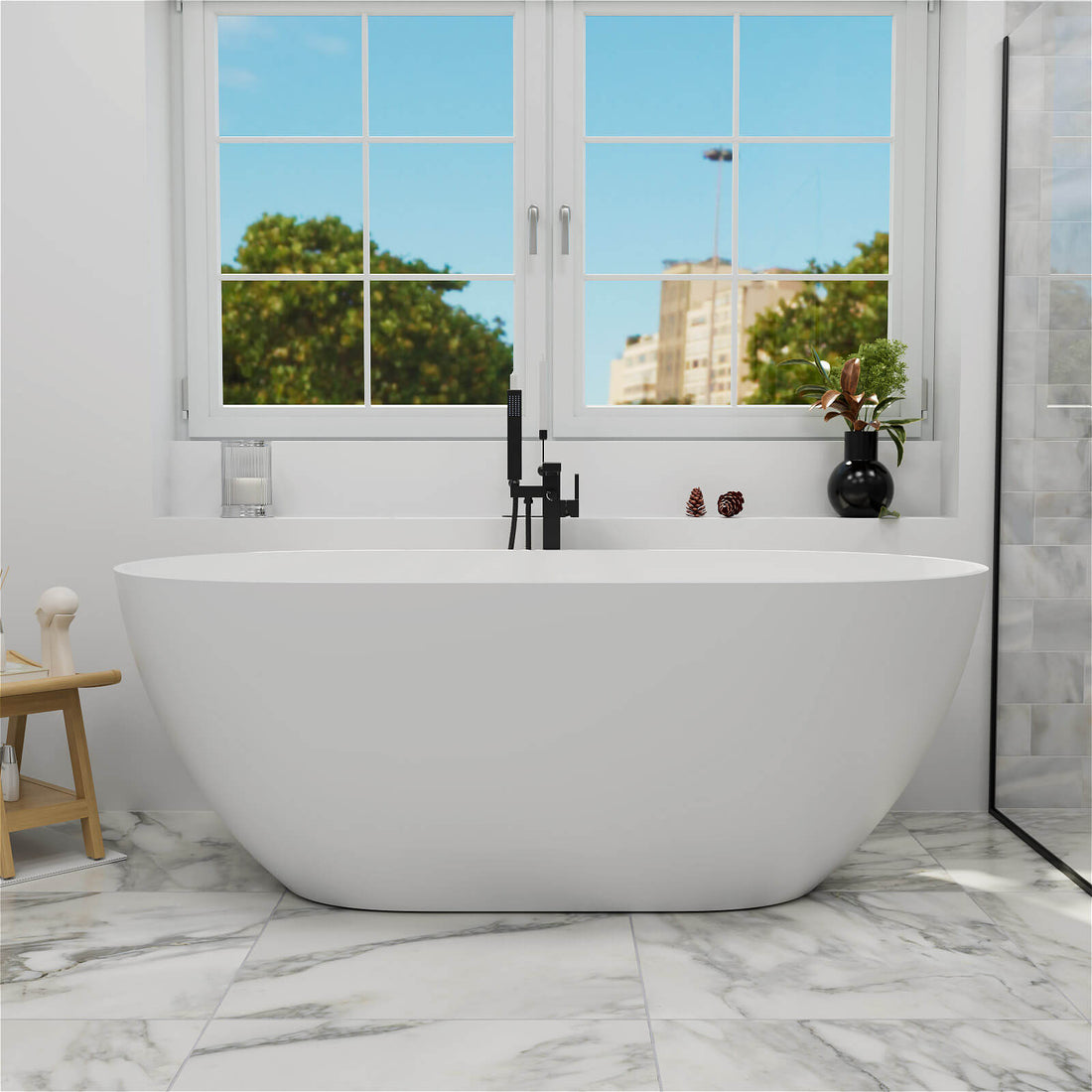
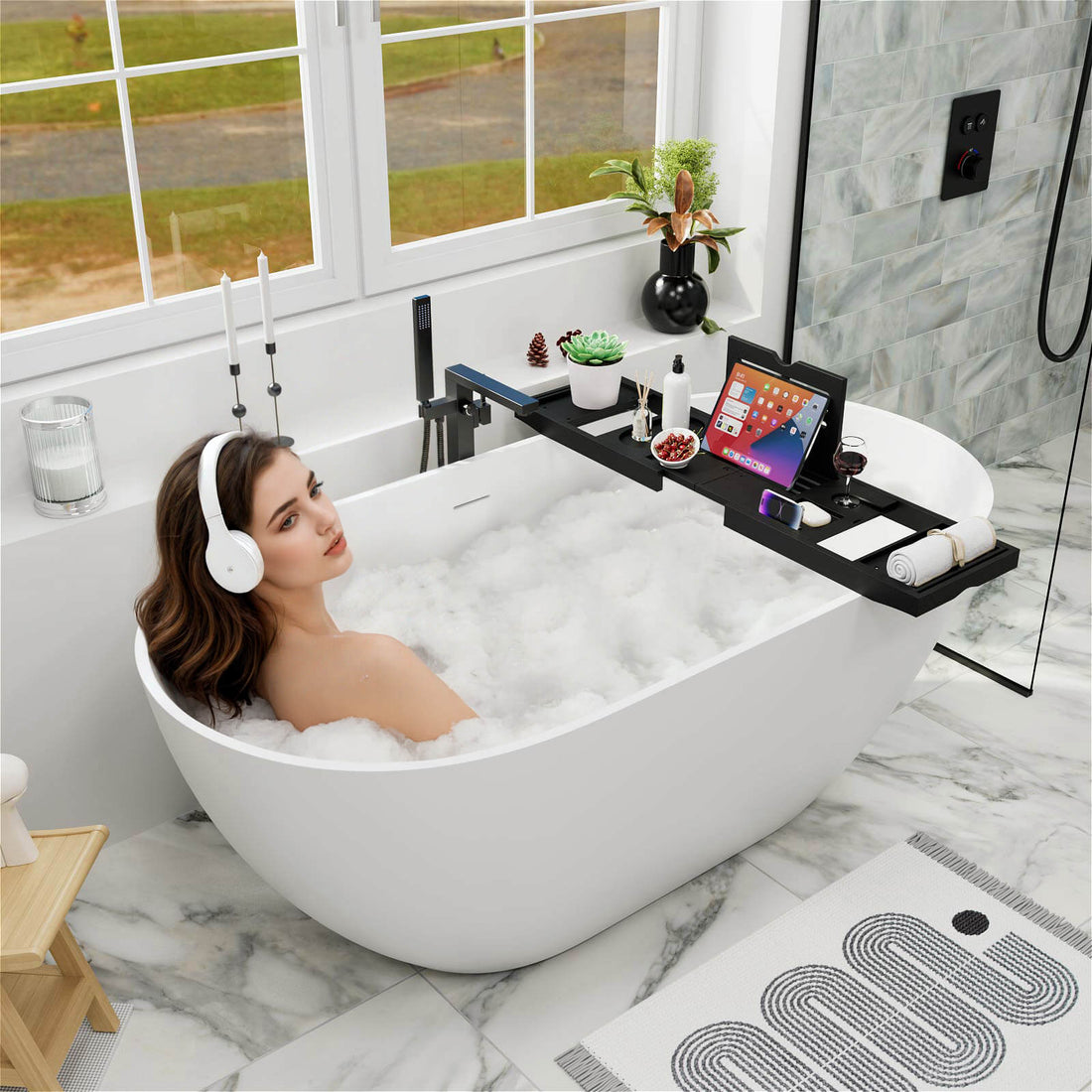 59" Modern Freestanding Bathtub, Solid Surface Stone Resin Oval Soaking Tub, Ergonomic Design
- Regular price
-
From
$1,599.99 - Regular price
-
$2,299.99 - Sale price
-
From
$1,599.99
Quick view
-
59" Single Slipper Tub Solid Surface Stone Resin Freestanding Soaking Bathtub with Pop-up Drain and Overflow
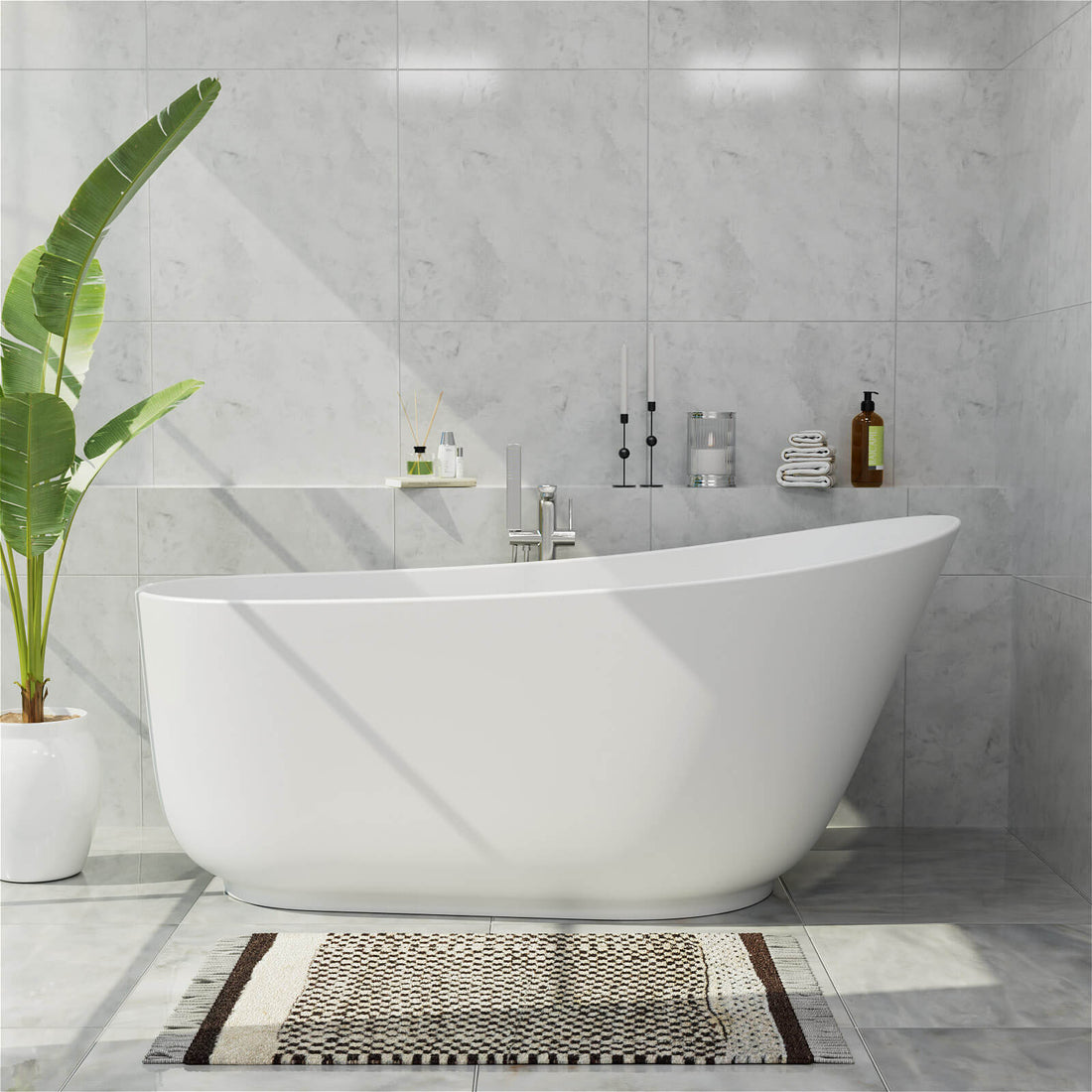
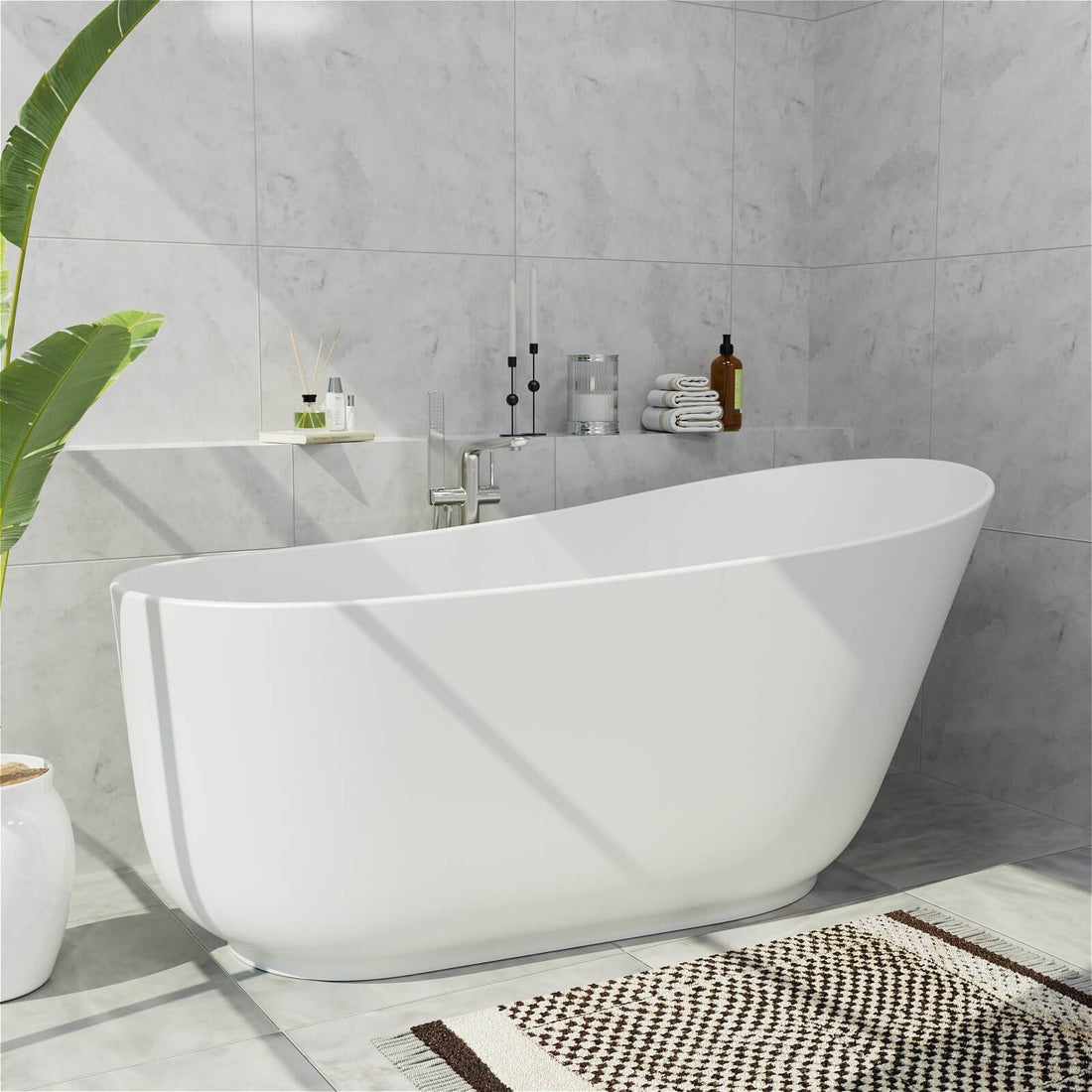 59" Single Slipper Tub Solid Surface Stone Resin Freestanding Soaking Bathtub with Pop-up Drain and Overflow
- Regular price
-
$1,899.99 - Regular price
-
$2,999.99 - Sale price
-
$1,899.99
Quick view
-
47" Solid Surface Stone Resin Freestanding Japanese Soaking Bathtub with Built-in Seat
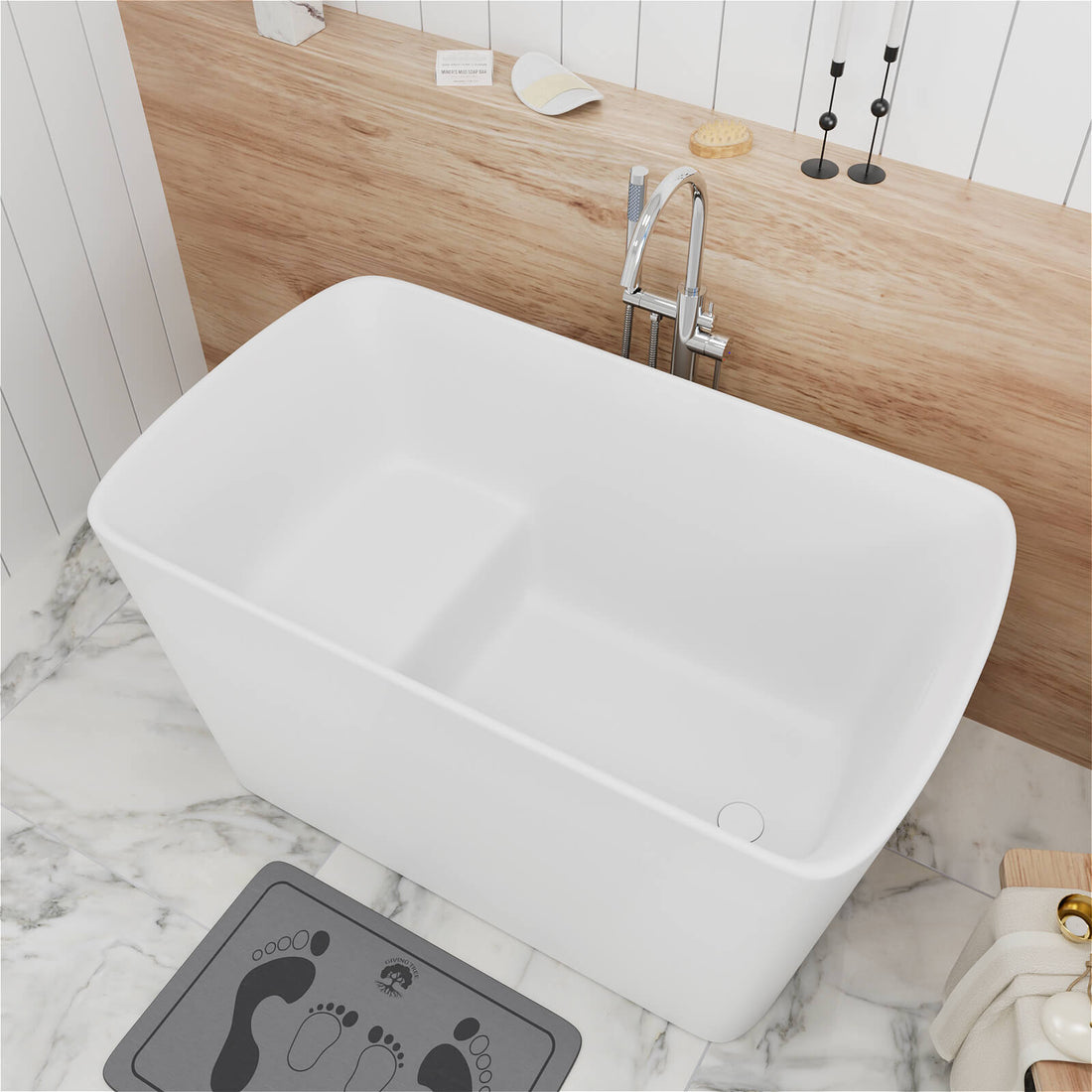
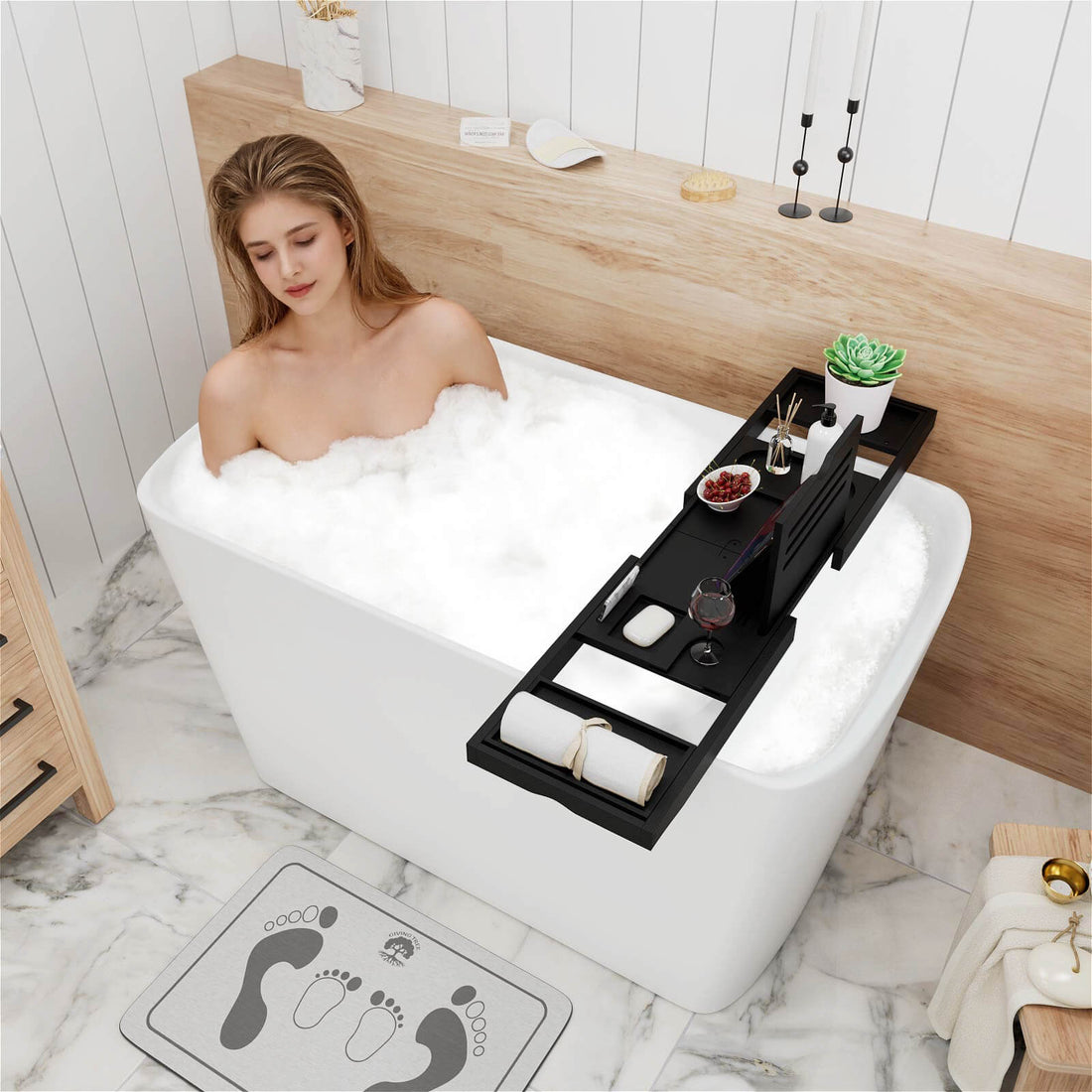 47" Solid Surface Stone Resin Freestanding Japanese Soaking Bathtub with Built-in Seat
- Regular price
-
$1,699.99 - Regular price
-
$2,499.99 - Sale price
-
$1,699.99
Quick view
Bathtub Inclination Angle Measurement
When it comes to determining the ideal inclination angle for your bathtub, relying solely on visual estimation can often lead to inaccuracies due to the subtle differences in angles. Therefore, it's essential to know how to measure accurately. Fortunately, this process is straightforward and requires only basic tools that you likely already have on hand.
-
Needed
- Protractor
- Tape measure
- Water level
-
Begin
It's crucial to understand what exactly we're measuring in a bathtub. The inclination angle refers to the slope on which the user's back rests. In some bathtubs, the internal angle may differ from the external angle, so it's important to account for this discrepancy to obtain accurate measurements.
-
Instructions
Locate the Points of Measurement: Identify two points where the backrest of the tub meets the base and where it meets the rim at the top.
Position the Level: Place the level on a flat surface within the tub to establish a horizontal reference line, ensuring the tub is level.
Measure the Angle: Using the reference line, measure the slope angle of the tub and record it as the external angle.
Calculate the Interior Angle: Remember, we're interested in the internal angle. To determine this, subtract the external angle from 180 degrees.
-
PS
It's important to note that in a bathtub filled with water, the body will experience some buoyancy, altering the feel of the inclination angle compared to when the bathtub is dry.
When evaluating the comfort of your tub's inclination, take this buoyancy effect into account and aim for an angle that compensates for it without compromising comfort.
You may opt for a slightly steeper angle than what feels comfortable in a dry tub to accommodate the buoyancy of your body in the water.
How to Adjust Bathtub Inclination Angle
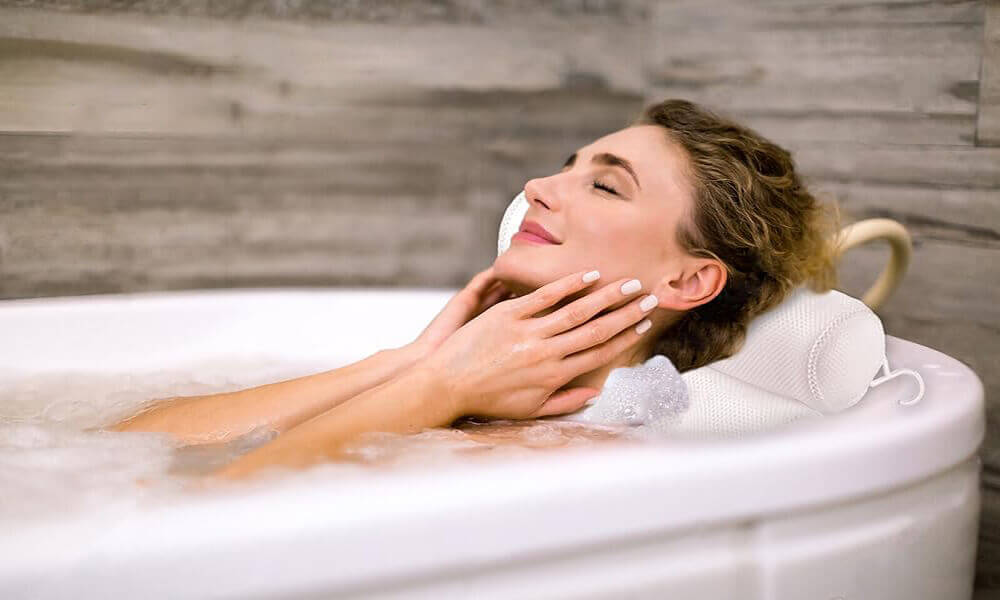
Modern bathtubs are not just designed for comfort; they also serve as a canvas for innovative design concepts that meet all comfort requirements without feeling like military-grade tanks. At Giving Tree Home, we prioritize ergonomic design, ensuring that our bathtub products support your body in a naturally comfortable posture, thus reducing pressure on the neck and shoulders.
However, if you've purchased a poorly designed bathtub from elsewhere and experience discomfort due to the inclination angle, adjustments may be necessary!
Our best advice is to invest in bathtub accessories such as backrests or pillows, which can be adjusted by 15° to 30° to suit your preferred level of comfort. Opt for backrests made of materials like wood, as they prevent slipping, especially when using bath oils or soaps.
Ending
Carefully considered bathtub inclination angles can make the tub both attractive and practical, whereas neglecting this aspect may result in a clunky and unappealing appearance. Therefore, at Giving Tree Home, we place great emphasis on ensuring that our bathtubs are both inviting and stylish, striking a balance between aesthetics and functionality. This design philosophy has positioned us as leaders in the bathroom furniture industry, prioritizing harmony between form and function.
More Ideas
-

How to Choose the Right Bathroom Vanity Mirror Size Correctly
Choosing the right bathroom vanity mirror size is one of the most important decisions in a bathroom renovation, yet it is often made at the last minute. In many projects...
-

Bathtub Overflow Drain: Complete Guide to How It Works and Maintenance
A bathtub overflow drain is an essential safety feature built into most modern bathtubs. Although small and easy to overlook, it plays a vital role in preventing water from overflowing...
-

The Impact of Interior Finishing Details on Home Aesthetics
Creating a beautiful home involves much more than selecting furniture, paint colors, or flooring. The most visually appealing interiors often succeed because of the smaller details that bring every element...
-

Stone Resin vs Solid Surface Bathtub: Which One to Choose?
Choosing the right freestanding tub can completely change the feel of a bathroom. For many homeowners comparing premium soaking tubs, the biggest question comes down to one decision: stone resin...
-

Freestanding Tub Splash Solutions That Actually Work
A beautiful freestanding tub can completely change the look of a bathroom. It creates a spa-style focal point and adds a luxury feel that built-in tubs rarely match. But one...
-

Floating Toilet vs Floor Mounted Toilet: Which Saves More Space?
When planning a modern bathroom remodel, one of the most common layout questions homeowners ask is floating toilet vs. floor-mounted toilet: which actually saves more space? The answer is more...


