
Das schnelllebige Tempo des modernen Lebens hat viele Menschen sowohl körperlich erschöpft als auch geistig gestresst zurückgelassen, wodurch ein Bedarf an effektiven Möglichkeiten zum Entspannen und Erholen entstanden ist. In diesem Zusammenhang haben sich japanische Badezuber als ideale Wahl für Haushalte weltweit erwiesen. Diese tiefen und einzigartig gestalteten Badewannen bieten ein warmes Badeerlebnis, das sich sowohl auf die körperliche als auch auf die geistige Entspannung konzentriert und sich von einem einfachen Badezimmeraccessoire zu einem Lifestyle-Luxus entwickelt. Wenn dies Ihre erste Begegnung mit japanischen Badezubern ist, begleiten Sie Giving Tree Home, während wir das fesselnde Design und die Essenz dieser bemerkenswerten Kreation erkunden!
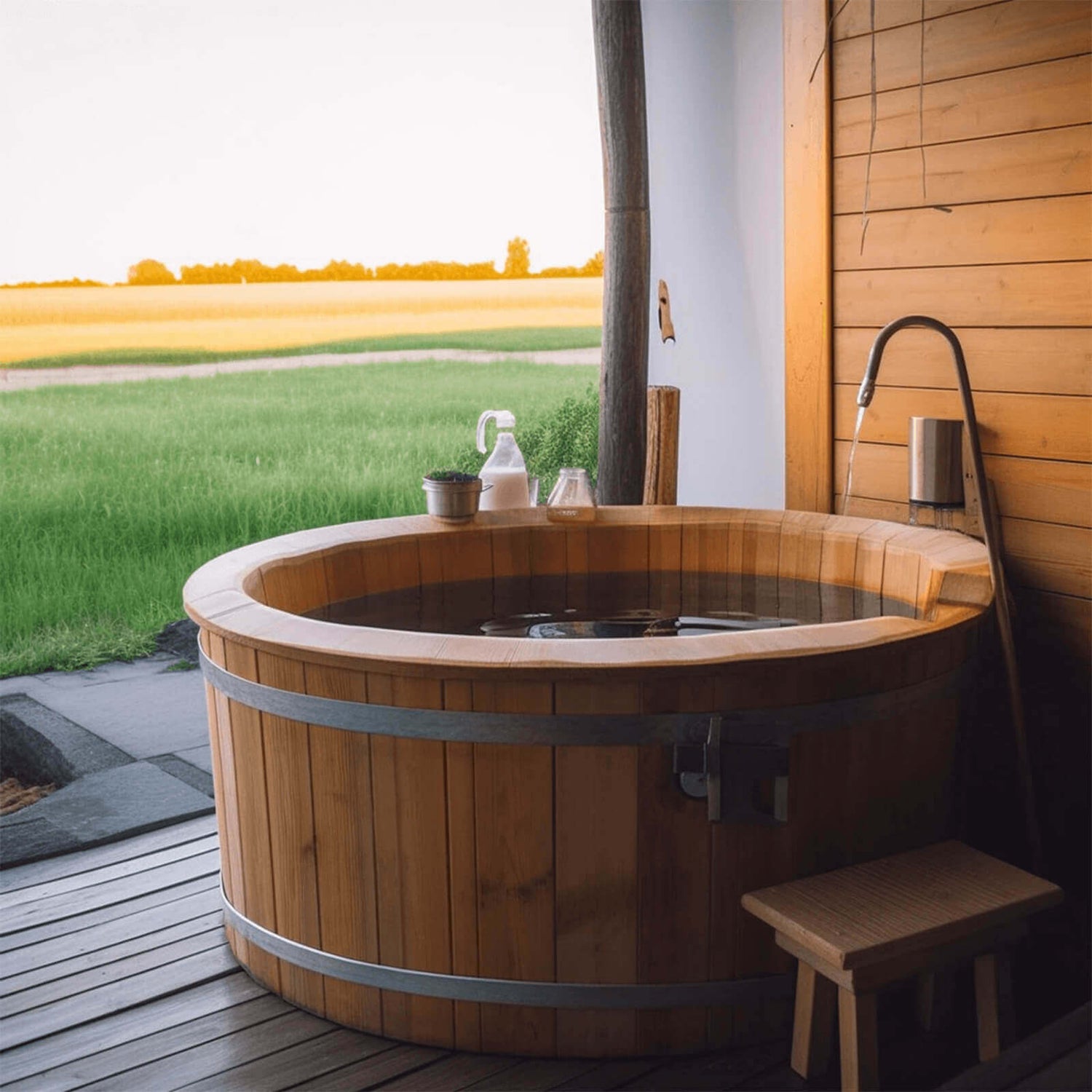
Was ist eine japanische Badewanne (Ofuro)?
Eine japanische Badewanne, inspiriert vom traditionellen japanischen „Ofuro“, verkörpert Elemente der Entspannung und Meditation, die tief in der japanischen Kultur verwurzelt sind. Diese Badewannen sind unverwechselbar gestaltet – tief und kompakt, nehmen oft nur wenig Platz ein. Im Gegensatz zu westlichen Badewannen, die zum Liegen konzipiert sind, sind japanische Badewannen so gefertigt, dass Benutzer aufrecht sitzend darin baden können. Die meisten japanischen Badewannen bieten eine Badetiefe von etwa 19 Zoll (von der Basis bis zum Überlauf), wodurch der Wasserspiegel bis zur Schulterhöhe reichen kann. Dies sorgt für ein intensiveres und umfassenderes Entspannungserlebnis und hilft, Stress und Müdigkeit aus dem Alltag zu lindern.
Darüber hinaus legen diese Badewannen Wert auf die Verwendung von heißem Wasser, das typischerweise bei höheren Temperaturen (ca. 104–108 °F) gehalten wird, ein Merkmal, das eng mit Japans traditioneller Badekultur verbunden ist. Der Zweck des heißen Wassers geht über die Reinigung hinaus – es hilft, Stress abzubauen, die Durchblutung zu verbessern und das allgemeine Wohlbefinden zu fördern.
Wie sieht eine japanische Badewanne aus
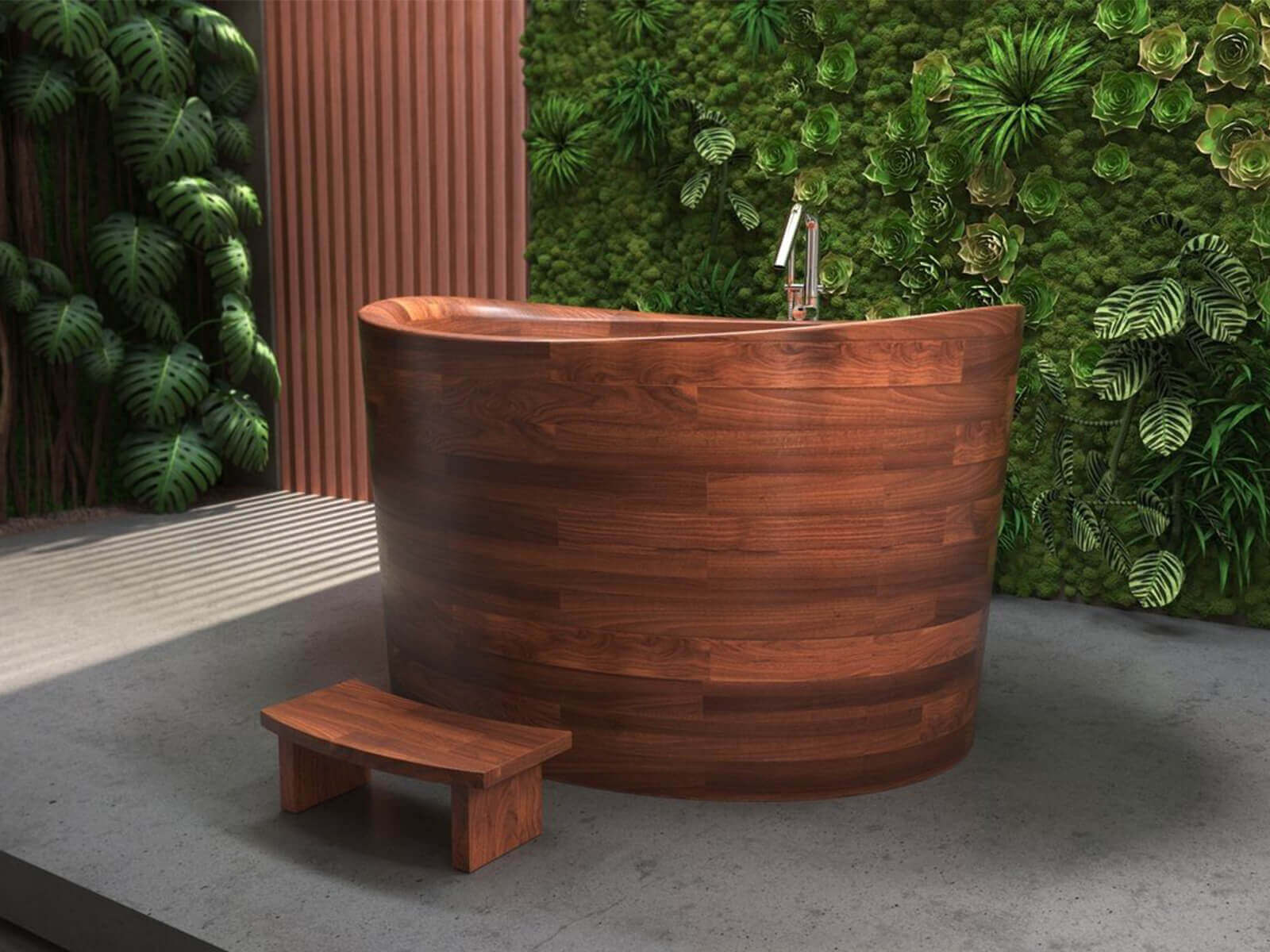
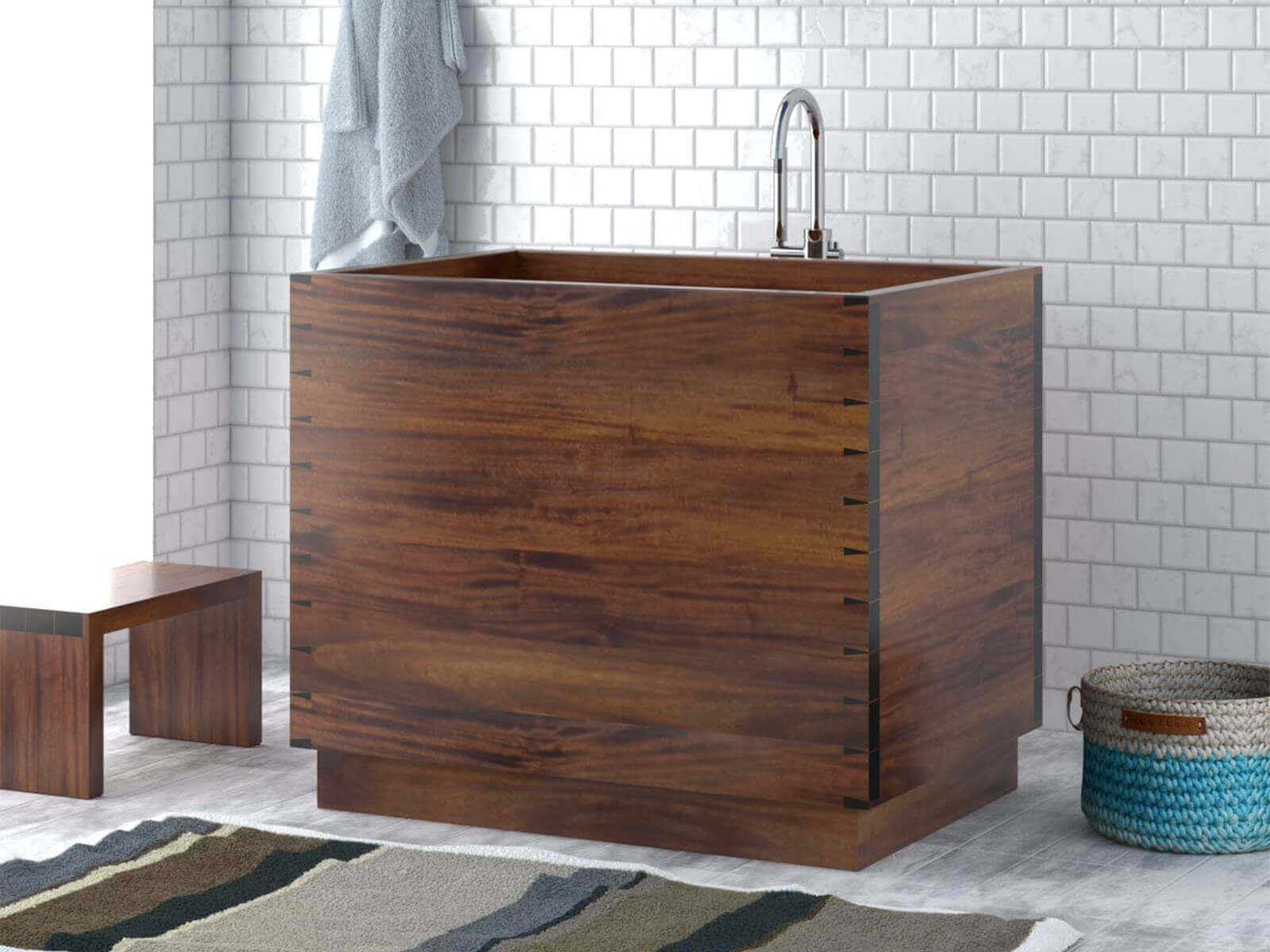
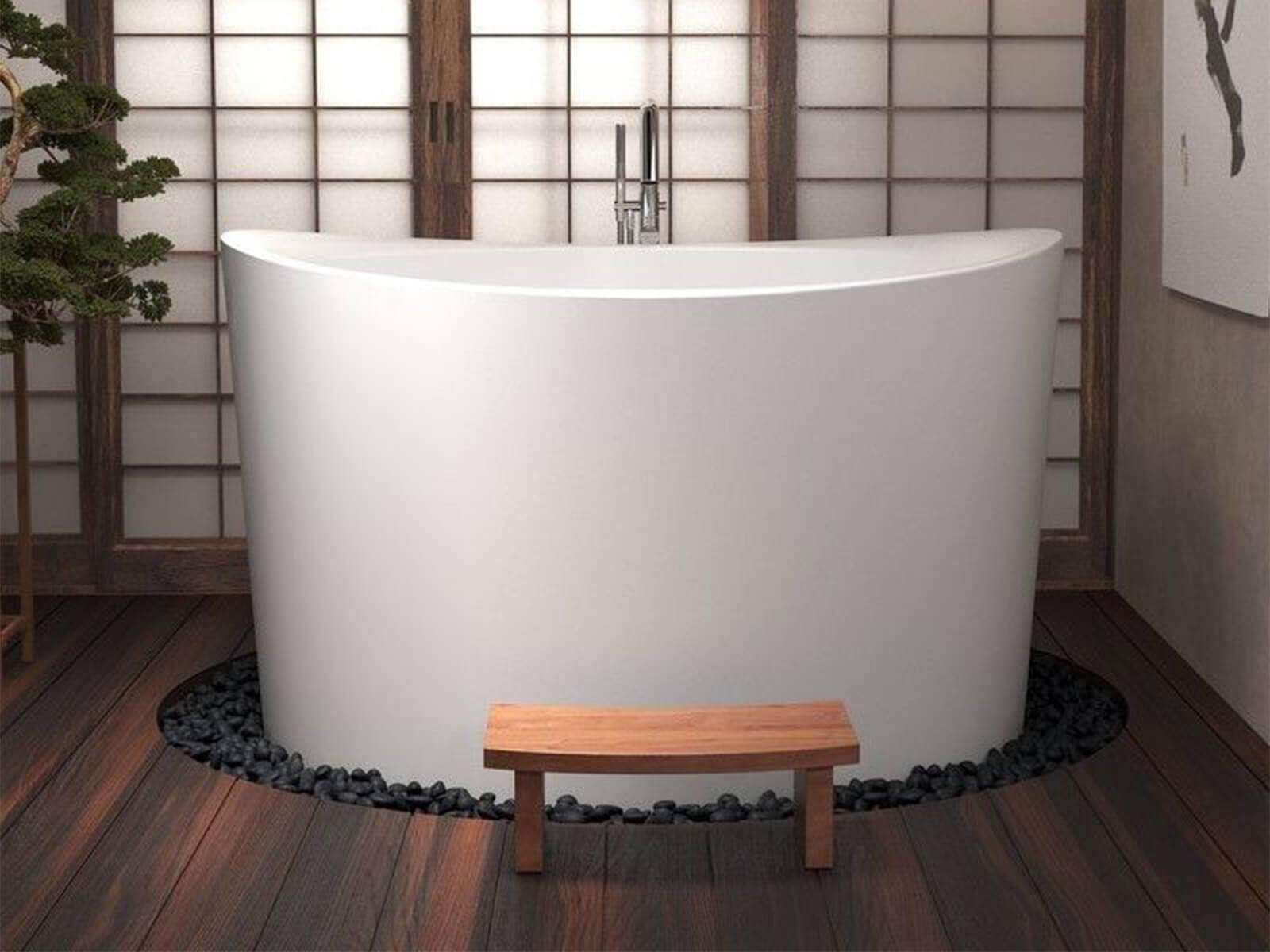
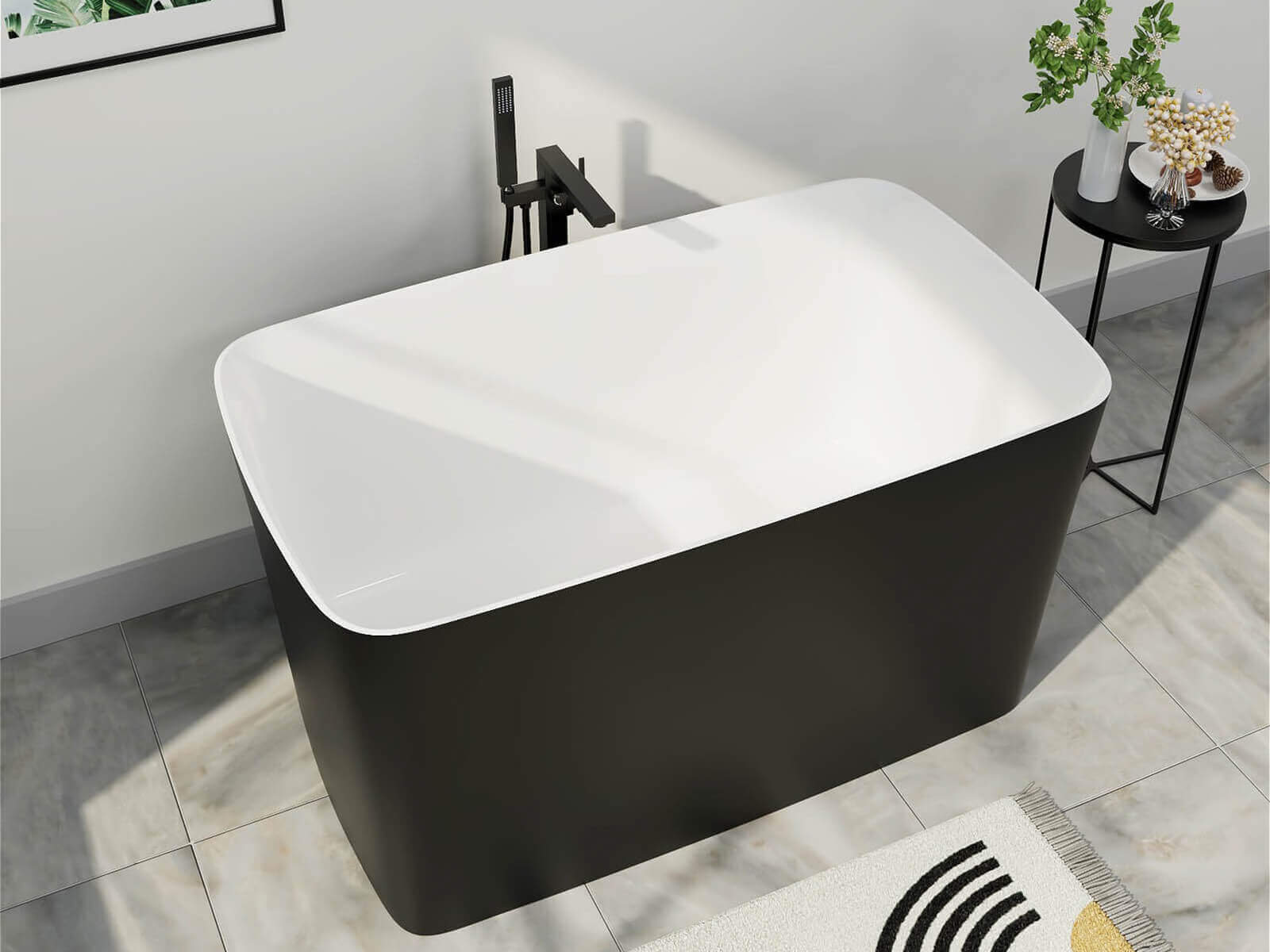
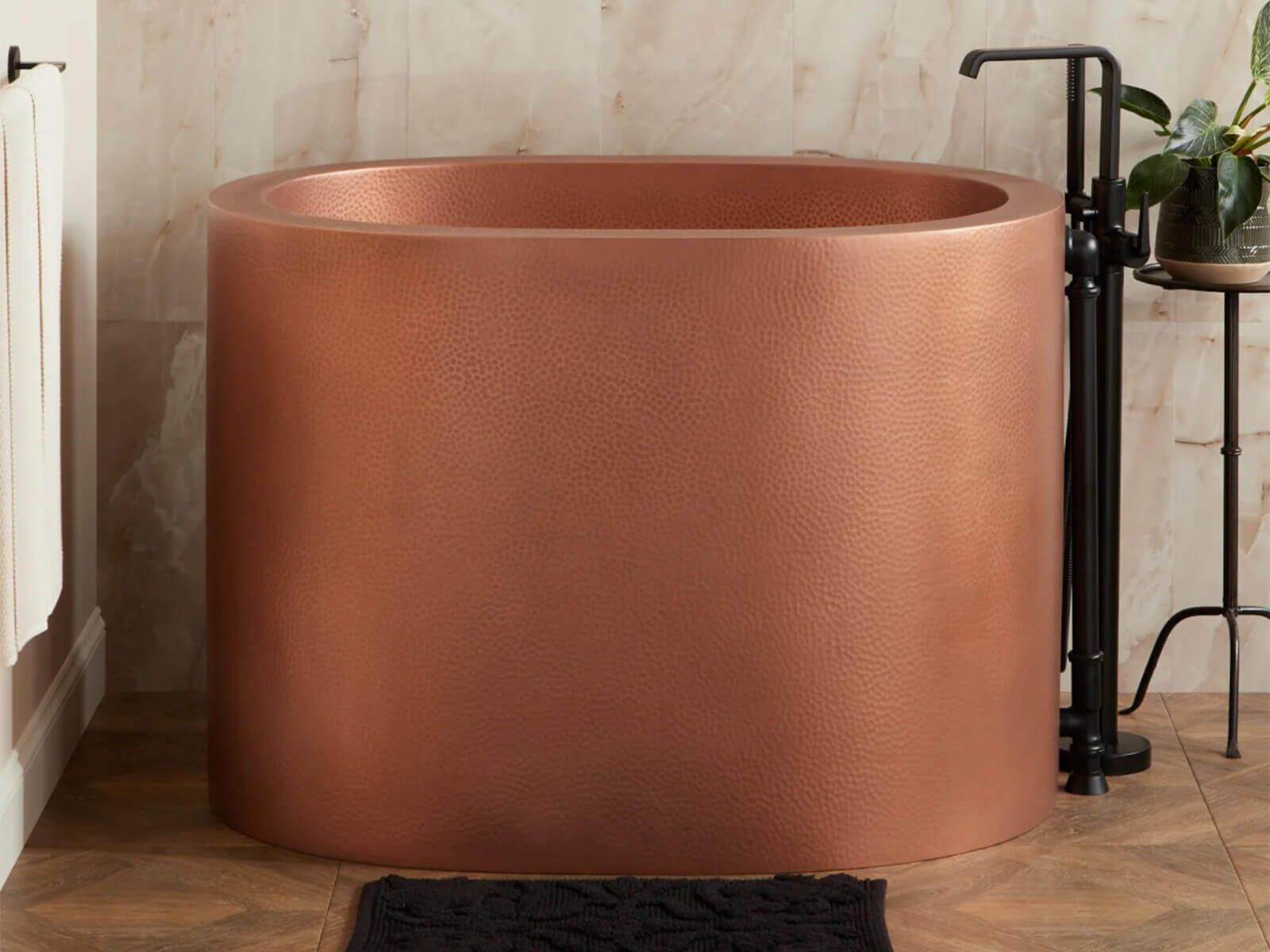
Japanese soaking tubs showcase a diverse range of designs, blending traditional elements with modern aesthetics. Traditional Ofuro tubs are often crafted from natural woods like hinoki, cedar, or sandalwood, emphasizing the natural grain and texture of the material. For example, the natural tones of hinoki or cedar exude a warm and organic atmosphere. Over time, demand has led to the development of products made from various materials with more extensive color options, with black and white being the most popular for their simplicity and elegance. Copper-based Japanese soaking tubs, with their distinctive brass hues, add a touch of timeless, vintage charm.
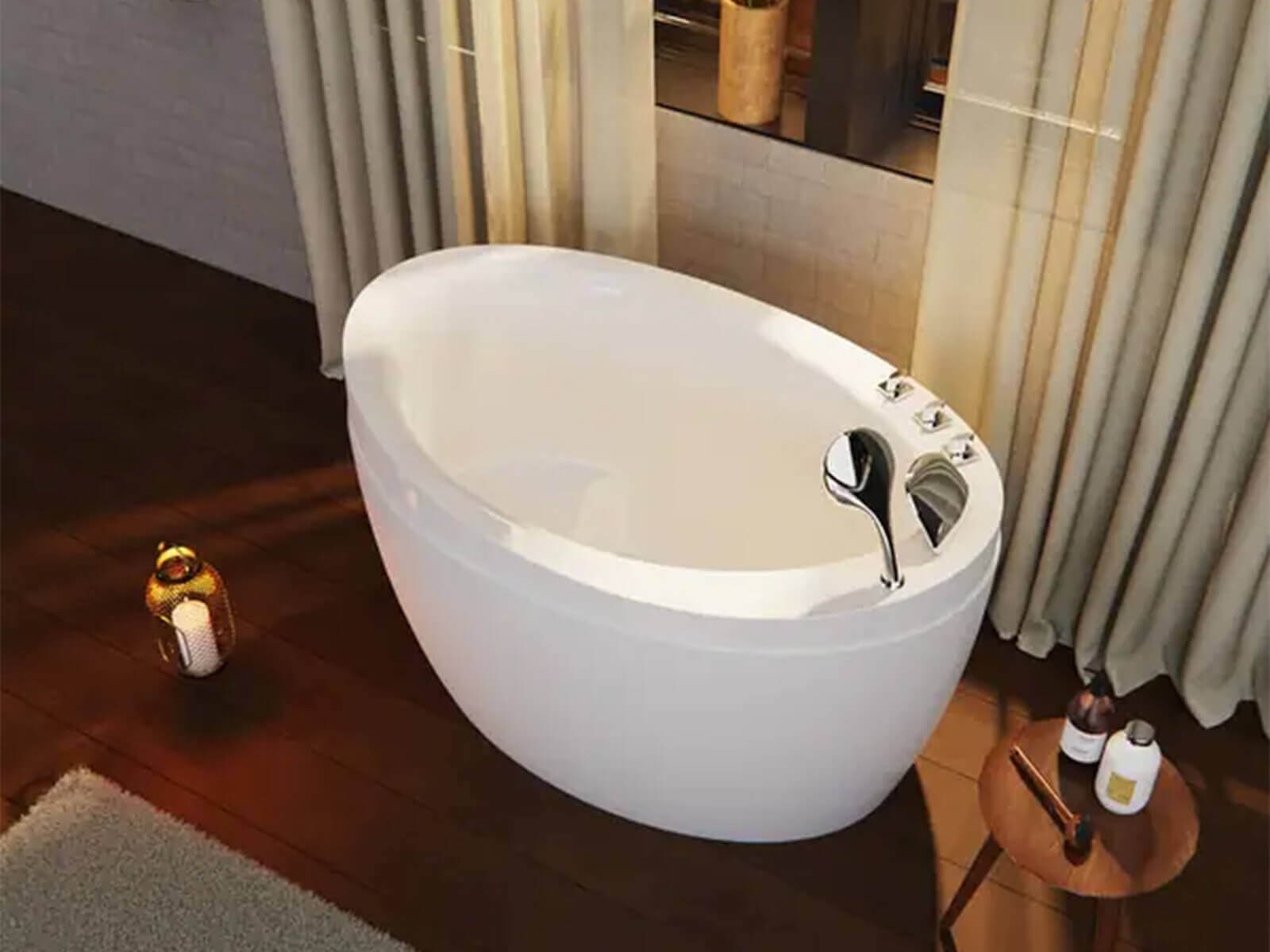
From a structural perspective, wooden Japanese soaking tubs are typically designed with a panel construction, giving the appearance of being assembled from multiple wooden boards and showcasing the craftsmanship of traditional artisans. In contrast, modern materials like acrylic or stone often feature a seamless design with smooth surfaces and flowing lines, highlighting the sophistication of contemporary manufacturing techniques. As for shapes, Japanese soaking tubs commonly adhere to minimalist principles, favoring round or square forms. Round tubs often featuring thicker edges and resembling a wooden barrel, evoke a strong sense of traditional Japanese aesthetics and are typically freestanding designs. Square tubs, on the other hand, are versatile, available in both freestanding and built-in styles to accommodate varying space and design needs.
However, as functional demands have increased, the design of Japanese soaking tubs has evolved beyond their traditional static forms. High-tech iterations may include features like massage jets, hydrotherapy systems, and other smart elements, offering a more comprehensive bathing experience. Consequently, appearance alone no longer fully defines a Japanese tub, as its designs and functionalities continue to expand in response to the diverse needs of consumers, showcasing endless possibilities.
Ursprünge der japanischen Badewanne zum Eintauchen
The origins of the Japanese soaking tub are deeply rooted in Japan's hot spring culture, which itself stems from the country's unique geographical and historical background. As a nation with many volcanoes, Japan is blessed with abundant natural hot springs, whose mineral-rich waters help relieve muscle fatigue, improve blood circulation, and promote overall health. Since ancient times, hot springs have been an integral part of Japanese society, enjoyed by everyone from the common people to the nobility as places for rest and relaxation.
In Japanese culture, bathing is not just a way to relax the body and mind but also carries deep social and spiritual significance. Ancient hot springs were considered sacred places, often built near shrines, where bathing was seen as a ritual for purifying the body and spirit and drawing closer to the divine. Over time, this tradition evolved into a popular practice for all social classes. Hot spring inns became gathering spots, not only for rest but also for socializing, and even led to the development of unique bathing etiquette and culture, such as the necessity of cleaning the body before entering the hot springs to maintain water cleanliness. This rigorous bathing culture also influenced the later development of home bathtubs.

With urbanization and the expansion of living spaces, the concept of hot springs gradually permeated domestic life, leading to the emergence of home bathtubs, such as the "Ofuro" mentioned earlier. These wooden tubs not only retain heat but also exude a subtle wooden fragrance, further enhancing the soaking experience.
Given the uniqueness and wide appeal of Japan's hot spring culture, the "Ofuro" gradually expanded beyond Japan and entered international markets. In countries that prioritize quality of life and health experiences, the deep design and functionality of the Japanese soaking tub quickly won the favor of consumers. Its minimalist yet elegant aesthetic complements modern home styles, and the complete relaxation it offers through deep immersion has become an indispensable part of many people's daily lives.
Moderne japanische Badewannen vs. traditionelle Ofuro
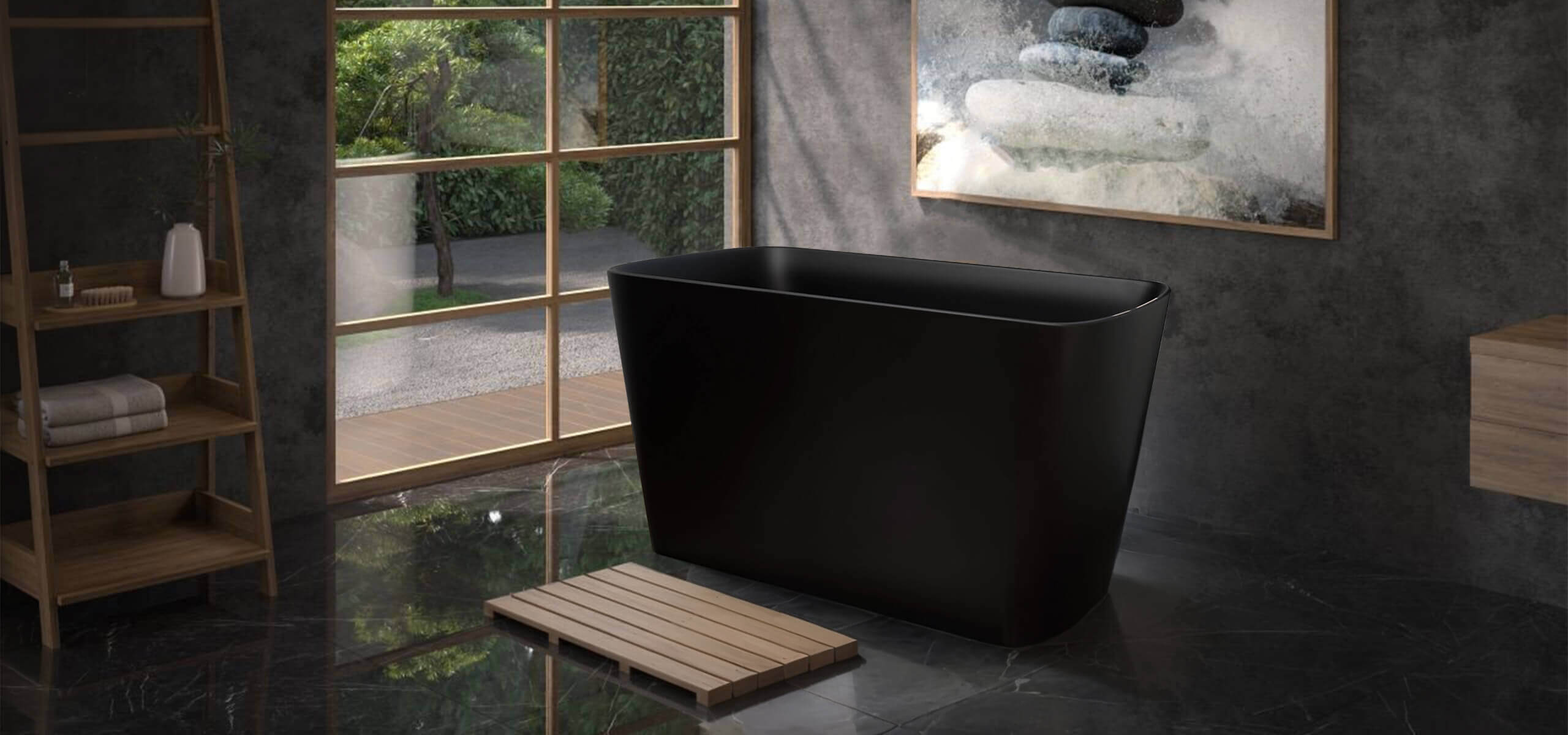
While both modern Japanese soaking tubs and traditional Ofuro tubs maintain the concept of deep immersion and uphold the core values of Japan’s bathing culture, there are significant differences in materials, functionality, and design aesthetics between the two.
Evolution of Materials and Craftsmanship
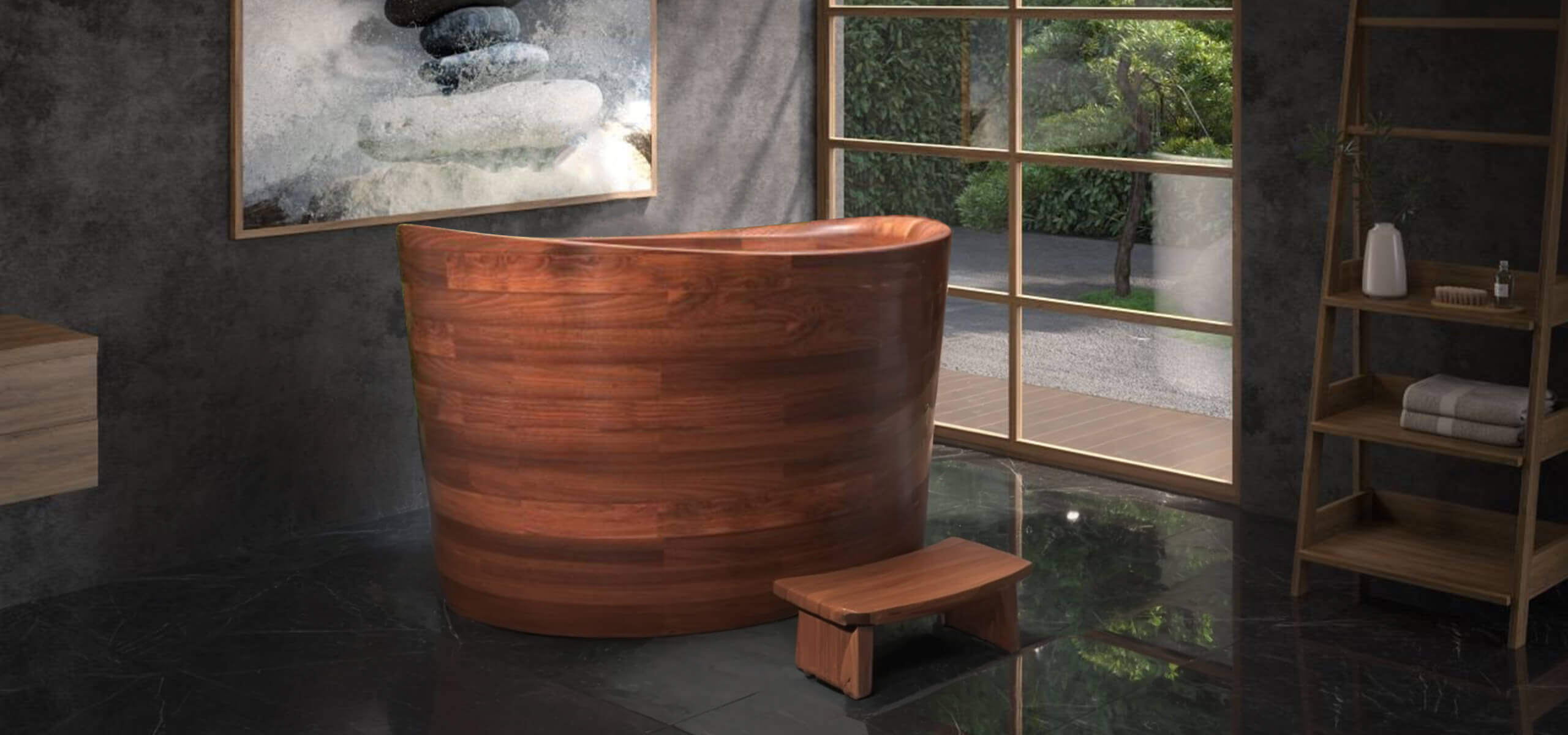
Traditional Ofuro tubs are primarily made from natural woods, such as cypress, cedar, and sandalwood. These woods not only provide a natural fragrance but also offer good heat retention properties. The craftsmanship involved in making each tub gives it a unique texture and cultural ambiance. However, wooden materials require high maintenance, especially in high-humidity environments where cracking or warping may occur, demanding more care from the user.
In contrast, modern Japanese soaking tubs have undergone material innovations, using ceramics, acrylic, stainless steel, and composite materials. These modern materials have distinct advantages, such as higher durability, easier cleaning, and suitability for a variety of design aesthetics.
Additionally, the integration of modern manufacturing techniques has led to more standardized production, ensuring stable product quality and significantly lowering manufacturing costs. Traditional Ofuro tubs can cost up to $10,000, whereas some acrylic Japanese soaking tubs may cost less than $1,000. This substantial cost reduction makes the allure of Japanese soaking tubs accessible to a broader range of consumers.
Expansion of Functionality
Traditional Ofuro tubs are designed mainly for soaking, emphasizing relaxation through the enveloping effect of hot water. However, they do not accommodate the bathing function, mainly due to the use of natural wood, which can absorb chemicals from bath products like soap and shower gel. This can lead to mold, unpleasant odors, or deterioration of the wood. As a result, users of traditional Ofuro tubs typically need to clean their bodies thoroughly outside the tub before soaking.
In comparison, modern Japanese soaking tubs significantly overcome these limitations. The use of modern materials like ceramics, acrylic, and stainless steel ensures that these tubs do not absorb chemicals and eliminates concerns about mold, enabling them to accommodate both bathing and soaking needs. Furthermore, some models incorporate temperature-regulated heating functions, solving the problem of water cooling and extending the comfort time for soaking.
Evolution of Aesthetic Design
Traditional Ofuro tubs are often constructed with planks of wood, making it difficult to diversify their shapes. As a result, they usually maintain the appearance of a wooden barrel, reflecting a strong traditional Japanese aesthetic. The minimalist design and natural wood grain perfectly blend to create a subtle yet elegant beauty. This style is commonly found in traditional Japanese homes, onsen inns, and garden bathrooms, evoking a sense of harmony with nature.
Modern Japanese soaking tubs, on the other hand, offer more diverse designs to suit different cultural backgrounds and home styles. For instance, the emphasis on clean lines and practical structures makes them ideal for modern urban home décor. Exposed metal materials and cool-toned designs create a forward-thinking, personalized industrial style. For those seeking unique designs, some Japanese soaking tubs are crafted in irregular shapes to enhance visual impact.
Abschluss
Japanische Badewannen sind eine perfekte Verkörperung von Tradition und Moderne zugleich und bieten ein ruhiges, luxuriöses Badeerlebnis, das tief mit den Werten der Entspannung und des Wohlbefindens in Resonanz steht. Während das traditionelle Ofuro die Wurzeln der reichen Badekultur Japans repräsentiert, kombiniert die moderne japanische Badewanne die besten zeitgenössischen Materialien und Technologien, um unterschiedlichen funktionalen Anforderungen und ästhetischen Vorlieben gerecht zu werden. Ob Sie einen ruhigen Rückzugsort nach einem langen Tag oder ein Statement-Stück für Ihr Badezimmer suchen, diese Wannen verwandeln jeden Raum in einen Zufluchtsort.
Weitere Ideen
-

How to Choose a Medicine Cabinet: A Complete Buying Guide
Is your bathroom vanity counter crowded with toothpaste, skincare products, and other daily essentials? Maybe your current medicine cabinet doesn’t have enough room for everything you need. A well-chosen medicine...
-

10 Modern Bathroom Design Ideas for a Spa-Like Retreat
The bathroom is one of the few spaces in the home that can be restorative. The right materials, fittings, and finishes can turn a merely functional room into a spa-inspired...
-

How Private Is a Transparent Bathtub? Factors That Affect Privacy
A transparent bathtub can be a striking addition to a bathroom, especially if you like a light, open look. But one practical question may come up before you buy: How...
-

How to Clean and Maintain a Transparent Bathtub
A transparent bathtub can add a distinctive look to a bathroom with its clear, translucent, or tinted appearance. However, many homeowners wonder whether this type of bathtub requires more maintenance...
-

Transparent Resin Bathtub Guide: How to Choose the Right One
The appeal of a transparent resin bathtub comes from the way it interacts with light and its surroundings, creating a unique look that stands out in the bathroom. However, choosing...
-

What Is a Transparent Bathtub and Is It Worth Buying?
As homeowners look for more distinctive ways to update their bathrooms, bathtubs are increasingly becoming part of the room's overall design rather than simply a functional fixture. Clear, translucent, and...


