
Im modernen Badezimmerdesign sind Waschtische nicht nur funktionale Notwendigkeiten, sondern auch Schlüsselelemente der Ästhetik des Raumes. Daher ist die Wahl des richtigen Materials für Ihre Waschtischplatte entscheidend. Viele Nutzer stoßen jedoch oft auf Probleme mit verschiedenen Materialien, wie Kratzer, Flecken oder Zerbrechlichkeit, was Anlass zur Sorge geben kann. Diese Herausforderungen erfordern von den Verbrauchern besondere Vorsicht bei der Auswahl von Waschtischplatten. Unter den vielen Optionen zeichnen sich Keramik-Waschtischplatten durch ihr glattes, glänzendes Aussehen und ihre Haltbarkeit aus, was sie zu einer beliebten Wahl für viele Hausbesitzer macht. Aber ist es die beste Entscheidung, dem Trend zu folgen? In diesem Artikel werden wir die Vor- und Nachteile von Keramik-Waschtischplatten analysieren, um Ihnen zu helfen, eine fundiertere Entscheidung zu treffen.
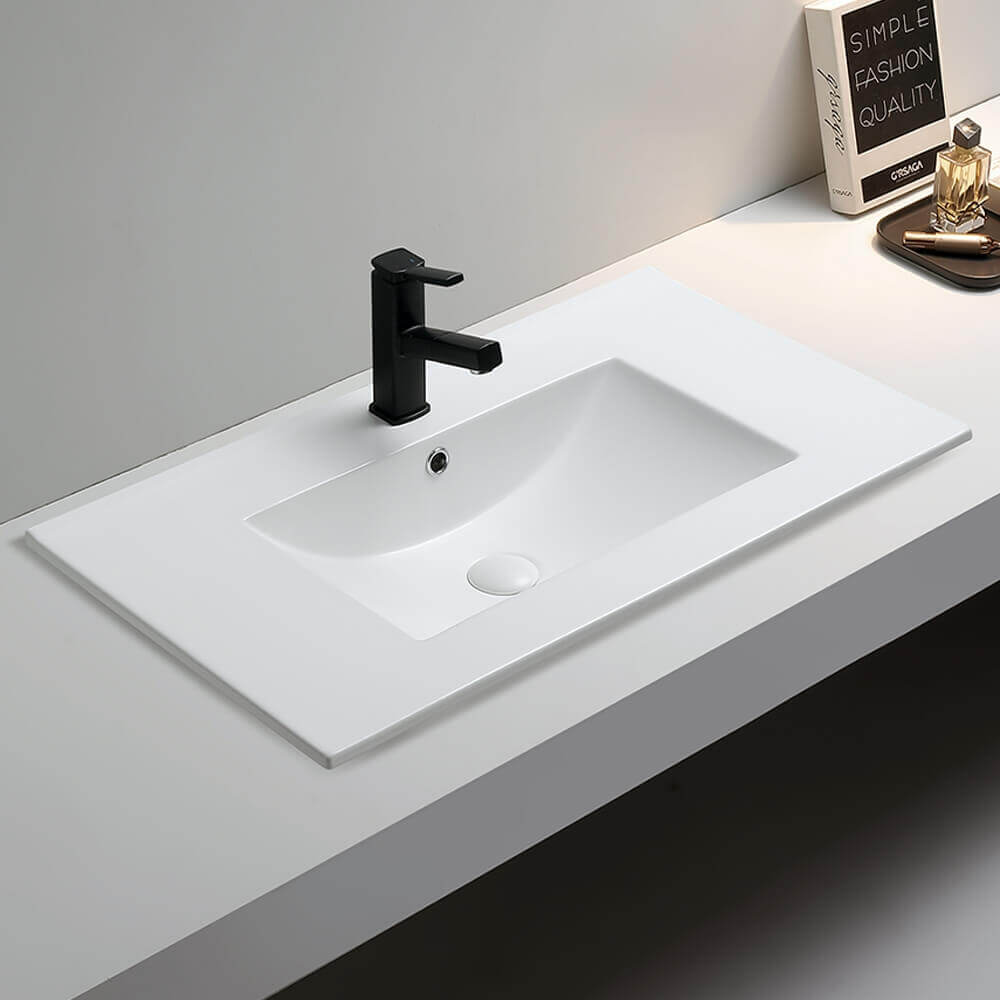
Einführung in keramische Werkstoffe
Keramik ist ein Material, das aus verschiedenen natürlichen Mineralien wie Ton, Quarz und Feldspat hergestellt wird, die verarbeitet und bei hohen Temperaturen gebrannt werden. Die Rohstoffe werden sorgfältig gemischt, mit Wasser und anderen Zusatzstoffen kombiniert und zu einer glatten Paste geformt. Diese Paste wird dann bei Temperaturen von etwa 1200 °C gebrannt, um sie zu härten, wodurch ein langlebiges Keramikmaterial entsteht.
Je nach Herstellungsprozess und verwendeten Rohstoffen können Keramikprodukte in verschiedene Typen eingeteilt werden, darunter Porzellan, Vitreous China und Schamotte.
- Porzellan: Ein dichtes, nicht poröses Keramikmaterial, von Natur aus wasserdicht, das häufig für Alltagsgegenstände wie Geschirr und Badezimmerarmaturen verwendet wird. Es ist verschleißfest, korrosionsbeständig und leicht zu reinigen.
- Vitreous China: Eine Weiterentwicklung von Porzellan, bei der eine Glasur auf die Oberfläche aufgetragen wird, um eine glatte, haltbare Oberfläche zu schaffen. Es weist eine ausgezeichnete Beständigkeit gegen Flecken und Verschleiß auf, wodurch es ideal für Spülbecken und Arbeitsplatten ist.
- Schamotte: Eine speziell behandelte Keramik mit hoher Hitzebeständigkeit und Festigkeit, die häufig in High-End-Produkten wie Öfen und hitzebeständigen Geräten verwendet wird. Ihre Hitzetoleranz macht sie zu einem wertvollen Material in Industrie- und Bauanwendungen.
Vor- und Nachteile von Waschtischplatten aus Keramik
Pros
- Durability
Ceramic is known for its remarkable hardness and strength due to the high-temperature firing process. It can withstand daily impacts, scratches, and wear without losing its shape. Whether you're washing, cleaning, or placing everyday items on the vanity, ceramic countertops will maintain their integrity, with minimal risk of warping or damage over time.
- Water Resistance
Bathrooms are typically damp environments, and ceramic's non-porous nature makes it highly water-resistant. It effectively repels moisture, preventing water stains and the penetration of liquids. This helps avoid damage caused by moisture, such as the aging or warping of the surface, especially in the humid bathroom environment.
- Ease of Cleaning and Maintenance
Ceramic surfaces are smooth and non-porous, which means dirt and water stains don't easily adhere to them, making cleaning a breeze. Most ceramic vanity tops only require a simple wipe with a damp cloth to restore their shine. Compared to other materials, ceramic requires minimal special maintenance, making daily upkeep much easier.
- Stain Resistance
Thanks to its smooth, dense surface, ceramic is highly resistant to common stains from soap, toothpaste, and cosmetics. This ensures that the countertop stays clean and visually appealing, making it an excellent choice for frequently used bathroom areas.
Cons
- Brittleness
While ceramic is hard, it is also brittle. A heavy impact or a dropped object may cause the countertop to crack or break, especially at the corners or weaker points. Therefore, it is important to handle ceramic surfaces carefully to prevent damage from falling objects.
- Temperature Sensitivity
Some ceramic vanity tops may be sensitive to temperature fluctuations due to manufacturing processes or material inconsistencies. Extreme temperatures, such as pouring hot water onto a cold surface, can lead to cracks or surface damage. It's important to avoid subjecting the countertop to sudden temperature changes.
- Heavy Weight
Ceramic is a strong and durable material, but it is relatively heavy. If you are purchasing a countertop and cabinet separately, ensure the base cabinet can support the weight of the ceramic countertop to avoid instability during installation.
Vergleich von Waschtischen aus Keramik mit Waschtischen aus Kunstharz und Marmor
| Comparison | Ceramic | Resin | Marble |
|---|---|---|---|
| Durability | High: Scratch, stain, and heat-resistant, ideal for daily use. | Medium: Fairly sturdy but scratches and stains easily; less durable than ceramic. | High: Natural stone, very hard and durable, but may crack or wear over time. |
| Waterproofing | Excellent: Non-absorbent, ideal for bathroom use. | Medium: Waterproof surface, but cracks or scratches may lead to water penetration. | Poor: Natural stone may allow water penetration if porous, requiring regular sealing. |
| Cleaning and Maintenance | Easy to clean: Smooth surface, simple to maintain. | Easy to clean, but surface scratches can accumulate stains. | Difficult to clean: Requires regular care, especially waxing and sealing to prevent stains. |
| Design Appearance | Classic: Smooth surface with various color options, suitable for all bathroom styles. | Modern: Highly customizable in terms of shapes and colors, giving a modern look. | Luxurious: Unique natural marble patterns, providing a high-end, luxurious appearance. |
| Price | Moderate: Relatively affordable, offering good value for money. | Lower: More affordable than natural stone but depends on resin quality. | High: Natural marble is usually expensive, suited for high-end designs. |
| Weight | Moderate: Relatively lightweight, easy to install. | Light: Lighter than marble and ceramic, easier to install. | Heavy: Requires extra support during installation, increasing transportation and installation costs. |
| Heat Resistance | High: Can withstand high temperatures, suitable for hot water use. | Low: Prolonged heat exposure may damage the surface. | High: Natural marble is heat-resistant, withstanding contact with hot objects. |
| Stain Resistance | Very good: Smooth surface, stains are easy to remove. | Medium: Surface can stain, especially with dark or oily substances. | Good: Natural stone resists stains but may show oil stains; regular maintenance is needed. |
| Suitable for | Ideal for general home bathrooms, compatible with various styles, and cost-effective. | Suitable for modern, minimalist bathrooms, especially for custom needs. | Suitable for luxury bathrooms or high-end hotels, highlighting opulence and uniqueness. |
Abschluss
Nachdem Sie die Vor- und Nachteile von Badezimmermöbeln mit Keramikoberflächen analysiert haben, sollten Sie nun entscheiden können, ob Keramik das richtige Material für Ihr Badezimmer ist. Wenn Sie glauben, dass eine Keramikarbeitsplatte die ideale Wahl ist, dann ist die Entscheidung für Giving Tree Home eine kluge und zufriedenstellende Entscheidung. Wir bieten eine große Auswahl an Badezimmermöbeln mit Keramikoberflächen und stellen Ihnen gerne einzelne Waschtischplatten zur Verfügung, die auf Ihre Bedürfnisse zugeschnitten sind. Als Ihr flexibler und zuverlässiger Experte für den Einzelhandel mit Badezimmermöbeln ist Giving Tree Home bestrebt, Ihnen qualitativ hochwertige Produkte und ein sorgenfreies Einkaufserlebnis zu bieten.


Weitere Ideen
-

How to Choose a Medicine Cabinet: A Complete Buying Guide
Is your bathroom vanity counter crowded with toothpaste, skincare products, and other daily essentials? Maybe your current medicine cabinet doesn’t have enough room for everything you need. A well-chosen medicine...
-

10 Modern Bathroom Design Ideas for a Spa-Like Retreat
The bathroom is one of the few spaces in the home that can be restorative. The right materials, fittings, and finishes can turn a merely functional room into a spa-inspired...
-

How Private Is a Transparent Bathtub? Factors That Affect Privacy
A transparent bathtub can be a striking addition to a bathroom, especially if you like a light, open look. But one practical question may come up before you buy: How...
-

How to Clean and Maintain a Transparent Bathtub
A transparent bathtub can add a distinctive look to a bathroom with its clear, translucent, or tinted appearance. However, many homeowners wonder whether this type of bathtub requires more maintenance...
-

Transparent Resin Bathtub Guide: How to Choose the Right One
The appeal of a transparent resin bathtub comes from the way it interacts with light and its surroundings, creating a unique look that stands out in the bathroom. However, choosing...
-

What Is a Transparent Bathtub and Is It Worth Buying?
As homeowners look for more distinctive ways to update their bathrooms, bathtubs are increasingly becoming part of the room's overall design rather than simply a functional fixture. Clear, translucent, and...


