
Jeder Haushalt hat ausnahmslos mindestens eine Toilette. Doch mit fortschreitender Technologie und dem steigenden Streben der Menschen nach Lebensqualität sind smarte Toiletten allmählich in den Fokus der Öffentlichkeit gerückt. Trotz ihrer wachsenden Beliebtheit lösen smarte Toiletten aufgrund ihrer hohen Preise oft Debatten aus. Im Vergleich zu herkömmlichen Toiletten, die typischerweise etwa 300 US-Dollar kosten, können smarte Toiletten von mehreren Hundert bis zu mehreren Tausend Dollar reichen, wobei einige Modelle sogar 7.000 oder 8.000 US-Dollar erreichen. Solche hohen Preise werfen natürlich die Frage auf: Lohnt es sich wirklich, so viel für eine smarte Toilette auszugeben?
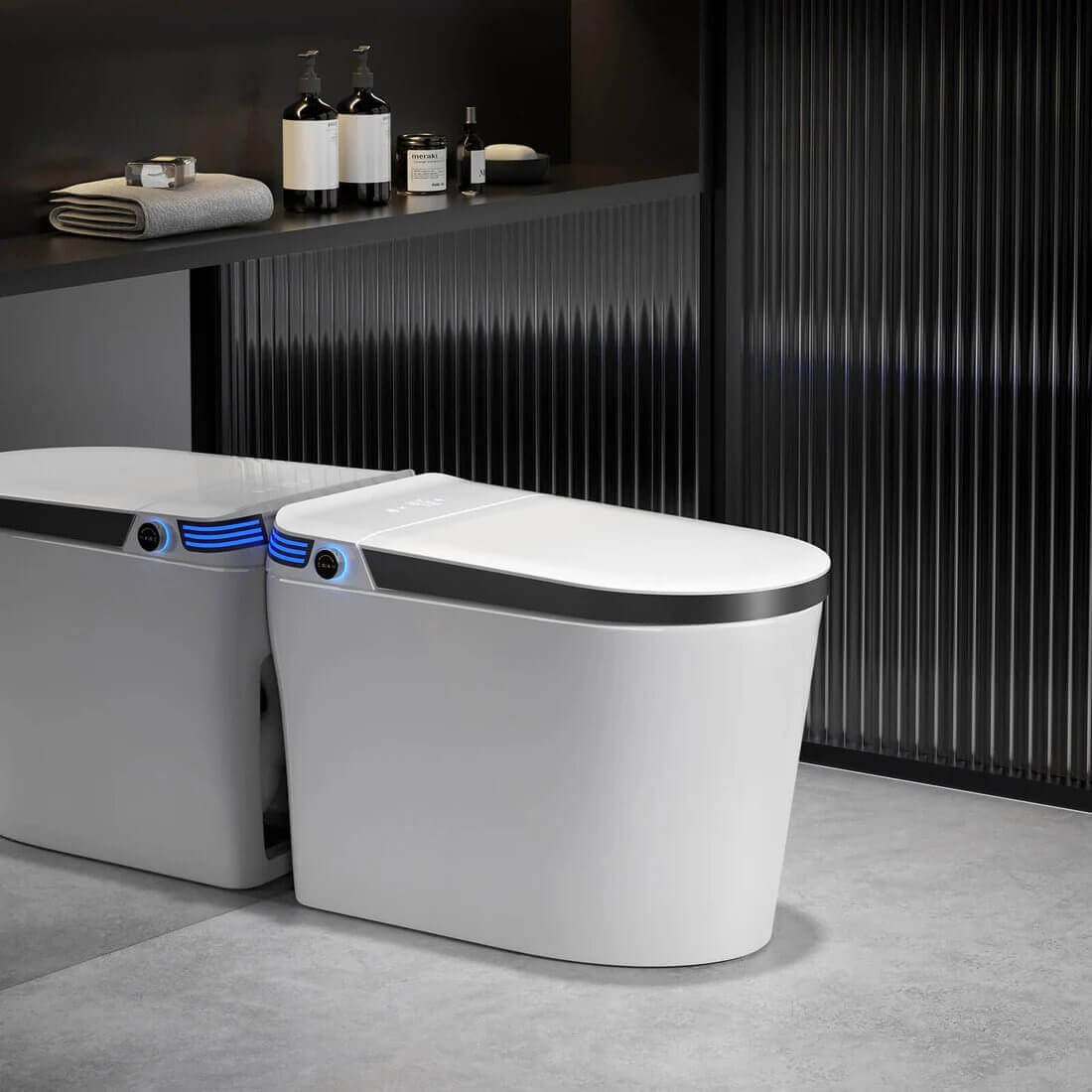
Wie smarte Toiletten Ihr tägliches Leben verbessern
Das Konzept der intelligenten Toilette entstand in Japan und gewann schnell weltweite Popularität. Dank ihrer leistungsstarken Funktionen sind immer mehr Haushalte bereit, die zusätzlichen Kosten für die Installation dieser modernen Ausstattung zu tragen. Der Begriff "intelligent" deutet bereits darauf hin, dass diese Toiletten ein bequemeres Erlebnis bieten. Intelligente Toiletten sind mit eingebauten Sensoren ausgestattet, die erkennen, wenn ein Benutzer anwesend ist, und automatisch Funktionen wie das Öffnen des Deckels und das Spülen ausführen, wodurch der Bedarf an manueller Bedienung reduziert und das Risiko der Keimexposition minimiert wird.
Darüber hinaus sind intelligente Toiletten mit einer effektiveren Spültechnologie ausgestattet, die eine gründliche Reinigung bei geringerem Wasserverbrauch gewährleistet. Einige High-End-Modelle verfügen sogar über UV-Sterilisation, die die Badezimmerhygiene weiter verbessert. Aus der Sicht von Komfort und Sauberkeit bieten intelligente Toiletten den Benutzern ein Höchstmaß an Behaglichkeit und Bequemlichkeit.
Ist eine smarte Toilette eine kostengünstige Investition?
When consumers consider whether a smart toilet is worth the money, the price tag is often the first thing that comes to mind. However, focusing solely on the price is a narrow approach. While the initial cost of a smart toilet is indeed several times that of a traditional toilet, its savings and benefits in other areas are often overlooked. In reality, smart toilets can significantly reduce overall costs over time by saving water, reducing the need for cleaning products, and enhancing hygiene, making them a cost-effective choice in the long run.
Water Conservation
Traditional toilets typically use about 1.6 gallons per flush (GPF), whereas smart toilets, like those from Giving Tree Home, use between 1.0 and 1.3 GPF. This means each flush can save at least 0.3 gallons of water. For a household of four, using a smart toilet can reduce water consumption by 20% to 50%. If a family flushes the toilet five times a day, they could save approximately $50 to $150 annually on their water bill. The exact savings depend on local water rates and the household's actual water usage.
If you opt for a smart toilet with a dual-flush system, which allows users to choose between a light flush for liquid waste and a full flush for solid waste, the water savings can be even more substantial. A light flush typically uses around 0.8 gallons of water, while a full flush uses about 1.28 gallons. Compared to a traditional 1.6 GPF toilet, this dual-flush system can further reduce water usage. Assuming that 60% of flushes are light and 40% are full, a typical four-person household could save at least $66.58 annually on water bills.
Saving on Toilet Paper
Another major benefit of smart toilets is their integrated bidet feature. For a family of four, the annual expenditure on toilet paper typically ranges from $100 to $150. By using the bidet function of a smart toilet, you can greatly reduce or even eliminate this expense, thereby enhancing overall cost efficiency.
Some may worry that this feature could increase water usage. However, even without a smart toilet, you would still need to wash your hands after using the toilet. The bidet function of a smart toilet not only eliminates the need for toilet paper but also makes handwashing unnecessary, further enhancing convenience. Additionally, the bidet’s adjustable water pressure and temperature provide not only cleanliness but also a comfortable massage, making each use a pleasure.
Reduced Maintenance Costs
Toilets, being the primary fixtures for handling human waste, are often the most bacteria-prone areas in a bathroom. No matter how thoroughly you clean, some bacteria always remain on the toilet surfaces. Studies show that the inside of the toilet bowl harbors more bacteria than the rim and tank areas, as the bowl’s environment is ideal for bacterial growth. These bacteria include E. coli, Enterobacter, Proteus, Pseudomonas, and Candida species. Even more concerning, dysentery-causing bacteria have been found on 32% of toilet surfaces, with Shigella dysenteriae able to survive on the toilet seat for up to 17 days.
Smart toilets help mitigate these bacterial threats by typically offering self-cleaning functions, such as automatic rinsing, UV sterilization, and antimicrobial coatings. These features more effectively eliminate potential bacterial residues in the toilet. With minimal manual intervention, smart toilets maintain a high level of cleanliness and hygiene, significantly reducing the time and effort needed for cleaning. For an average household, this can save $100 to $150 annually on cleaning supplies and maintenance costs. For those with stringent cleaning standards or who require professional cleaning services, owning a smart toilet with UV sterilization capabilities can eliminate the need for these additional expenses.
Ende
Auch wenn die Anschaffungskosten für eine intelligente Toilette höher sein mögen als die für eine herkömmliche, so machen ihre kombinierten Vorteile in puncto Hygiene, Komfort und langfristiger Kosteneffizienz sie zu einer lohnenden Investition. Im Laufe der Zeit wird Ihnen eine intelligente Toilette erhebliche Vorteile bieten. Wenn Sie bereits überzeugt sind, zögern Sie nicht, eine intelligente Toilette von Giving Tree Home zu kaufen. Alle unsere Produkte verfügen über leistungsstarke Funktionen und sind von durchweg hoher Qualität, die von den Benutzern geschätzt wird. Wir sind zuversichtlich, dass Sie ein Modell finden werden, das perfekt zu Ihren Bedürfnissen passt.
Weitere Ideen
-

How to Assemble an RTA Bathroom Vanity: A Step-by-Step Guide
When you open the box of a ready-to-assemble bathroom vanity, a pile of panels, hardware, and instructions can leave you wondering where to start. You may worry about making mistakes,...
-

How to Choose a Medicine Cabinet: A Complete Buying Guide
Is your bathroom vanity counter crowded with toothpaste, skincare products, and other daily essentials? Maybe your current medicine cabinet doesn’t have enough room for everything you need. A well-chosen bathroom...
-

10 Modern Bathroom Design Ideas for a Spa-Like Retreat
The bathroom is one of the few spaces in the home that can be restorative. The right materials, fittings, and finishes can turn a merely functional room into a spa-inspired...
-

How Private Is a Transparent Bathtub? Factors That Affect Privacy
A transparent bathtub can be a striking addition to a bathroom, especially if you like a light, open look. But one practical question may come up before you buy: How...
-

How to Clean and Maintain a Transparent Bathtub
A transparent bathtub can add a distinctive look to a bathroom with its clear, translucent, or tinted appearance. However, many homeowners wonder whether this type of bathtub requires more maintenance...
-

Transparent Resin Bathtub Guide: How to Choose the Right One
The appeal of a transparent resin bathtub comes from the way it interacts with light and its surroundings, creating a unique look that stands out in the bathroom. However, choosing...


