
Bei der Renovierung eines Badezimmers ist die Wahl des richtigen Waschtischs oft wichtiger, als man denkt. Er beeinflusst nicht nur den Komfort der täglichen Routine, sondern bestimmt auch die räumliche Effizienz und die Ästhetik des gesamten Raumes. Angesichts der zwei gängigen Optionen – schwebende und freistehende Waschtische – sind viele Hausbesitzer hin- und hergerissen. Schwebende Badezimmerwaschtische strahlen eine schlanke, moderne Atmosphäre aus, während freistehende Waschtische zeitlose Funktionalität bieten. Aber welcher passt besser zu Ihrem Lebensstil?
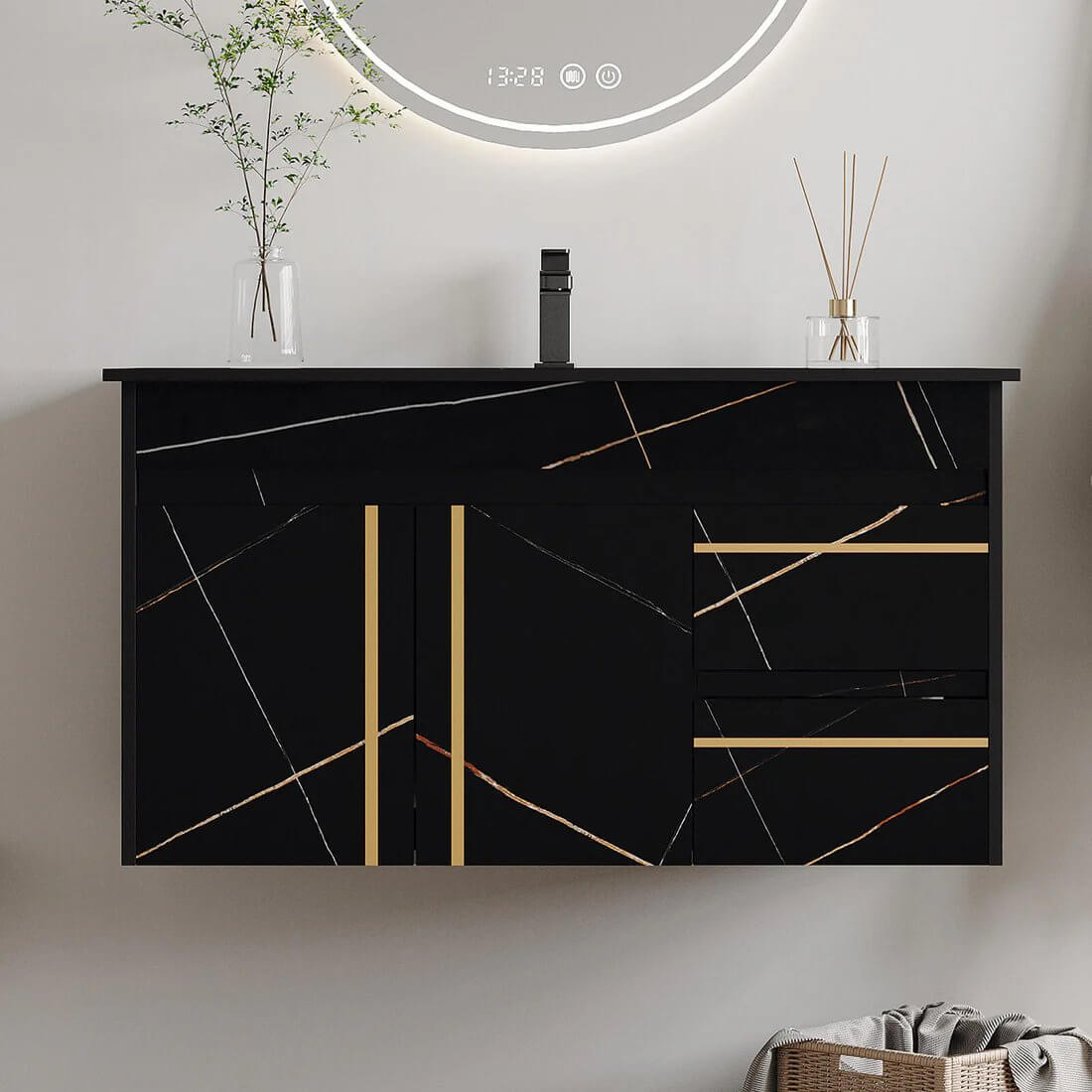
Was ist ein schwebender Waschtisch?
Ein schwebender Waschtisch, auch bekannt als wandmontierter Waschtisch, ist so konzipiert, dass er ohne Bodenkontakt an der Wand hängt, wodurch das Badezimmer ein elegantes, offenes und luftiges Aussehen erhält. Dieses moderne Design ist besonders in minimalistischen Einrichtungen beliebt, wo die Maximierung der Bodenfläche und die Verbesserung der visuellen Offenheit entscheidend sind. Getragen von verdeckten Metallhalterungen oder verstärkten Befestigungen bleibt der Waschtisch stabil, während er die Illusion des „Schwebens“ aufrechterhält.
-
Vorteile schwebender Waschtische:
- Platzsparend: Der offene Bereich darunter lässt selbst kleine Badezimmer geräumiger wirken.
- Leicht zu reinigen: Wischmopps und Staubsauger erreichen den Boden darunter problemlos, wodurch Hygienelücken minimiert werden.
- Moderne Ästhetik: Klare Linien und minimale Ausdehnung machen es kompatibel mit zeitgenössischer Einrichtung.
- Anpassbare Höhe: Installation in der bevorzugten Höhe für ergonomischen Komfort, besonders nützlich für Familien mit unterschiedlichen Körpergrößen.
-
Nachteile von schwebenden Waschtischen:
- Hoher Installationsaufwand: Muss an tragenden oder speziell verstärkten Wänden montiert werden, was den Bau erschwert.
- Begrenzter Stauraum: Bietet in der Regel weniger Stauraum als herkömmliche, schrankbasierte Waschtische.
- Schwierige Anpassung nach der Installation: Einmal installiert, ist es schwierig, die Höhe oder Position zu ändern.
- Wartungsherausforderungen: Sanitärreparaturen können das Entfernen der Arbeitsplatte oder den Zugang zum Wandinneren erfordern.
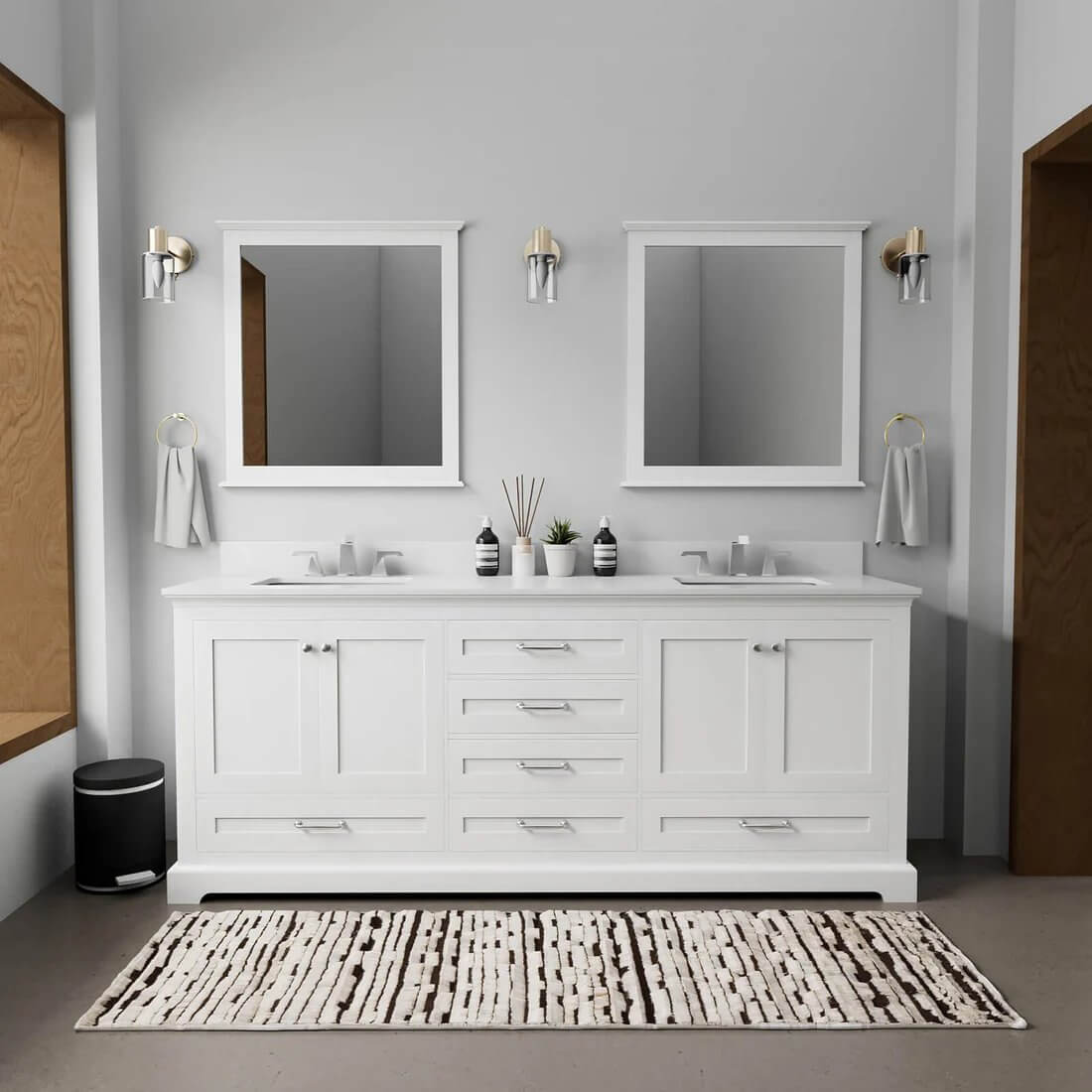
Was ist ein freistehender Waschtisch?
Ein freistehender Waschtischunterschrank, auch als bodenstehender Waschtischunterschrank bekannt, ist ein Badezimmerschrank, der direkt auf dem Boden steht, wobei seine Basis das gesamte Gewicht des Schranks trägt. Dieses klassische Design wird häufig in Badezimmern verwendet und wird wegen seiner Stabilität, einfachen Installation und großzügigen Speicherkapazität geschätzt. Er verfügt oft entweder über integrierte Füße oder eine massive Basis und ist in verschiedenen Stilen – von traditionell bis modern – erhältlich, um unterschiedlichen Einrichtungsästhetiken gerecht zu werden.
-
Vorteile freistehender Waschtische:
- Großer Stauraum: Schubladen und Fächer erleichtern die Organisation von Toilettenartikeln.
- Flexible Installation: Ist nicht auf die Wandstruktur angewiesen – für die meisten Badezimmergrundrisse geeignet.
- Stabil und langlebig: Gleichmäßige Gewichtsverteilung auf dem Untergestell sorgt für langfristige Stabilität.
- Einfacher Zugang zu Sanitärinstallationen: Zum Warten oder Inspizieren der Wasserleitungen einfach den Schrank öffnen.
-
Nachteile von freistehenden Waschtischen:
- Benötigt Stellfläche: Der Sockel berührt vollständig den Boden, was die visuelle Offenheit in kleinen Badezimmern einschränkt.
- Schwierig zu reinigen: Kontaktpunkte mit dem Boden können Staub oder Feuchtigkeit ansammeln und Hygieneprobleme verursachen.
- Feste Höhe: Nicht einfach an die Benutzerpräferenzen anpassbar.
- Weniger modernes Aussehen: Oft traditioneller im Design, was mit ultramodernen Innenräumen kollidieren kann.
Schwebender Waschtisch vs. Freistehender Waschtisch
| Comparison Item | Floating Vanity (Wall-Mounted) | Freestanding Vanity (Floor-Standing) |
|---|---|---|
| Style & Appearance | Modern and minimalist; creates a light, open feel | Traditional and solid; suits most standard bathrooms |
| Installation | Wall-mounted; requires reinforced wall support | Placed directly on the floor; simpler to install |
| Floor Clearance | No contact with the floor; easier to clean underneath | Touches the floor; more difficult to clean around base |
| Ergonomics | Height can be customized for user comfort | Fixed height; may not suit all users |
| Storage Capacity | Usually less space; may include drawers | More space for toiletries and essentials |
| Structural Stability | Relies on wall strength; professional installation needed | Stable on its own; supports heavier countertops |
| Plumbing Access | Often hidden in the wall; harder to reach | Inside the cabinet; easy to inspect and repair |
| Cleaning & Maintenance | Easier to mop or vacuum underneath | Requires bending or kneeling to clean around |
| Ideal Bathroom Size | Perfect for small or modern bathrooms | Great for medium to large traditional bathrooms |
| Overall Cost | Moderate to high, depending on wall prep | Budget-friendly; fewer installation requirements |
Welches sollten Sie wählen?
Visual Impact: Floating Wins
If you want your bathroom to feel airy, spacious, and contemporary, floating vanities are the clear winner. Mounted off the ground, they create uninterrupted floor lines that visually expand even the smallest bathrooms. This is especially effective when paired with large-format tiles, LED under-lighting, or continuous flooring materials.
Freestanding vanities, on the other hand, add more visual "weight" to a space. While that can make a large bathroom feel grounded and cozy, in compact layouts it may contribute to a slightly crowded appearance—especially if the unit has a bulky base or ornate detailing.
Cleaning Convenience: Floating Wins
Because floating vanities’re elevated, there's no need to stoop or maneuver around corners to mop up hair, water, or dust. Robot vacuums glide under them effortlessly. In high-traffic bathrooms, especially those used by kids or pets, this small feature can lead to big long-term benefits.
Freestanding vanities sit flush with the floor or stand on legs, which often means narrow gaps where dirt and moisture accumulate. This makes them harder to maintain, especially in humid climates or bathrooms prone to spills.
Structural Compatibility: Freestanding Wins
Installing a floating vanity isn't just a matter of aesthetics—it requires structural readiness. These units must be securely fastened to studs or load-bearing walls, and sometimes you’ll need reinforcement or blocking behind drywall. If the wall can’t support the weight, installation becomes costly and complex.
Freestanding vanities, by contrast, are far more forgiving. They don’t depend on wall strength and can be installed in virtually any bathroom with a level floor. That makes them an excellent choice for older homes or remodels with uncertain wall conditions.

Design Versatility: Tie
Both vanity types are available in a broad range of finishes, materials, and styles. Floating vanities dominate the market for modern, minimalist looks, often with sleek lines, integrated lighting, and glossy finishes. They pair perfectly with vessel sinks, matte black fixtures, and wall-mounted faucets.
Freestanding vanities, meanwhile, offer unmatched range in traditional, transitional, and farmhouse styles. You’ll find options with turned legs, shaker doors, marble tops, and antique brass hardware. Whether you lean classic or contemporary, both options offer ample room to express your design taste.
Long-Term Maintenance: Freestanding Wins
When it comes to plumbing access, freestanding vanities offer a clear advantage. Most allow you to open a cabinet or drawer and get to the pipes without disrupting the wall or countertop. This is especially helpful during leak repairs, faucet replacements, or future upgrades.
Floating vanities often have concealed plumbing that runs behind the wall or through a narrow chase, meaning access can require removing panels—or even cutting into drywall. While this design is visually cleaner, it can increase the complexity and cost of maintenance later on.
Best for Small Bathrooms: Floating Wins
If you’re working with a tight footprint, floating vanities offer two important advantages: perceived space and physical clearance. They help avoid the “boxed in” feeling that sometimes comes with freestanding furniture, and they allow for more visible floor area, which tricks the eye into seeing more space.
That said, in very narrow bathrooms where storage is non-negotiable, a well-designed slimline freestanding vanity with drawers might offer a better balance of storage and function. The key is to prioritize your needs: openness or utility.
Beenden
Die Wahl zwischen einem schwebenden und einem freistehenden Waschtisch ist mehr als eine Designentscheidung – sie ist ein Spiegelbild Ihres Lebensstils. Jede Wahl repräsentiert Ihre Interpretation dessen, was sich wie ein „perfektes Zuhause“ anfühlt. Es gibt keinen absoluten Gewinner, sondern nur die richtige Passform für Ihre individuellen Bedürfnisse.
Fragen Sie sich also: Möchten Sie ein Badezimmer, das luftig und modern wirkt, oder eines, das bodenständig und organisiert ist? Priorisieren Sie ein modisches Design oder den täglichen Nutzen? Solange Ihr gewählter Waschtisch Ihr tägliches Leben bereichert, ob schwebend oder freistehend, haben Sie eine lohnende Wahl getroffen.


Weitere Ideen
-

How to Choose a Medicine Cabinet: A Complete Buying Guide
Is your bathroom vanity counter crowded with toothpaste, skincare products, and other daily essentials? Maybe your current medicine cabinet doesn’t have enough room for everything you need. A well-chosen medicine...
-

10 Modern Bathroom Design Ideas for a Spa-Like Retreat
The bathroom is one of the few spaces in the home that can be restorative. The right materials, fittings, and finishes can turn a merely functional room into a spa-inspired...
-

How Private Is a Transparent Bathtub? Factors That Affect Privacy
A transparent bathtub can be a striking addition to a bathroom, especially if you like a light, open look. But one practical question may come up before you buy: How...
-

How to Clean and Maintain a Transparent Bathtub
A transparent bathtub can add a distinctive look to a bathroom with its clear, translucent, or tinted appearance. However, many homeowners wonder whether this type of bathtub requires more maintenance...
-

Transparent Resin Bathtub Guide: How to Choose the Right One
The appeal of a transparent resin bathtub comes from the way it interacts with light and its surroundings, creating a unique look that stands out in the bathroom. However, choosing...
-

What Is a Transparent Bathtub and Is It Worth Buying?
As homeowners look for more distinctive ways to update their bathrooms, bathtubs are increasingly becoming part of the room's overall design rather than simply a functional fixture. Clear, translucent, and...


