
22 products
-
32" x 32" Compact Corner Drain Acrylic Shower Base
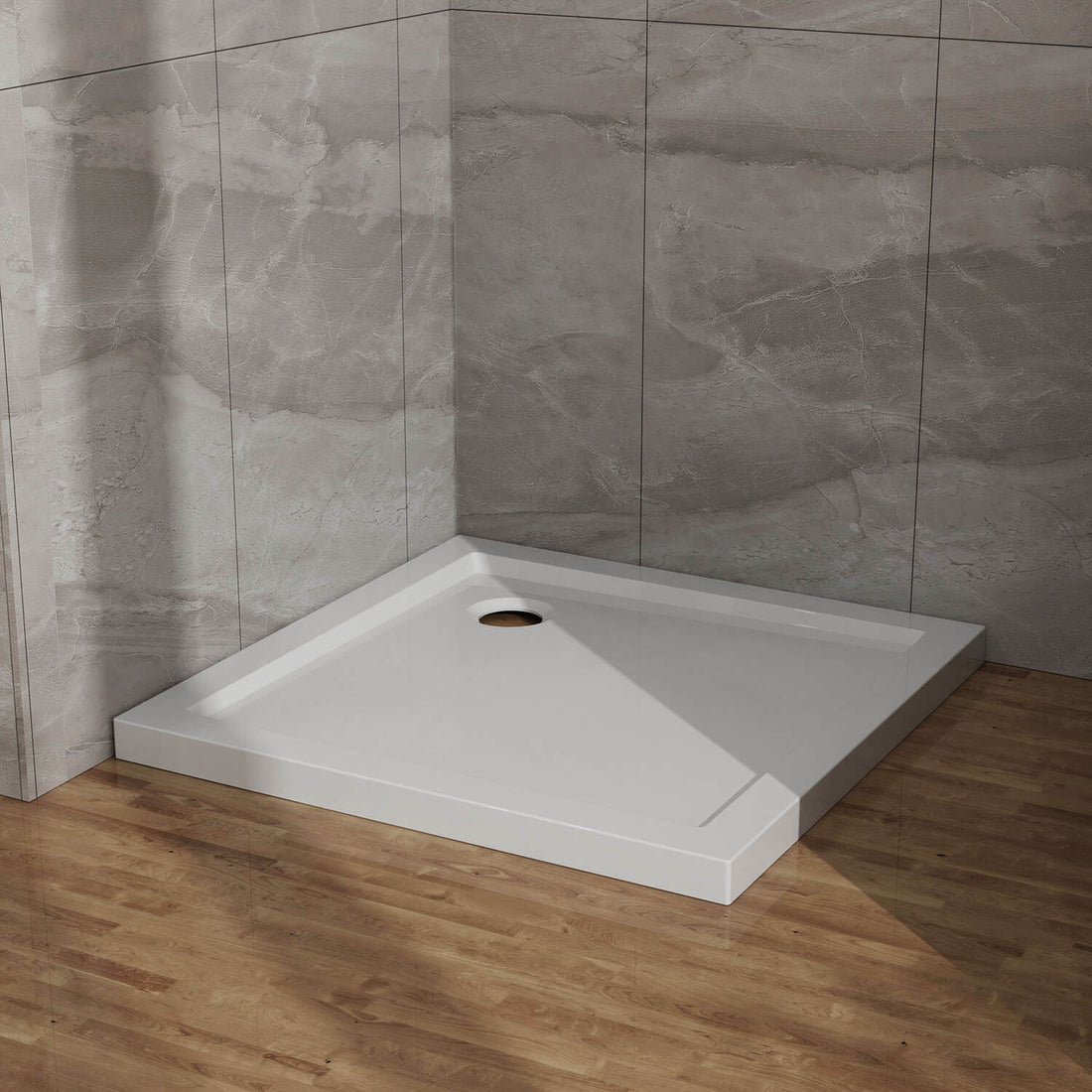
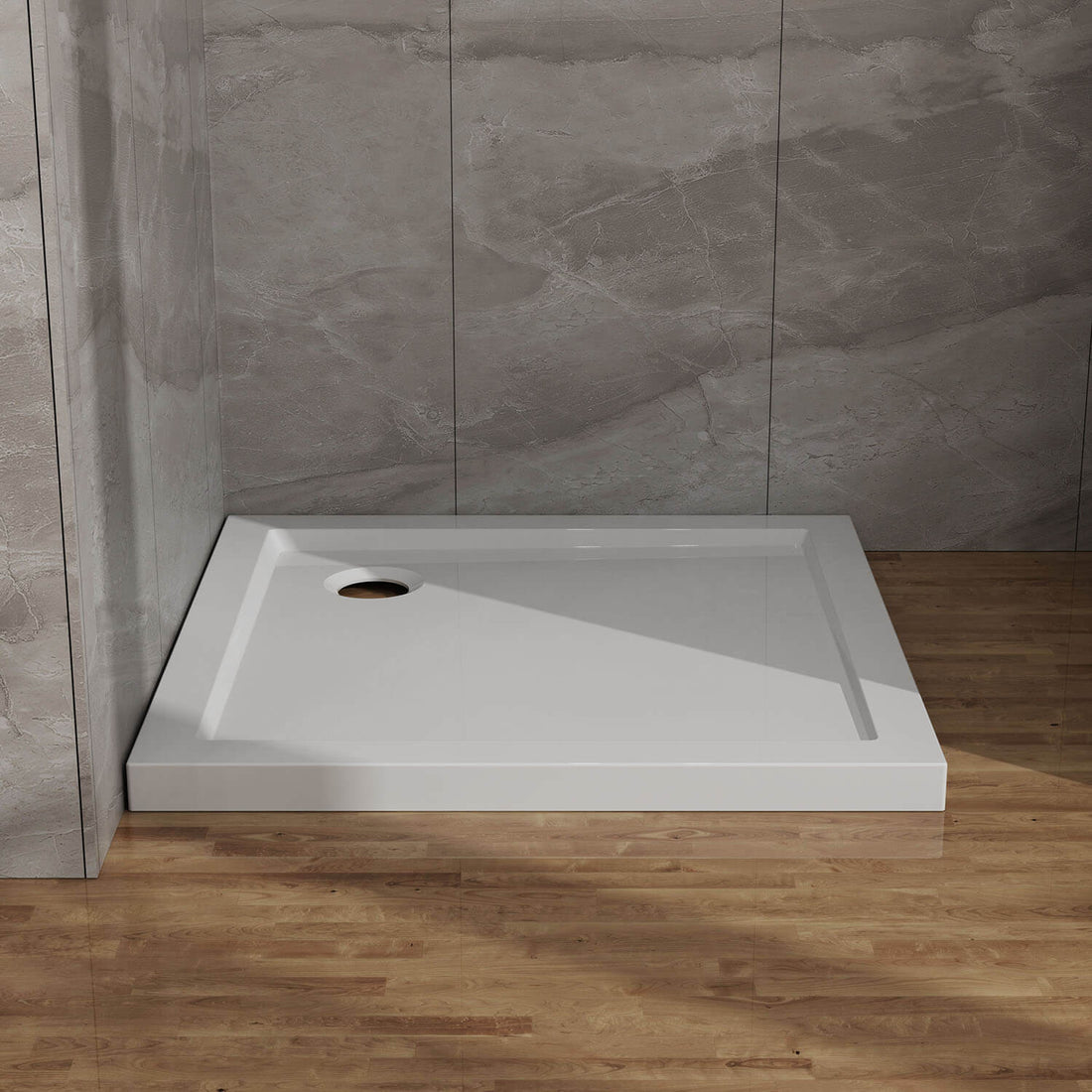 32" x 32" Compact Corner Drain Acrylic Shower Base
- Regular price
-
$239.99 - Regular price
-
- Sale price
-
$239.99
Quick view
-
36"x 36" White Acrylic Square Shower Base
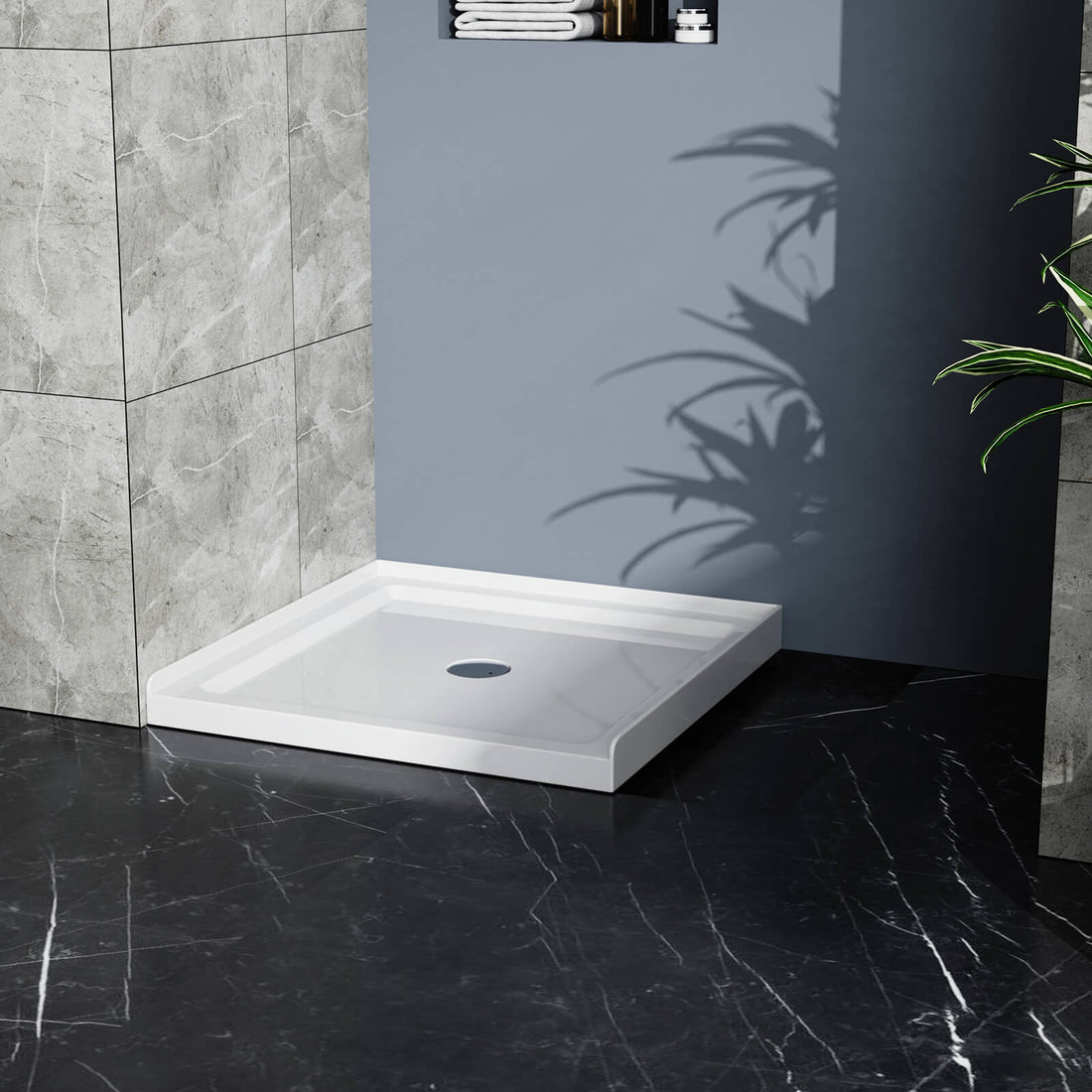
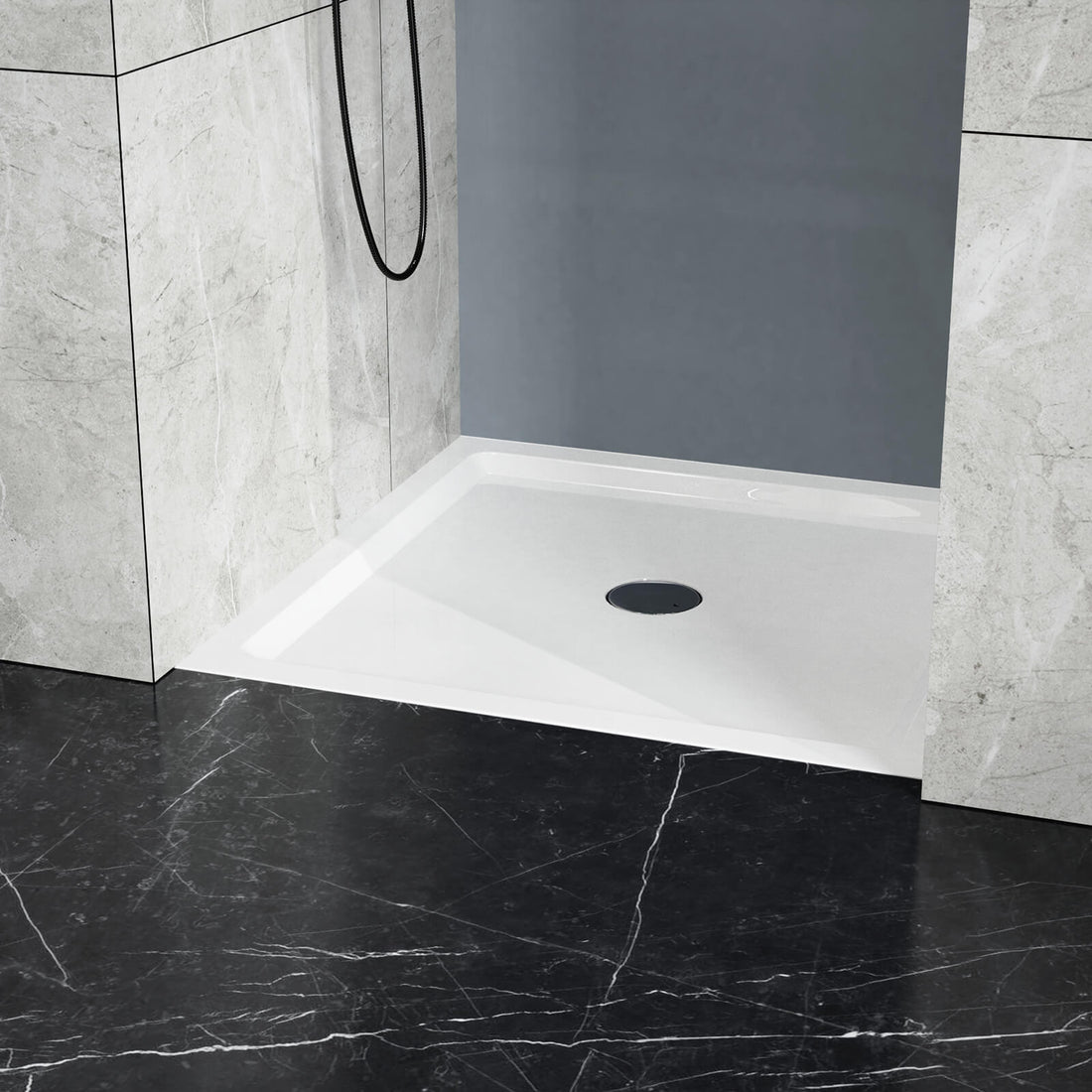 36"x 36" White Acrylic Square Shower Base
- Regular price
-
$319.99 - Regular price
-
- Sale price
-
$319.99
Quick view
-
60" x 34" White Right-Drain Solid Surface Shower Base
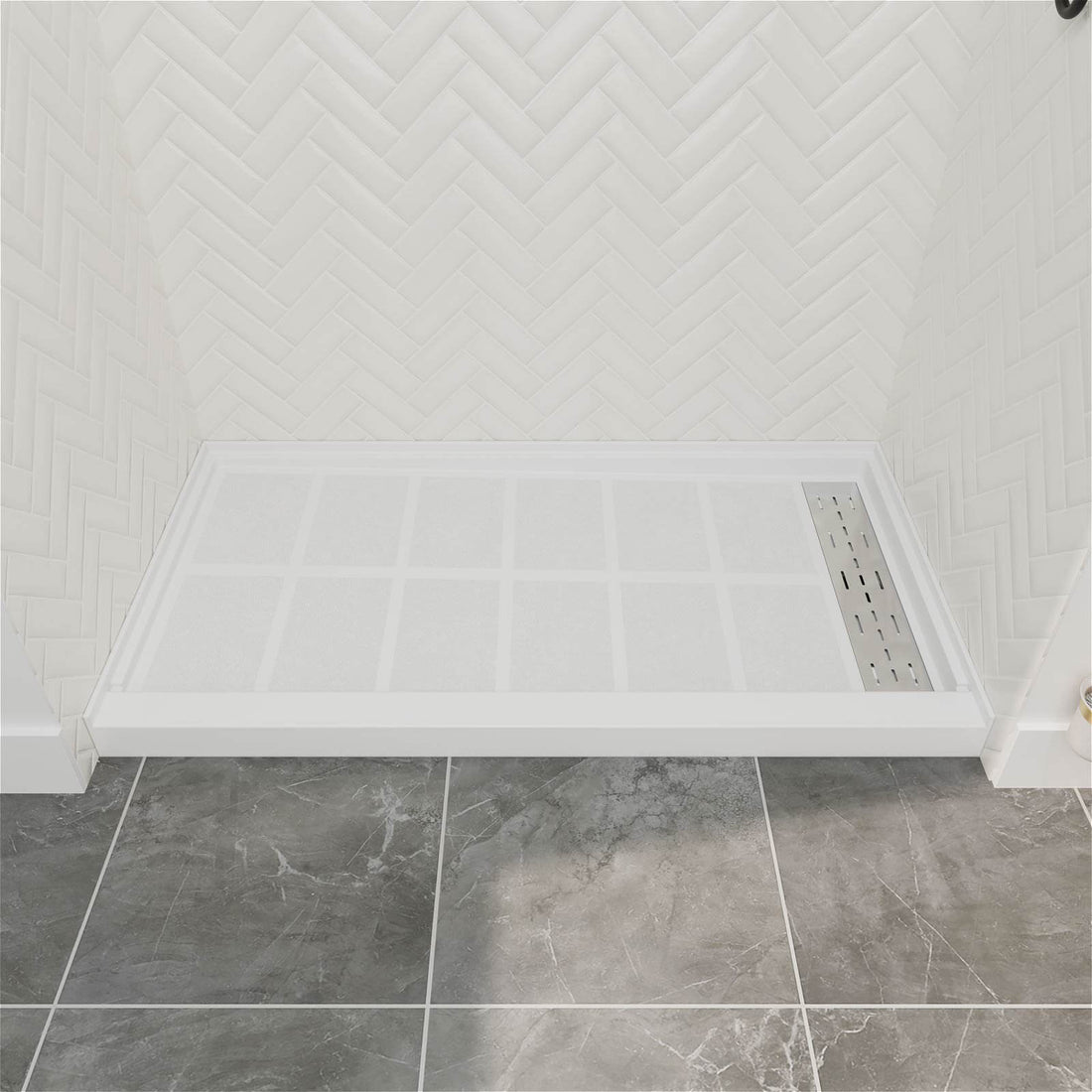
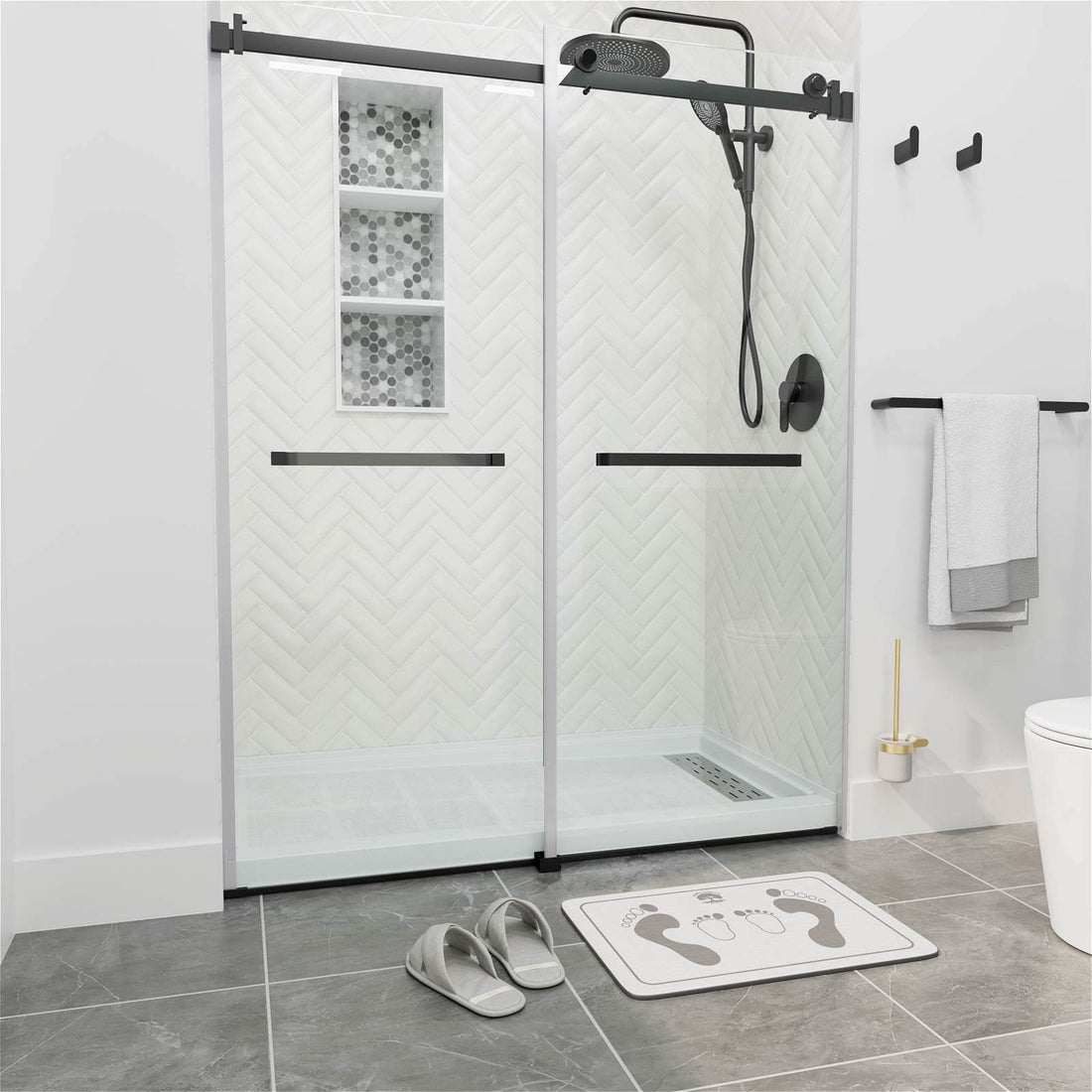 60" x 34" White Right-Drain Solid Surface Shower Base
- Regular price
-
$879.99 - Regular price
-
- Sale price
-
$879.99
Quick view
-
60" x 34" Black Right-Drain Solid Surface Shower Base

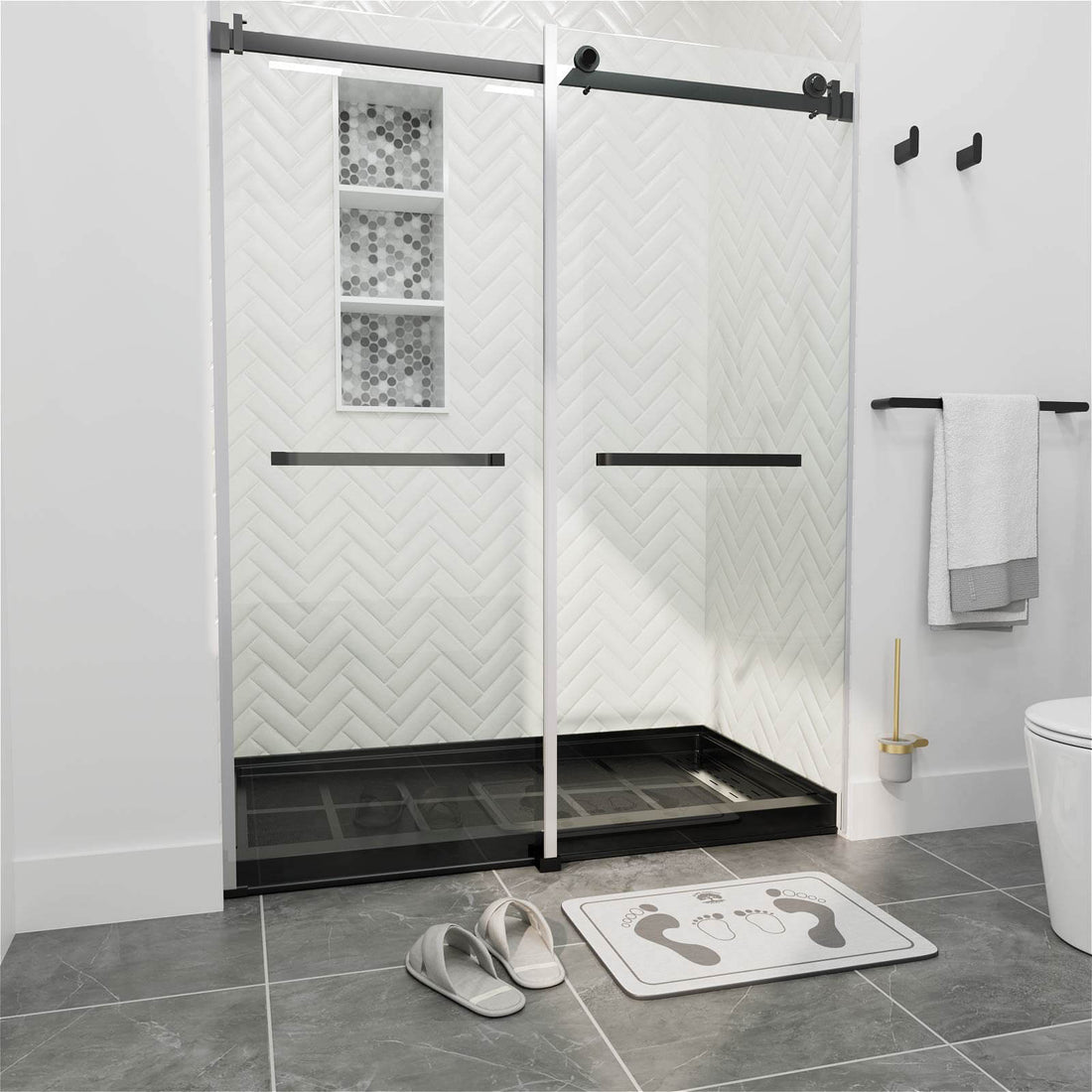 60" x 34" Black Right-Drain Solid Surface Shower Base
- Regular price
-
$879.99 - Regular price
-
- Sale price
-
$879.99
Quick view
-
Mokleba 60" x 32" One-Piece Black Shower Pan with Left Drain
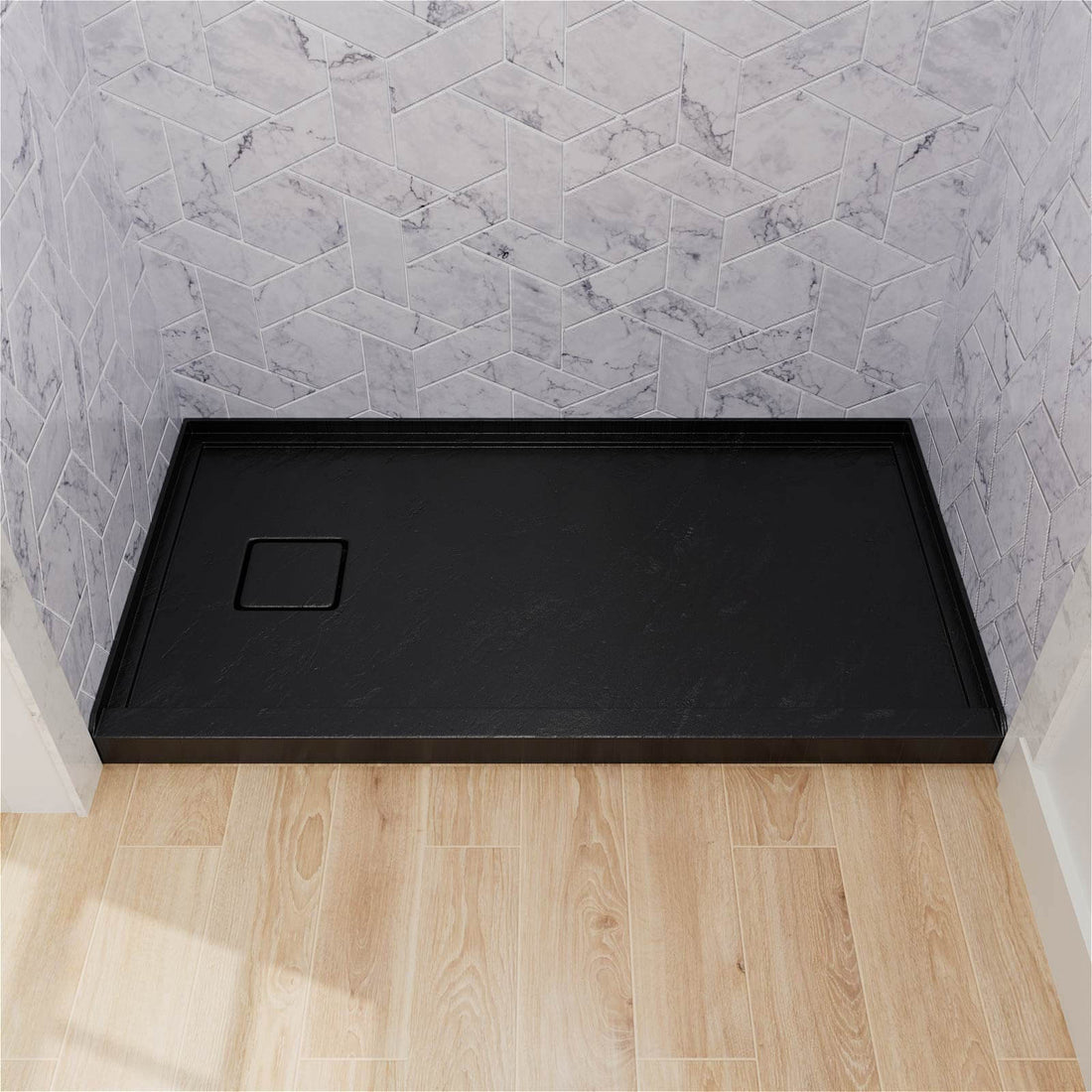
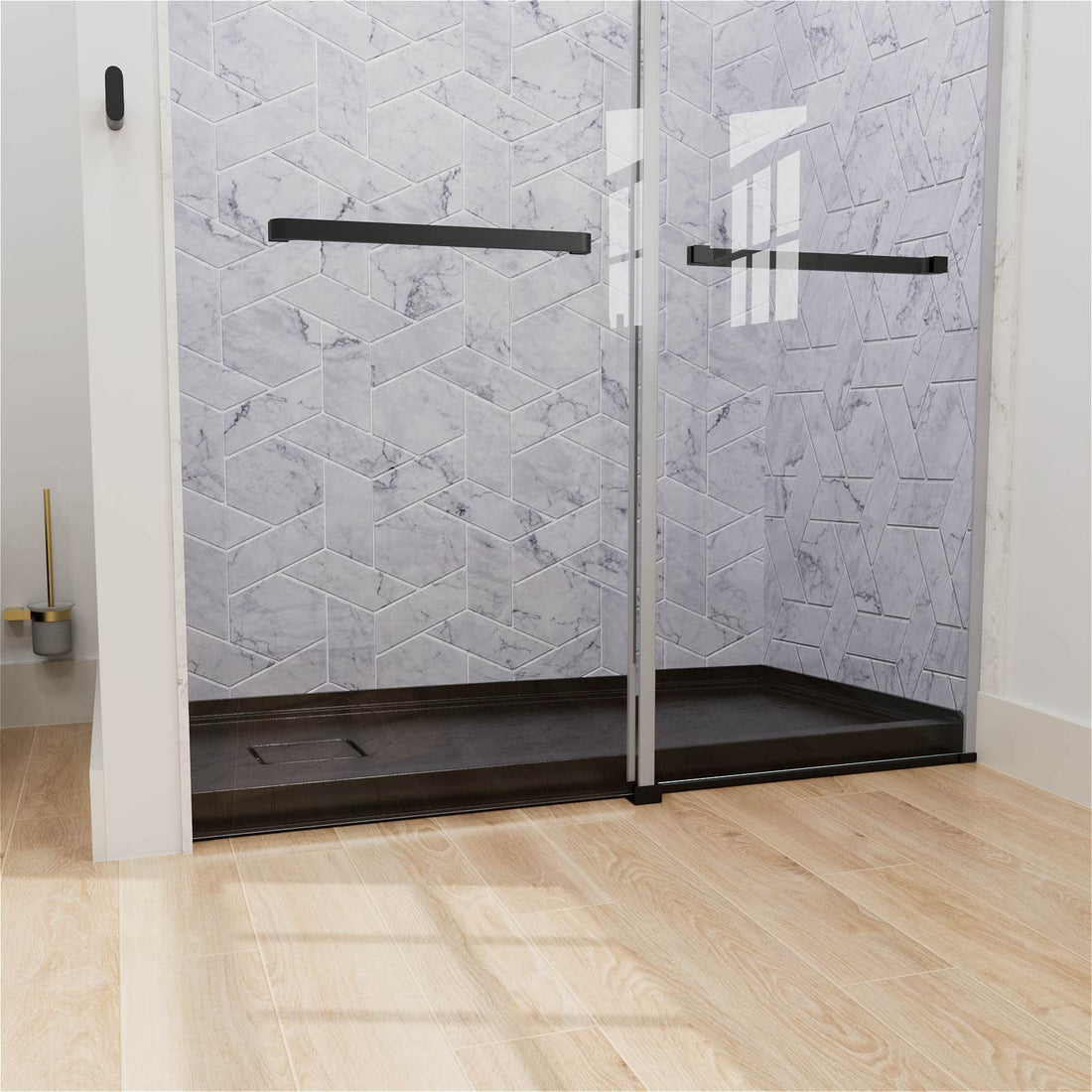 Mokleba 60" x 32" One-Piece Black Shower Pan with Left Drain
- Regular price
-
$469.99 - Regular price
-
- Sale price
-
$469.99
Quick view
-
Mokleba 60" x 32" One-Piece Marble-Pattern Shower Pan with Right Drain
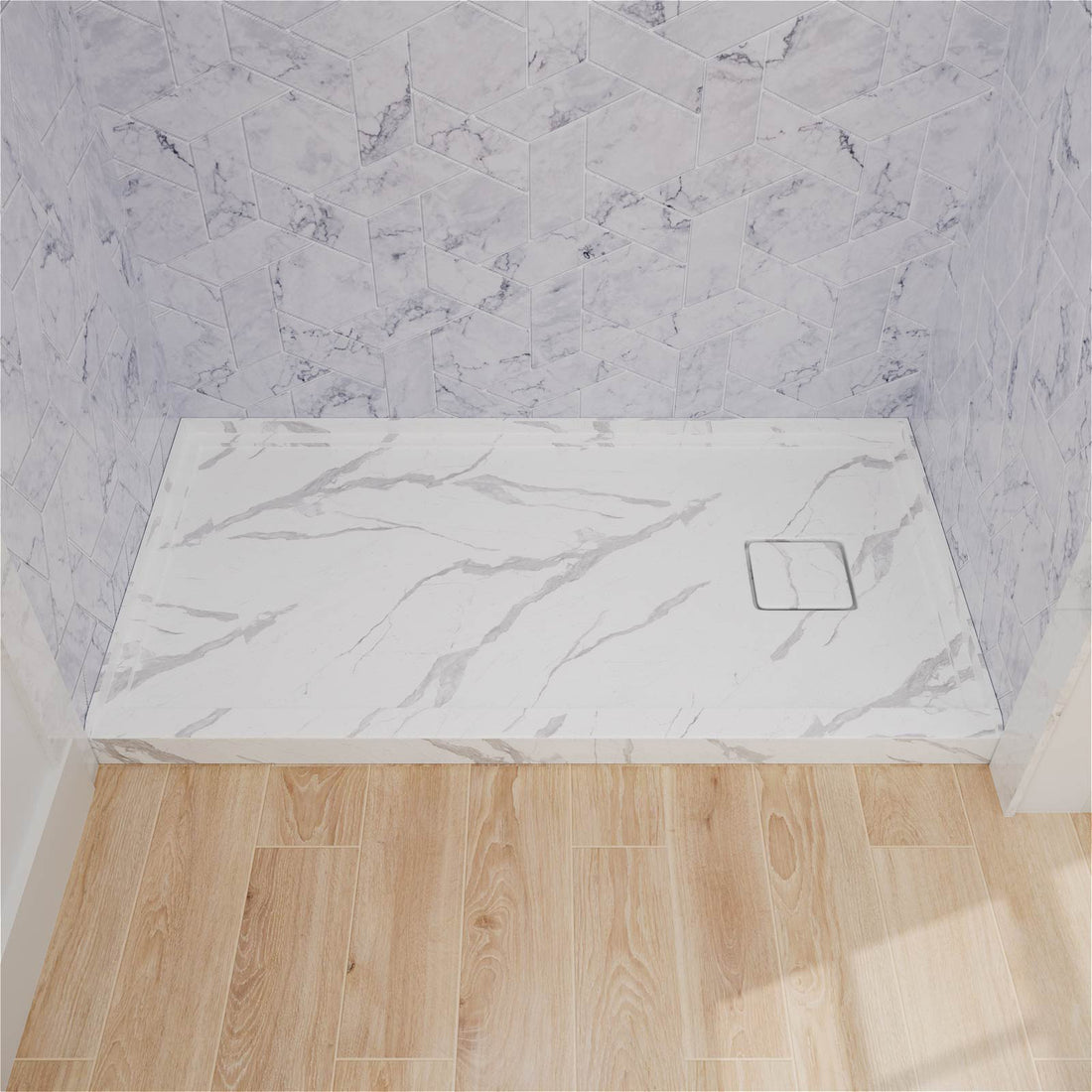
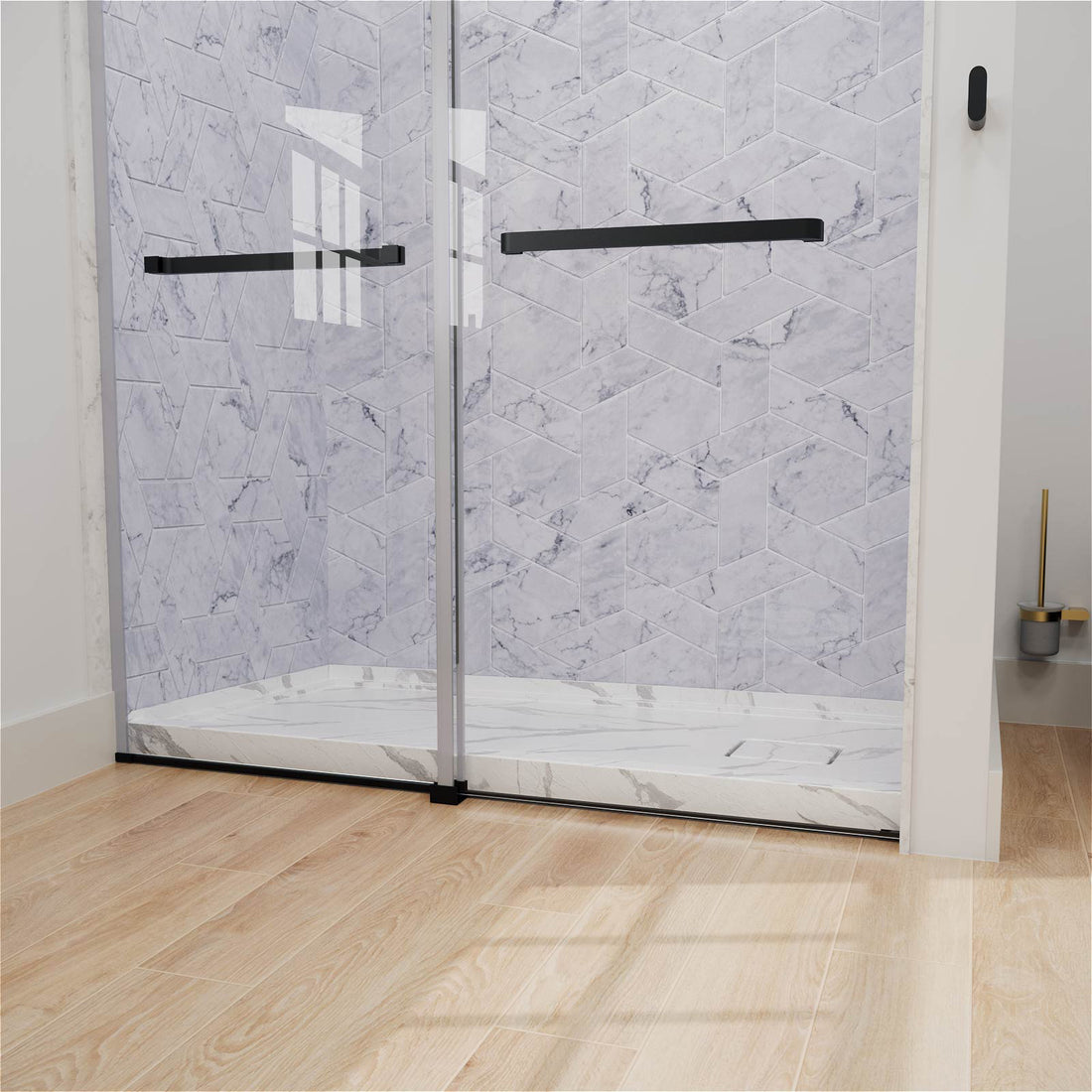 Mokleba 60" x 32" One-Piece Marble-Pattern Shower Pan with Right Drain
- Regular price
-
$499.99 - Regular price
-
- Sale price
-
$499.99
Quick view
-
Mokleba 60" x 32" One-Piece White Shower Pan with Right Drain
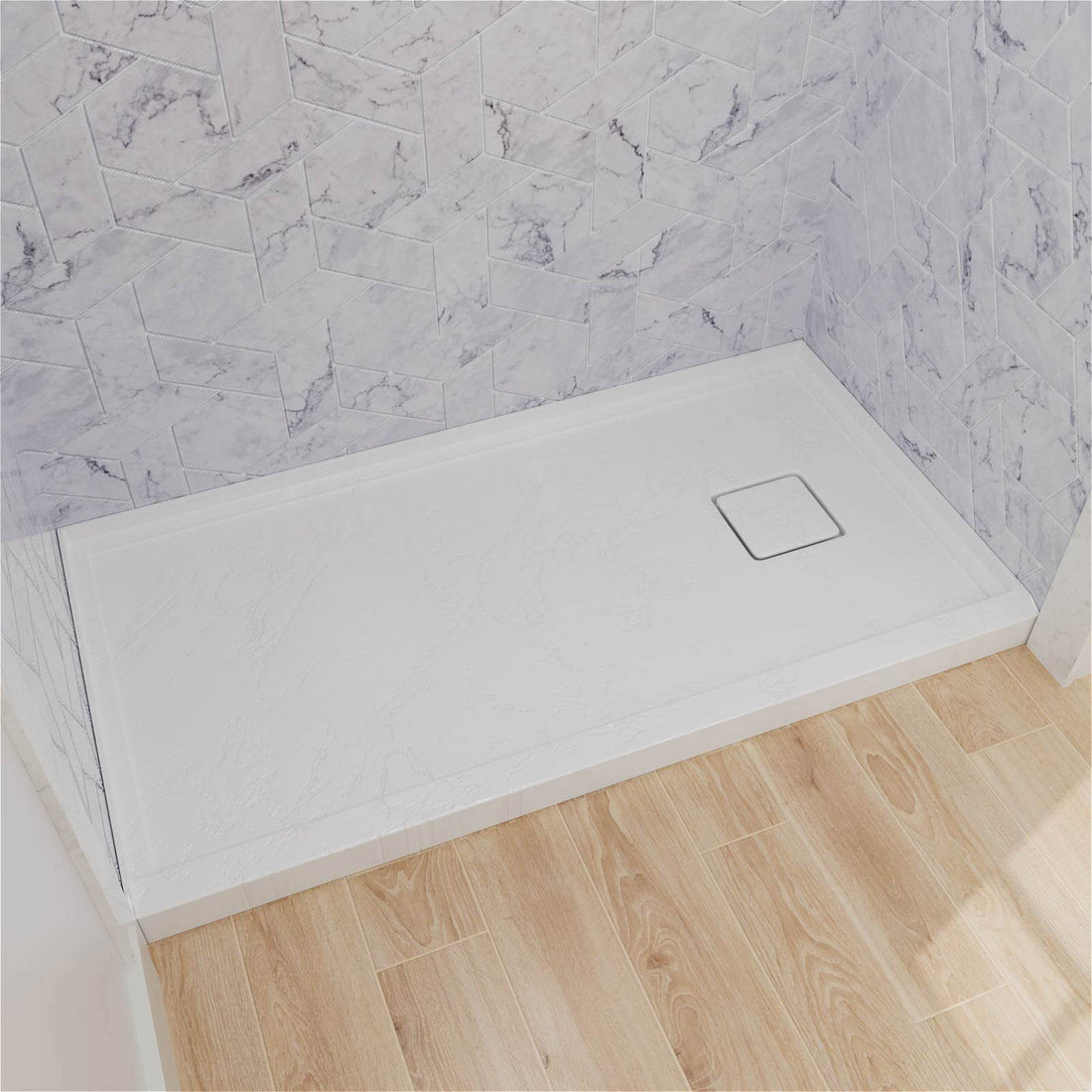
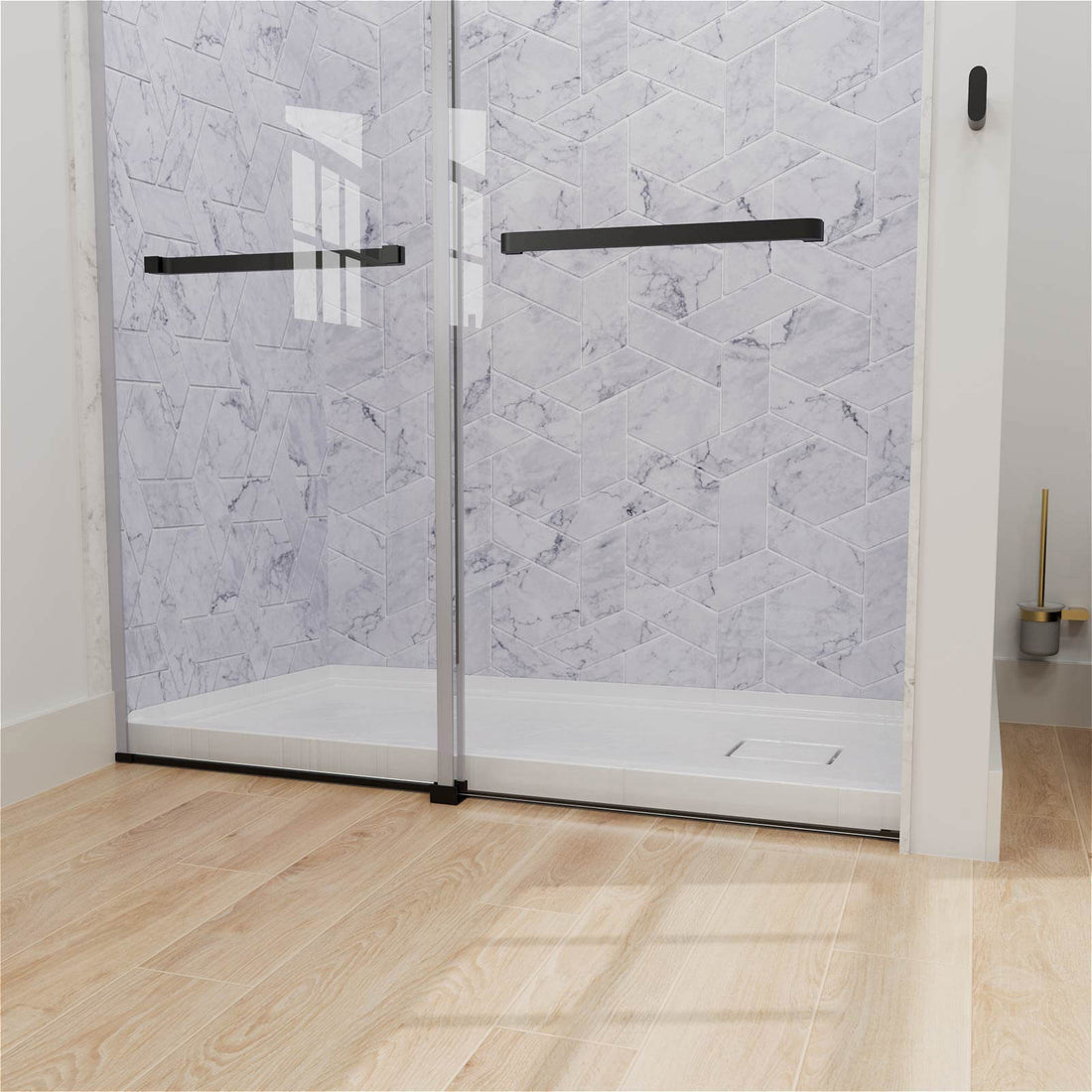 Mokleba 60" x 32" One-Piece White Shower Pan with Right Drain
- Regular price
-
$499.99 - Regular price
-
- Sale price
-
$499.99
Quick view
-
Mokleba 60" x 32" One-Piece White Shower Pan with Left Drain
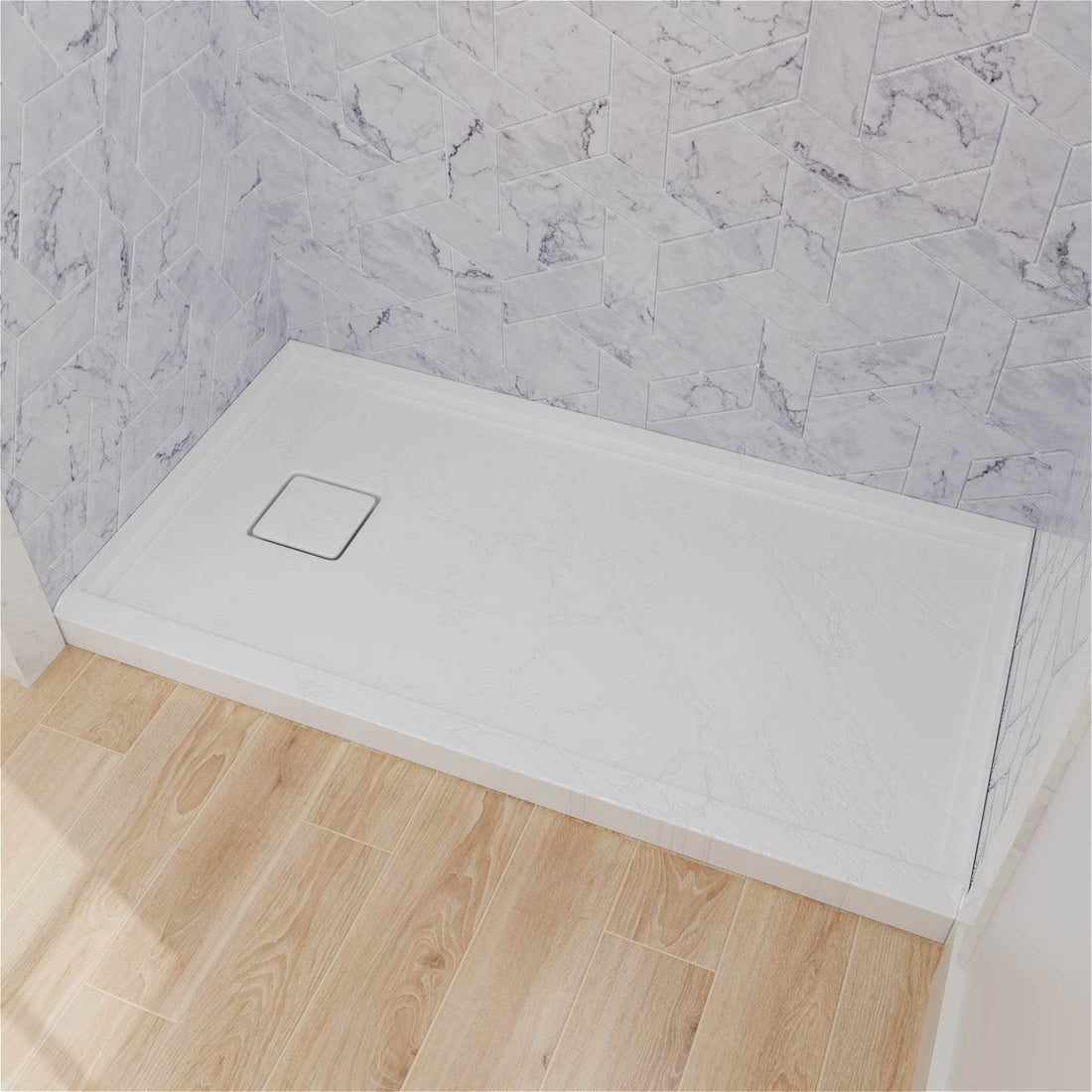
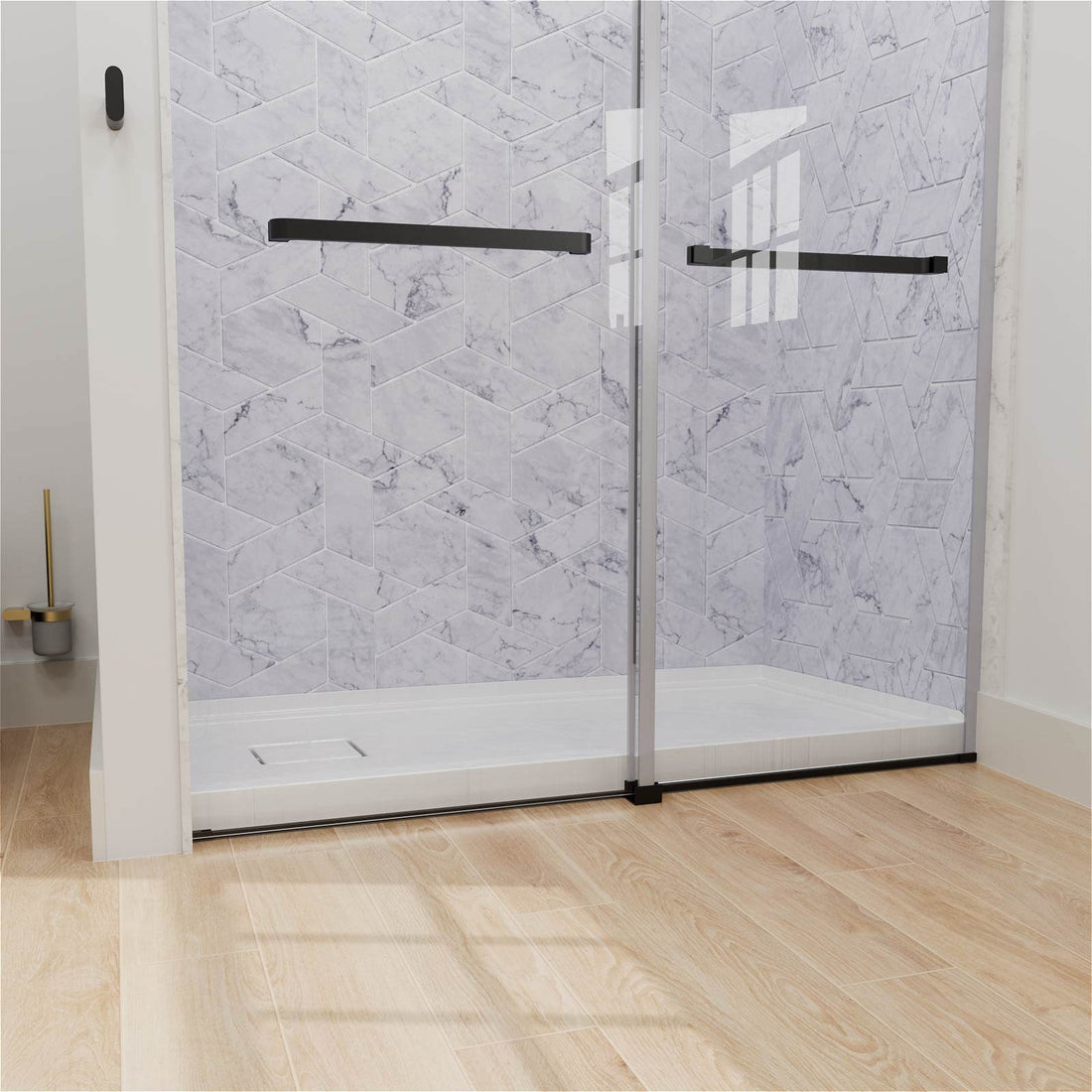 Mokleba 60" x 32" One-Piece White Shower Pan with Left Drain
- Regular price
-
$499.99 - Regular price
-
- Sale price
-
$499.99
Quick view
-
Mokleba 60" x 36" Alcove Acrylic Single-Threshold Shower Base
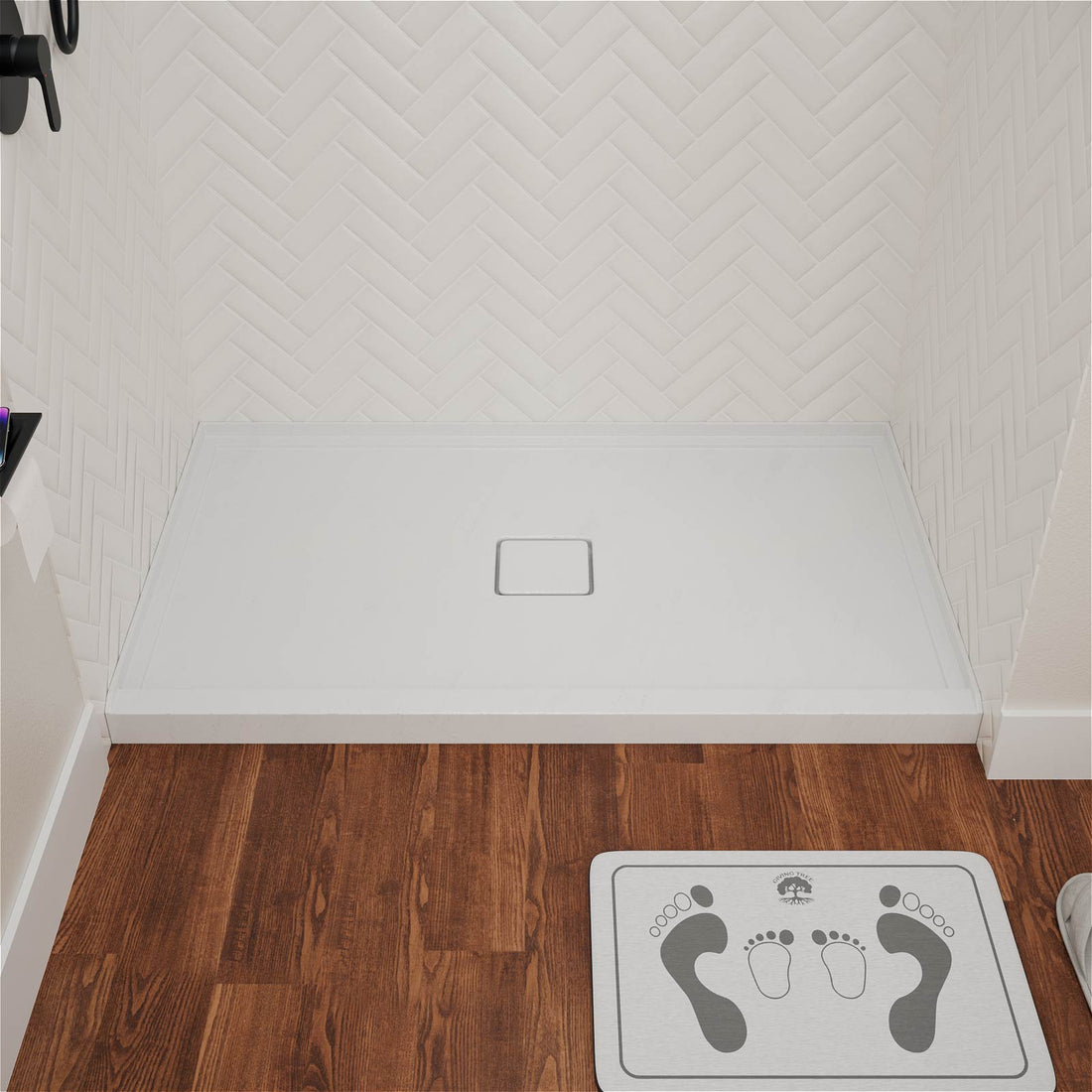
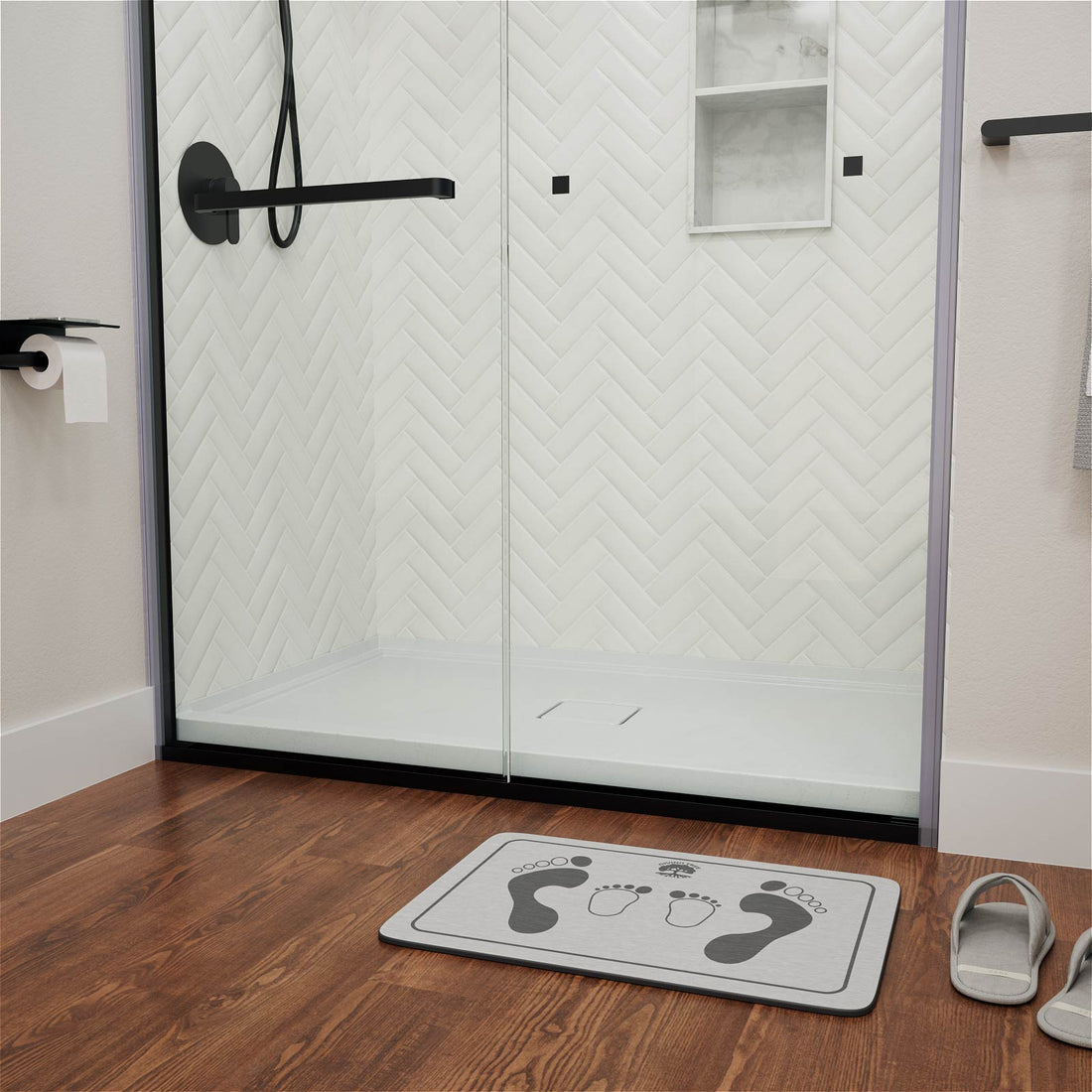 Mokleba 60" x 36" Alcove Acrylic Single-Threshold Shower Base
- Regular price
-
$519.99 - Regular price
-
- Sale price
-
$519.99
Quick view
-
Mokleba 60" x 36" White Single-Threshold Shower Base with Slip-Resistant Texture
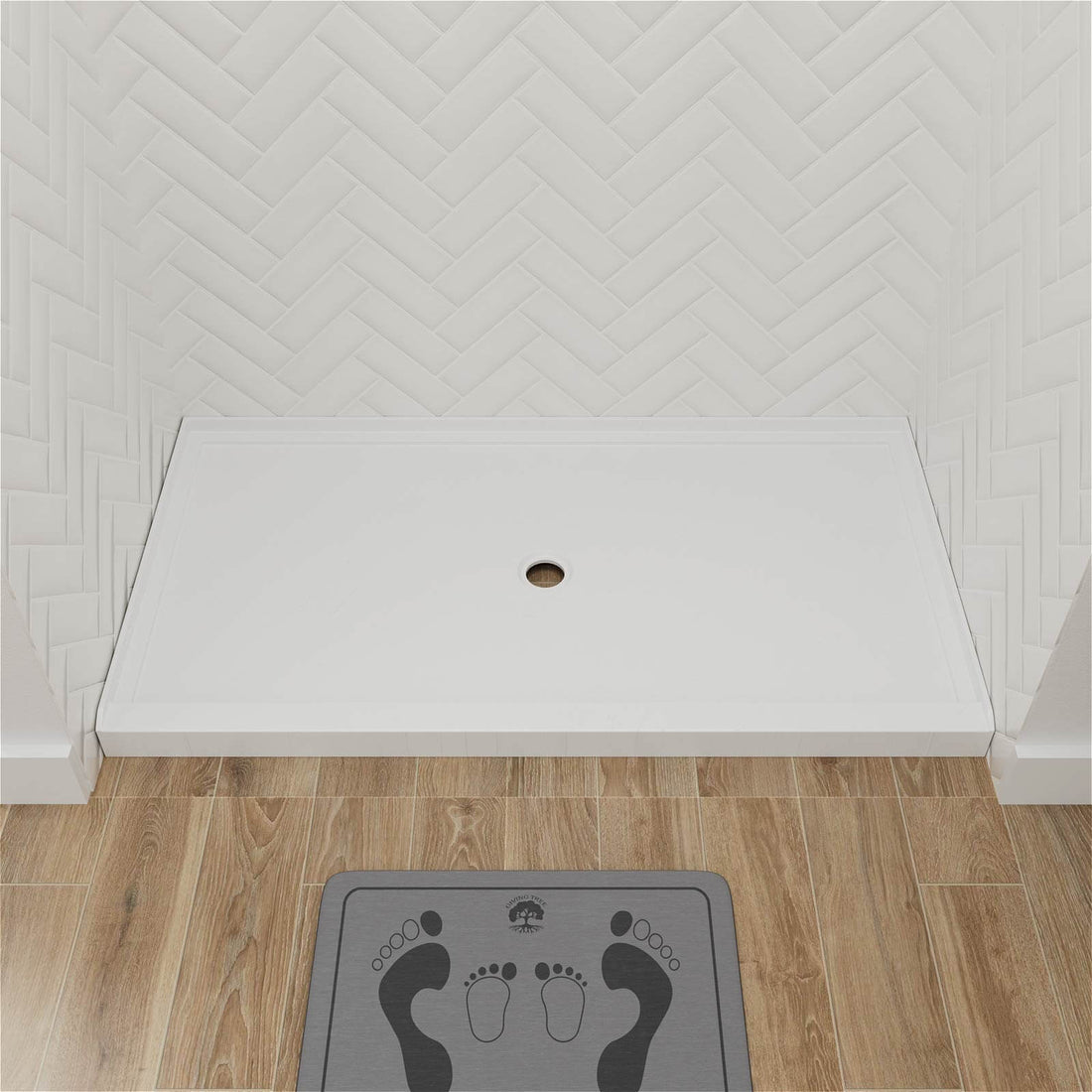
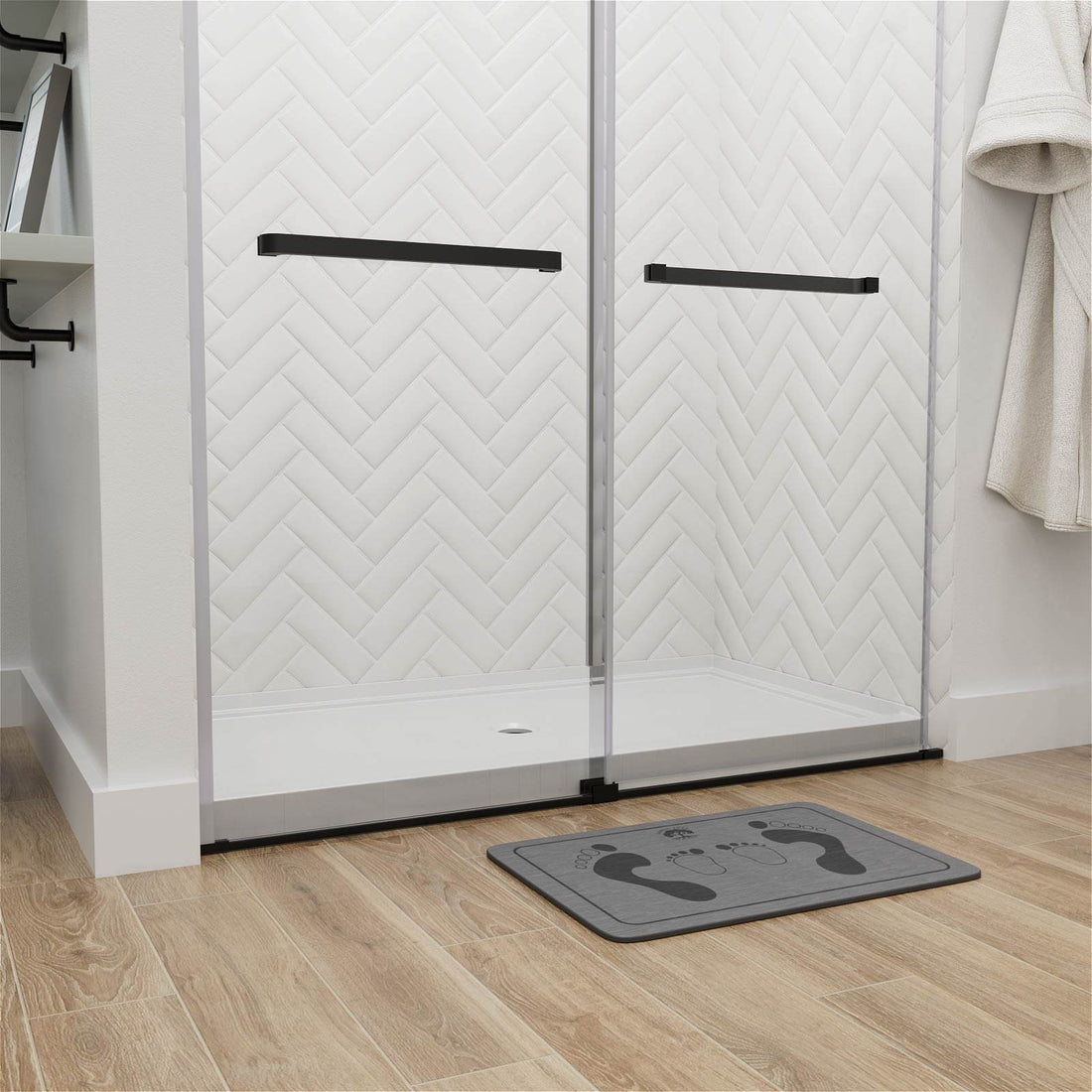 Mokleba 60" x 36" White Single-Threshold Shower Base with Slip-Resistant Texture
- Regular price
-
$529.99 - Regular price
-
- Sale price
-
$529.99
Quick view
-
Mokleba 60" x 36" Black Single-Threshold Shower Base with Slip-Resistant Texture
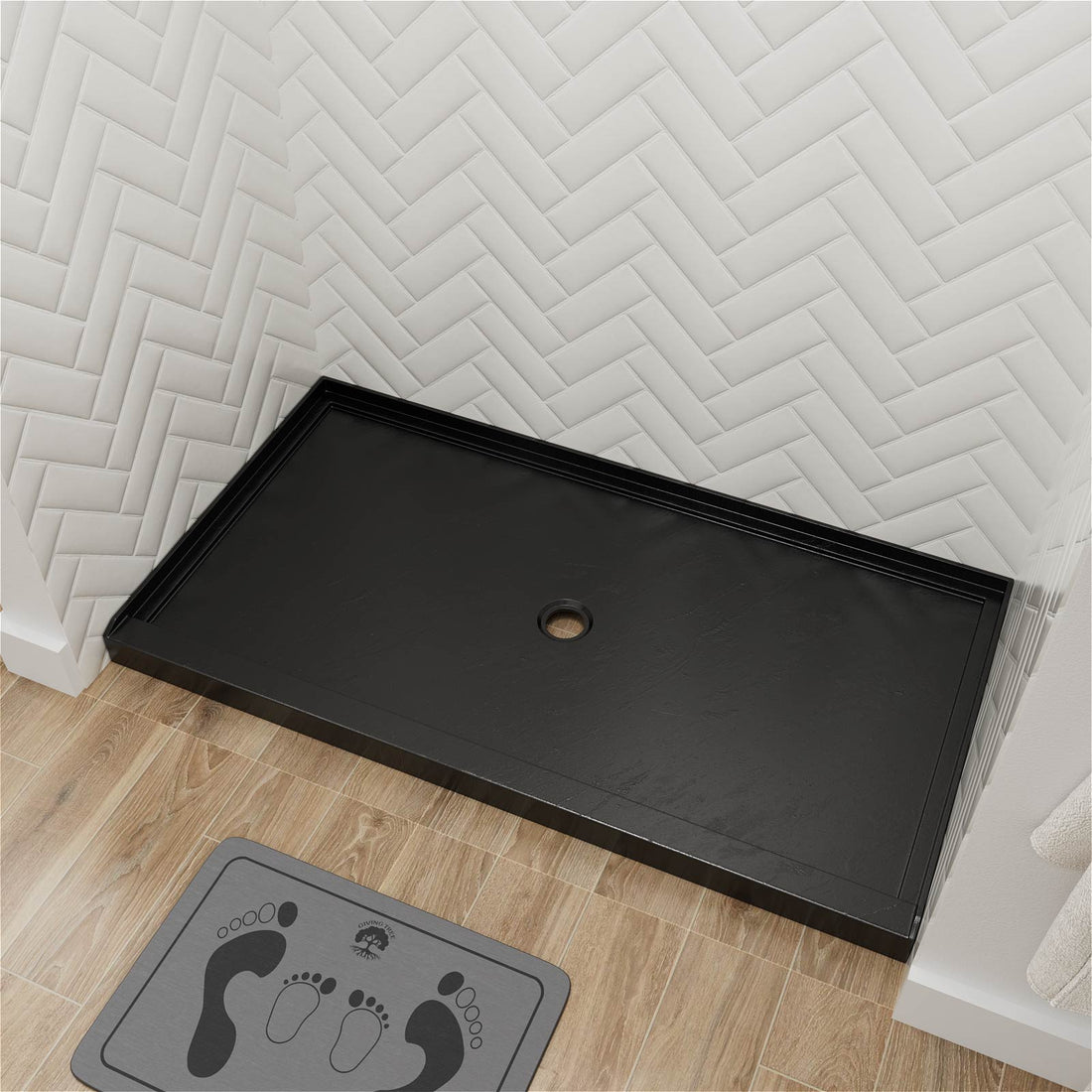
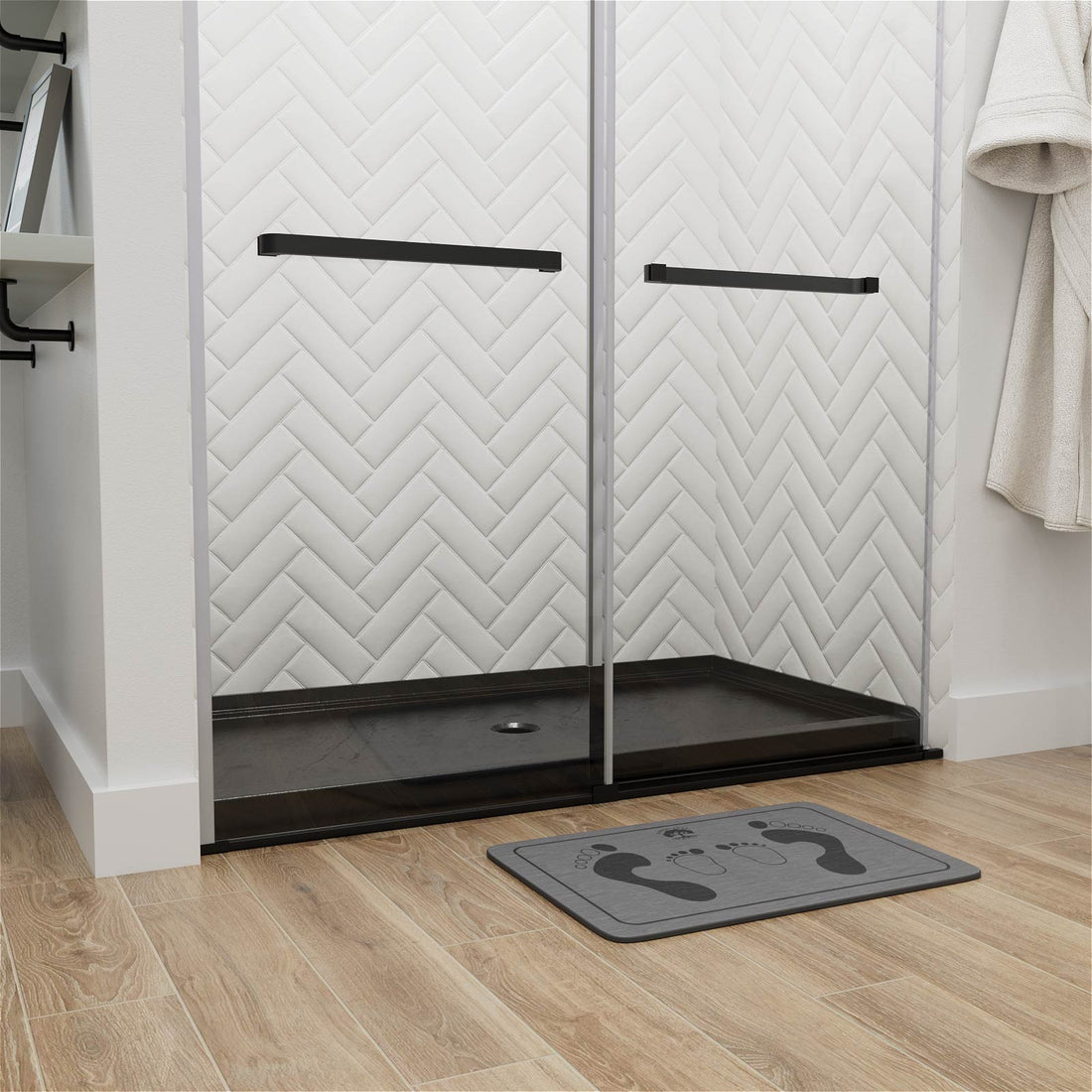 Mokleba 60" x 36" Black Single-Threshold Shower Base with Slip-Resistant Texture
- Regular price
-
$549.99 - Regular price
-
- Sale price
-
$549.99
Quick view
-
60" x 32" Single Threshold Left Drain Shower Base with Stainless Steel Drain Cover
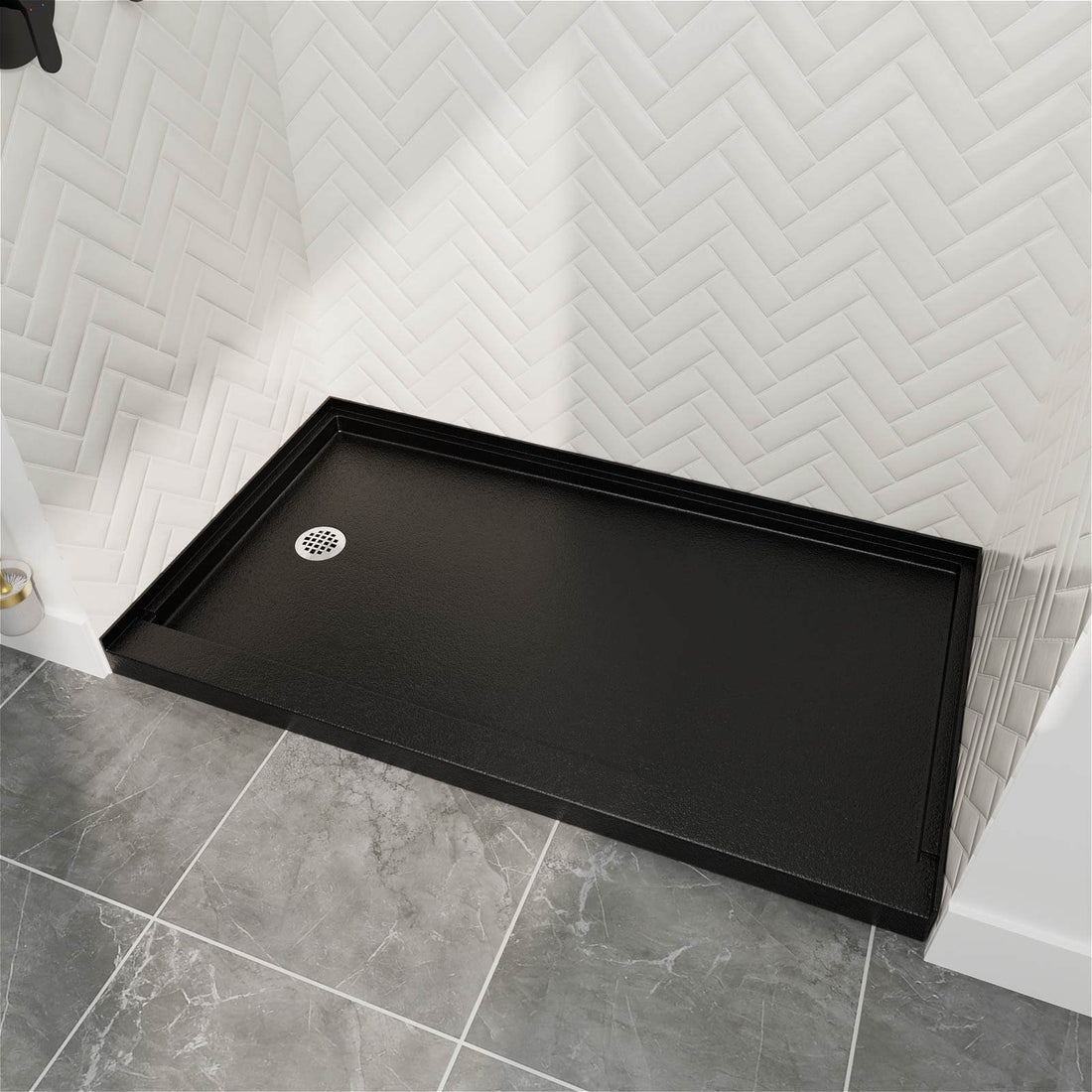
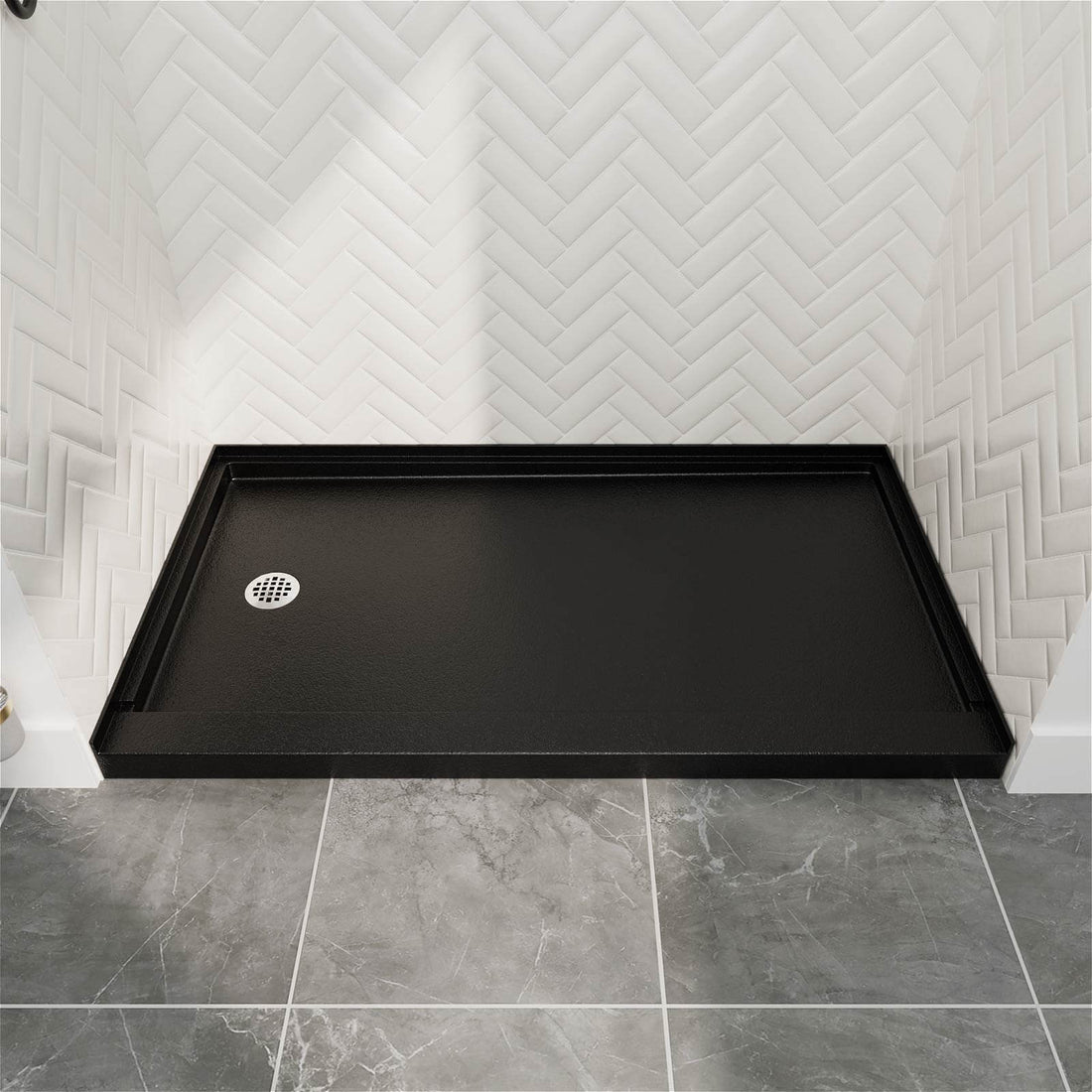 60" x 32" Single Threshold Left Drain Shower Base with Stainless Steel Drain Cover
- Regular price
-
$879.99 - Regular price
-
- Sale price
-
$879.99
Quick view
-
60" x 34" Black Shower Base with Left Drain Removable Stainless Cover, Non-Slip Texture, Solid Surface
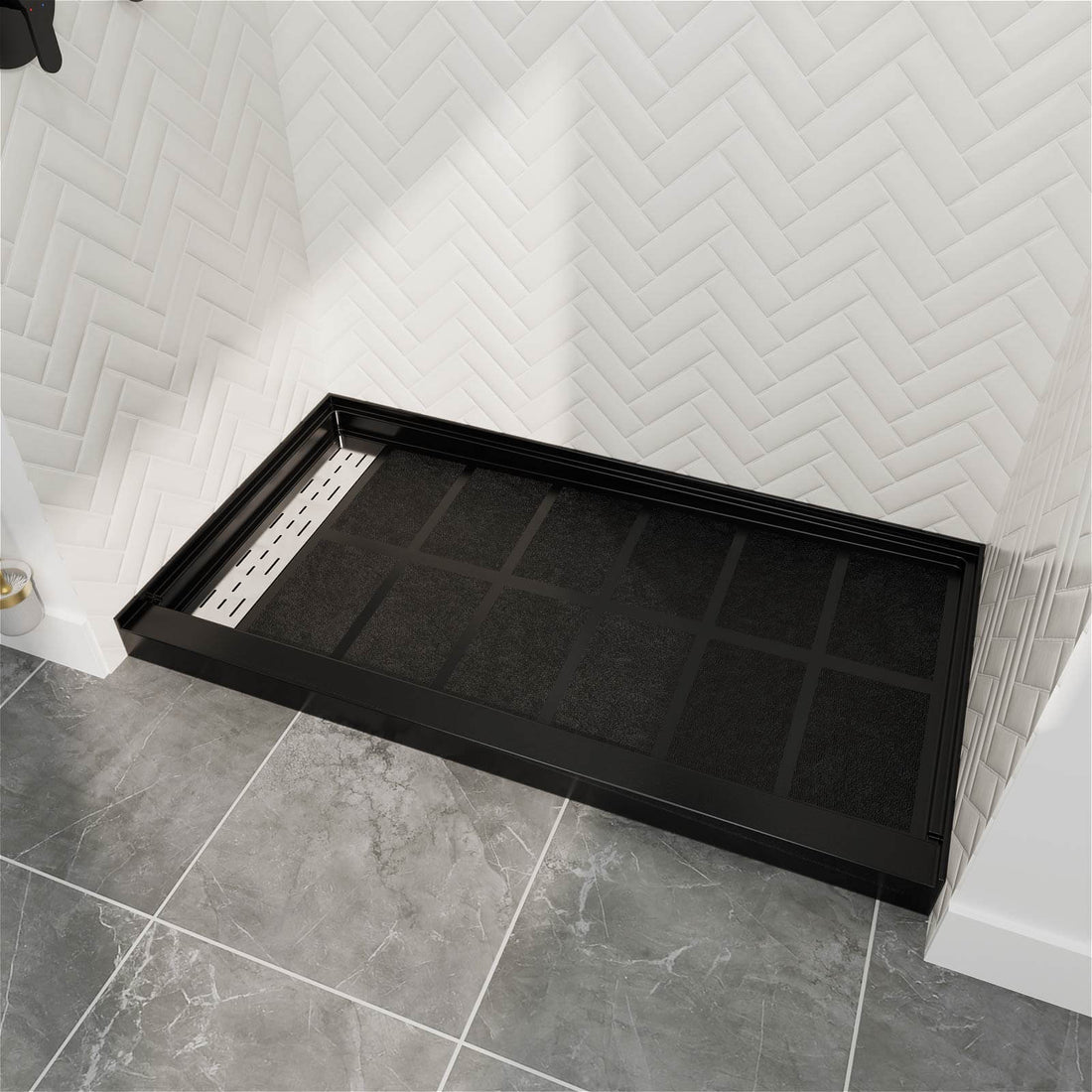
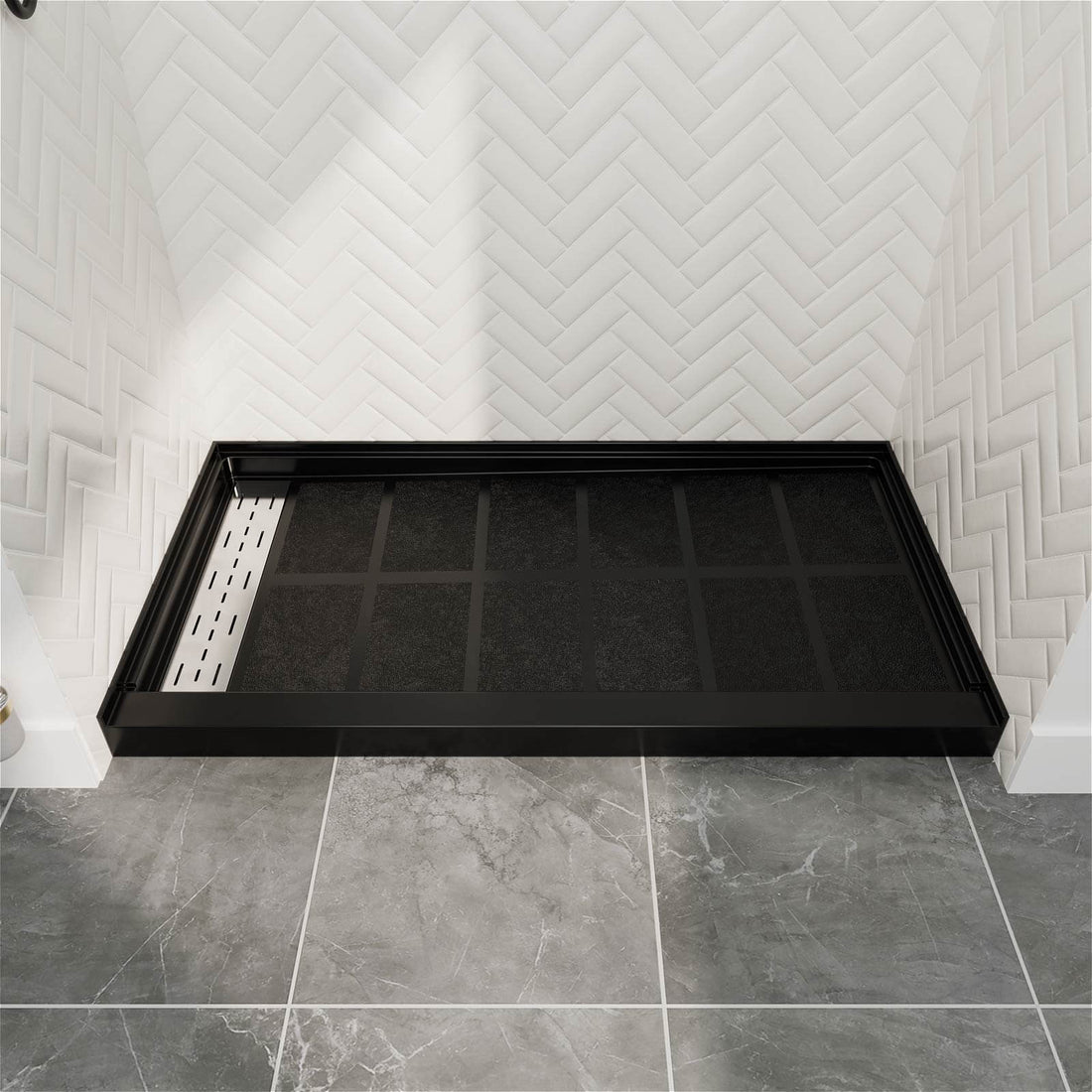 60" x 34" Black Shower Base with Left Drain Removable Stainless Cover, Non-Slip Texture, Solid Surface
- Regular price
-
$669.99 - Regular price
-
- Sale price
-
$669.99
Quick view
-
60" x 34" White Shower Base with Left Drain Removable Stainless Cover, Non-Slip Texture, Solid Surface
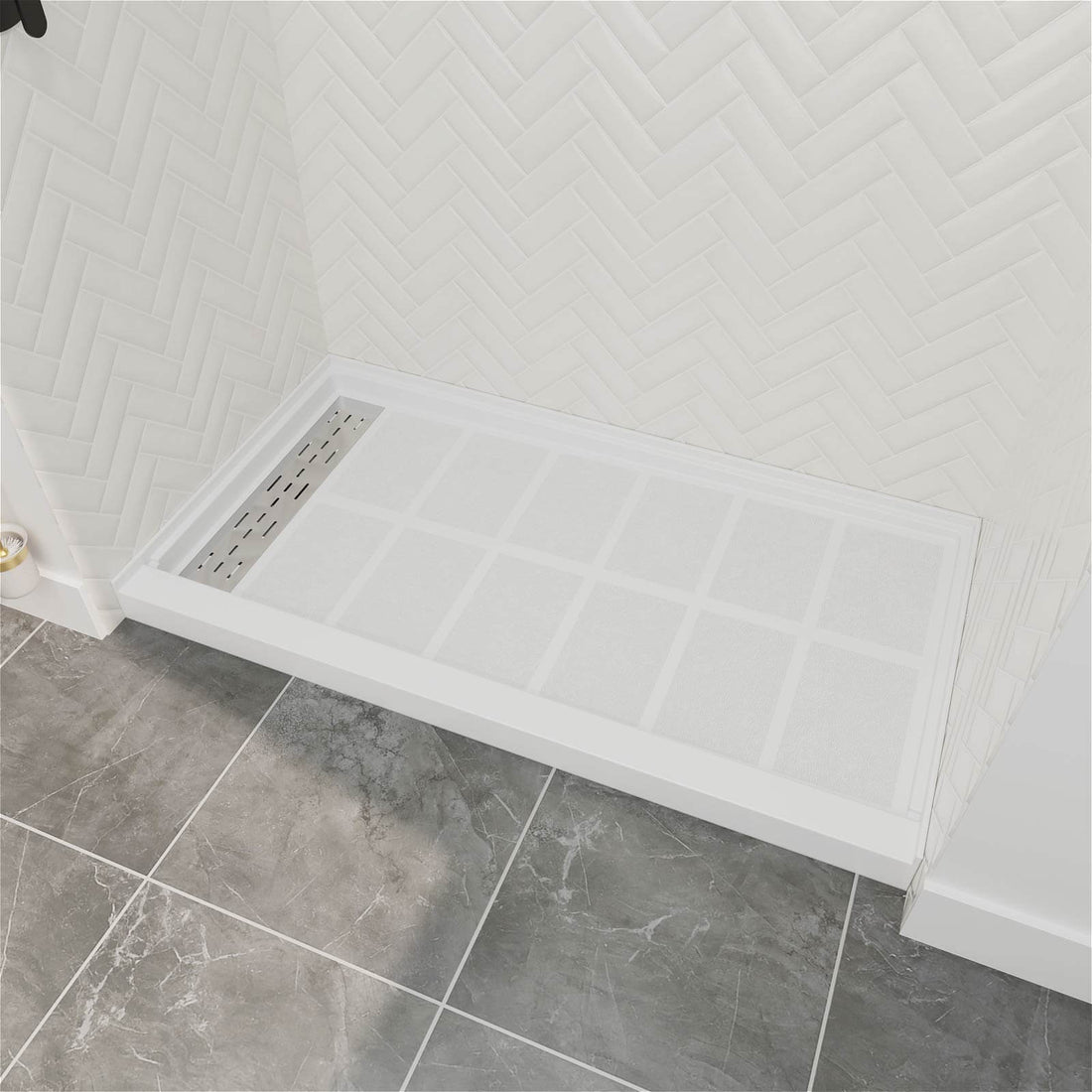
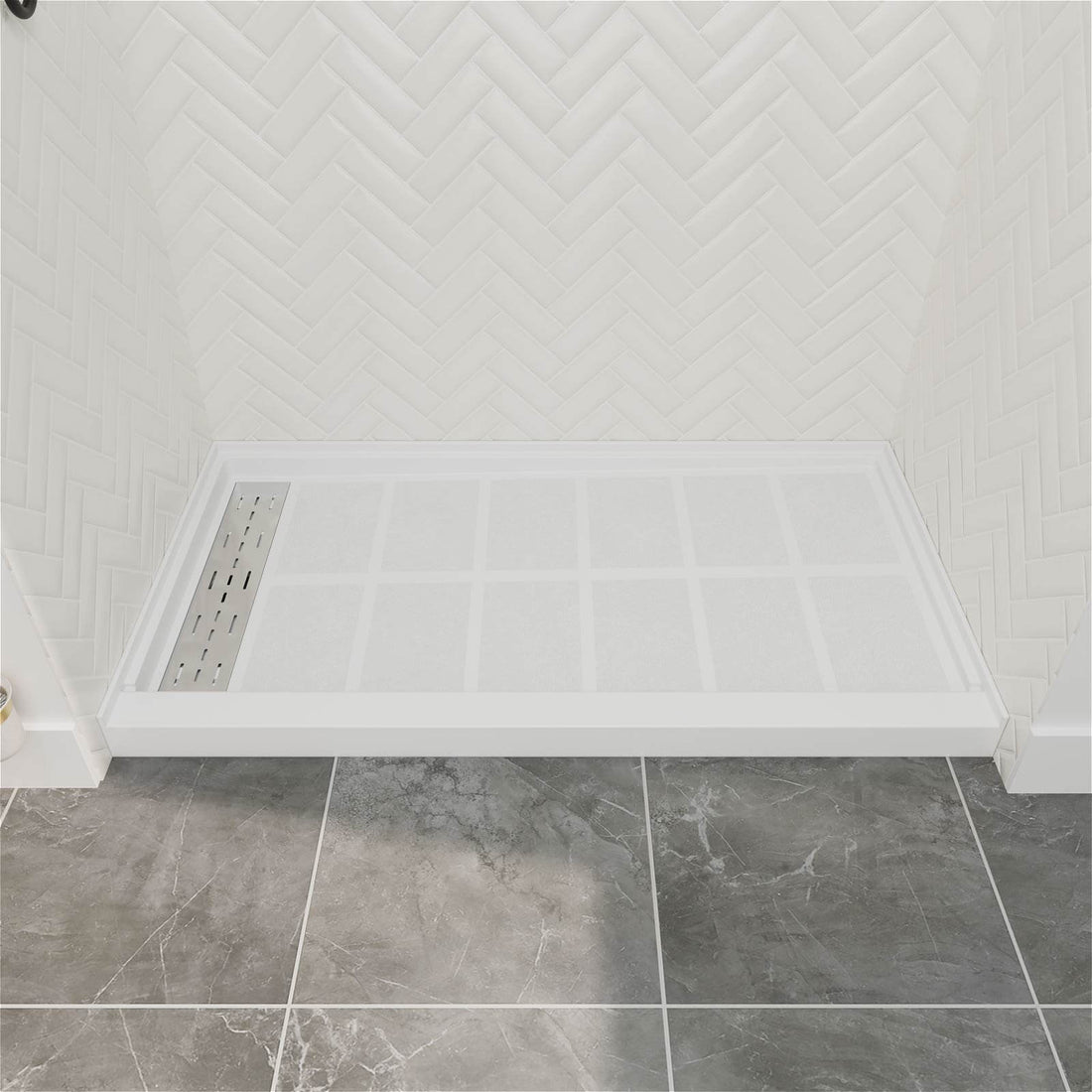 60" x 34" White Shower Base with Left Drain Removable Stainless Cover, Non-Slip Texture, Solid Surface
- Regular price
-
$879.99 - Regular price
-
- Sale price
-
$879.99
Quick view
-
Mokleba 36" x 36" White Acrylic Shower Base with Center Drain
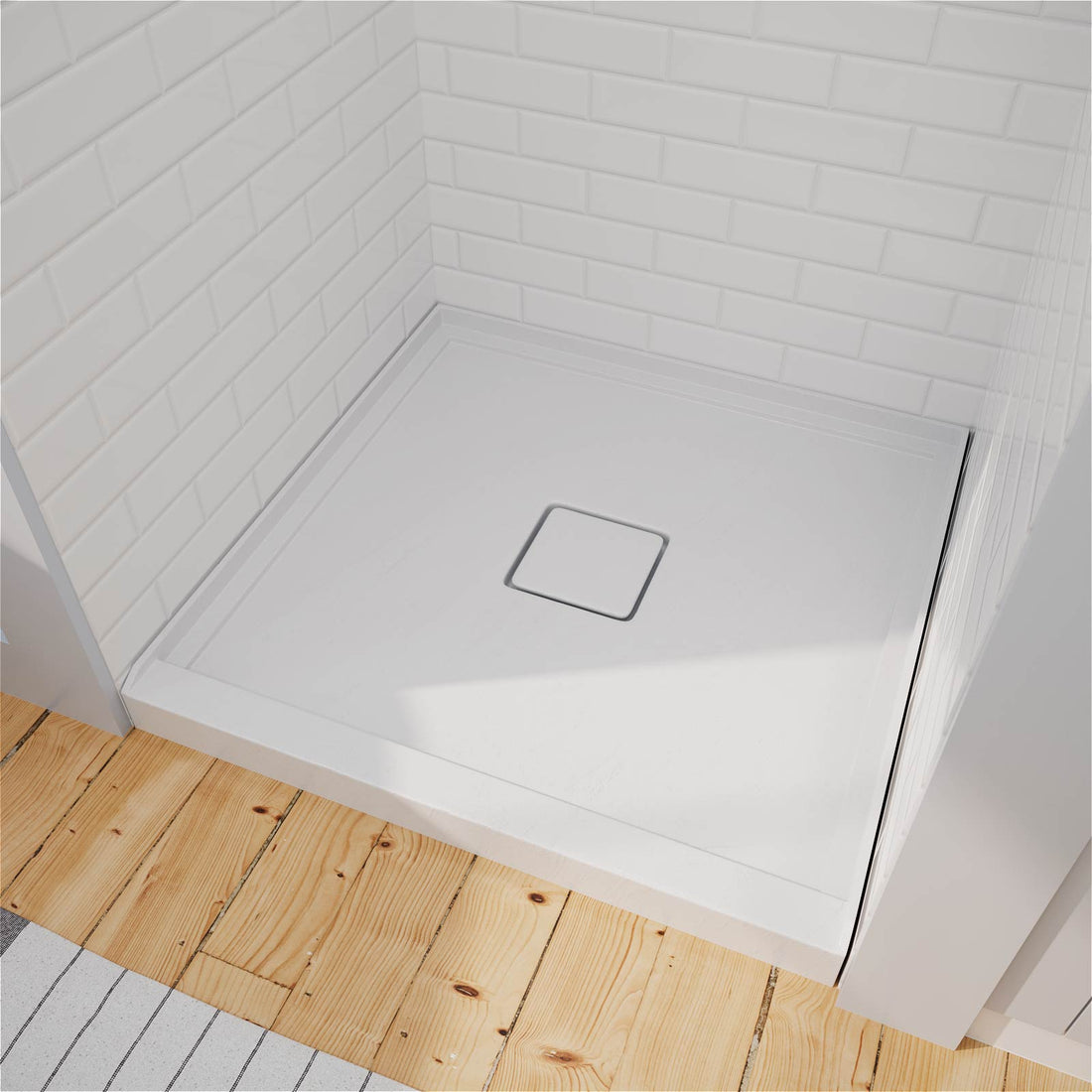
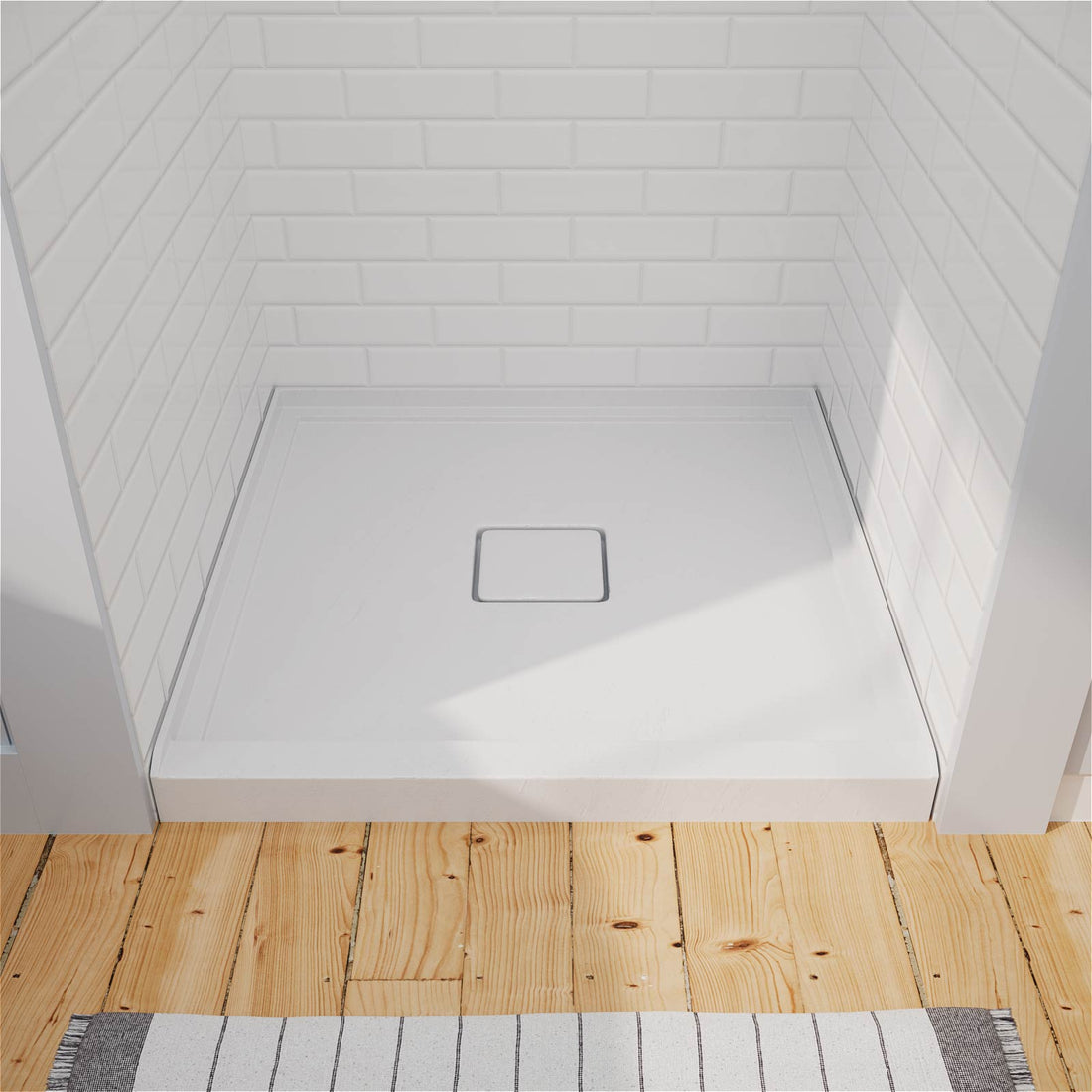 Mokleba 36" x 36" White Acrylic Shower Base with Center Drain
- Regular price
-
$329.99 - Regular price
-
- Sale price
-
$329.99
Quick view
-
32"x48" Slate Textured Anti-Slip Shower Pan
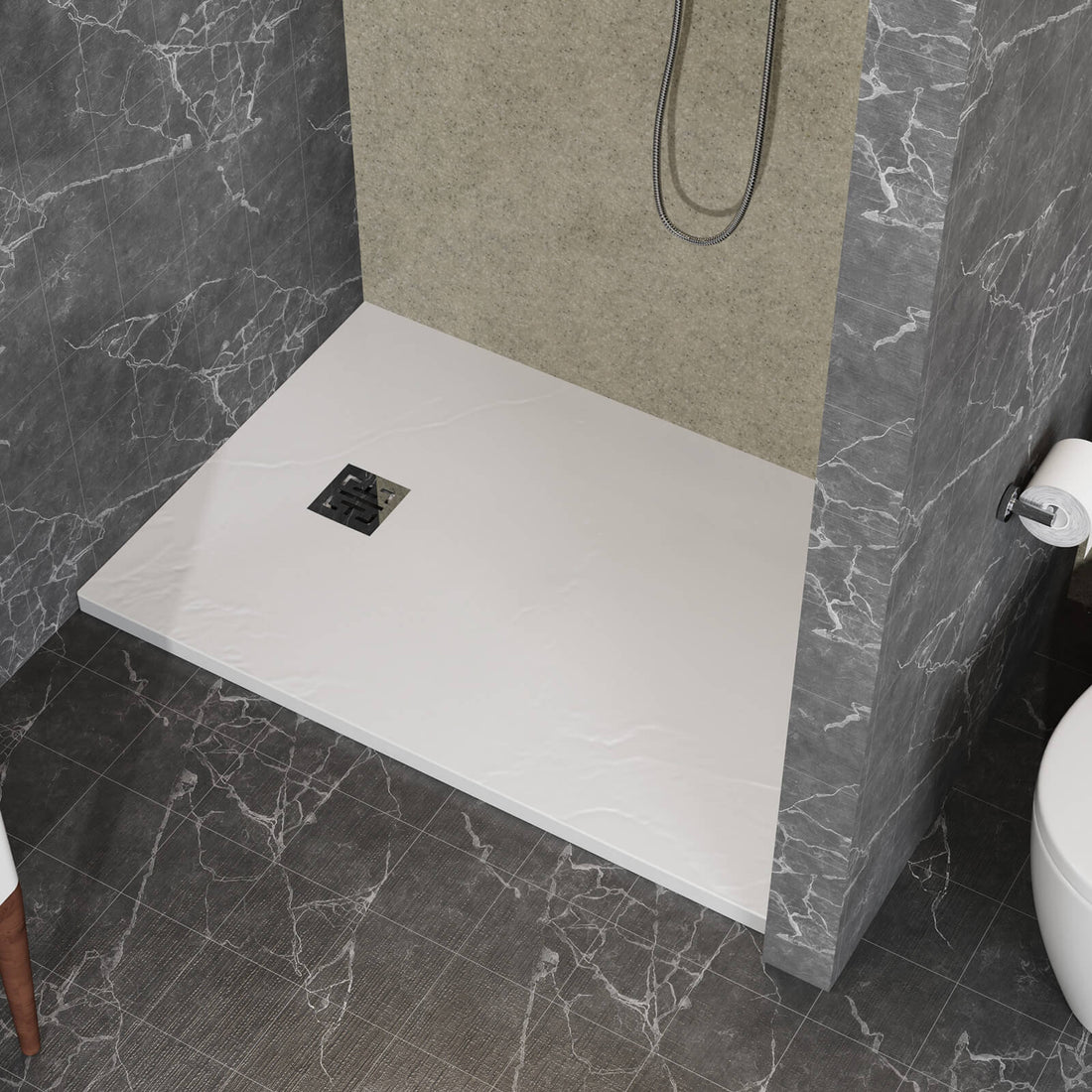
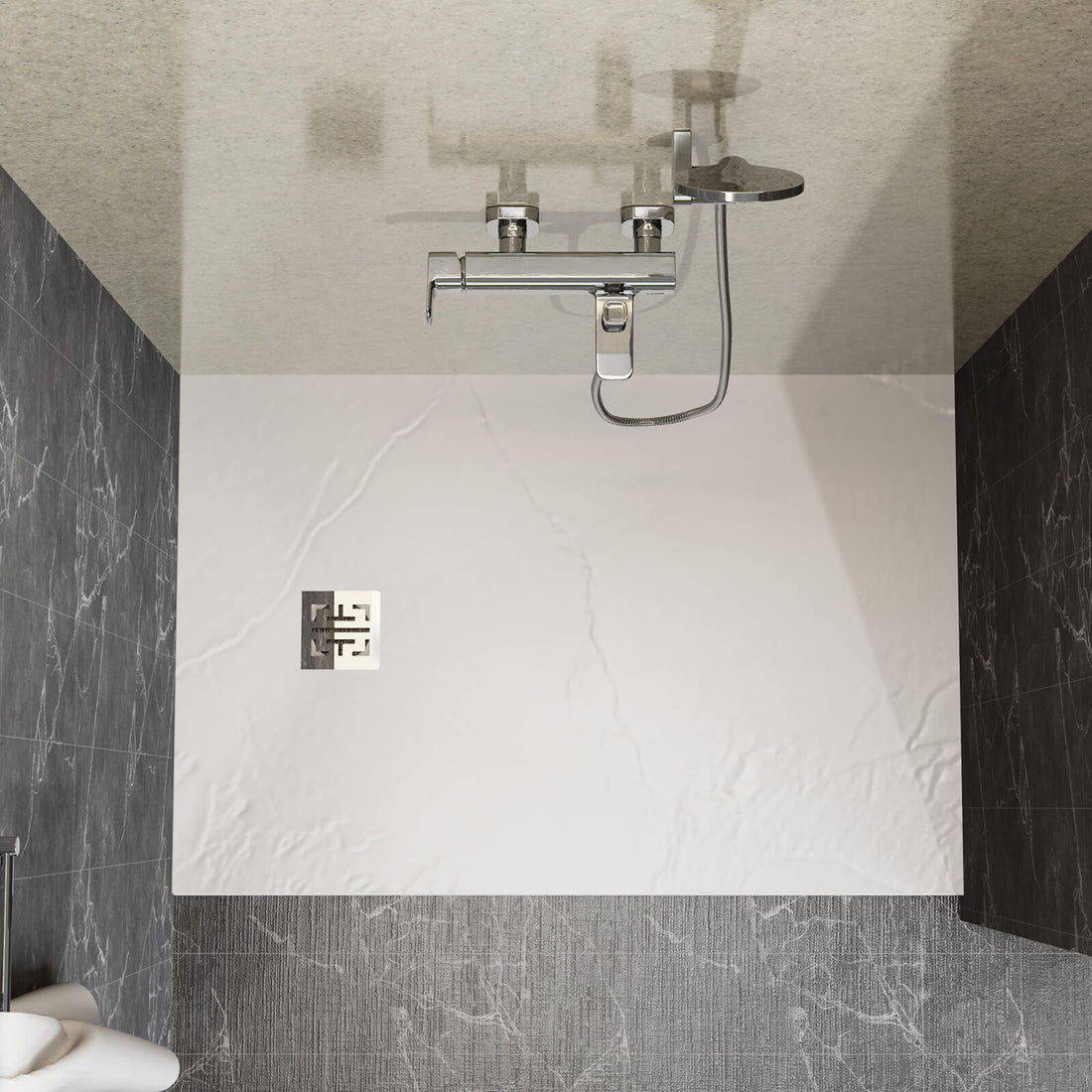 32"x48" Slate Textured Anti-Slip Shower Pan
- Regular price
-
$439.99 - Regular price
-
- Sale price
-
$439.99
Quick view
-
36" x 36" Acrylic Diamond-Shaped Neo Angle Shower Base
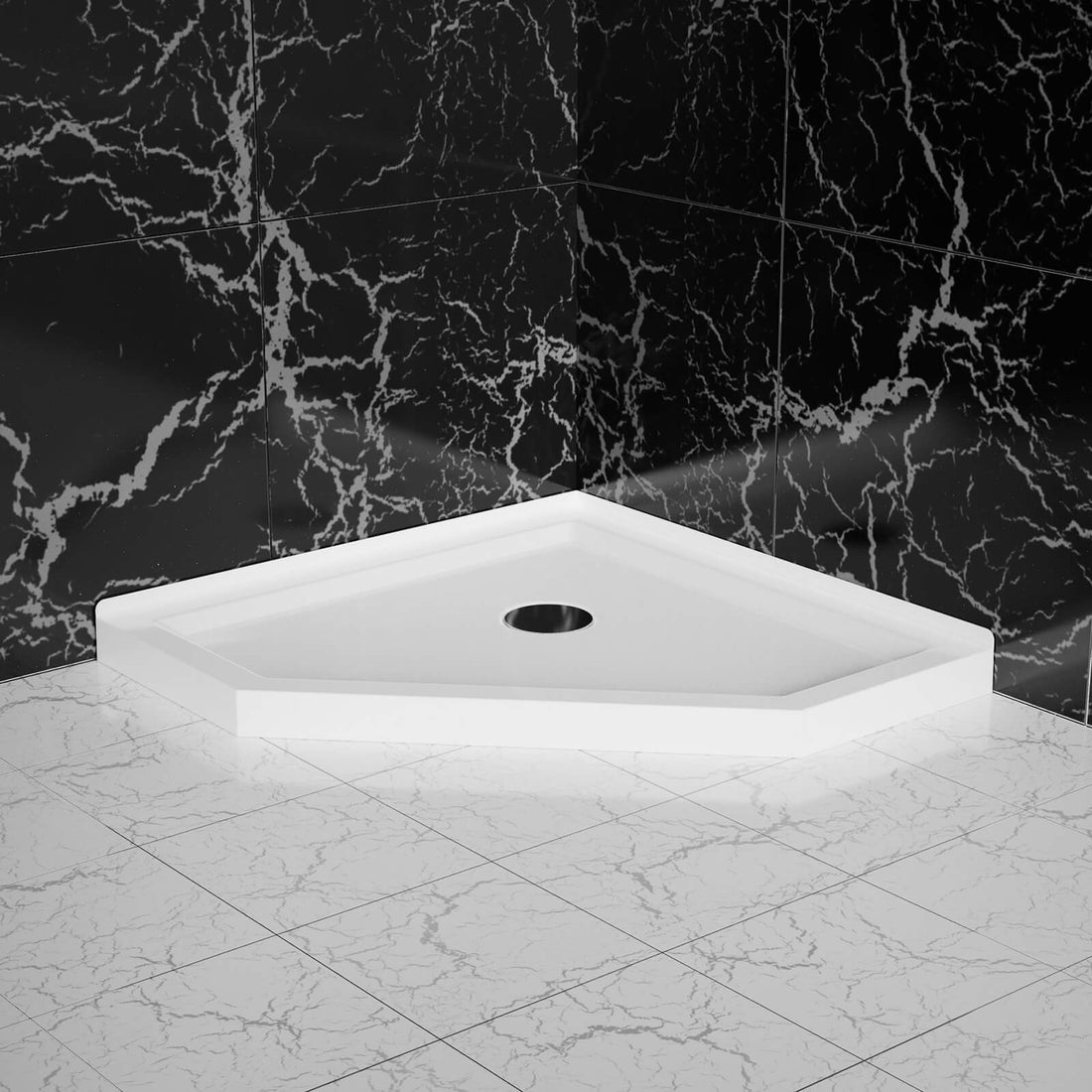
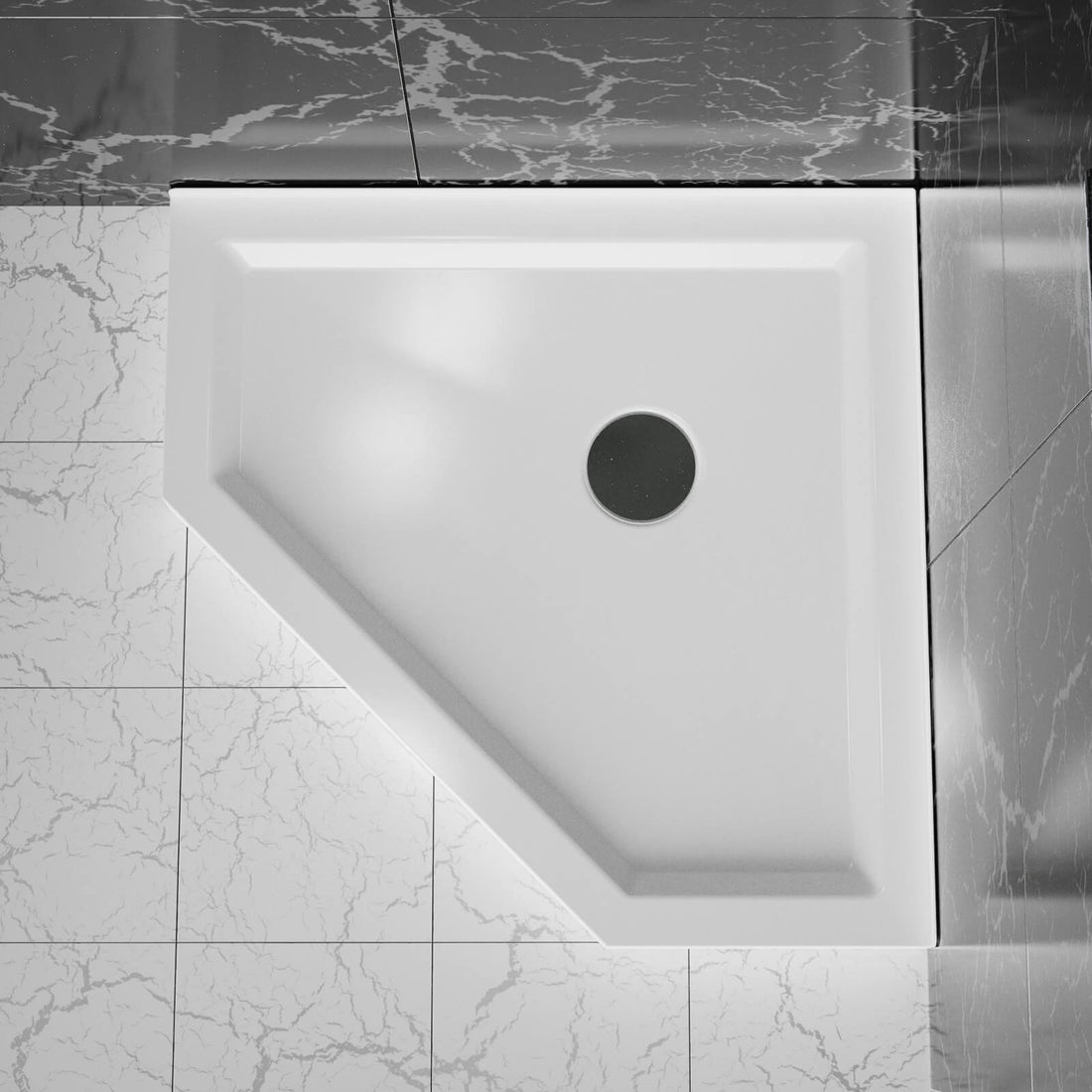 36" x 36" Acrylic Diamond-Shaped Neo Angle Shower Base
- Regular price
-
$289.99 - Regular price
-
- Sale price
-
$289.99
Quick view
-
32" x 48" Center Drain Alcove Shower Pan
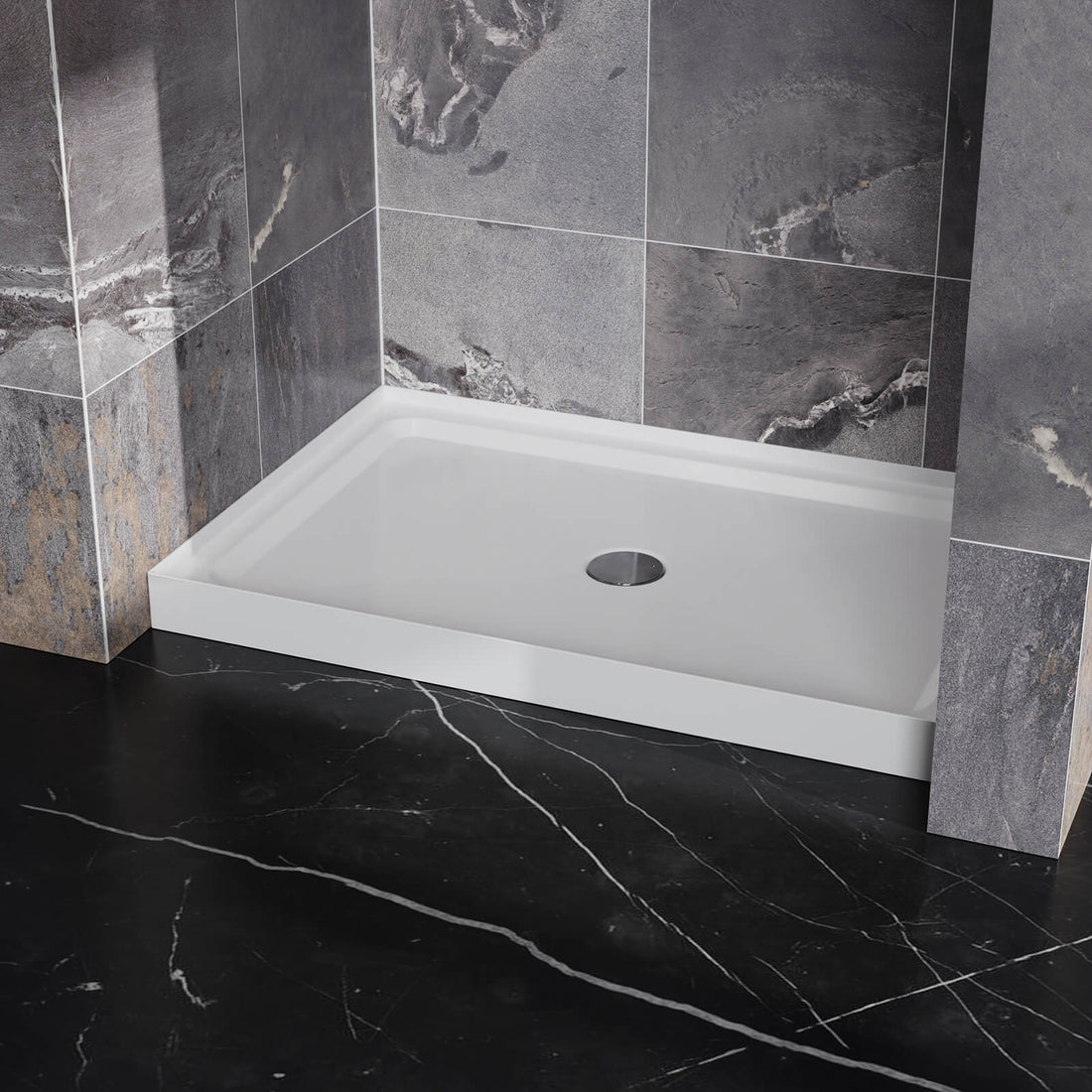
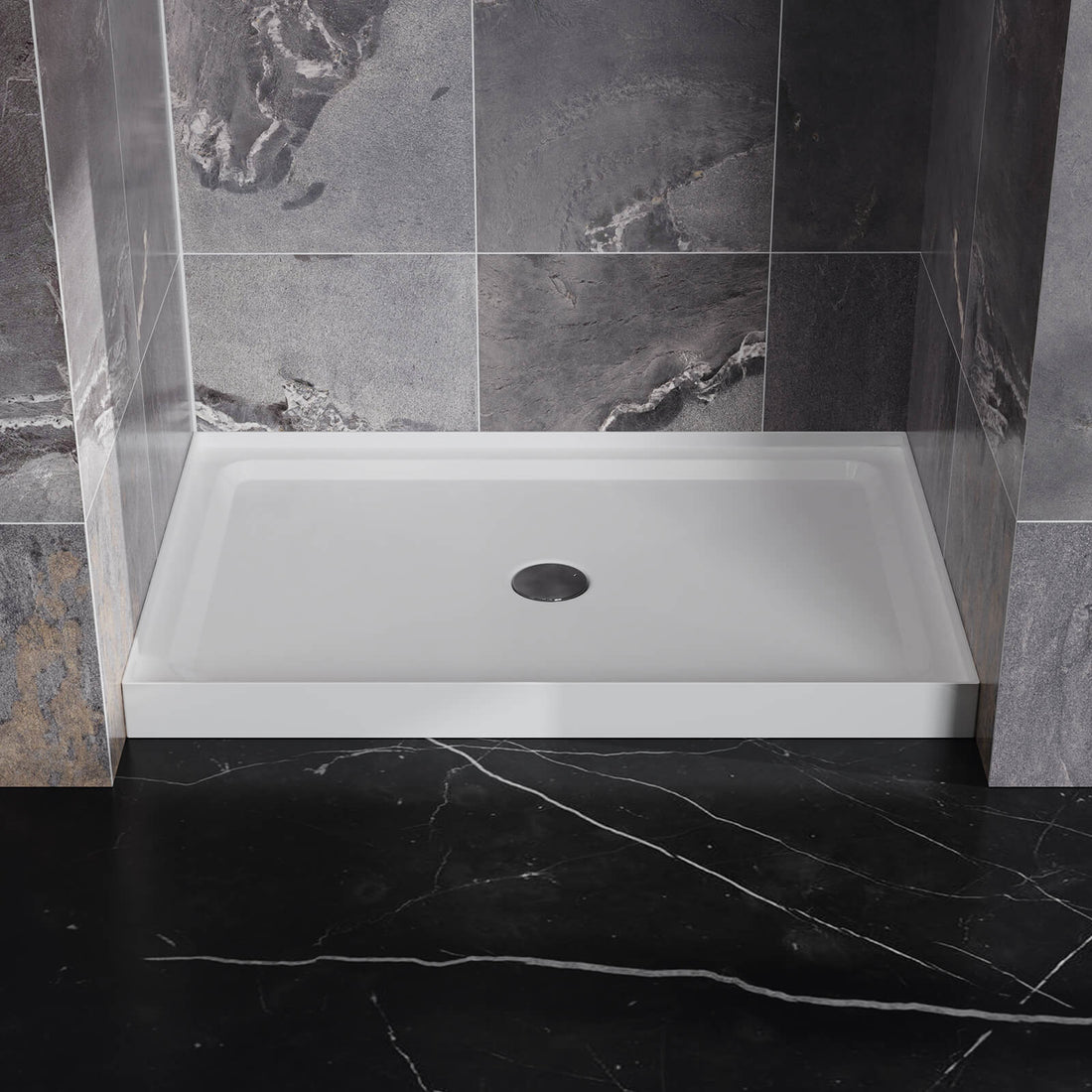 32" x 48" Center Drain Alcove Shower Pan
- Regular price
-
$369.99 - Regular price
-
- Sale price
-
$369.99
Quick view
-
36"x36" Black Acrylic Square Shower Base
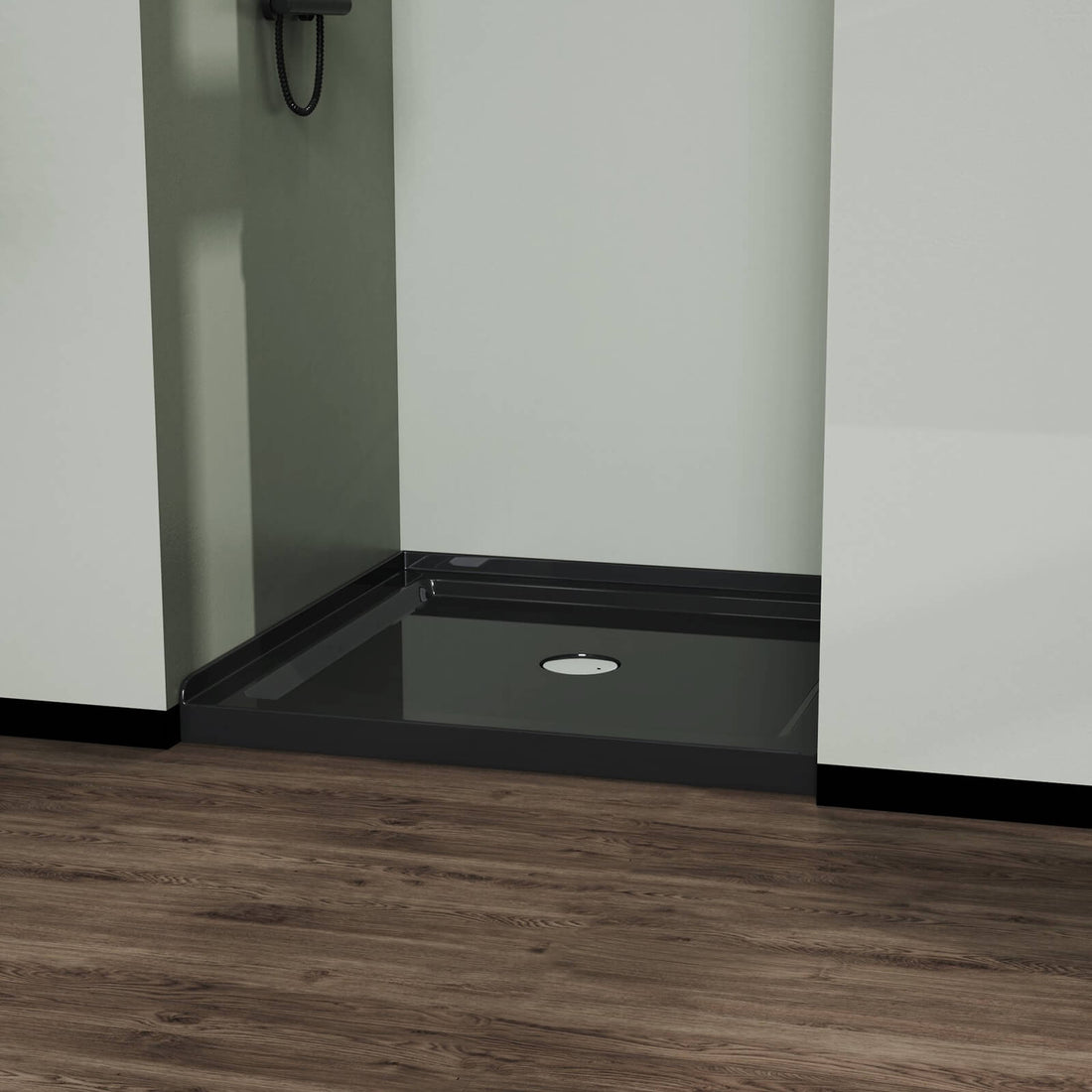
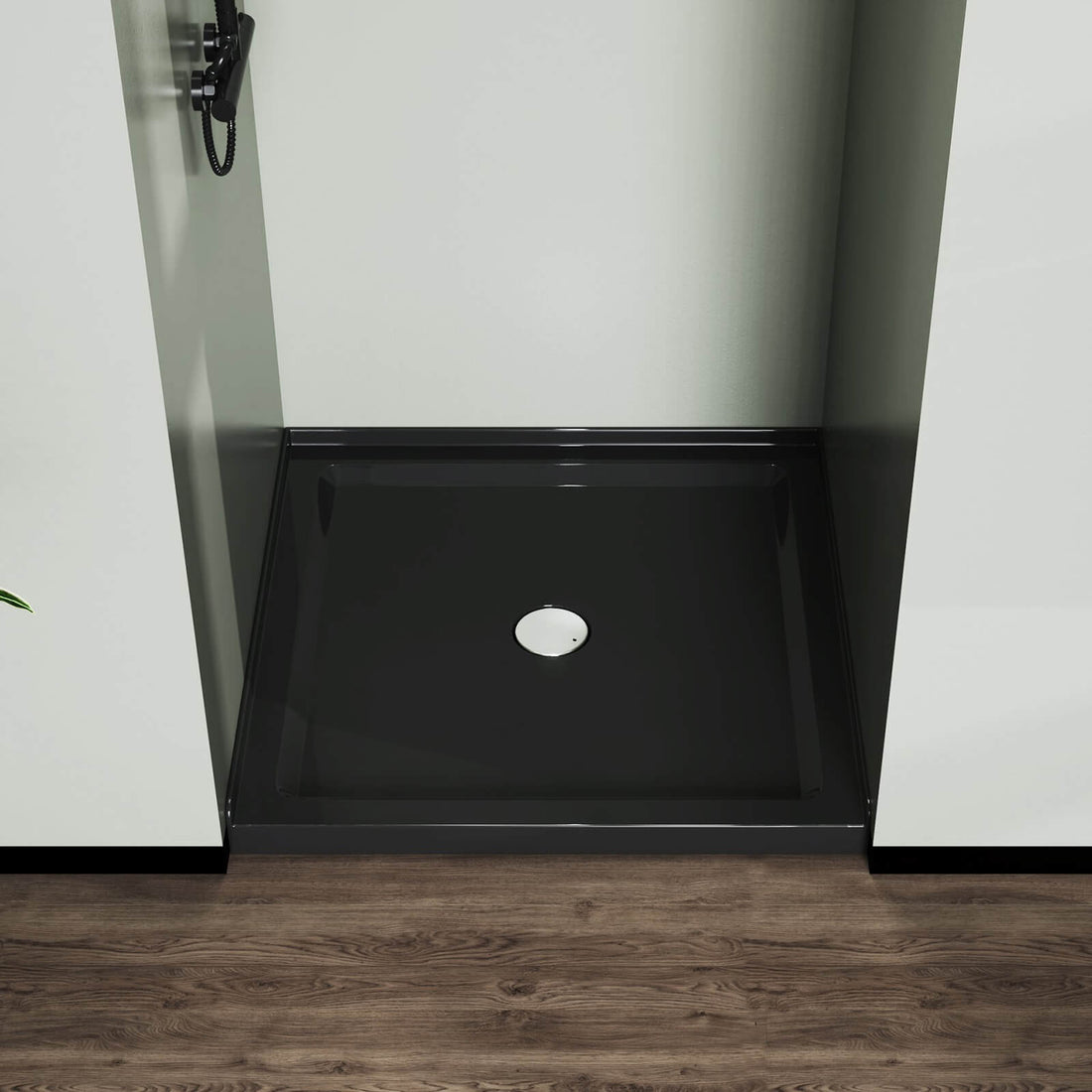 36"x36" Black Acrylic Square Shower Base
- Regular price
-
$319.99 - Regular price
-
- Sale price
-
$319.99
Quick view
-
Mokleba 36" x 36" Black Acrylic Shower Base with Center Drain
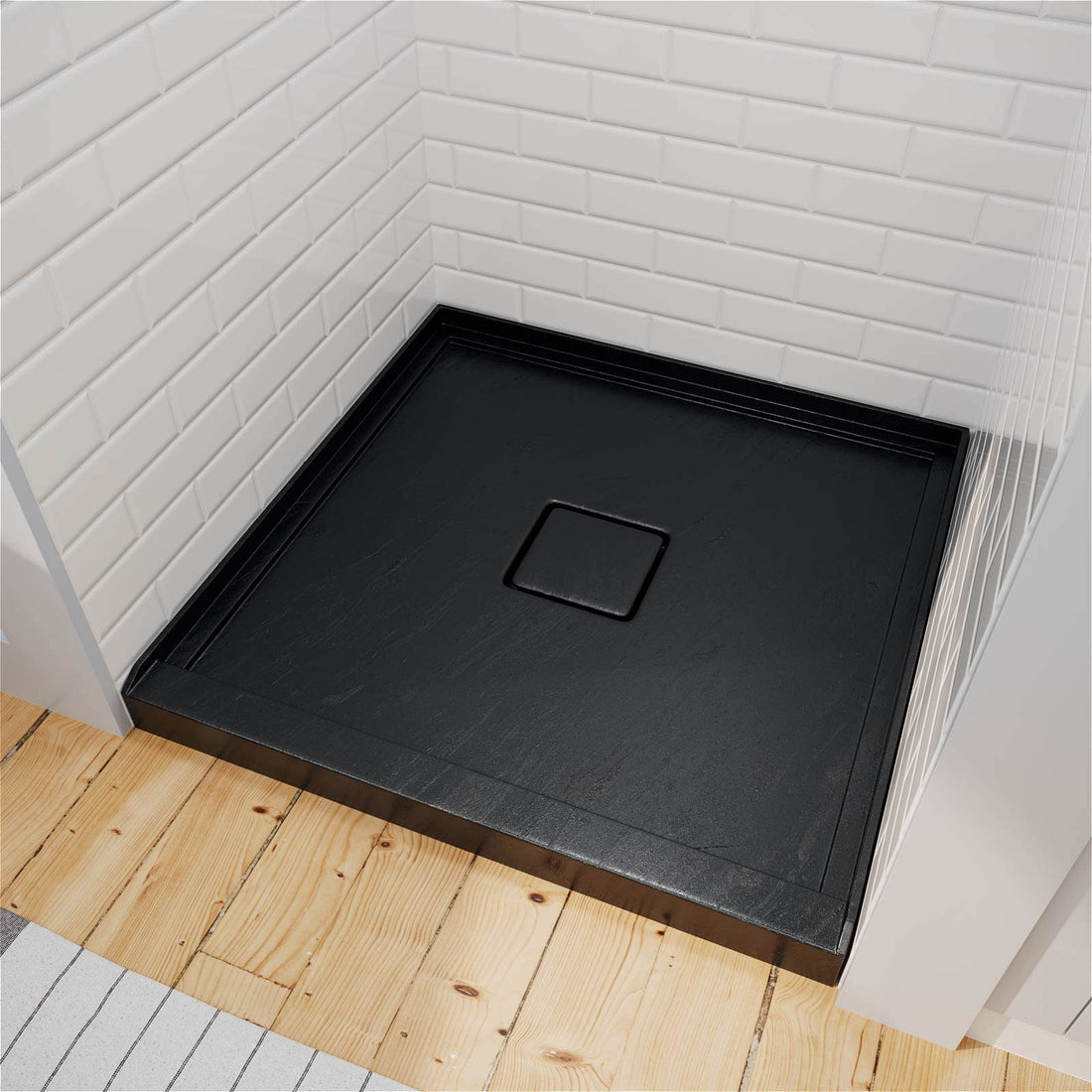
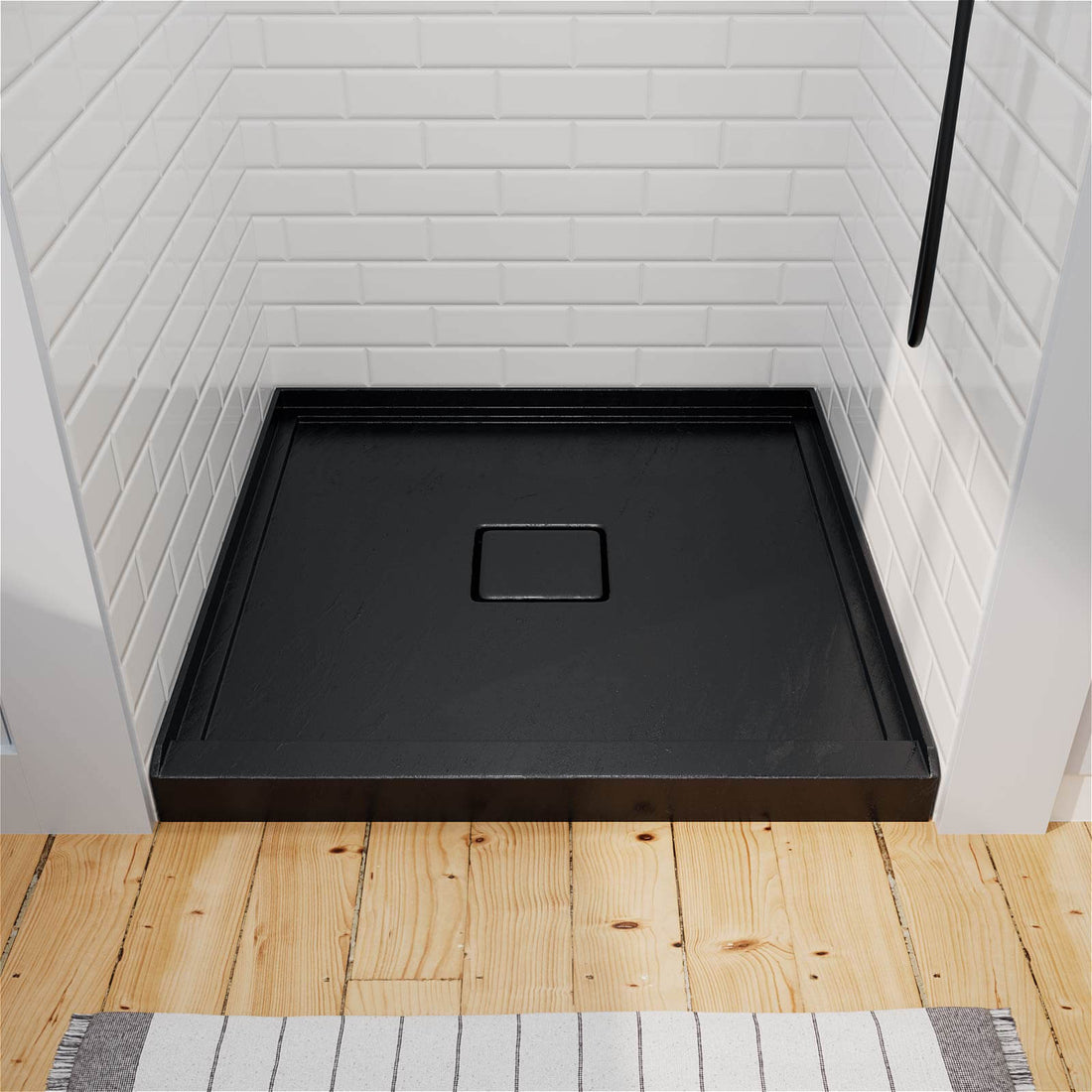 Mokleba 36" x 36" Black Acrylic Shower Base with Center Drain
- Regular price
-
$399.99 - Regular price
-
- Sale price
-
$399.99
Quick view

Shower Pan Solutions for Modern Bathroom Design
A shower pan plays a critical role in both the performance and longevity of a shower system. It directs daily water drainage, protects the subfloor from moisture damage, and creates a stable foundation for the entire enclosure. Whether you are upgrading a compact guest bathroom or designing a larger walk-in shower, choosing the right shower pan affects comfort, cleaning, installation compatibility, and long-term durability. Modern shower pans are available in multiple sizes, drain configurations, and low-threshold designs that fit a wide range of residential bathroom layouts.
Today's homeowners expect more from a shower base than basic functionality. A quality shower pan should provide efficient drainage, slip-resistant texture, dependable waterproof performance, and a clean appearance that works with modern bathroom styles. Acrylic and reinforced composite models remain popular because they are durable, easier to maintain, and more comfortable underfoot than many traditional materials. Understanding how shower pan materials, sizing, and installation requirements work together helps homeowners make smarter remodeling decisions while avoiding common issues like standing water, flexing floors, or moisture intrusion.
What Is a Shower Pan?
A shower pan is the waterproof floor section installed at the bottom of a shower enclosure. It is designed with a slight slope that directs water toward the drain while protecting the floor structure underneath. Unlike traditional tile shower floors that require multiple waterproofing layers, many modern shower pans are manufactured as single integrated units for improved water resistance and easier installation.
Shower pans are commonly used in walk-in showers, alcove shower layouts, corner installations, and bathroom remodeling projects. They can be paired with tiled walls, acrylic wall systems, or frameless glass enclosures depending on the overall bathroom design.
Why Shower Pan Quality Matters
A shower pan is exposed to daily foot traffic, soap residue, temperature changes, and constant moisture. Lower quality products may flex under pressure, drain poorly, or develop surface wear over time. A properly installed shower pan helps maintain reliable drainage while reducing the risk of water damage beneath the shower.
High-quality shower pans are often reinforced for better structural support and feature textured surfaces for improved slip resistance. Many modern designs are also engineered to reduce standing water and simplify cleaning maintenance.
Popular Shower Pan Materials
Acrylic Shower Pans
Acrylic shower pans remain one of the most common choices for residential bathrooms because they are lightweight, durable, and relatively easy to install. Reinforced acrylic models resist staining and maintain surface appearance with regular maintenance.
Many homeowners prefer acrylic because the material feels warmer underfoot than tile and requires less upkeep than grout based shower floors.
Solid Surface Shower Pans
Solid surface shower pans offer a heavier and more substantial feel with a clean modern appearance. These models are popular in contemporary bathroom remodels because they provide a seamless look and strong resistance to moisture penetration.
Solid surface designs are often selected for larger walk-in showers where homeowners want a more refined architectural finish.
Fiberglass Reinforced Shower Bases
Fiberglass reinforced shower pans are commonly used in residential remodels because they are lightweight and practical for many standard installations. Construction quality varies by manufacturer, so reinforced support and surface thickness are important considerations when comparing options.
Choosing the Right Shower Pan Size
The correct shower pan size depends on the bathroom layout, available floor space, and existing plumbing configuration. Common residential sizes include 32 inch by 32 inch, 36 inch by 36 inch, 48 inch by 36 inch, and 60 inch by 36 inch.
Smaller shower pans work well in compact bathrooms while larger rectangular models provide more comfortable movement in primary bathroom layouts. Accurate measurements are important before purchasing because drain placement and framing dimensions directly affect installation compatibility.
Center Drain vs Offset Drain Shower Pans
Center drain shower pans place the drain near the middle of the floor and are commonly used in square shower layouts. This design creates balanced water flow from all sides toward the drain opening.
Offset drain shower pans position the drain closer to one side of the shower. These layouts are often preferred in rectangular walk in showers or remodeling projects where existing plumbing locations limit drain relocation options.
Low Threshold Shower Pans
Low threshold shower pans have become increasingly popular in modern bathrooms because they provide easier entry and create a cleaner visual transition between the shower and surrounding floor. These designs are commonly used in walk in shower installations and accessibility focused bathroom remodels.
A low profile shower pan can also make smaller bathrooms appear more open while maintaining reliable water containment when installed correctly.
Slip Resistance and Surface Texture
Safety is an important factor when selecting a shower pan. Many modern models include textured surfaces that improve traction without making cleaning difficult. A well designed textured finish helps reduce slipping risks while still allowing soap and water to rinse away efficiently.
Homeowners should look for shower pans that balance comfort, maintenance, and slip resistance for everyday residential use.
Shower Pan Installation Considerations
Proper installation is essential for long-term performance. The subfloor beneath the shower pan should be level, stable, and capable of supporting the full structure without movement. Incorrect installation can lead to drainage problems, water pooling, or surface stress over time.
Drain alignment, waterproof wall integration, and perimeter sealing are also critical parts of the installation process. Many homeowners choose professional installation to ensure proper waterproofing and reliable performance.
Cleaning and Maintenance
Modern shower pans are generally easier to maintain than traditional tiled shower floors because they contain fewer grout joints and seams. Regular cleaning with non abrasive bathroom products helps preserve the surface finish and reduce soap buildup.
Wiping excess water from the shower floor and inspecting seals periodically can help maintain long term appearance and functionality.
Shower Pan Design Trends
Modern bathroom design trends continue moving toward cleaner and more minimalistic shower layouts. Low threshold shower pans, matte finishes, and larger walk-in shower designs remain especially popular in residential remodeling projects.
Neutral colors such as white, gray, and soft stone-inspired finishes allow homeowners to coordinate shower pans with a wide range of tile styles, fixtures, and bathroom hardware.
How to Choose the Best Shower Pan
The best shower pan depends on the size of the bathroom, drain location, household usage, and installation goals. A guest bathroom may prioritize space efficiency while a primary bathroom often focuses more on comfort, accessibility, and design continuity.
Homeowners should evaluate material durability, drain placement, maintenance requirements, and shower entry height before making a final selection. Choosing a high quality shower pan helps create a more reliable and comfortable shower experience for long term daily use.
Upgrade Your Bathroom with a Durable Shower Pan
A well-designed shower pan improves water management, simplifies maintenance, and supports the long-term durability of the entire shower system. Modern shower pans combine practical drainage performance with clean contemporary styling that works across many bathroom layouts.
Whether you are remodeling a compact bathroom or designing a spacious walk-in shower, selecting the right shower pan creates a stronger foundation for comfort, function, and everyday reliability.
FAQs
What is the difference between a shower pan and a shower base?
The terms are often used interchangeably in residential bathroom projects. In most cases, both refer to the waterproof floor structure installed at the bottom of the shower that directs water toward the drain and protects the subfloor from moisture.
Are acrylic shower pans durable?
Quality acrylic shower pans are designed for long-term residential use and are commonly reinforced for additional structural support. They resist staining, maintain surface appearance well, and are generally easier to clean than traditional tile shower floors.
What size shower pan is best for a walk in shower?
Larger rectangular shower pans such as 60 inch by 36 inch models are commonly used in walk in shower layouts because they provide more comfortable movement and better water containment. The ideal size depends on the bathroom dimensions and drain placement.
Do shower pans require waterproofing?
All quality shower pans are manufactured as waterproof units, but surrounding wall connections, seams, and drain areas still require proper waterproofing during installation. Correct sealing helps prevent moisture intrusion behind walls or beneath flooring.
Why does water pool in some shower pans?
Water pooling is usually caused by improper installation, an inadequately sloped product design, or an uneven subfloor beneath the shower pan. A properly installed shower pan should direct water efficiently toward the drain without leaving standing water behind.
Are low-threshold shower pans good for modern bathrooms?
Low-threshold shower pans are popular because they create a cleaner appearance and provide easier entry into the shower. They work especially well in walk-in shower designs and accessibility focused bathroom remodels.
What is the easiest shower pan material to maintain?
Acrylic and solid surface shower pans are generally considered easier to maintain because they are non porous and contain fewer seams where soap residue and moisture can accumulate. Regular cleaning with non abrasive products helps preserve the finish.
Can shower pans be used with tiled walls?
Yes. Many homeowners pair shower pans with tiled walls to create a customized shower design. Proper waterproofing between the wall system and the shower pan is important for maintaining long term moisture protection.
15% OFF 3 or More
Quick view
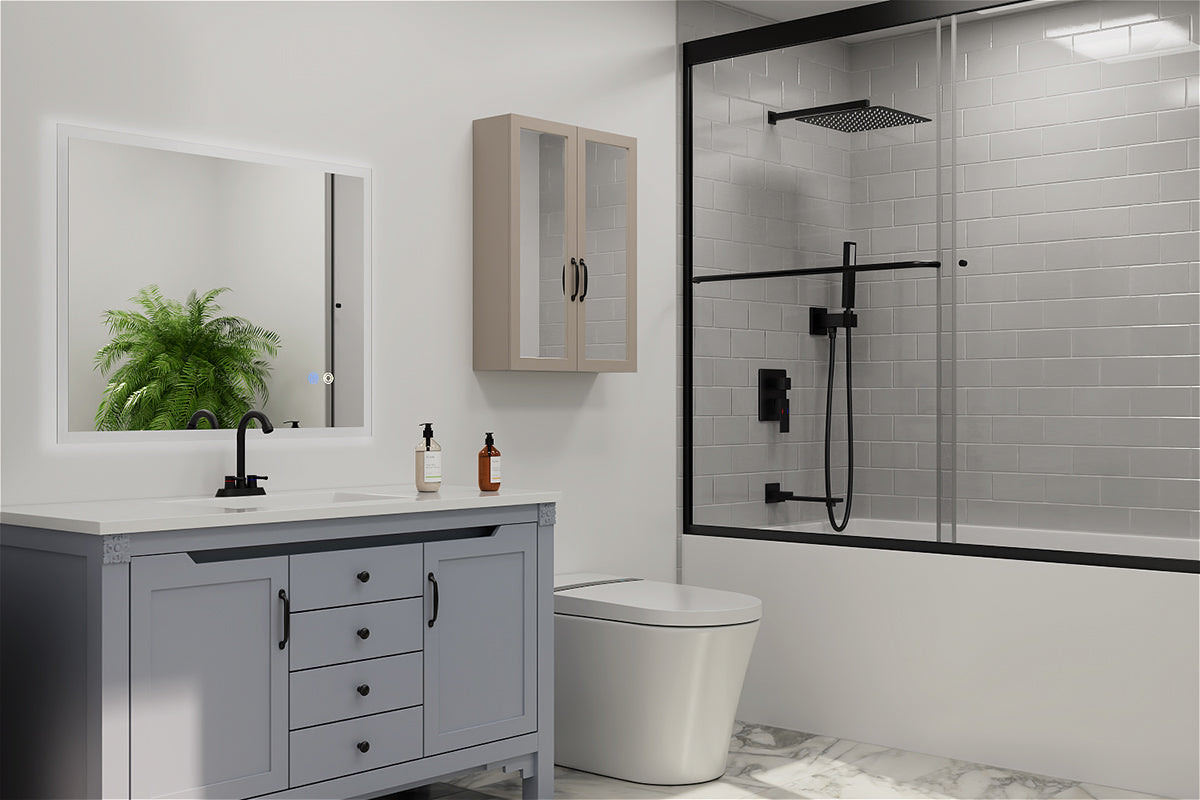
56-60"W x 58"H Shower Door Traditional Two-way Sliding with Handle
-
Regular price
-
$649.99
$669.99
-
Regular price
-
-
Sale price
-
$649.99
$669.99
- Regular price
-
$649.99 $669.99 - Regular price
-
- Sale price
-
$649.99 $669.99
Quick view
12" Square Shower Set with Hand Shower & Tub Spout Shower Combo Set
-
Regular price
-
$219.99
$289.99
-
Regular price
-
-
Sale price
-
$219.99
$289.99
- Regular price
-
$219.99 $289.99 - Regular price
-
- Sale price
-
$219.99 $289.99
Quick view
Touchless Auto Flushing Smart Toilet with Ambient Light & Water Tank
-
Regular price
-
$999.99
-
Regular price
-
-
Sale price
-
$999.99
- Regular price
-
$999.99 - Regular price
-
- Sale price
-
$999.99
Quick view
LED Light Bathroom Vanity Mirror Large Rectangular Frameless Anti Fog
-
Regular price
-
$149.99
$549.99
-
Regular price
-
$299.99
-
Sale price
-
$149.99
$549.99
- Regular price
-
$149.99 $549.99 - Regular price
-
$299.99 - Sale price
-
$149.99 $549.99
Quick view
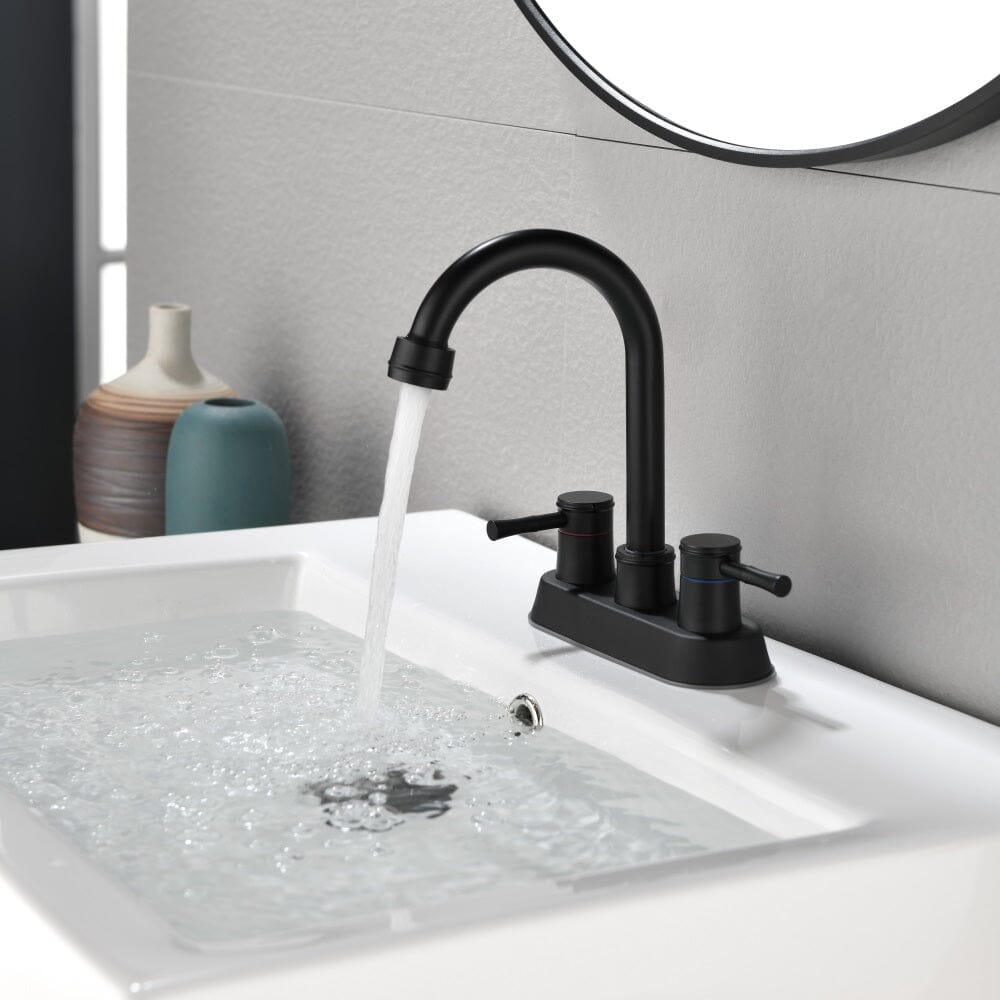
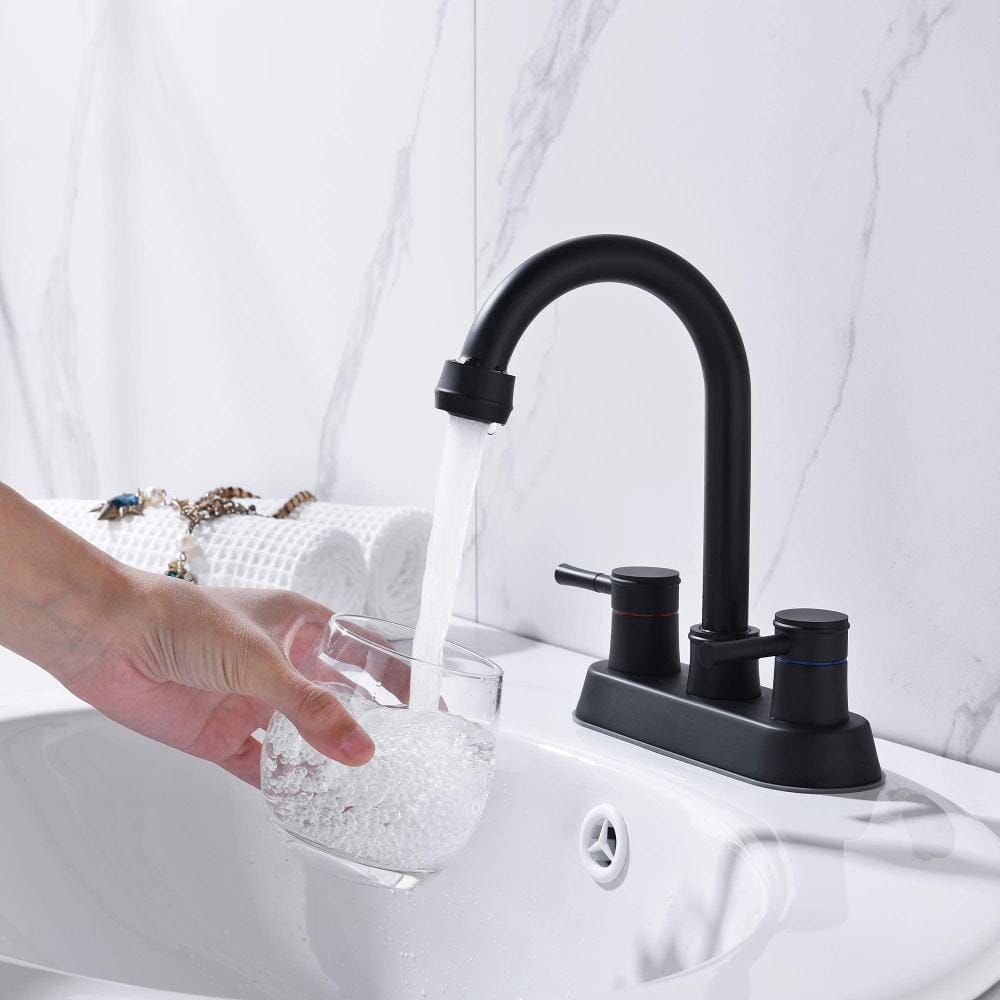
Bathroom Sink Faucet with Pop-Up Sink Drain and 2 Hoses, 3-Hole Stainless Steel High Arc
-
Regular price
-
$142.99
$146.99
-
Regular price
-
$249.99
-
Sale price
-
$142.99
$146.99
- Regular price
-
$142.99 $146.99 - Regular price
-
$249.99 - Sale price
-
$142.99 $146.99
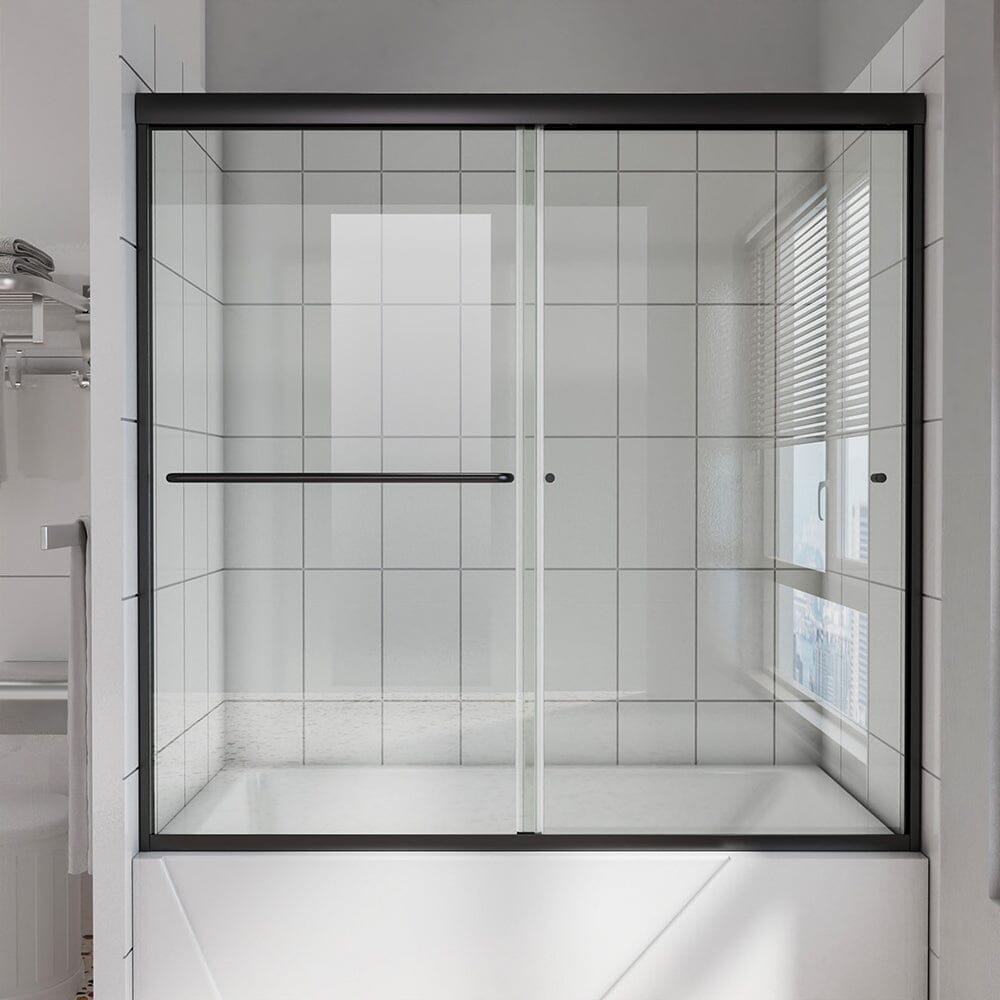
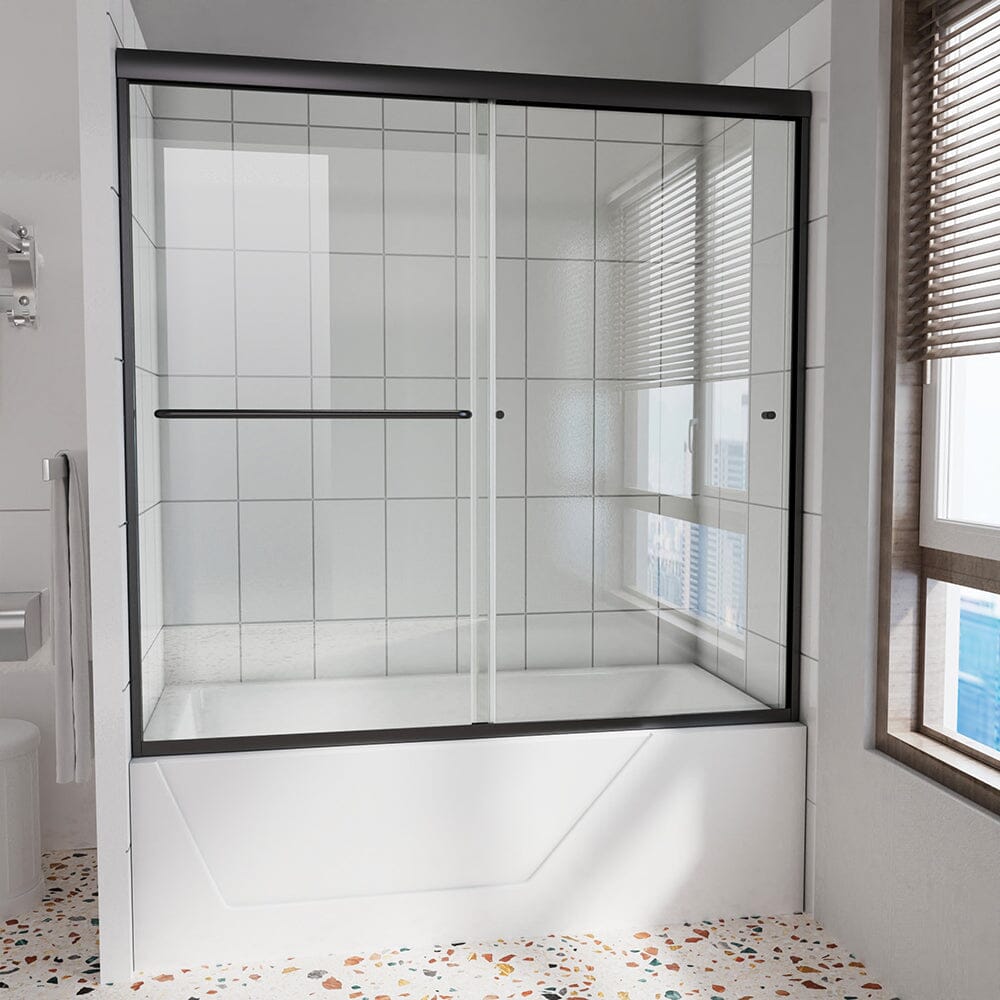
- Regular price
-
$649.99 $669.99 - Regular price
-
- Sale price
-
$649.99 $669.99
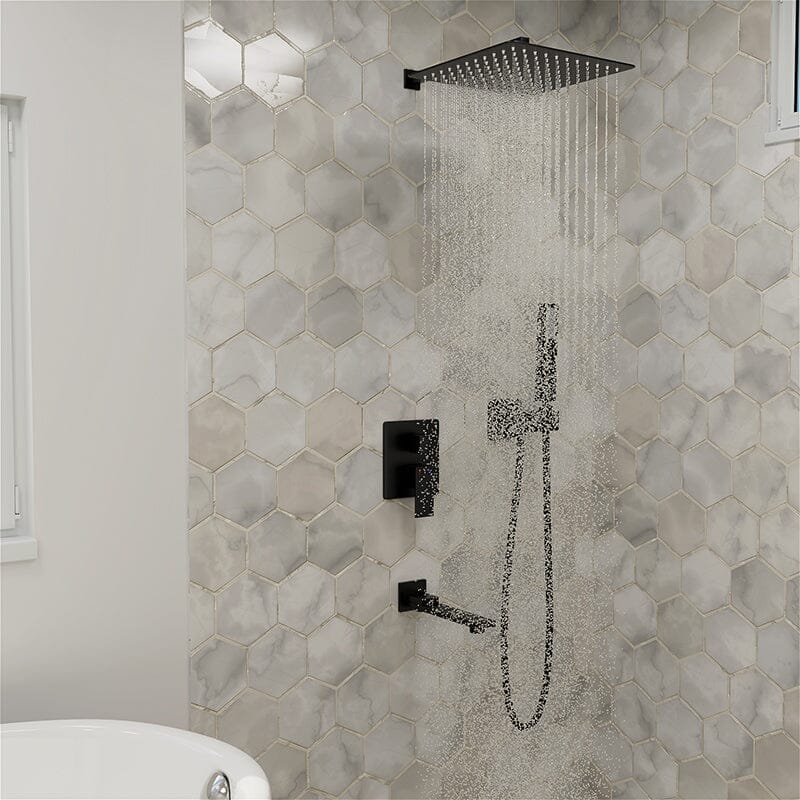
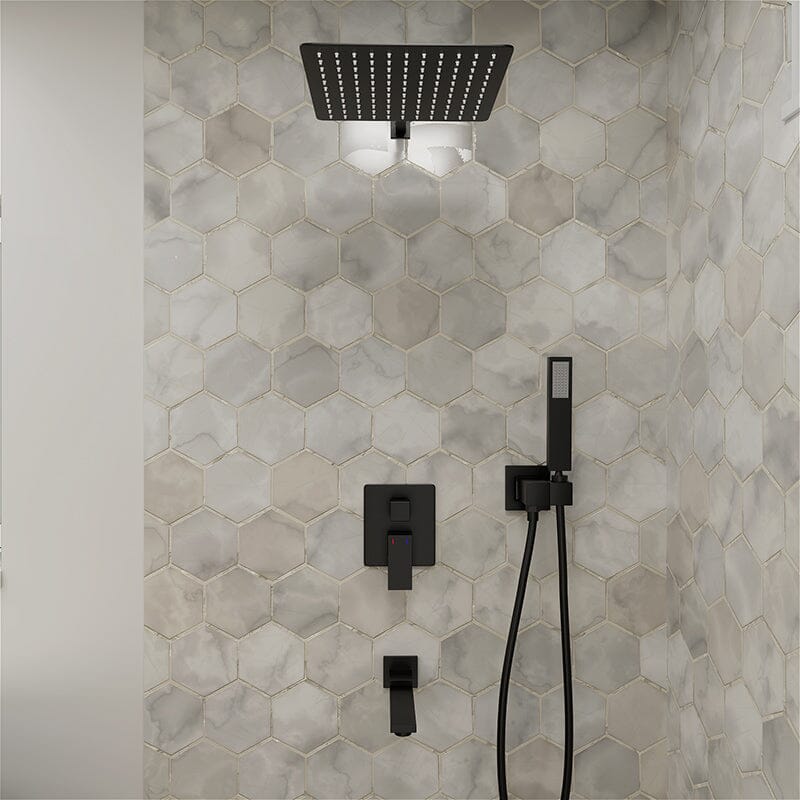
- Regular price
-
$219.99 $289.99 - Regular price
-
- Sale price
-
$219.99 $289.99
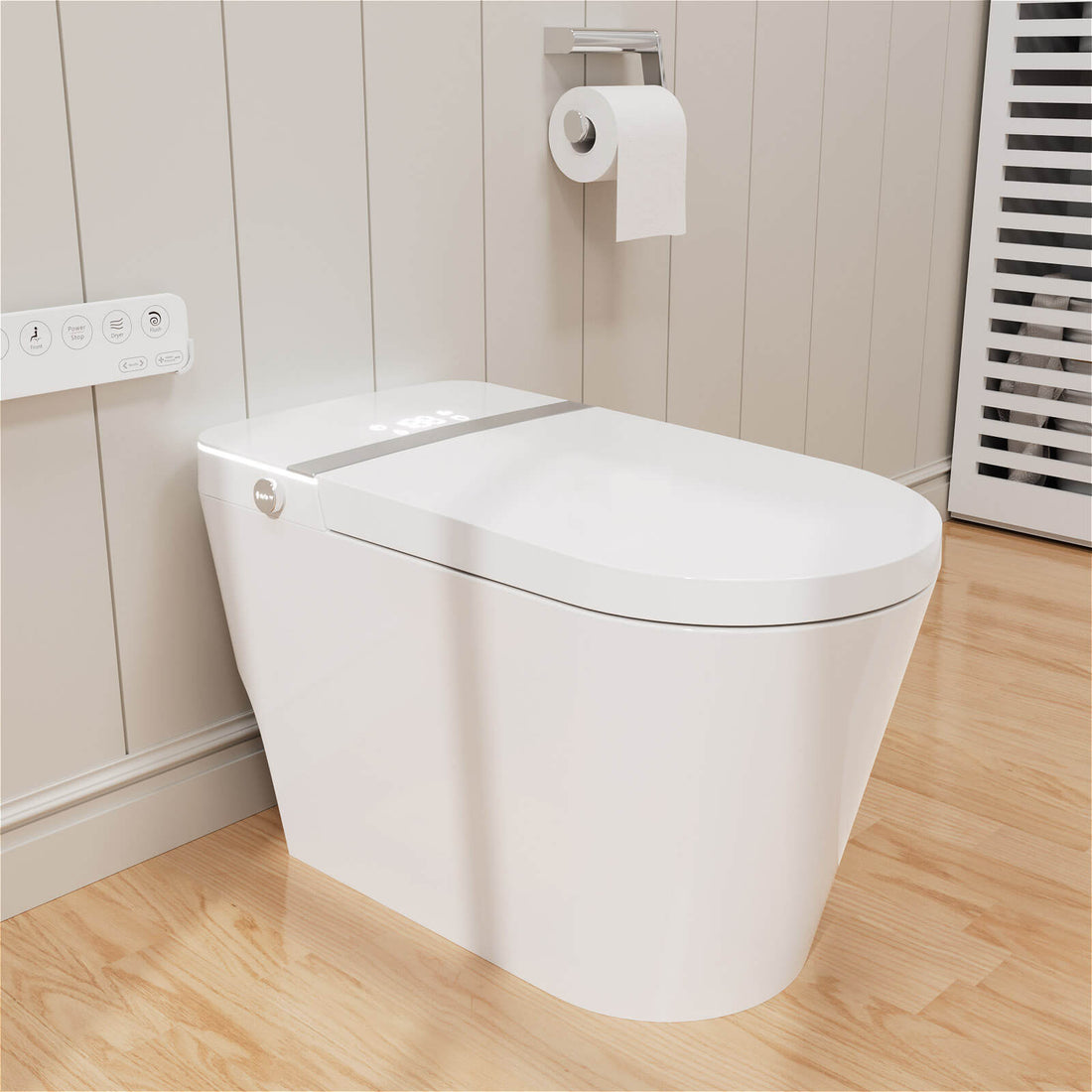
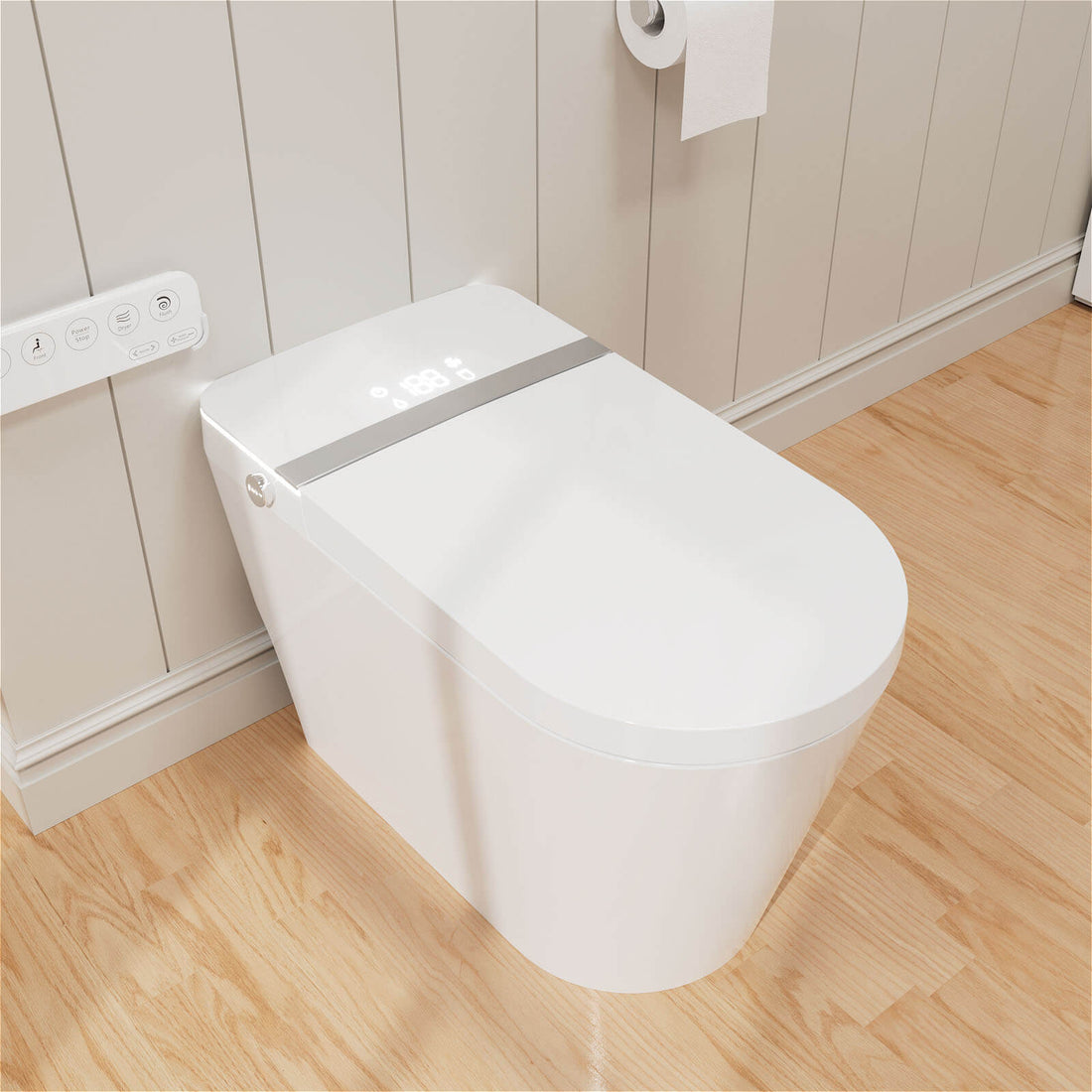
- Regular price
-
$999.99 - Regular price
-
- Sale price
-
$999.99
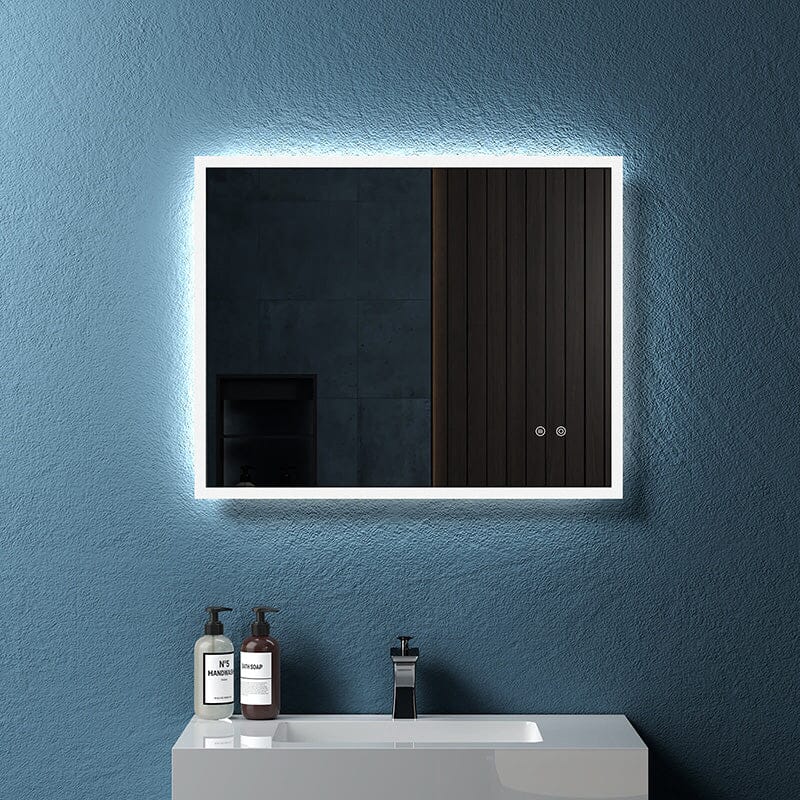
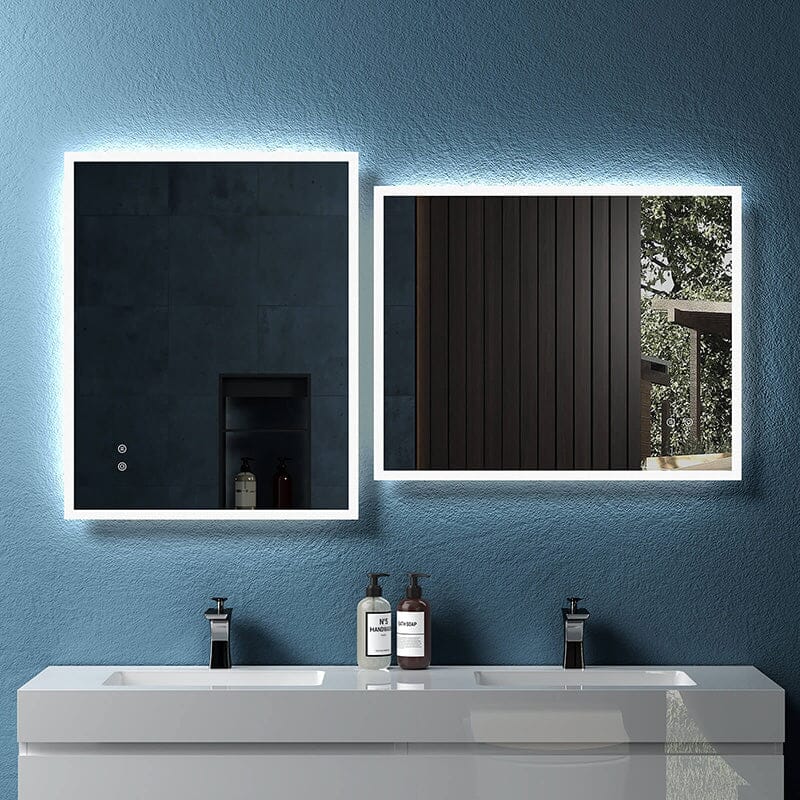
- Regular price
-
$149.99 $549.99 - Regular price
-
$299.99 - Sale price
-
$149.99 $549.99
- Regular price
-
$142.99 $146.99 - Regular price
-
$249.99 - Sale price
-
$142.99 $146.99
Clearance Sale
-
65" Red Transparent Freestanding Resin Bathtub
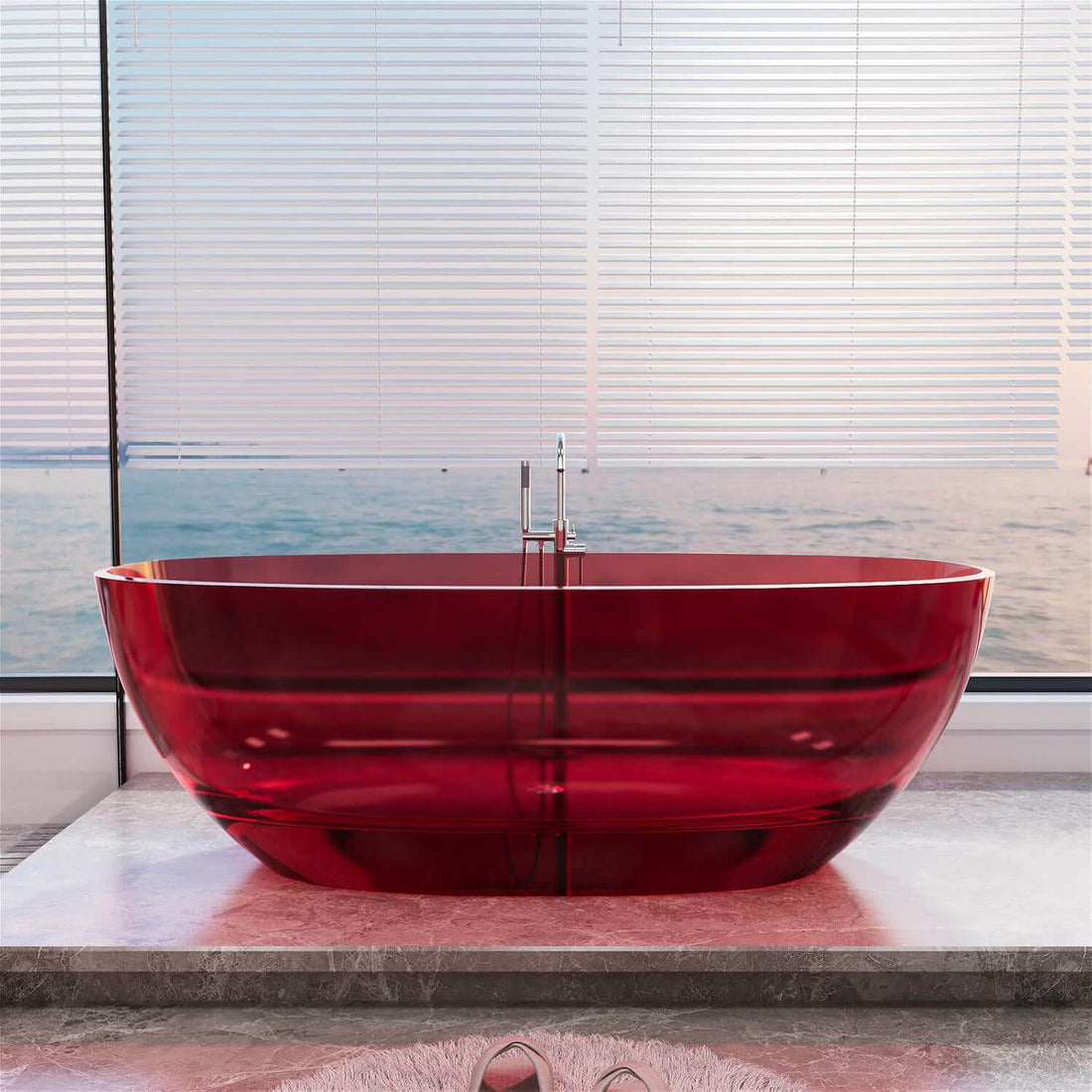 65" Red Transparent Freestanding Resin Bathtub
- Regular price
-
$1,999.99 - Regular price
-
$3,699.99 - Sale price
-
$1,999.99
Quick view
-
White Plug-In Heated Towel Rack
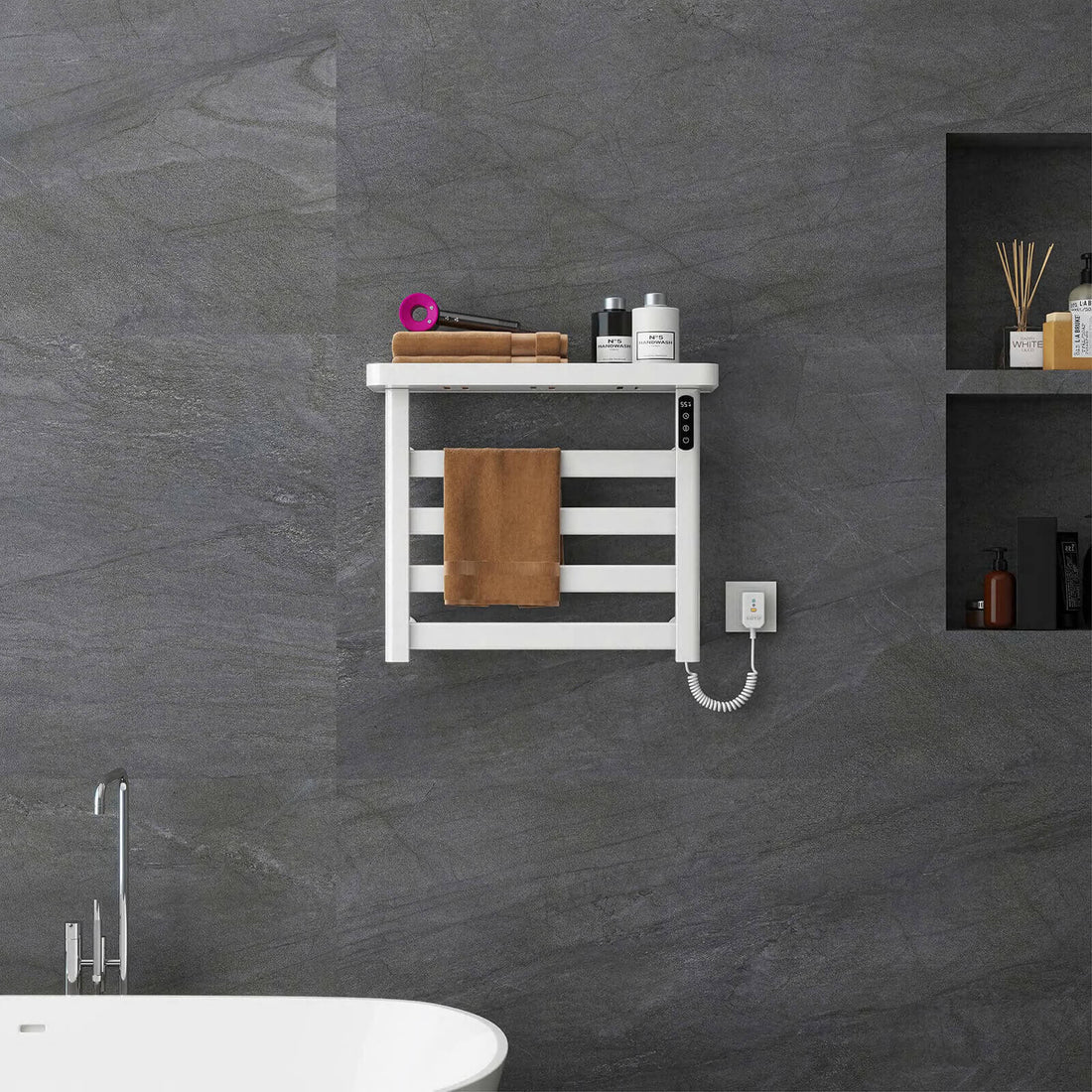 White Plug-In Heated Towel Rack
- Regular price
-
$219.00 - Regular price
-
- Sale price
-
$219.00
Quick view
-
Gray Plug-In Heated Towel Rack
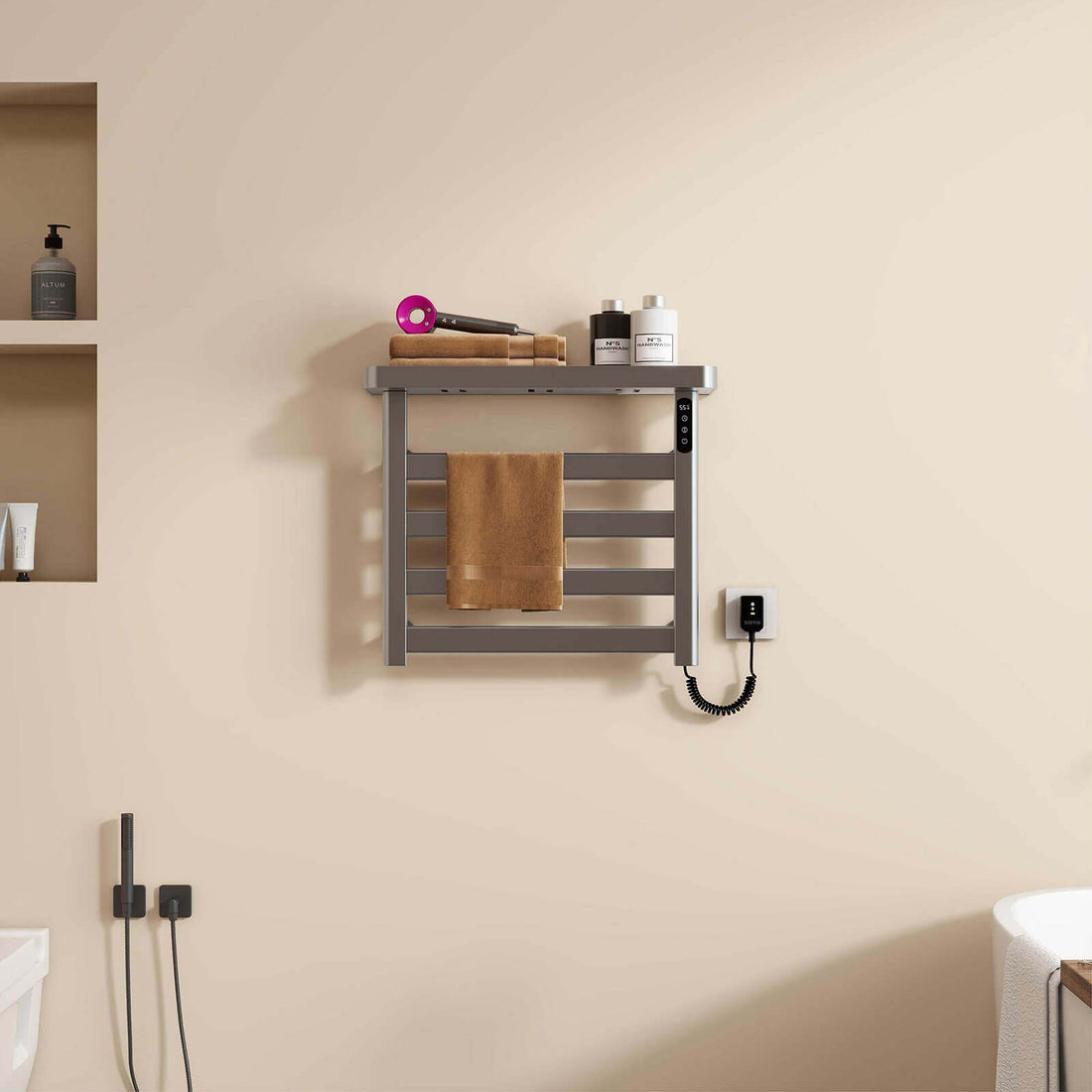 Gray Plug-In Heated Towel Rack
- Regular price
-
$219.00 - Regular price
-
- Sale price
-
$219.00
Quick view
-
Black Plug-In Heated Towel Rack
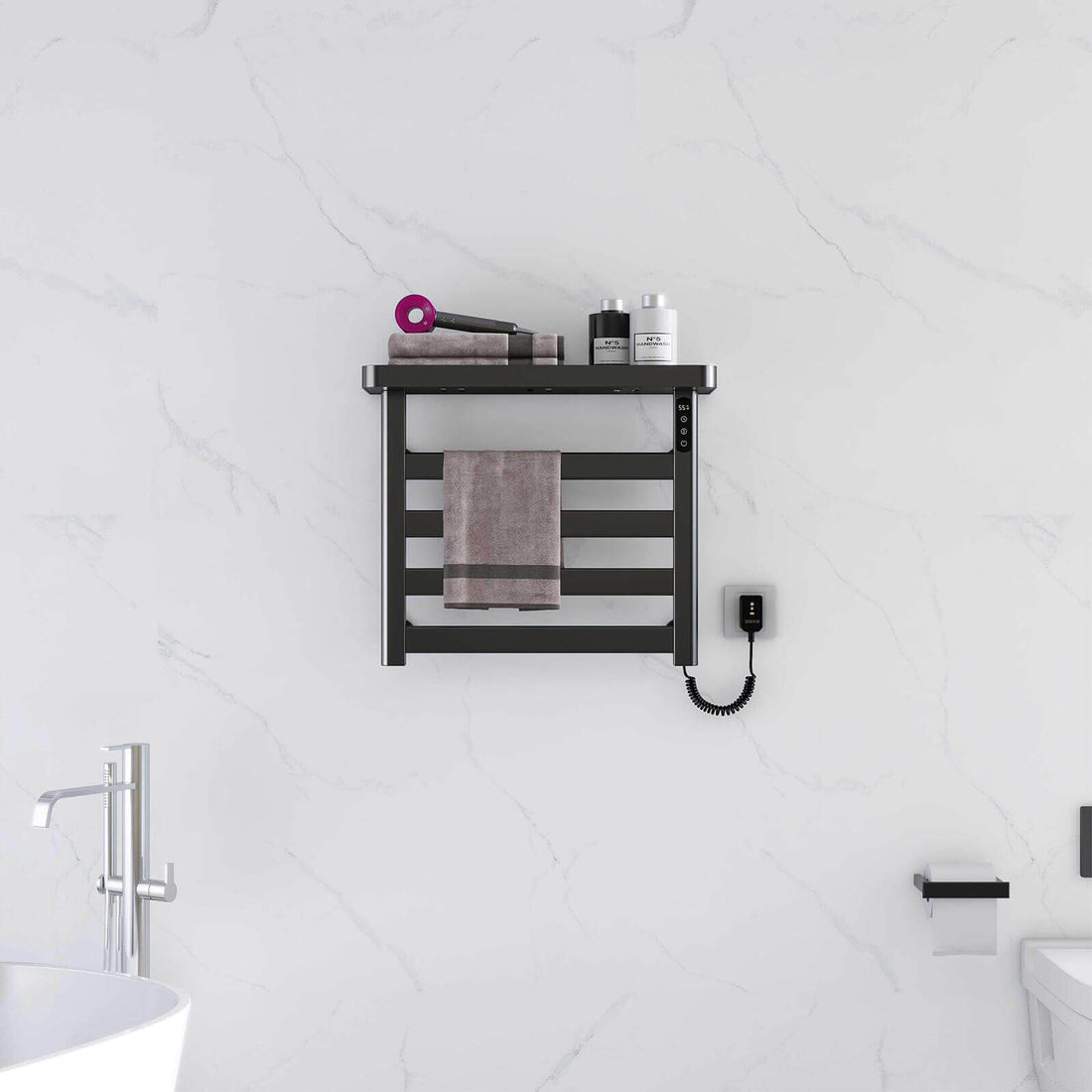 Black Plug-In Heated Towel Rack
- Regular price
-
$219.00 - Regular price
-
- Sale price
-
$219.00
Quick view
