
69 products
-
16" Gray Marble Round Above-Counter Bathroom Sink
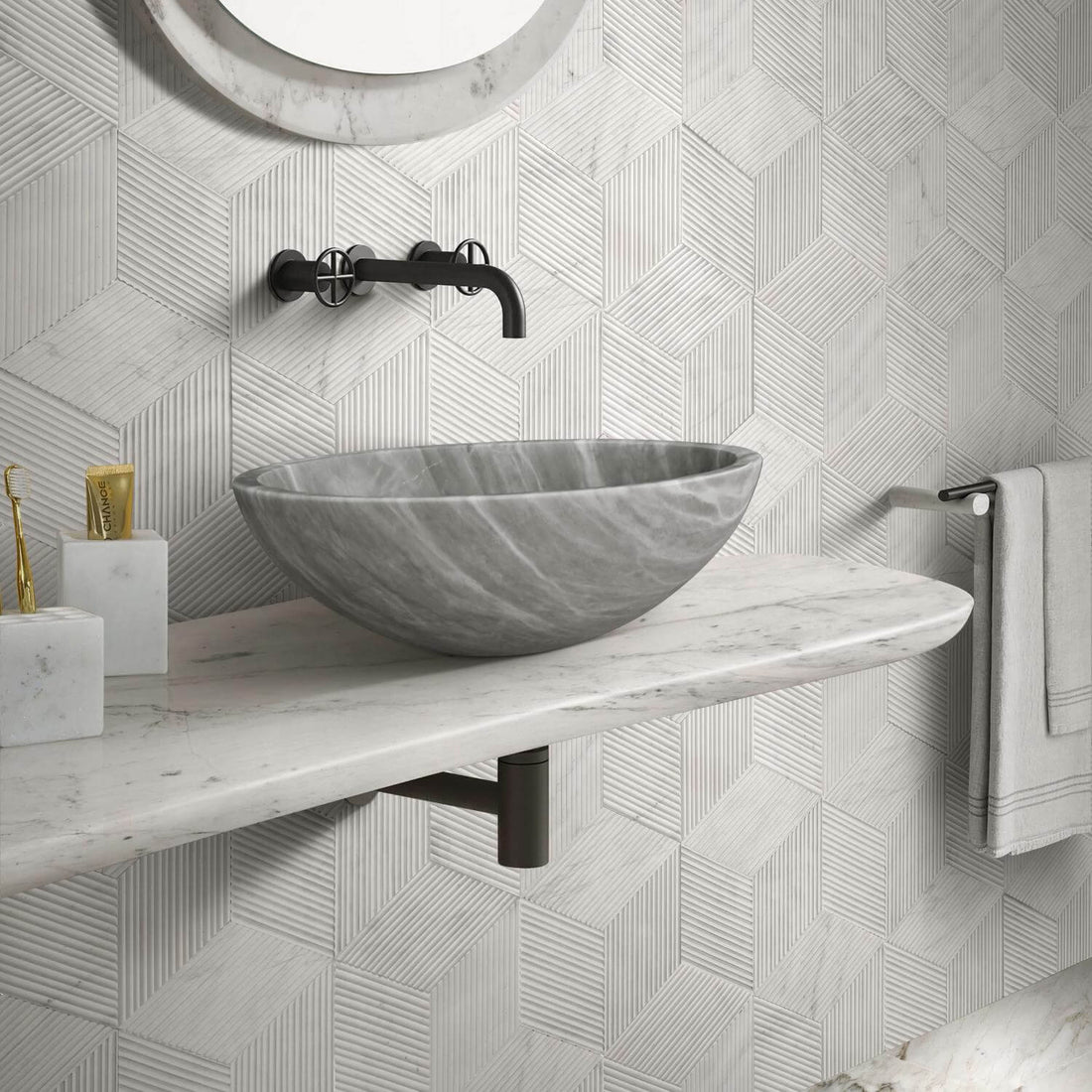
 16" Gray Marble Round Above-Counter Bathroom Sink
- Regular price
-
$699.99 - Regular price
-
$1,099.99 - Sale price
-
$699.99
Quick view
-
16" White Marble Round Above-Counter Bathroom Sink
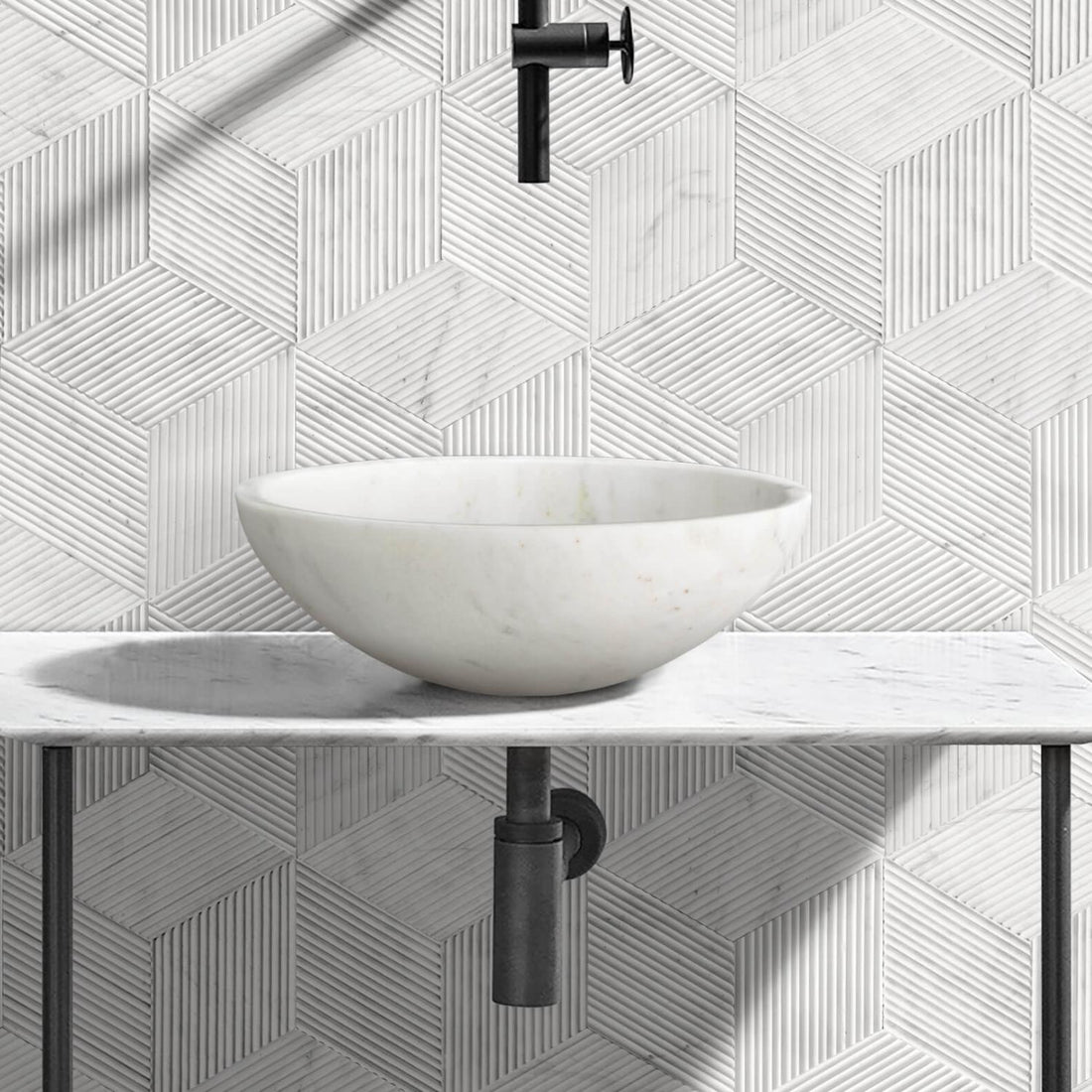
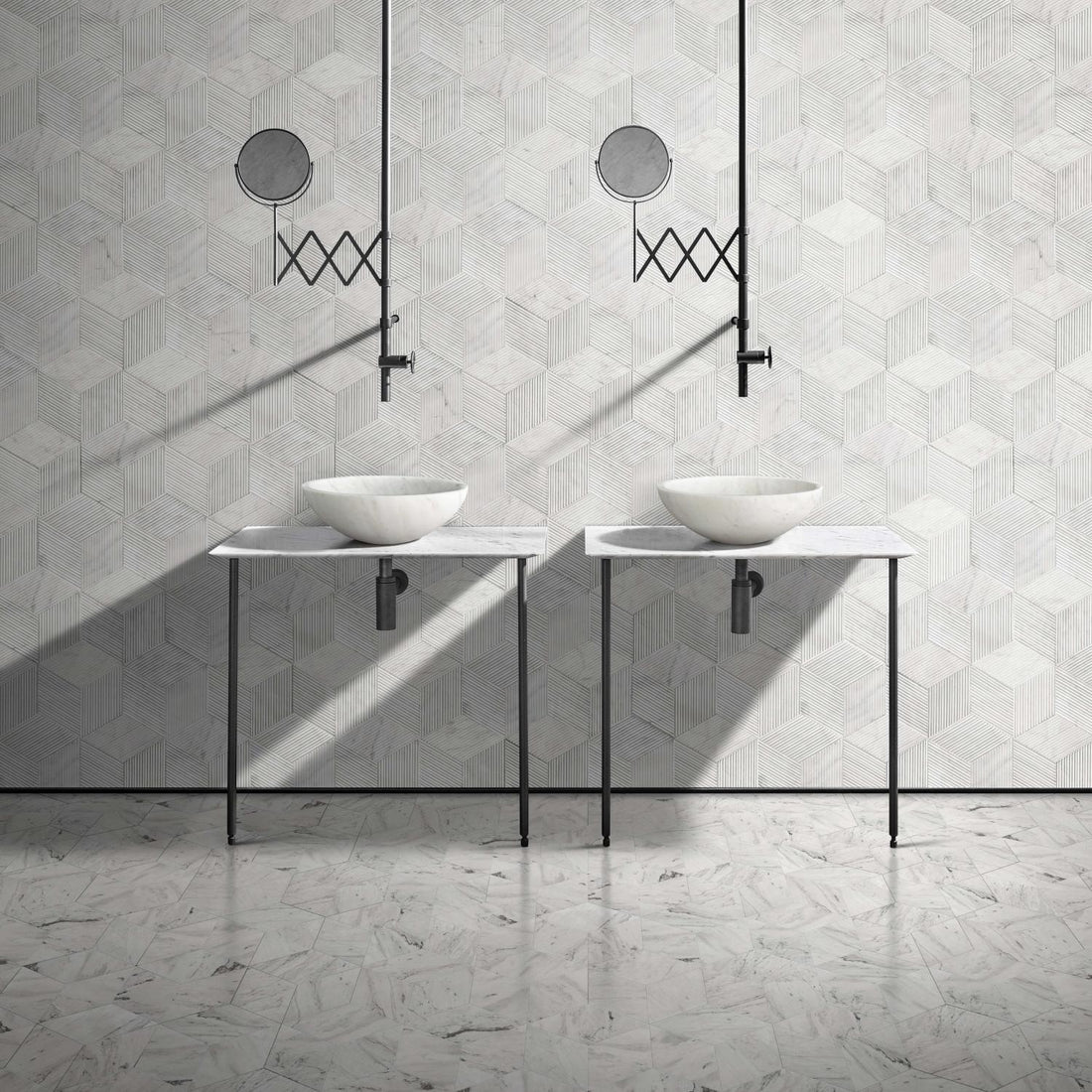 16" White Marble Round Above-Counter Bathroom Sink
- Regular price
-
$699.99 - Regular price
-
$1,099.99 - Sale price
-
$699.99
Quick view
-
16" Dark Gray Marble Round Above-Counter Bathroom Sink
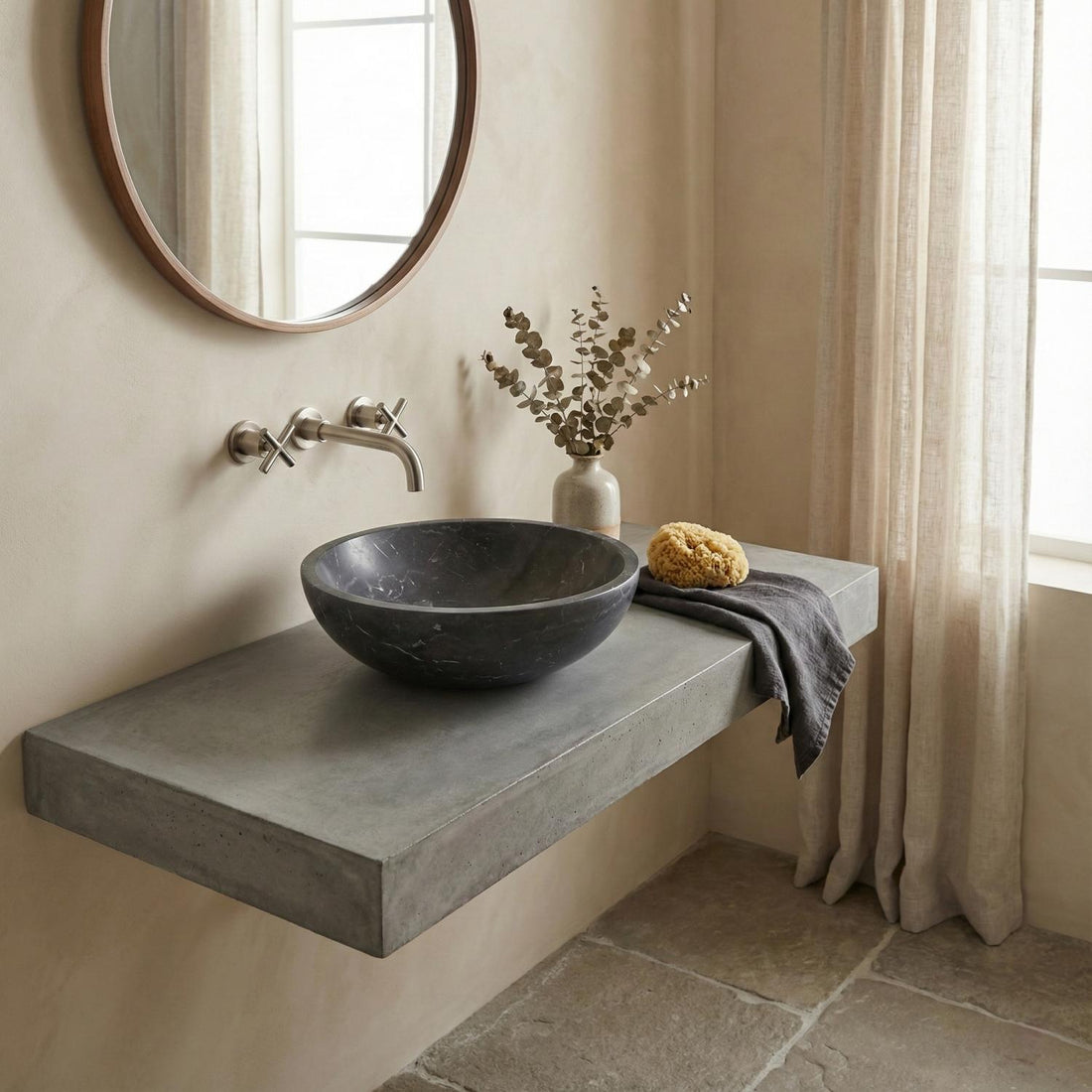
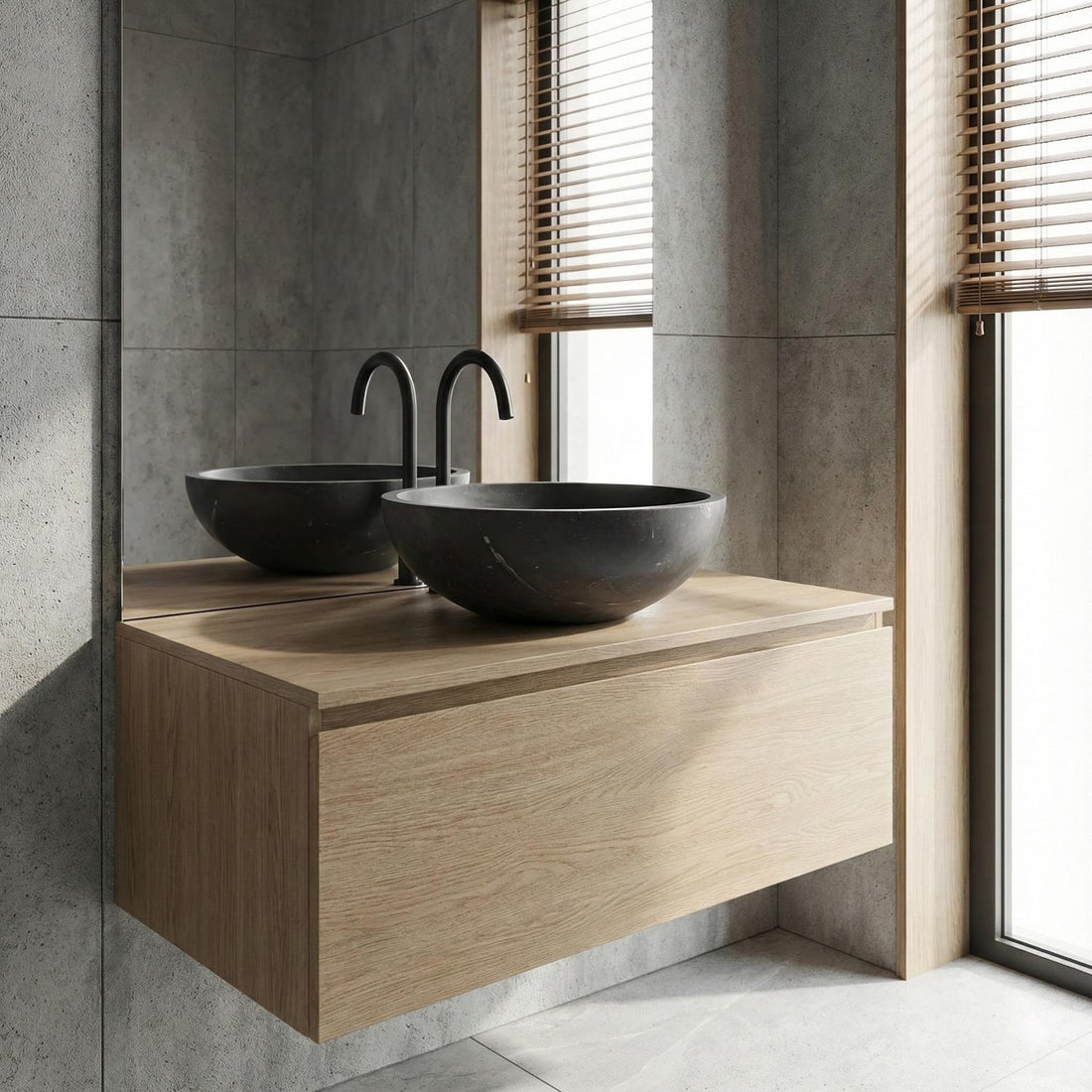 16" Dark Gray Marble Round Above-Counter Bathroom Sink
- Regular price
-
$699.99 - Regular price
-
$1,099.99 - Sale price
-
$699.99
Quick view
-
16" Green Marble Round Above-Counter Bathroom Sink
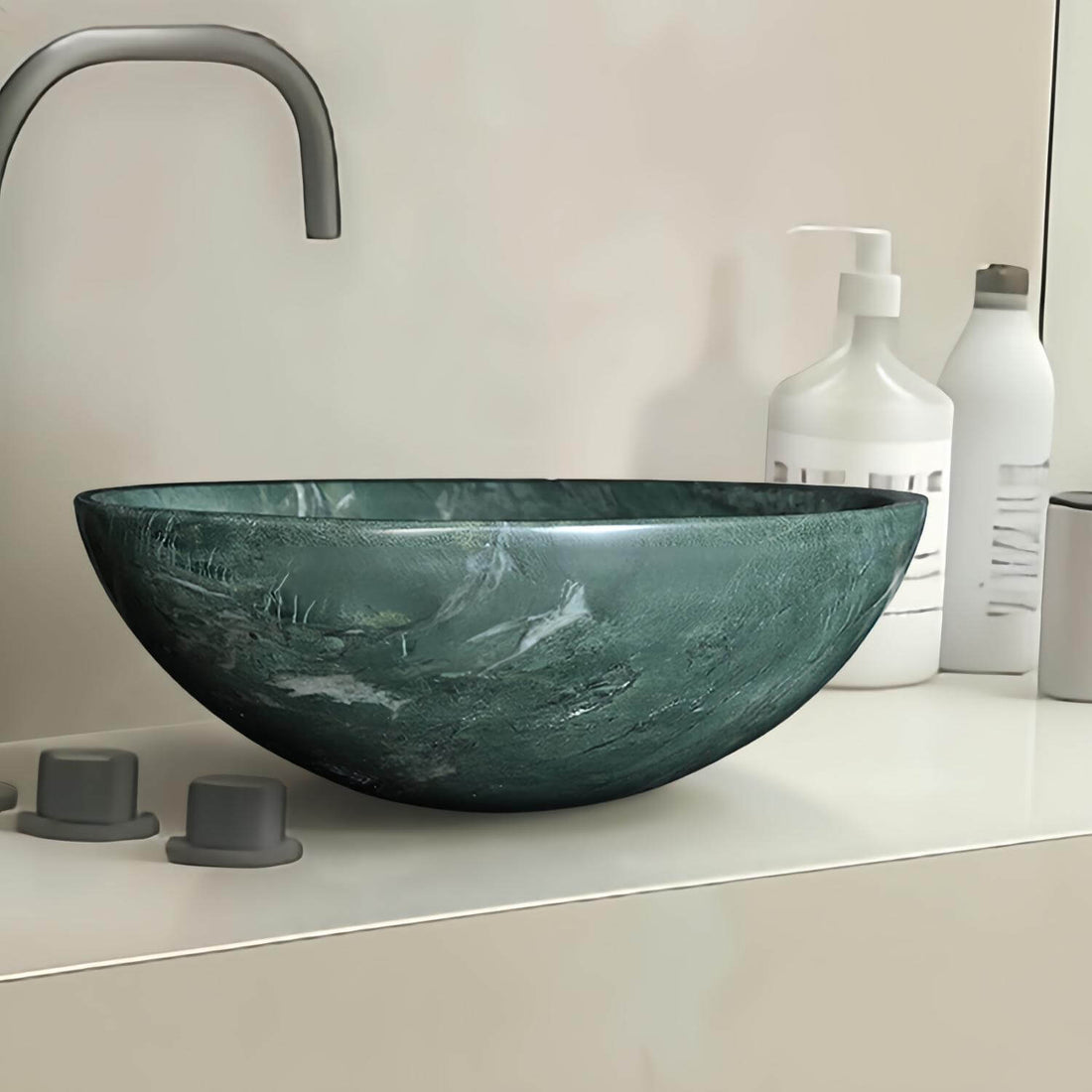
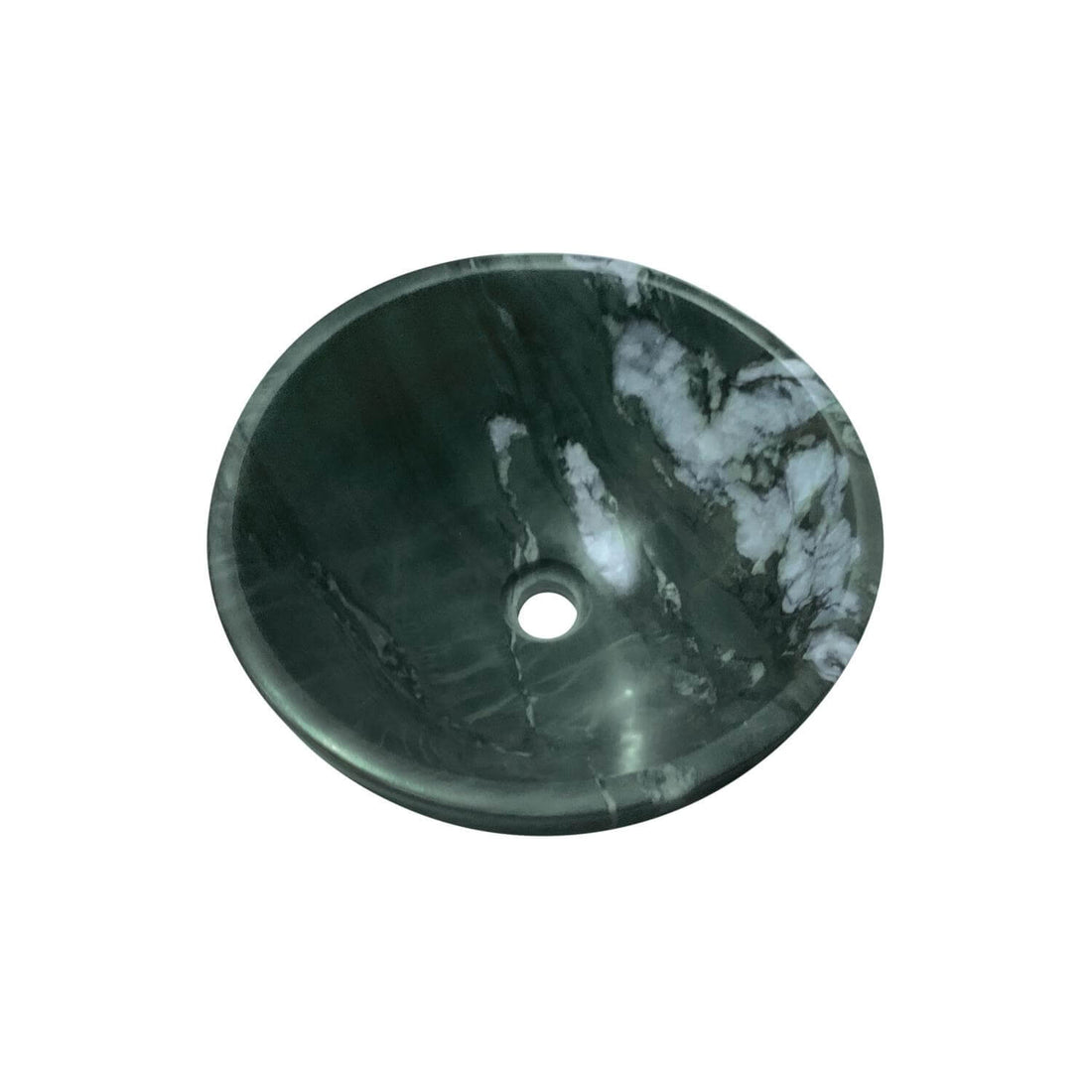 16" Green Marble Round Above-Counter Bathroom Sink
- Regular price
-
$699.99 - Regular price
-
$1,099.99 - Sale price
-
$699.99
Quick view
-
16" Beige Marble Round Above-Counter Bathroom Sink
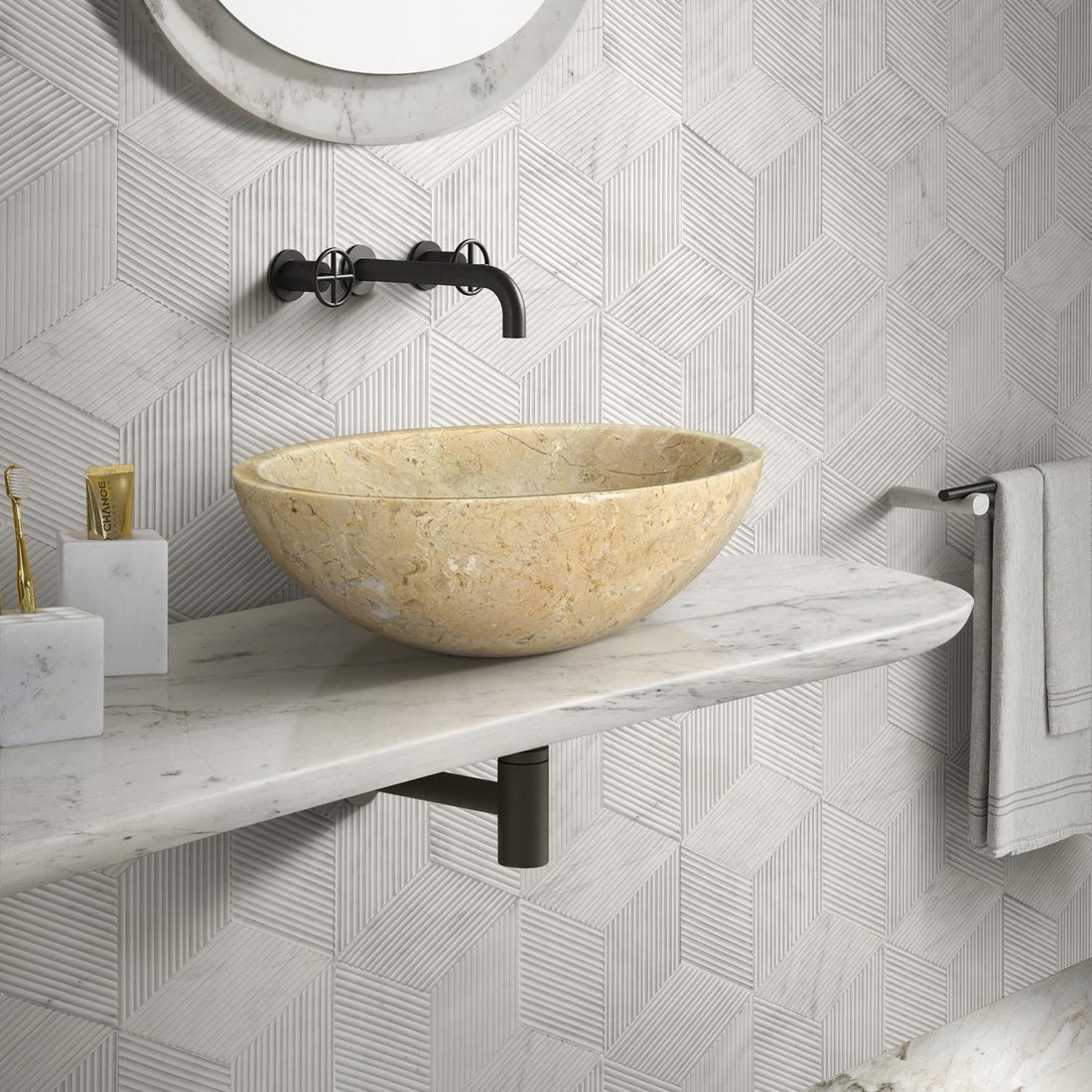
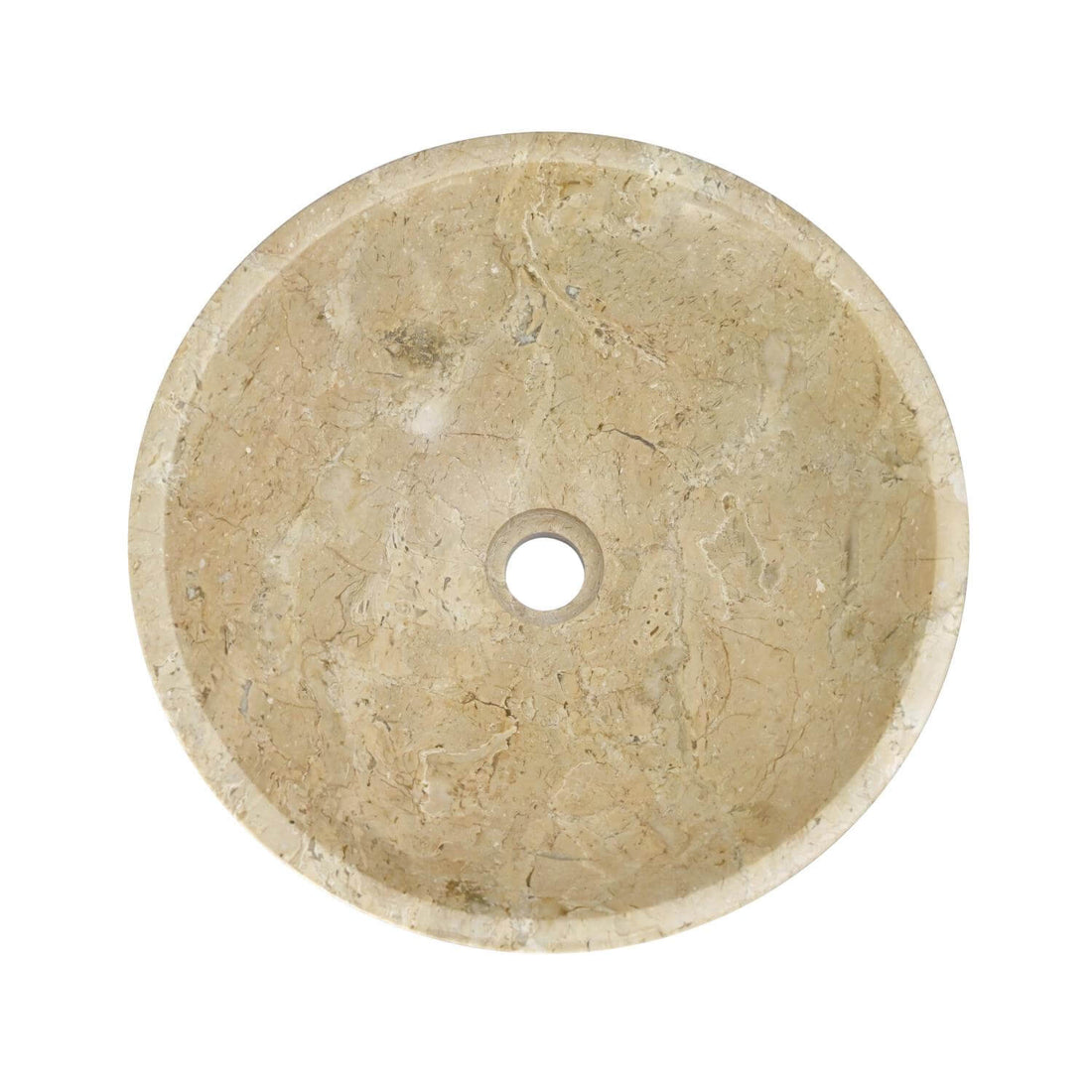 16" Beige Marble Round Above-Counter Bathroom Sink
- Regular price
-
$699.99 - Regular price
-
$1,099.99 - Sale price
-
$699.99
Quick view
-
24" Gray Marble Oval Vessel Sink for Bathroom Vanity Countertop
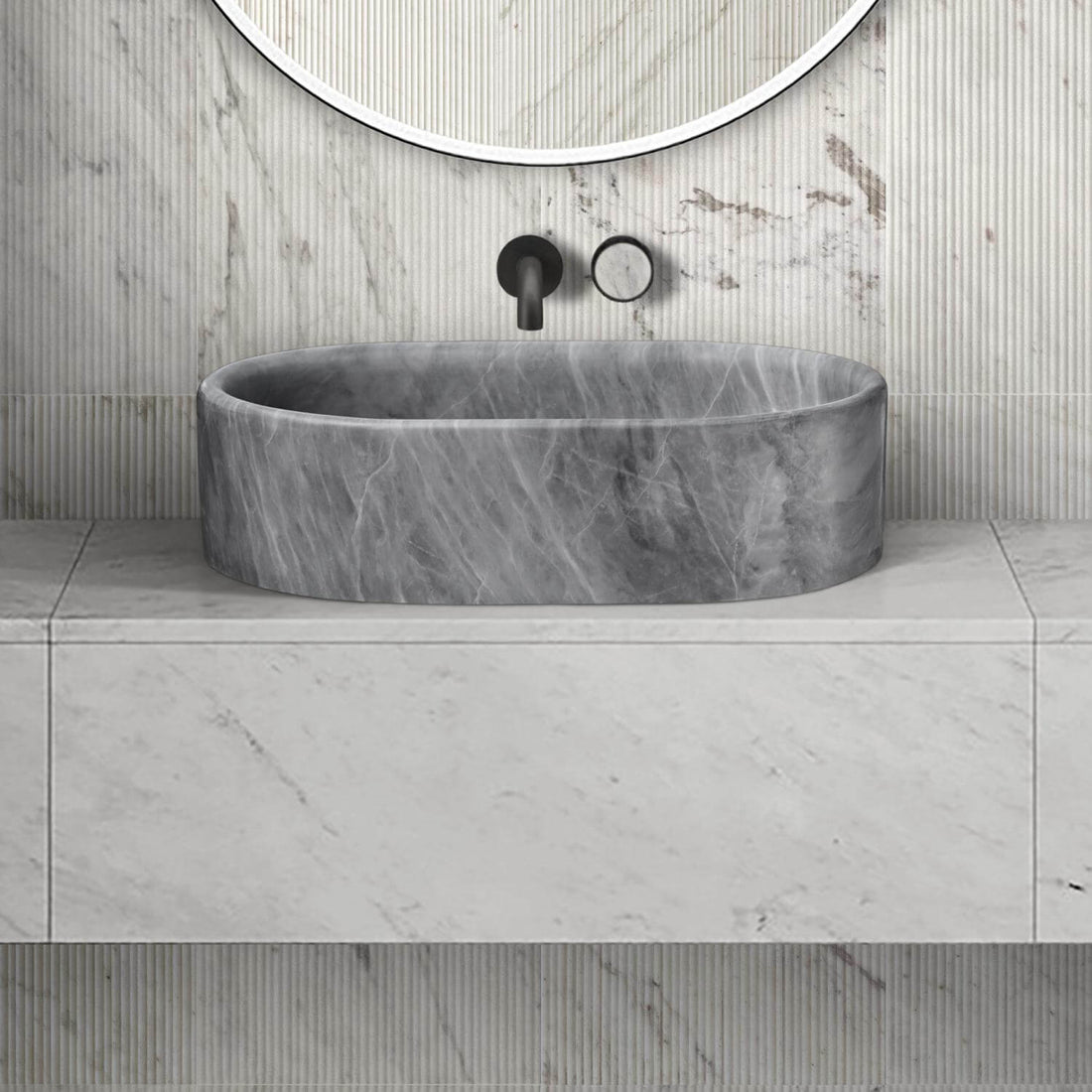
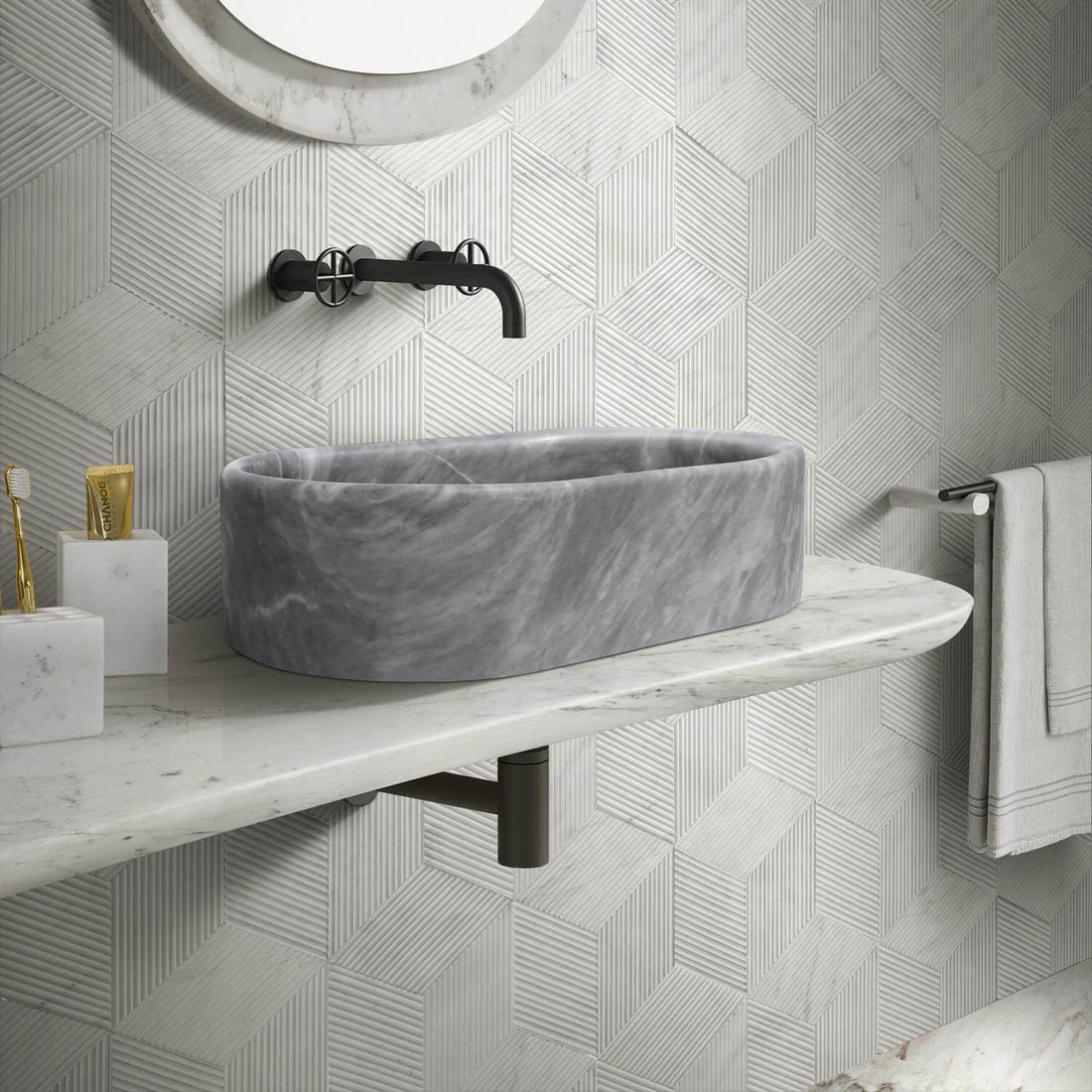 24" Gray Marble Oval Vessel Sink for Bathroom Vanity Countertop
- Regular price
-
$1,449.99 - Regular price
-
$1,999.99 - Sale price
-
$1,449.99
Quick view
-
24" Matte Black Marble Oval Bathroom Vessel Sink for Vanity Countertop
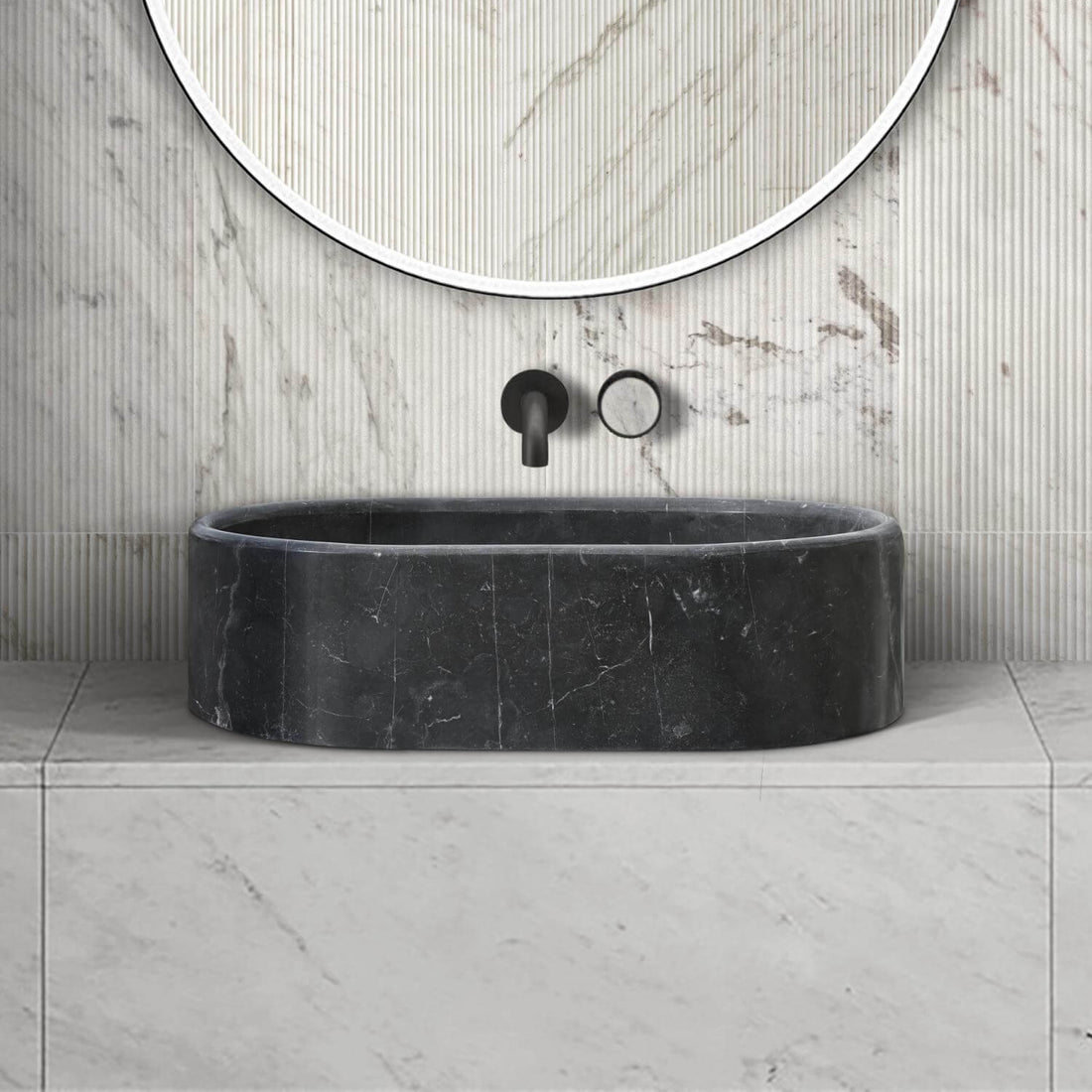
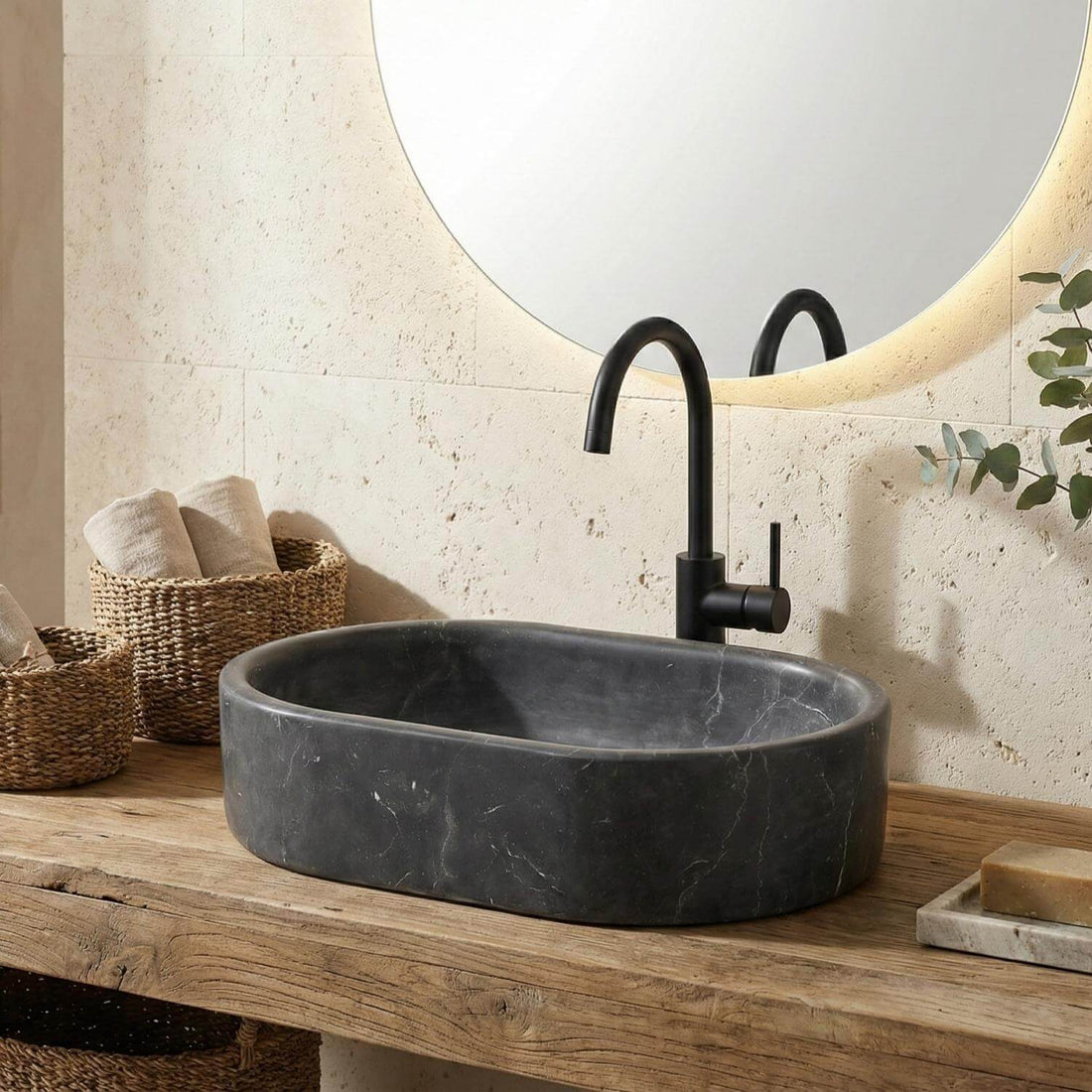 24" Matte Black Marble Oval Bathroom Vessel Sink for Vanity Countertop
- Regular price
-
$1,449.99 - Regular price
-
$1,999.99 - Sale price
-
$1,449.99
Quick view
-
24" Green Natural Marble Oval Bathroom Vessel Sink for Vanity Countertop
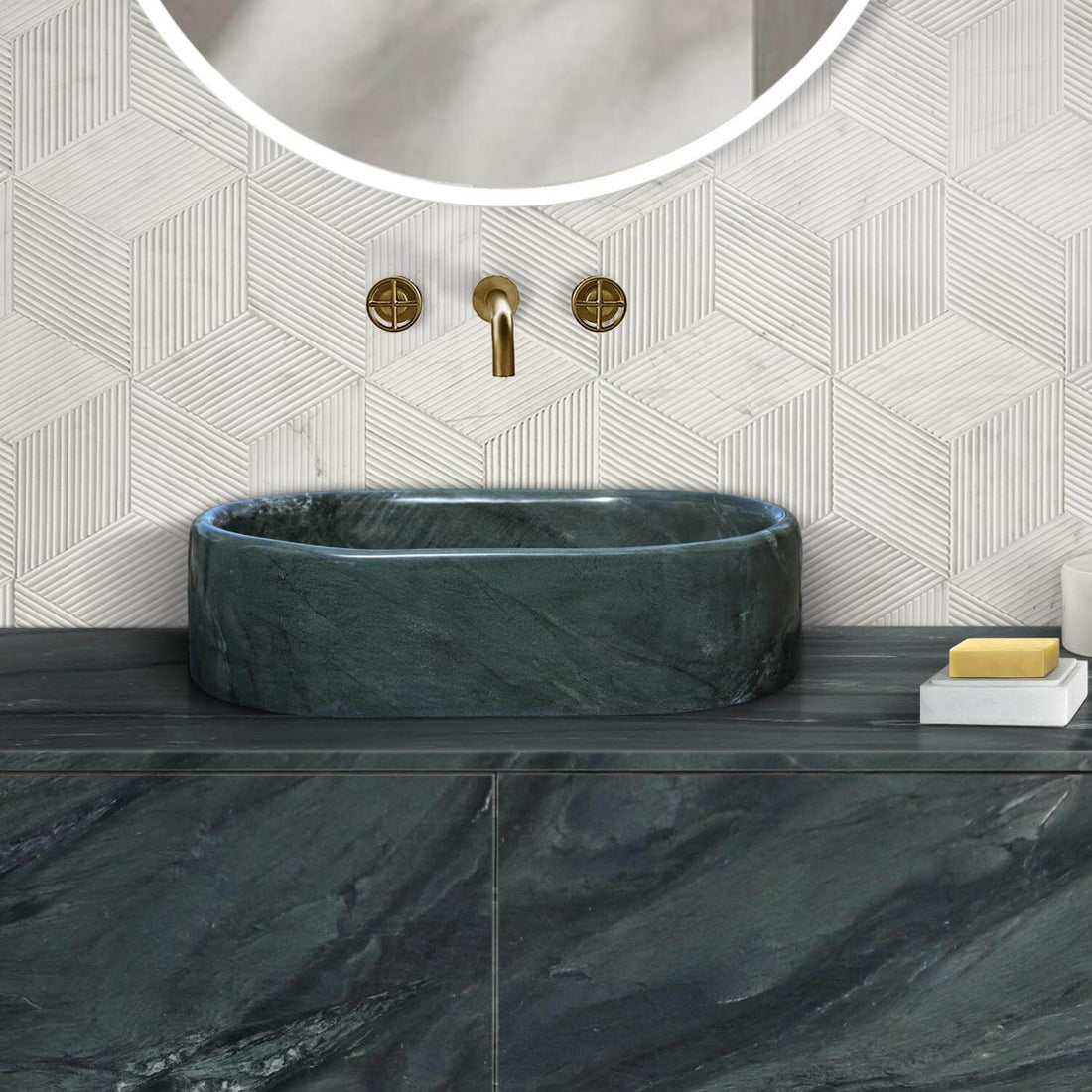
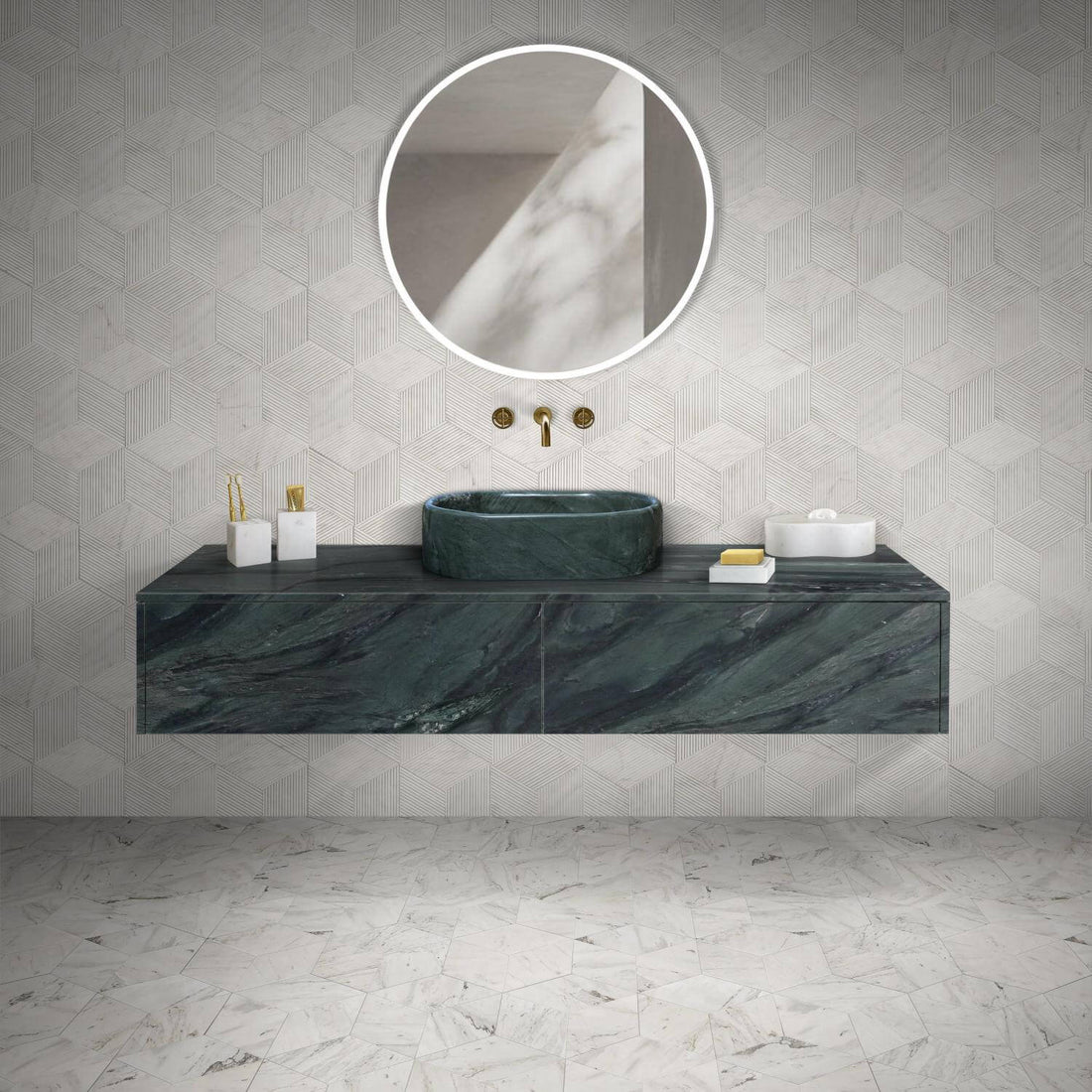 24" Green Natural Marble Oval Bathroom Vessel Sink for Vanity Countertop
- Regular price
-
$1,449.99 - Regular price
-
$1,999.99 - Sale price
-
$1,449.99
Quick view
-
24" White Natural Marble Oval Bathroom Vessel Sink for Vanity Countertop
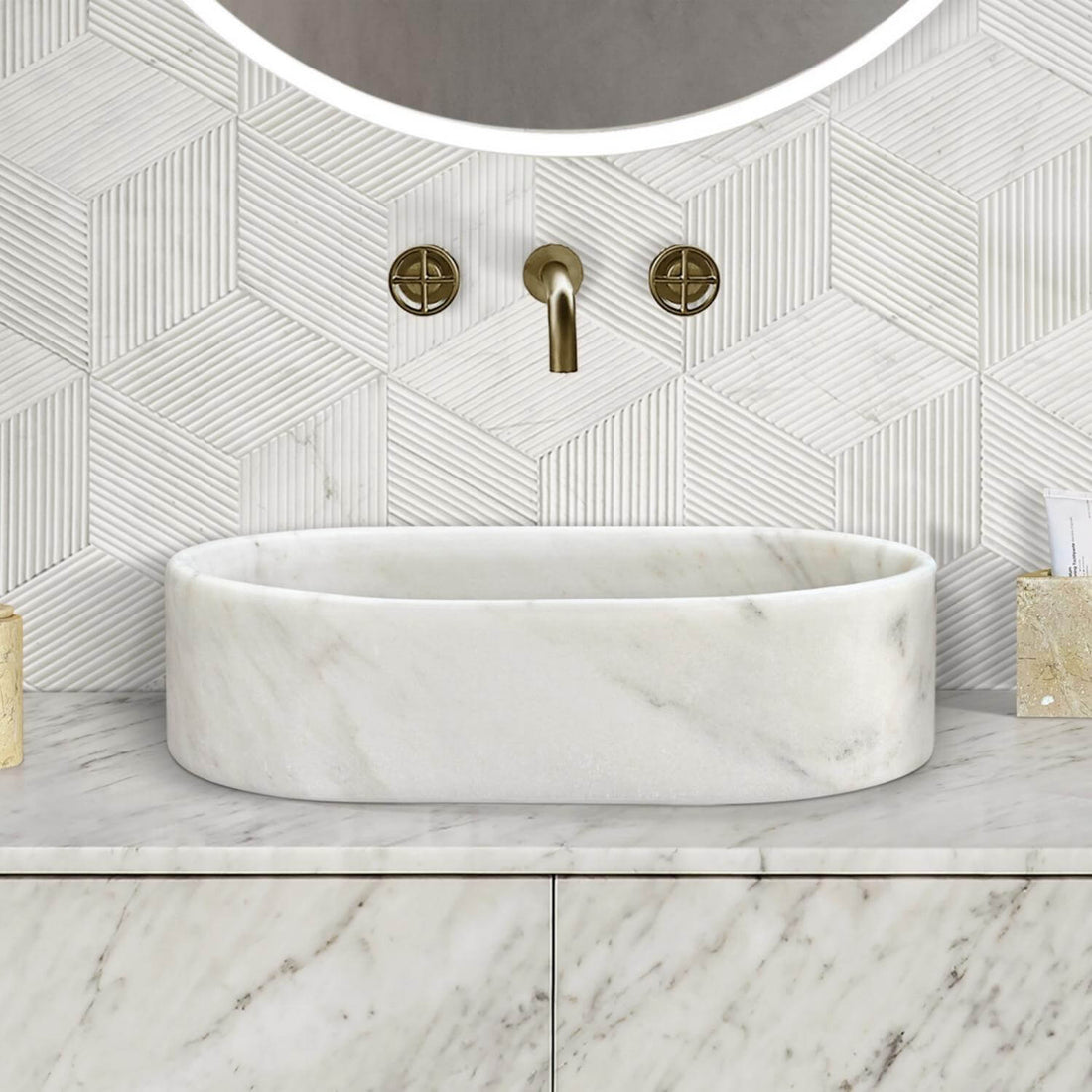
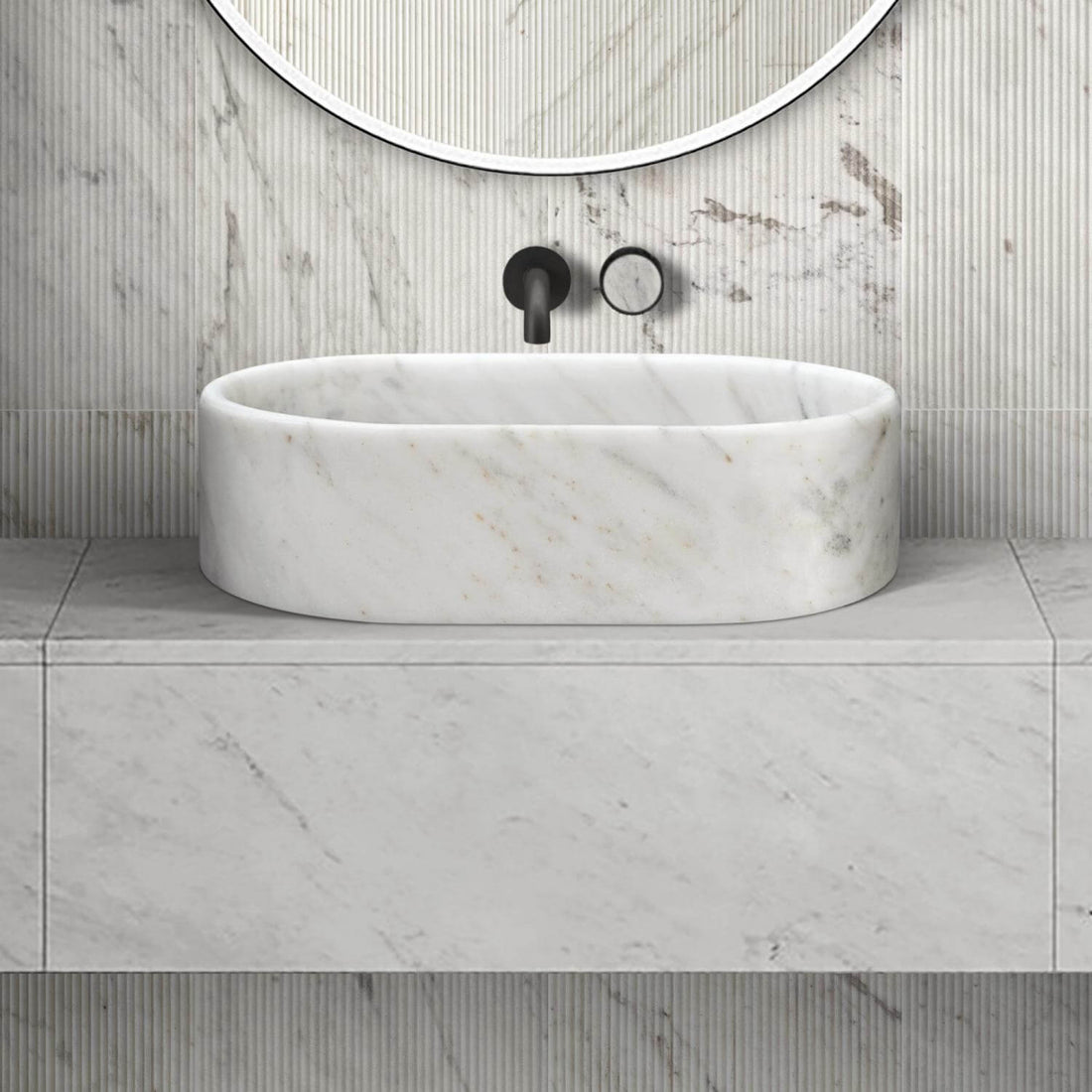 24" White Natural Marble Oval Bathroom Vessel Sink for Vanity Countertop
- Regular price
-
$1,449.99 - Regular price
-
$1,999.99 - Sale price
-
$1,449.99
Quick view
-
24" Beige Natural Marble Oval Bathroom Vessel Sink for Vanity Countertop
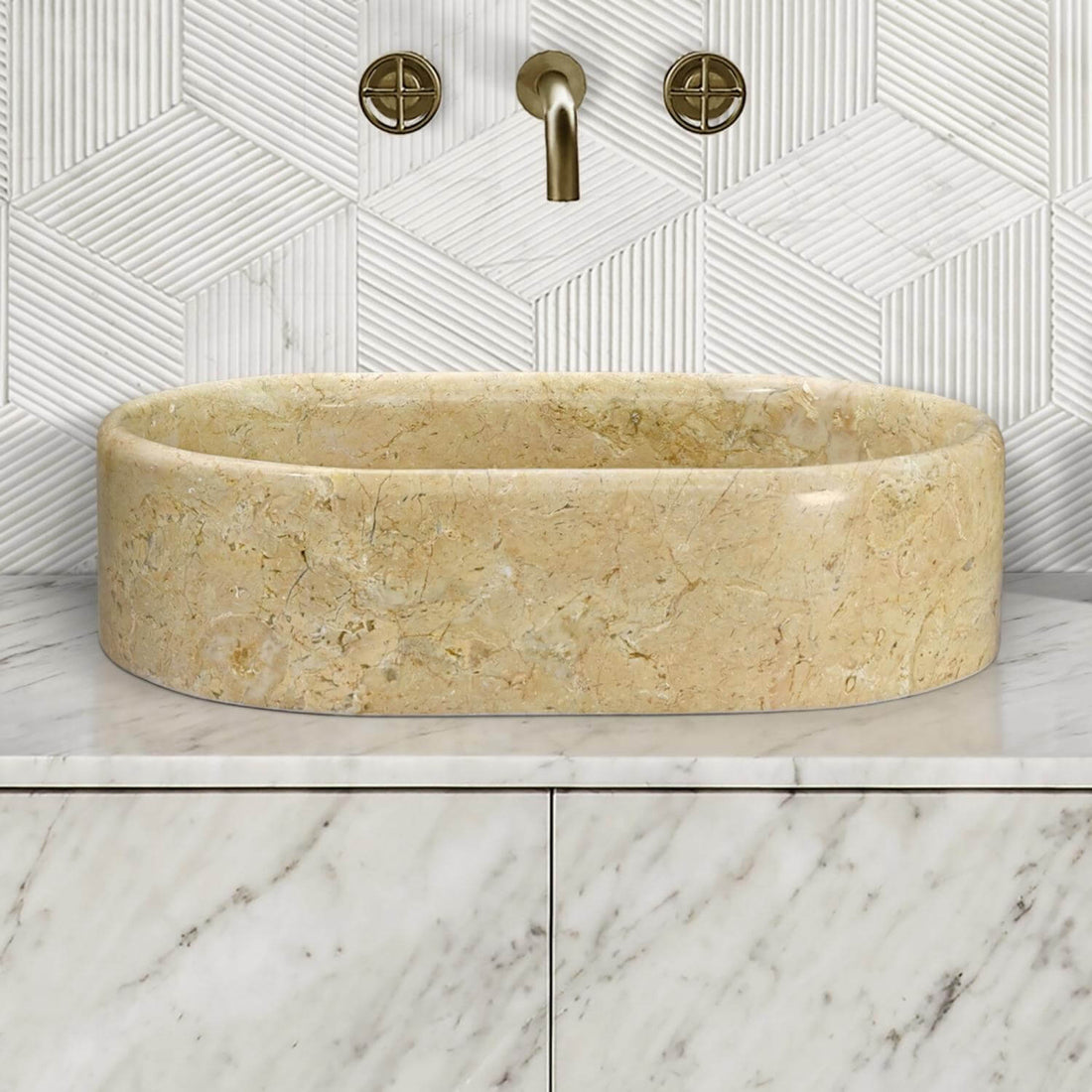
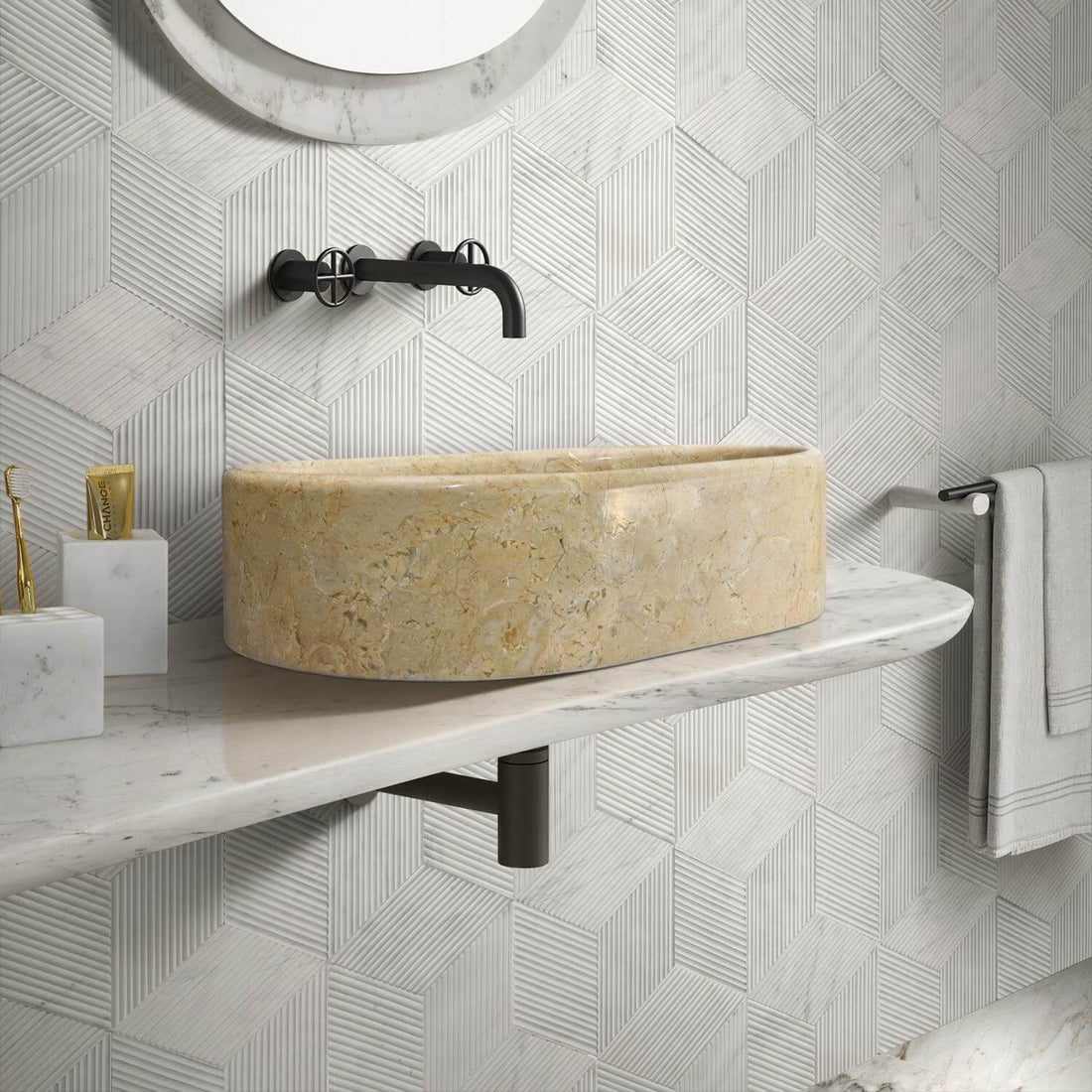 24" Beige Natural Marble Oval Bathroom Vessel Sink for Vanity Countertop
- Regular price
-
$1,449.99 - Regular price
-
$1,999.99 - Sale price
-
$1,449.99
Quick view
-
14" White Ceramic Round Above-Counter Vessel Sink with Stone Pattern
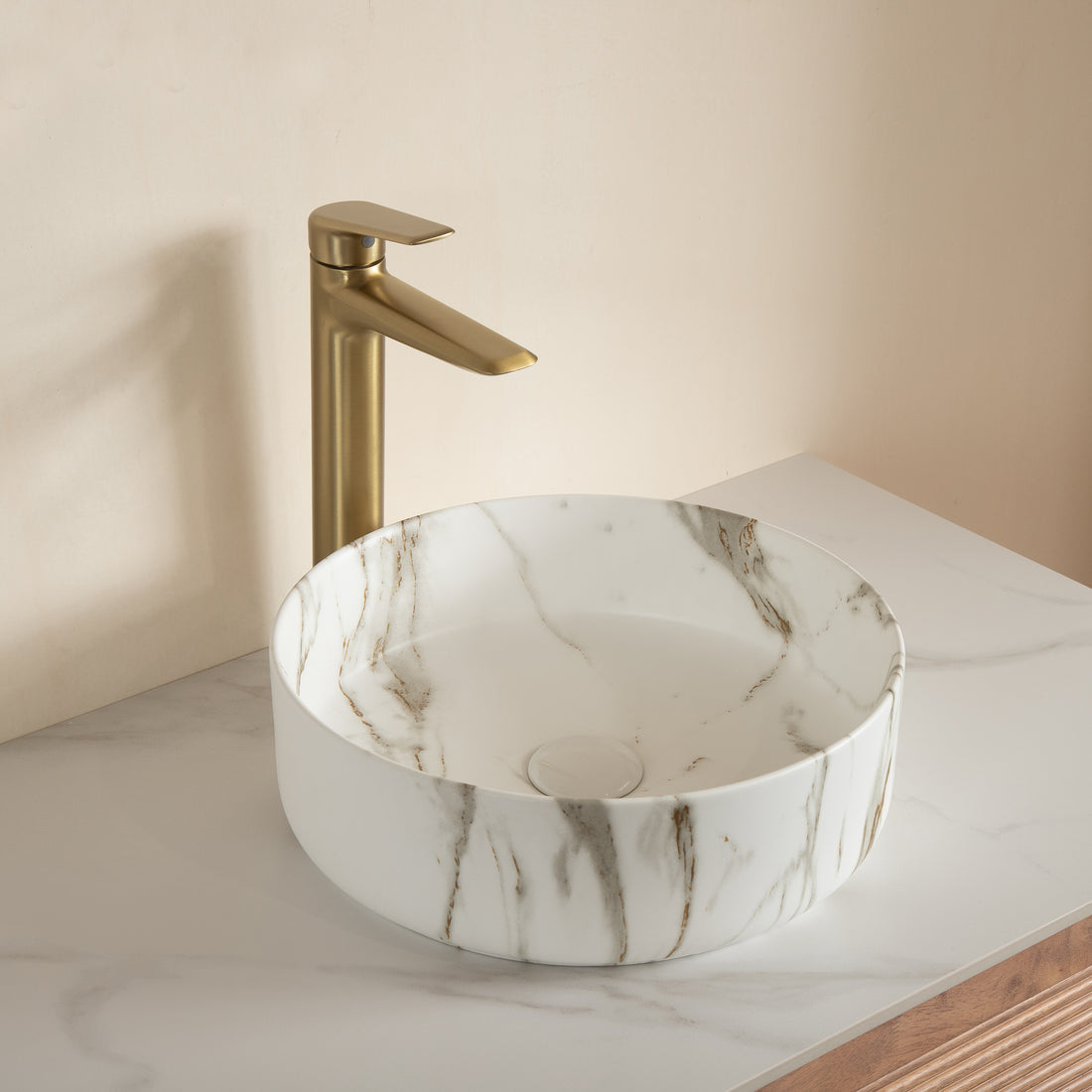
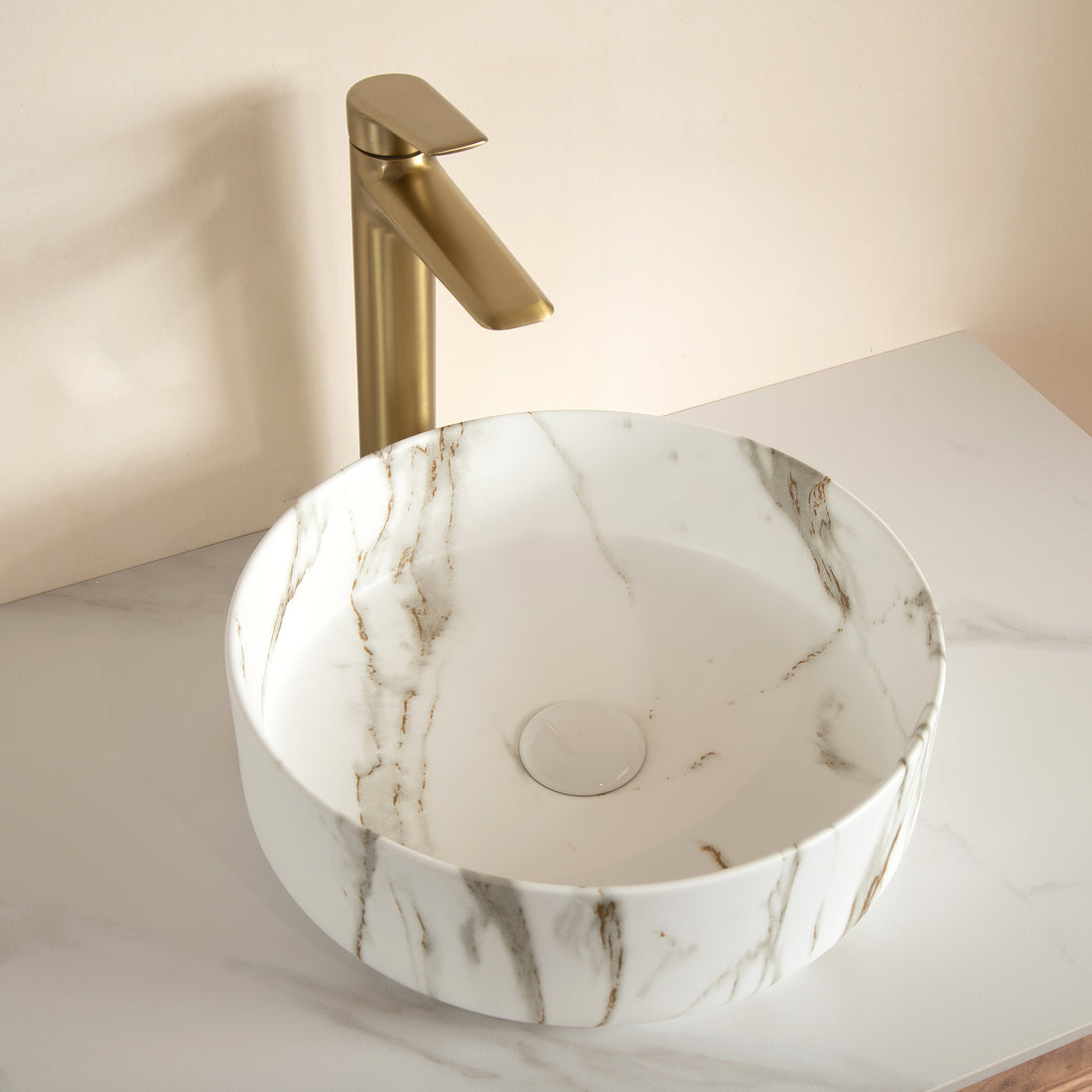 14" White Ceramic Round Above-Counter Vessel Sink with Stone Pattern
- Regular price
-
$203.99 - Regular price
-
- Sale price
-
$203.99
Quick view
-
14" Round White Ceramic Above-Counter Vessel Bathroom Sink
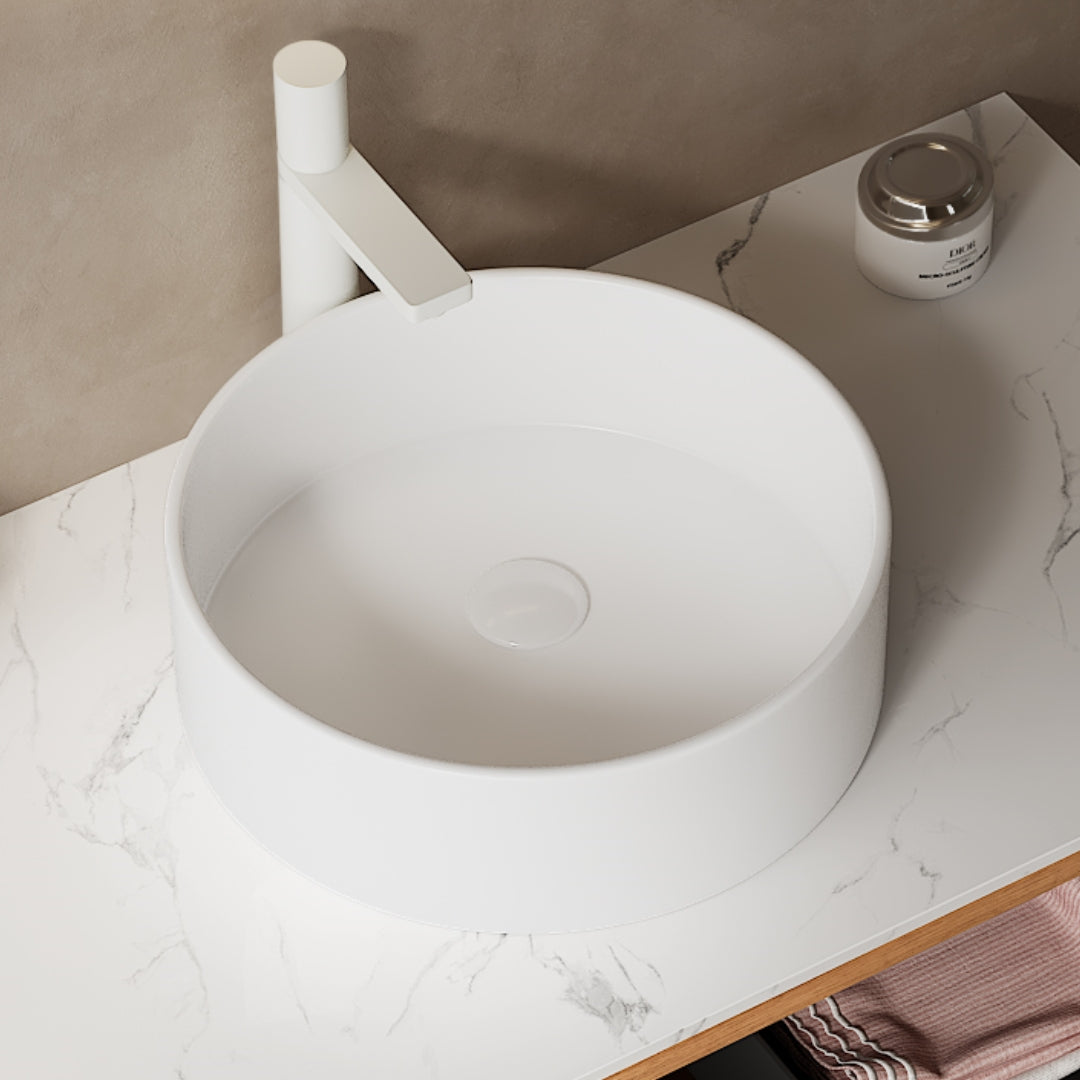
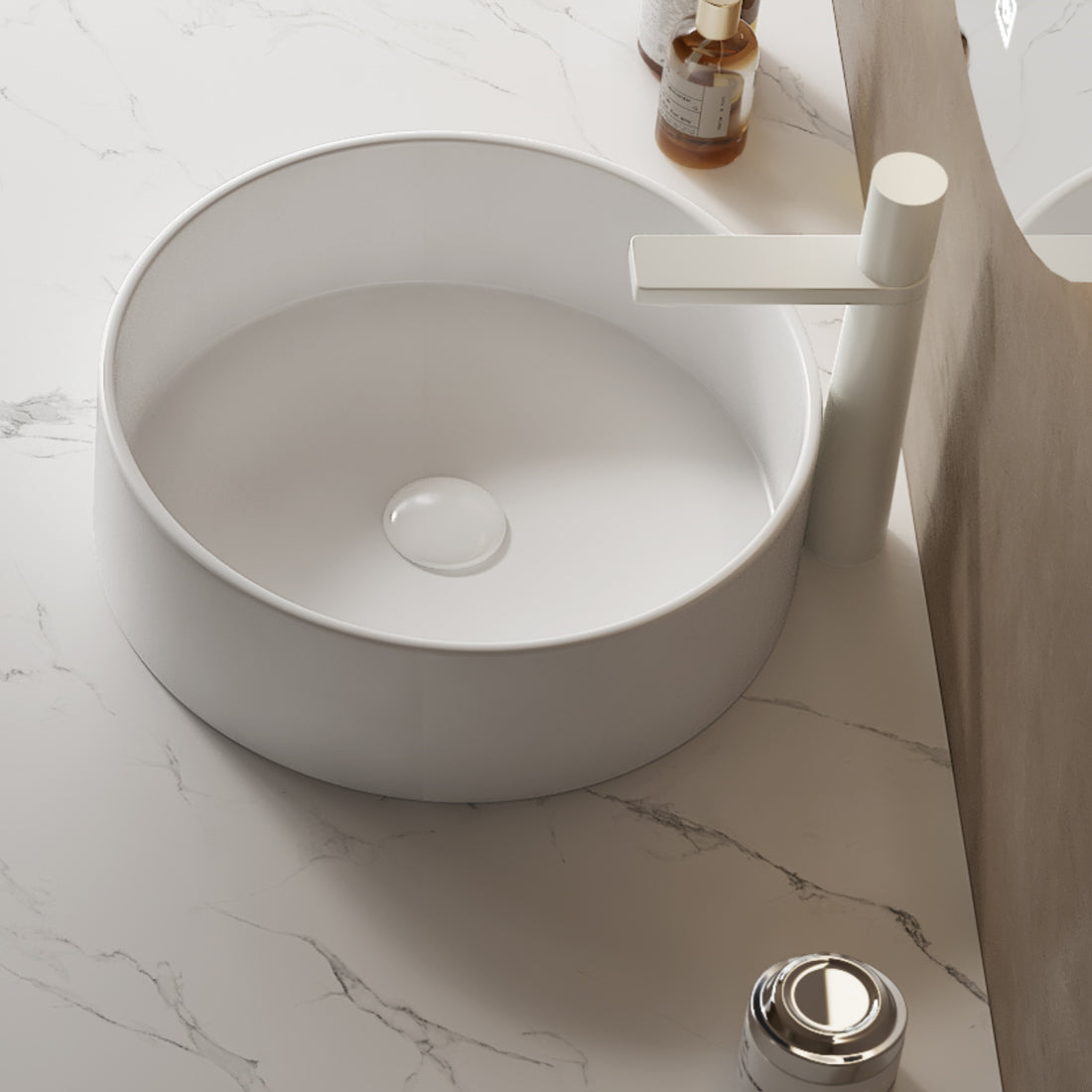 14" Round White Ceramic Above-Counter Vessel Bathroom Sink
- Regular price
-
$203.99 - Regular price
-
- Sale price
-
$203.99
Quick view
-
18" Dark Gray Stone Pattern Resin Vessel Bathroom Sink, Artistic Oval Basin
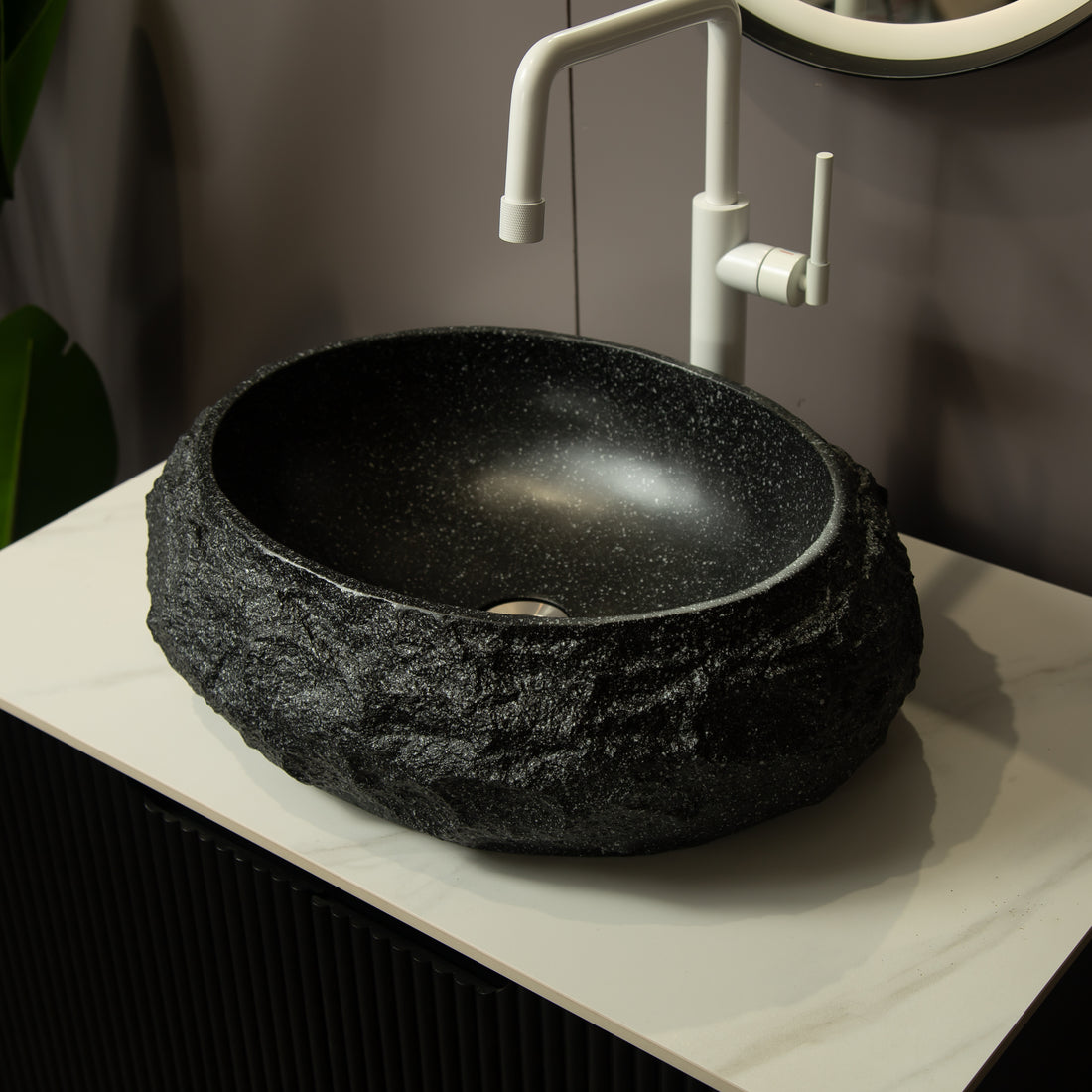
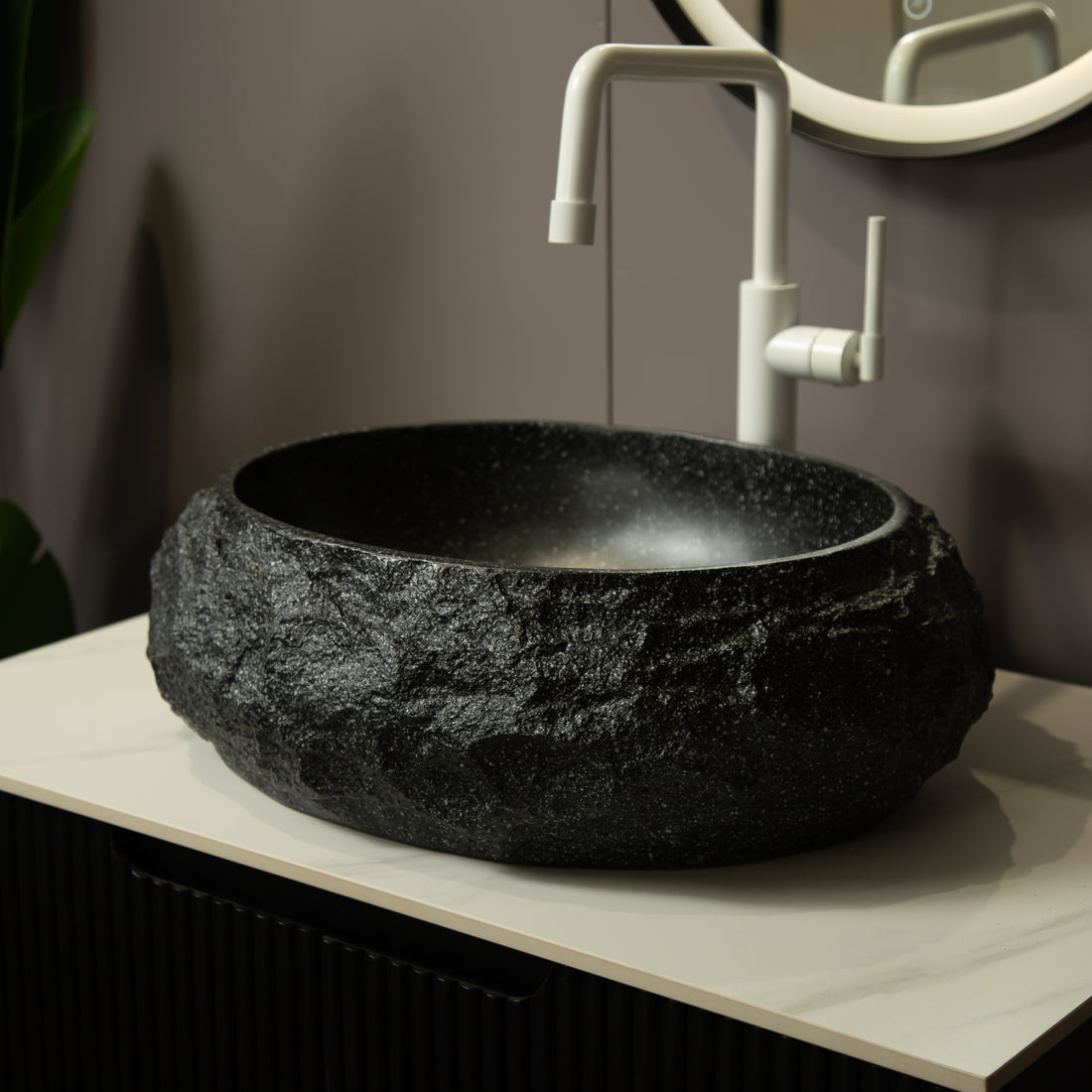 18" Dark Gray Stone Pattern Resin Vessel Bathroom Sink, Artistic Oval Basin
- Regular price
-
$304.99 - Regular price
-
- Sale price
-
$304.99
Quick view
-
18" Ivory Stone Pattern Resin Vessel Bathroom Sink, Artistic Oval Basin
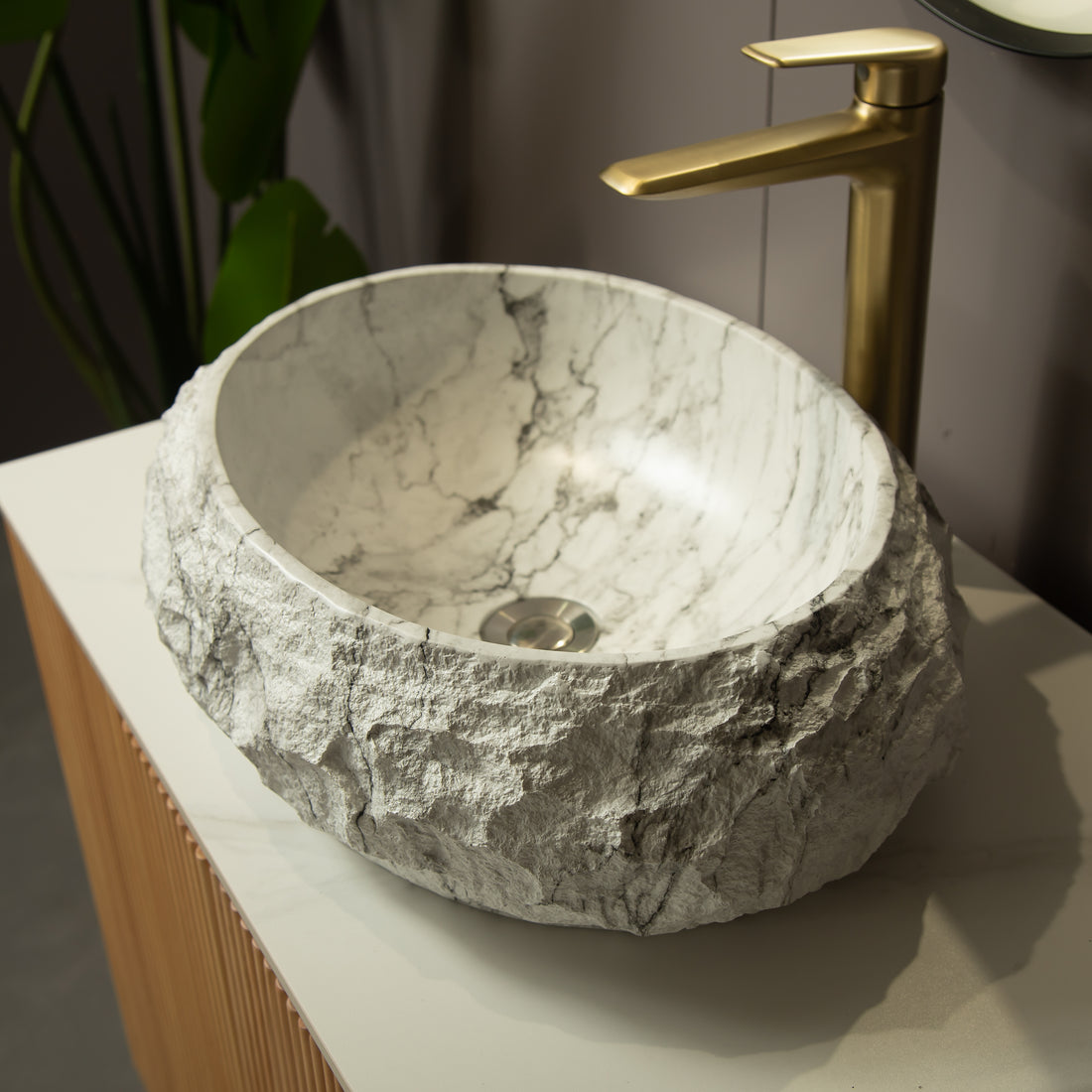
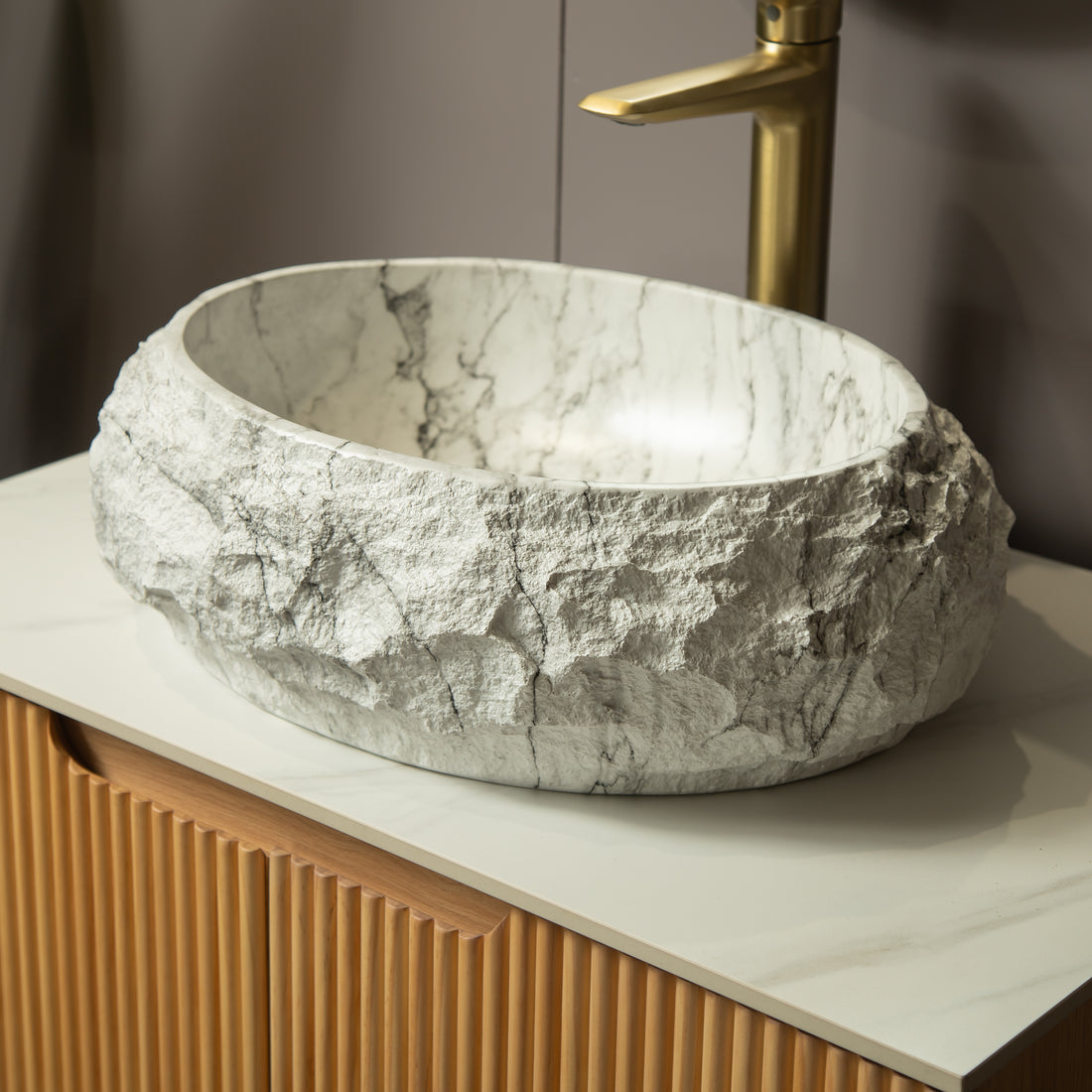 18" Ivory Stone Pattern Resin Vessel Bathroom Sink, Artistic Oval Basin
- Regular price
-
$304.99 - Regular price
-
- Sale price
-
$304.99
Quick view
-
18" Beige Stone Pattern Resin Vessel Bathroom Sink, Artistic Oval Basin
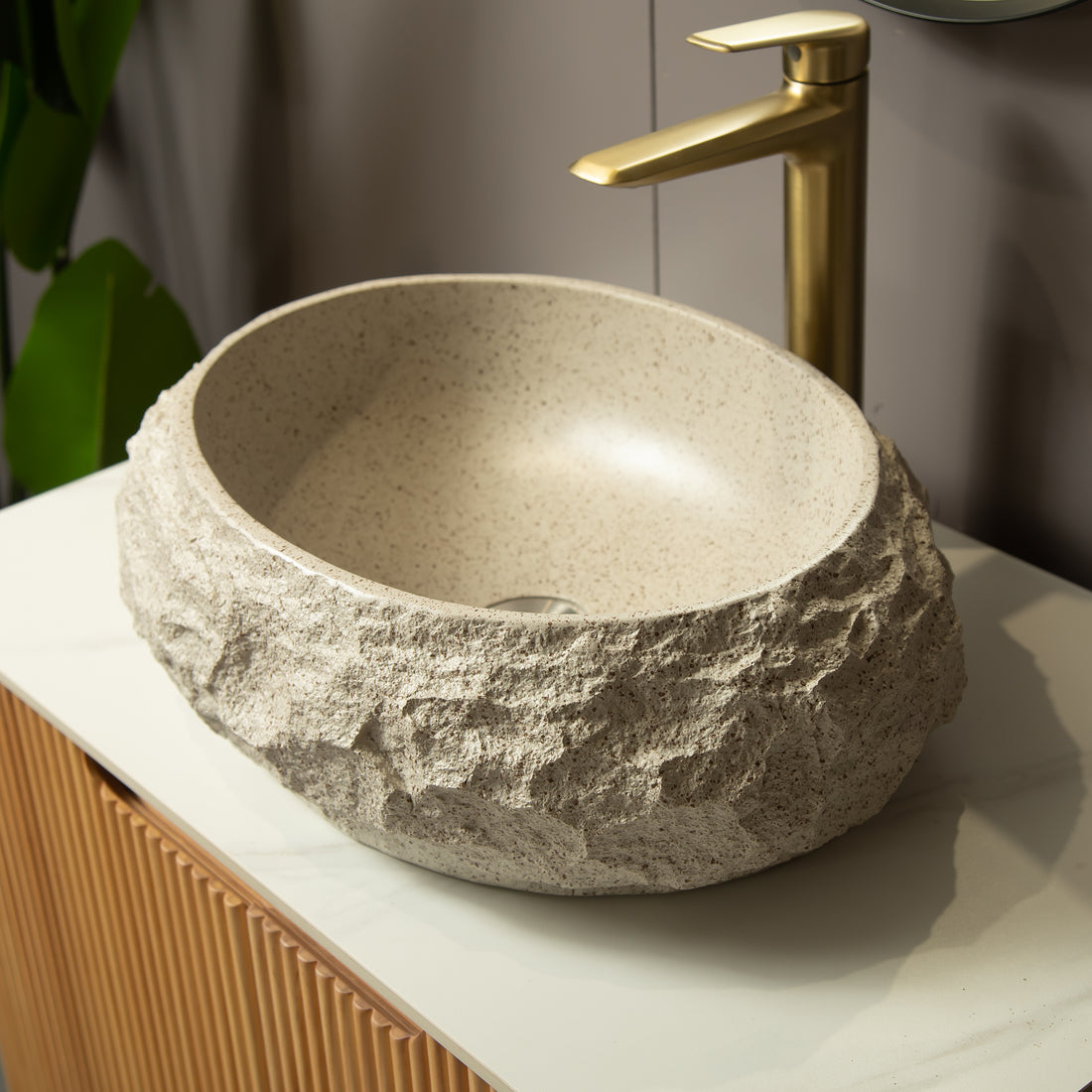
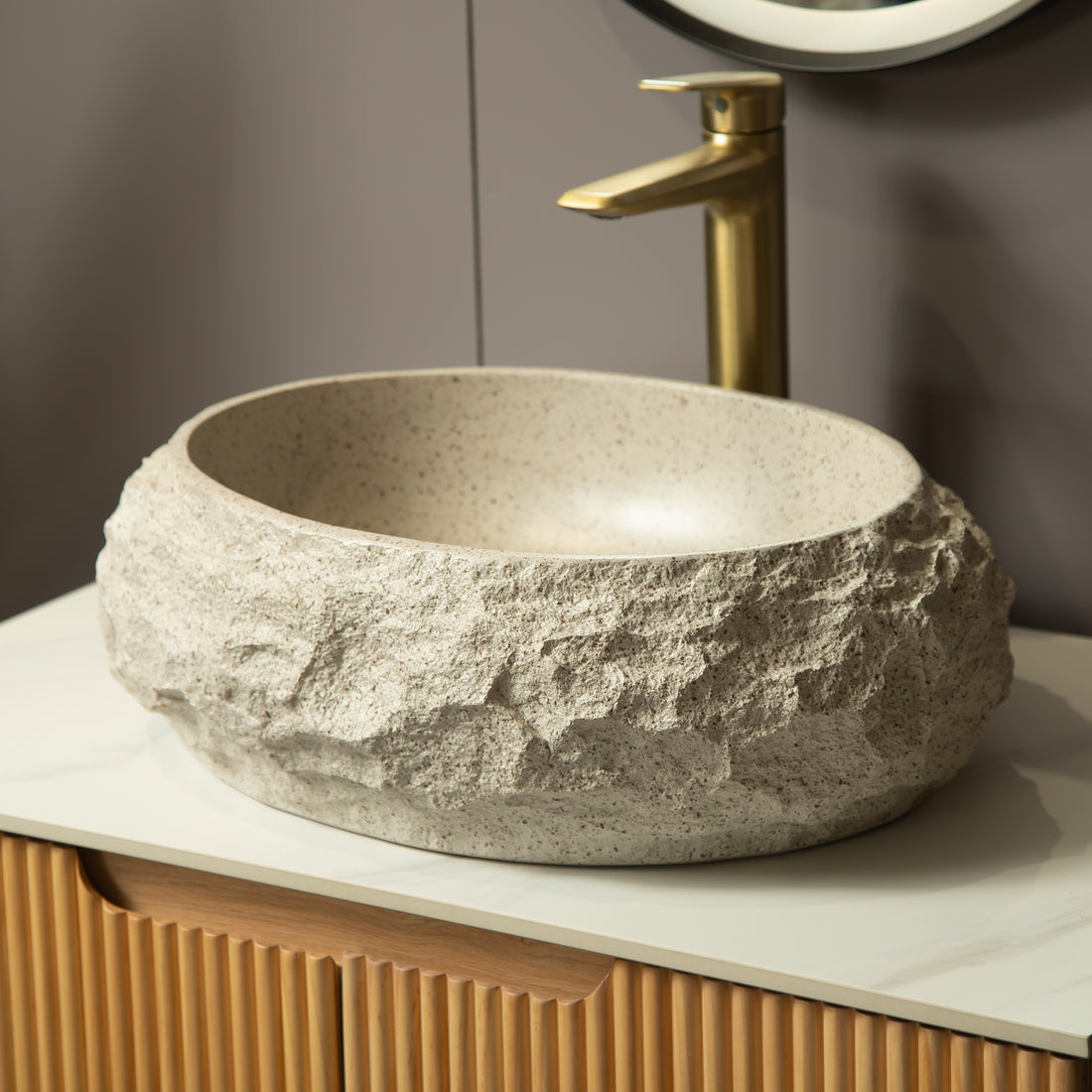 18" Beige Stone Pattern Resin Vessel Bathroom Sink, Artistic Oval Basin
- Regular price
-
$304.99 - Regular price
-
- Sale price
-
$304.99
Quick view
-
14" Black Bowl Ceramic Above-Counter Vessel Sink with Stone Pattern
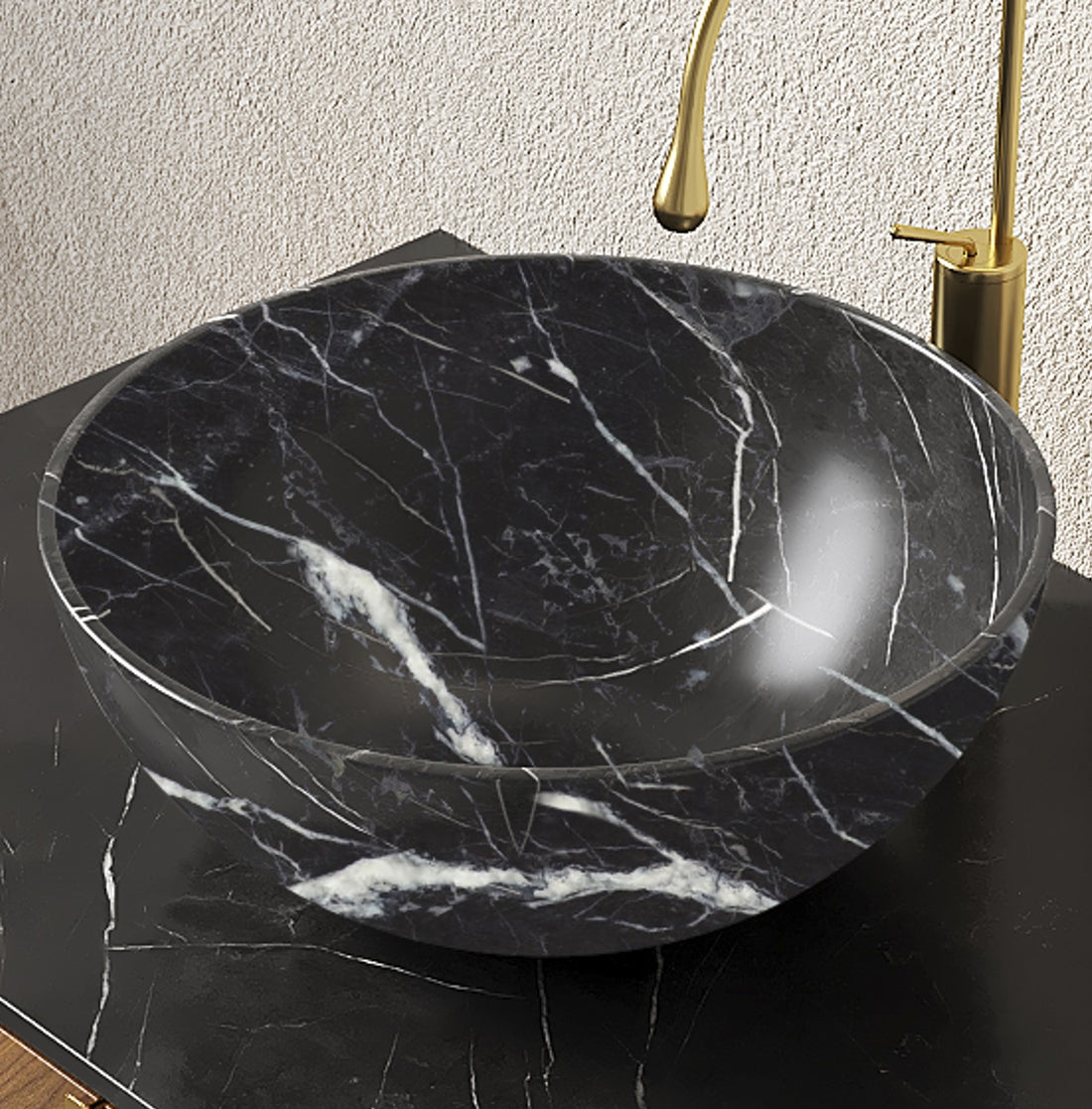
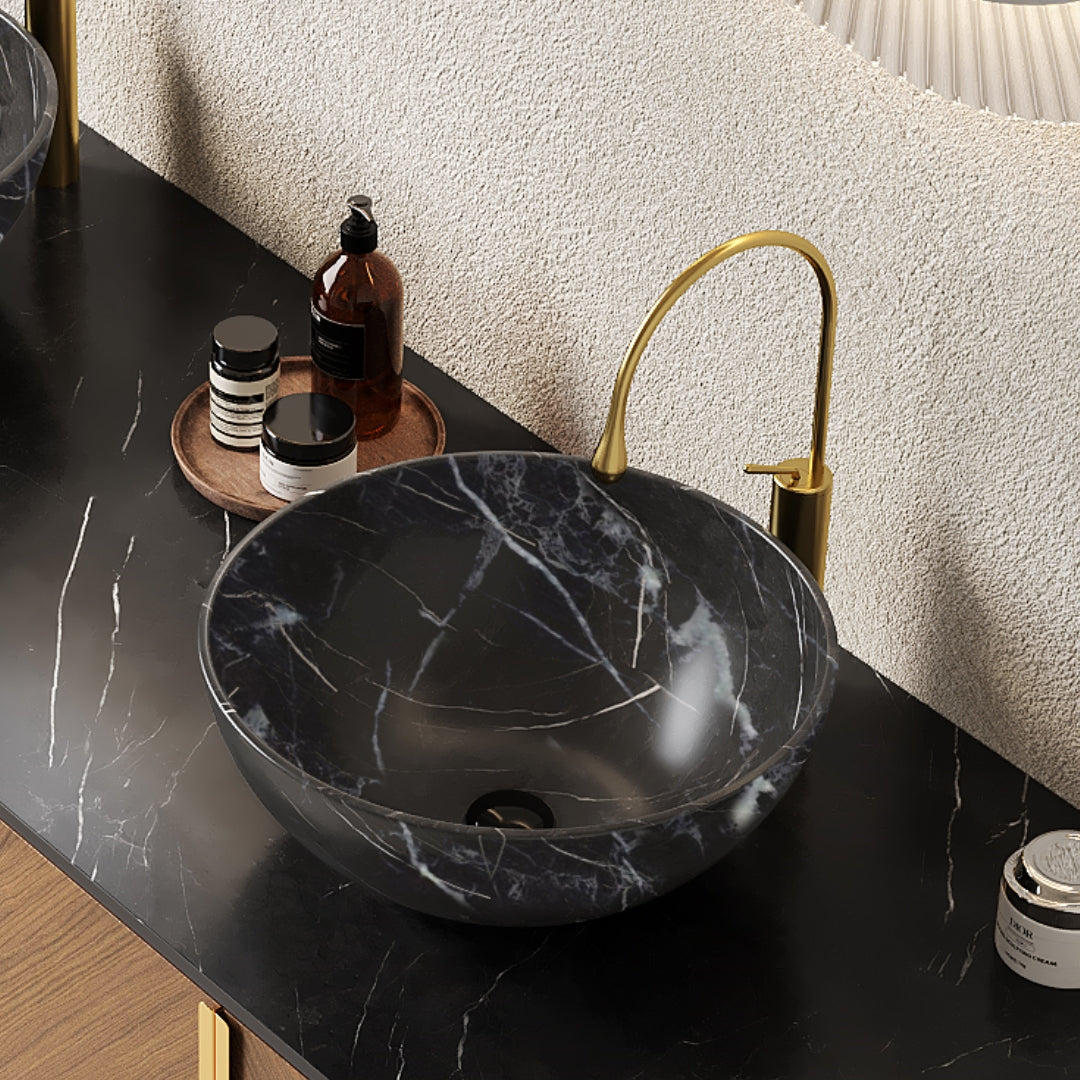 14" Black Bowl Ceramic Above-Counter Vessel Sink with Stone Pattern
- Regular price
-
$203.99 - Regular price
-
- Sale price
-
$203.99
Quick view
-
14" Round Transparent Crystal Glass Above-Counter Vessel Sink
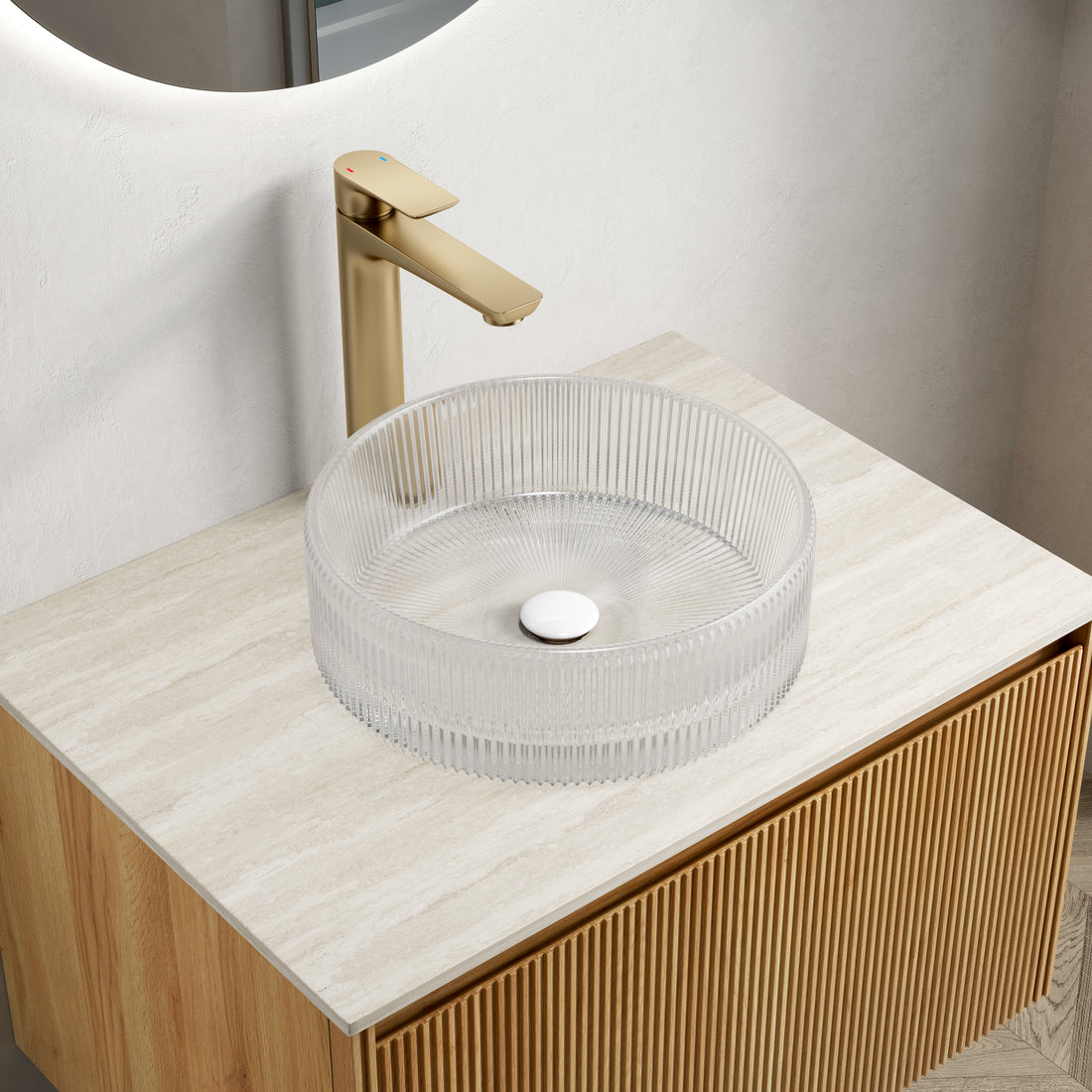
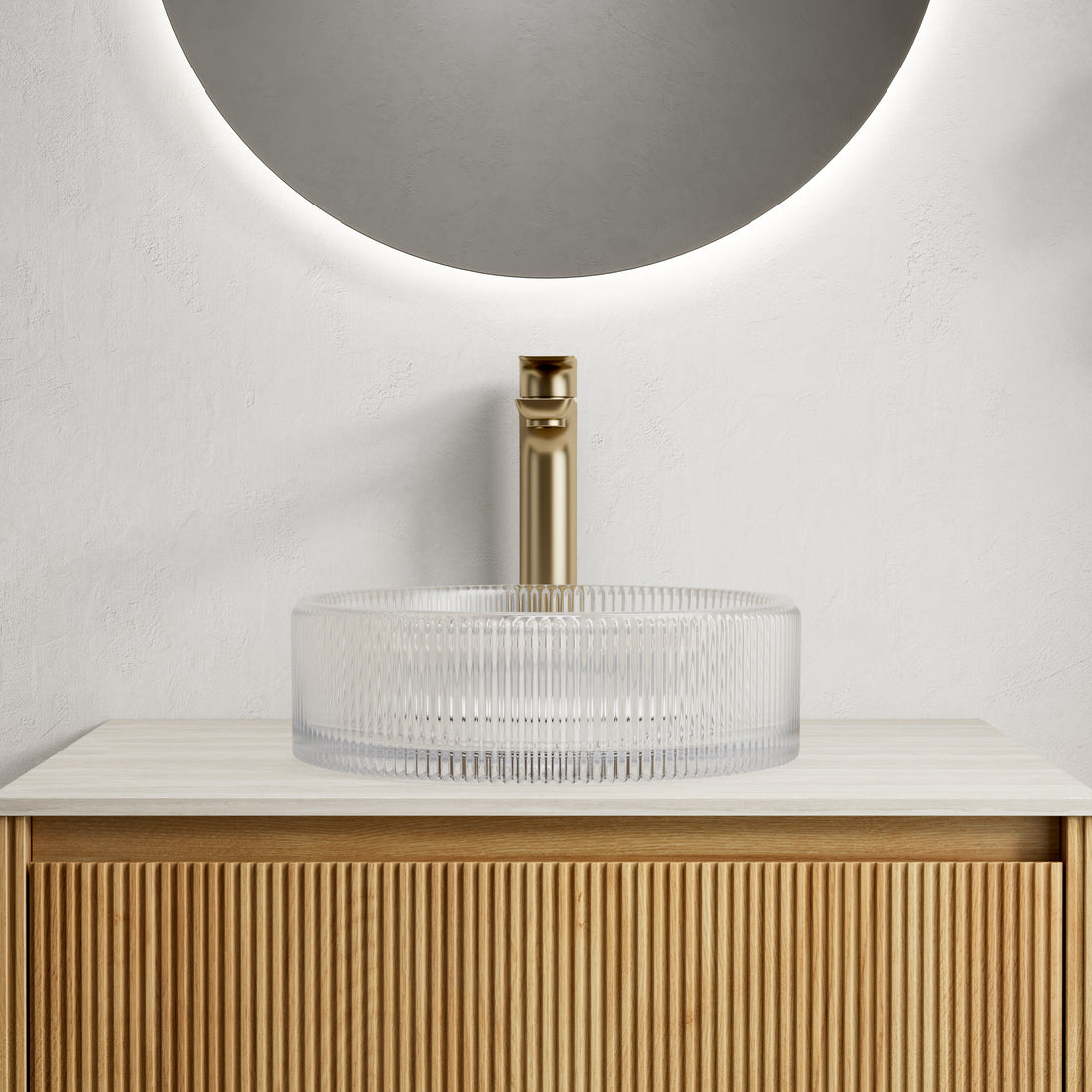 14" Round Transparent Crystal Glass Above-Counter Vessel Sink
- Regular price
-
$339.99 - Regular price
-
- Sale price
-
$339.99
Quick view
-
14" Round Transparent Black Crystal Glass Above-Counter Vessel Sink
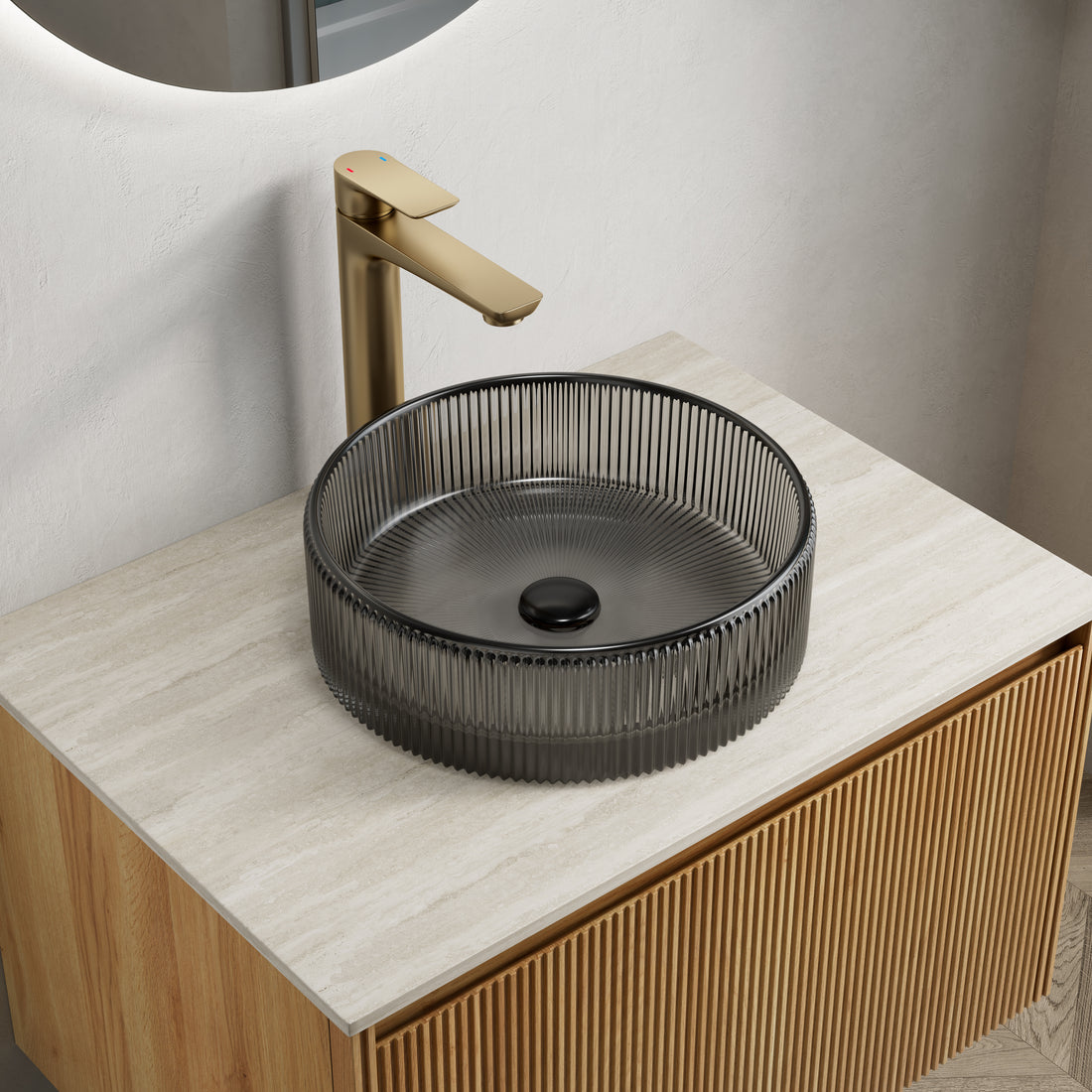
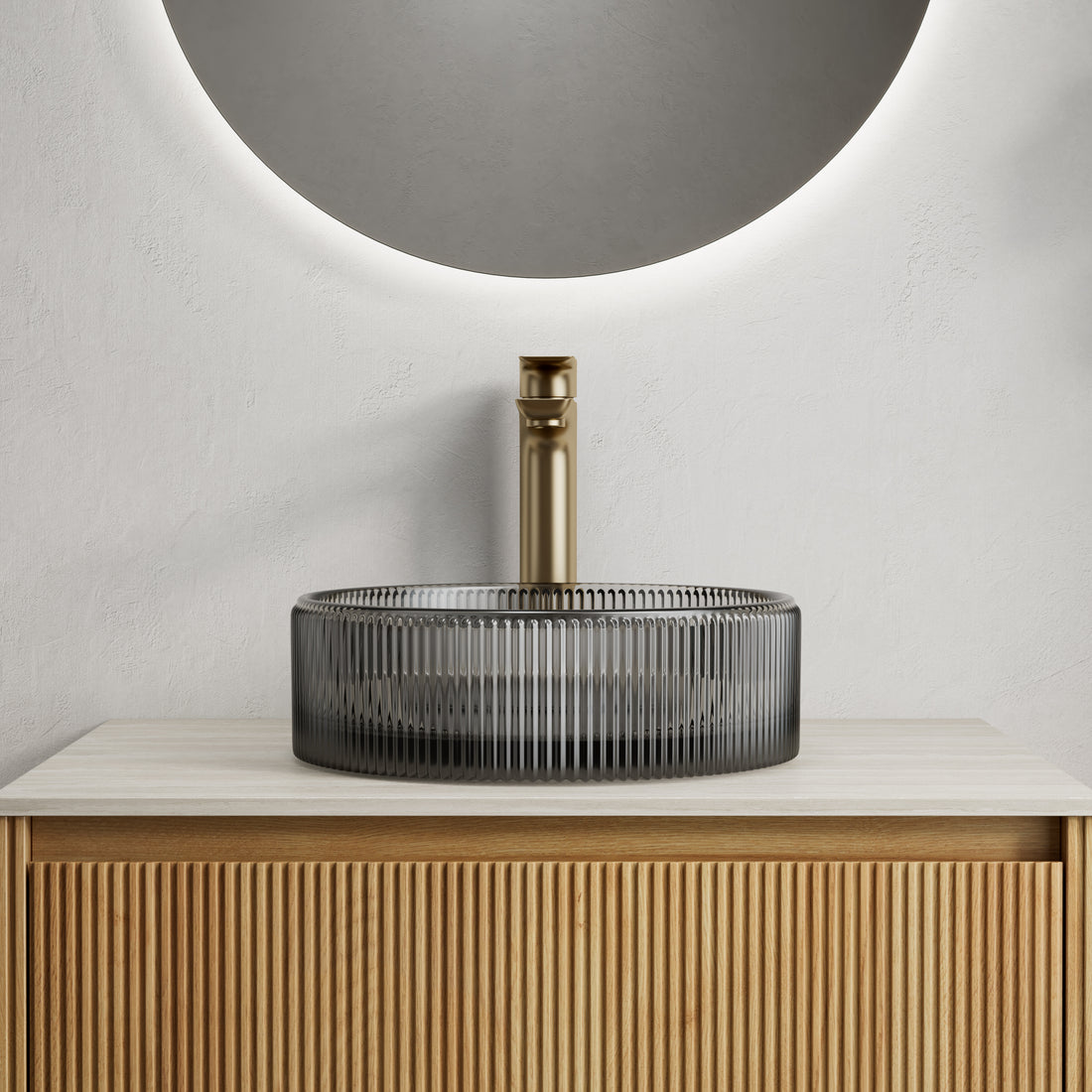 14" Round Transparent Black Crystal Glass Above-Counter Vessel Sink
- Regular price
-
$339.99 - Regular price
-
- Sale price
-
$339.99
Quick view
-
19"x15" White Ceramic Rectangular Bathroom Sink with Marble Pattern
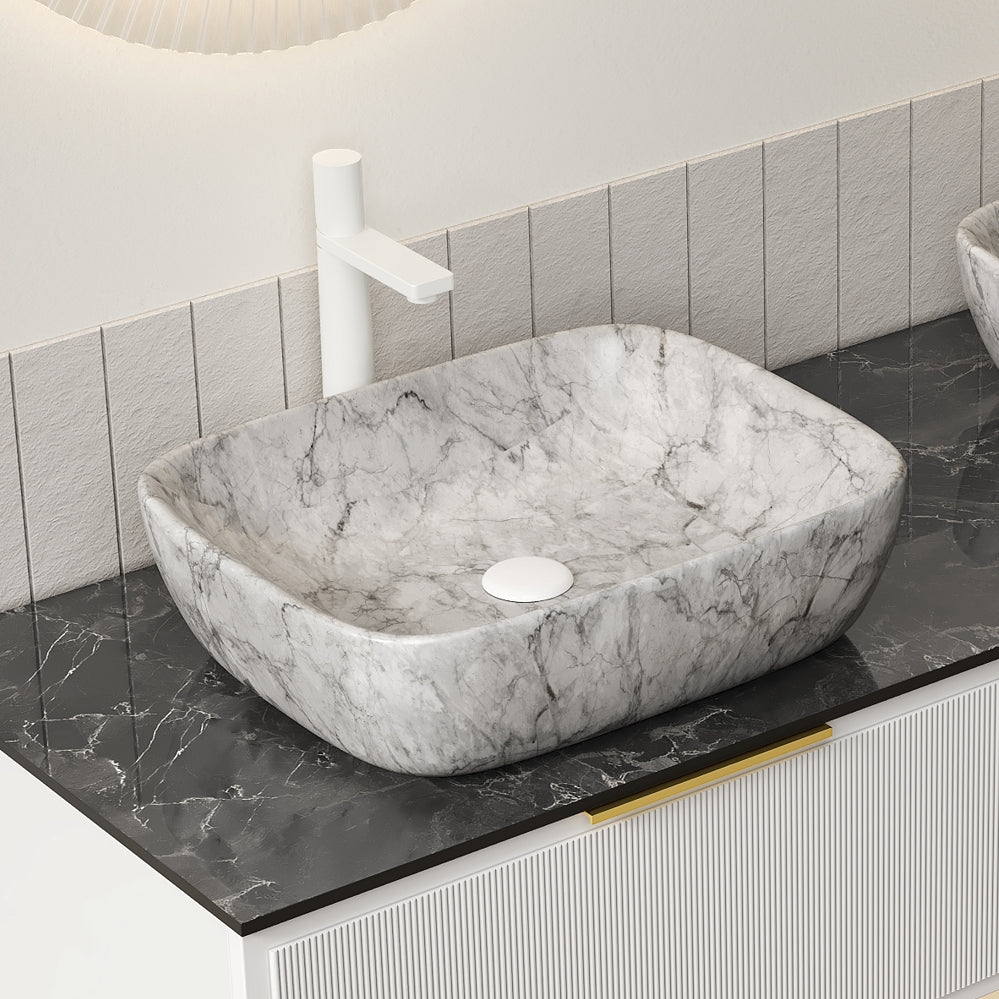
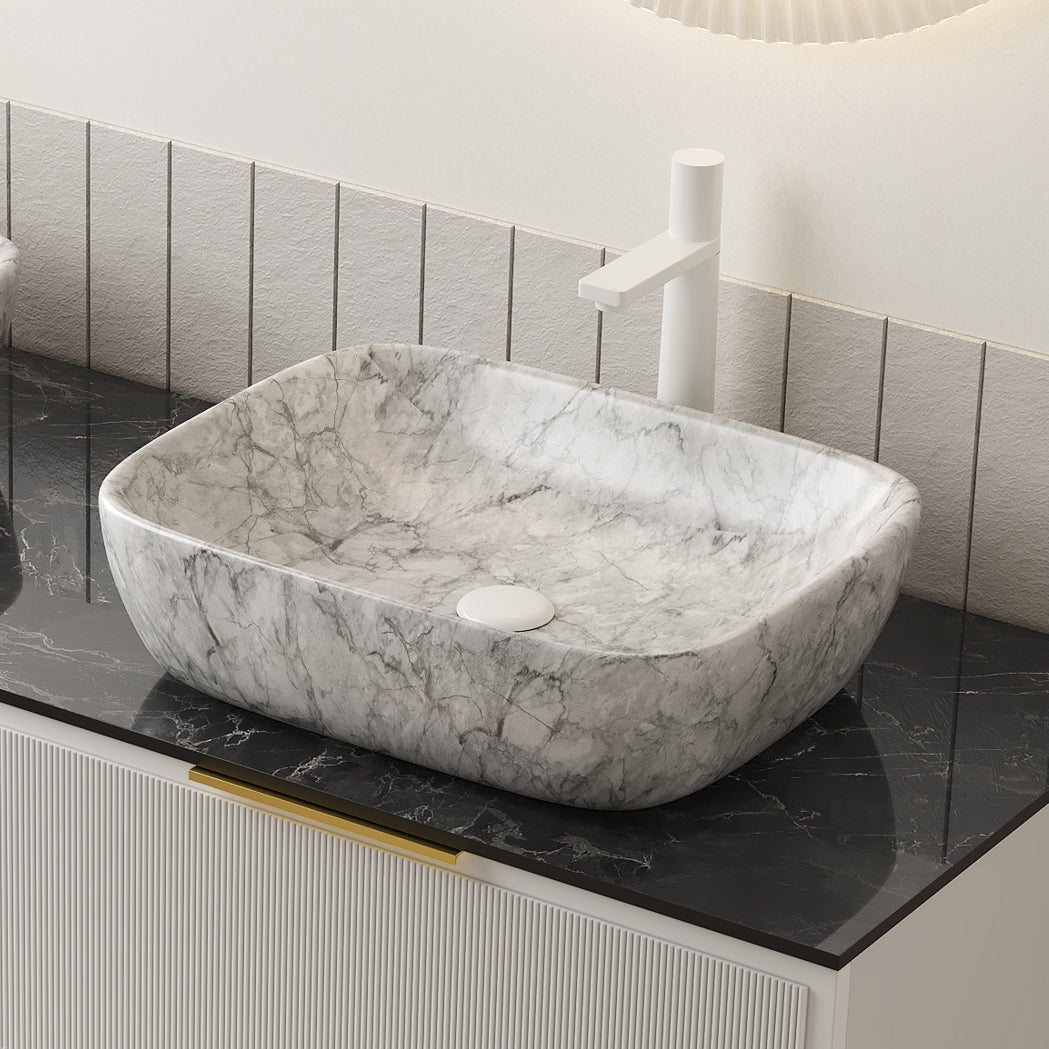 19"x15" White Ceramic Rectangular Bathroom Sink with Marble Pattern
- Regular price
-
$299.99 - Regular price
-
- Sale price
-
$299.99
Quick view
-
14" White Ceramic Bowl Above-Counter Vessel Sink with Stone Pattern
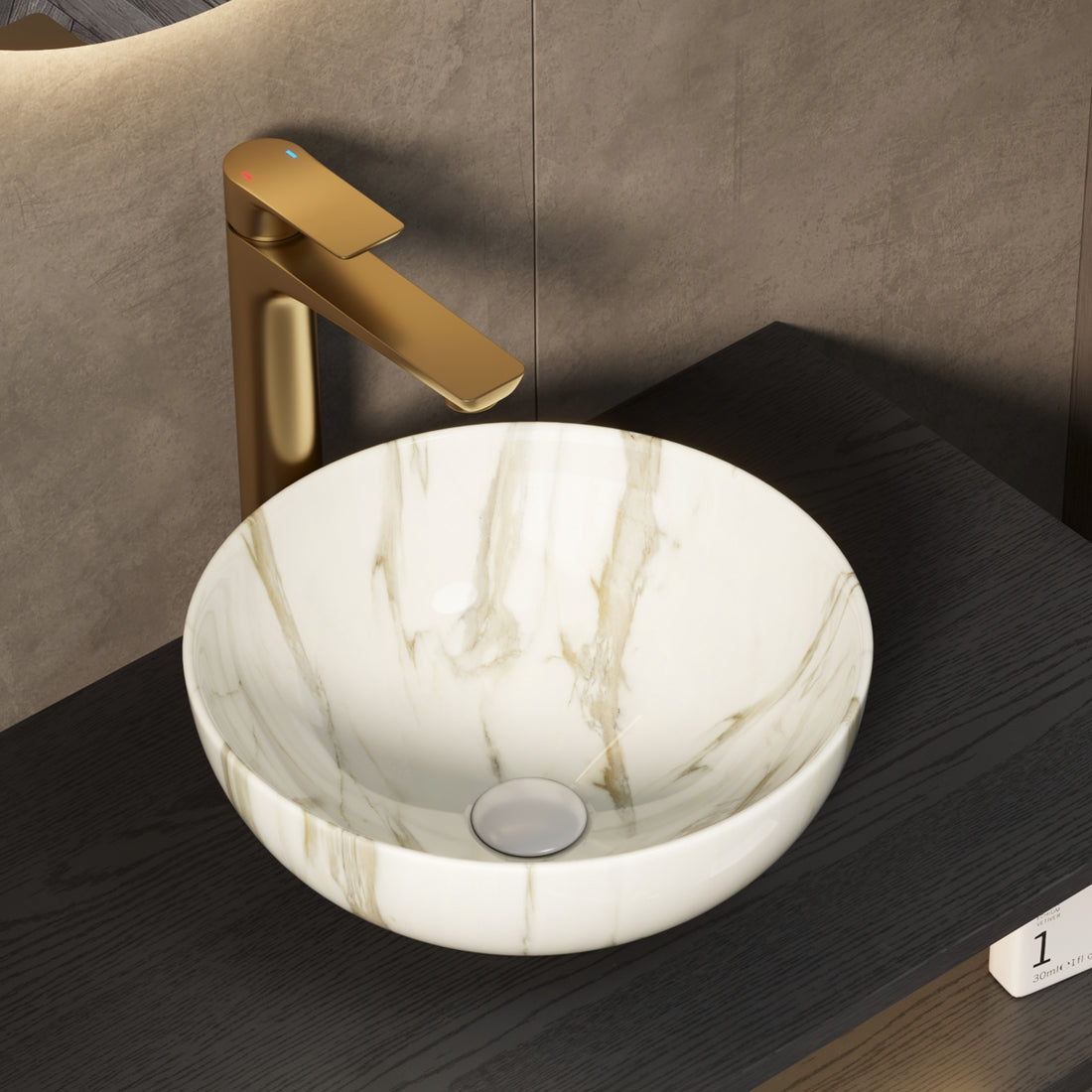
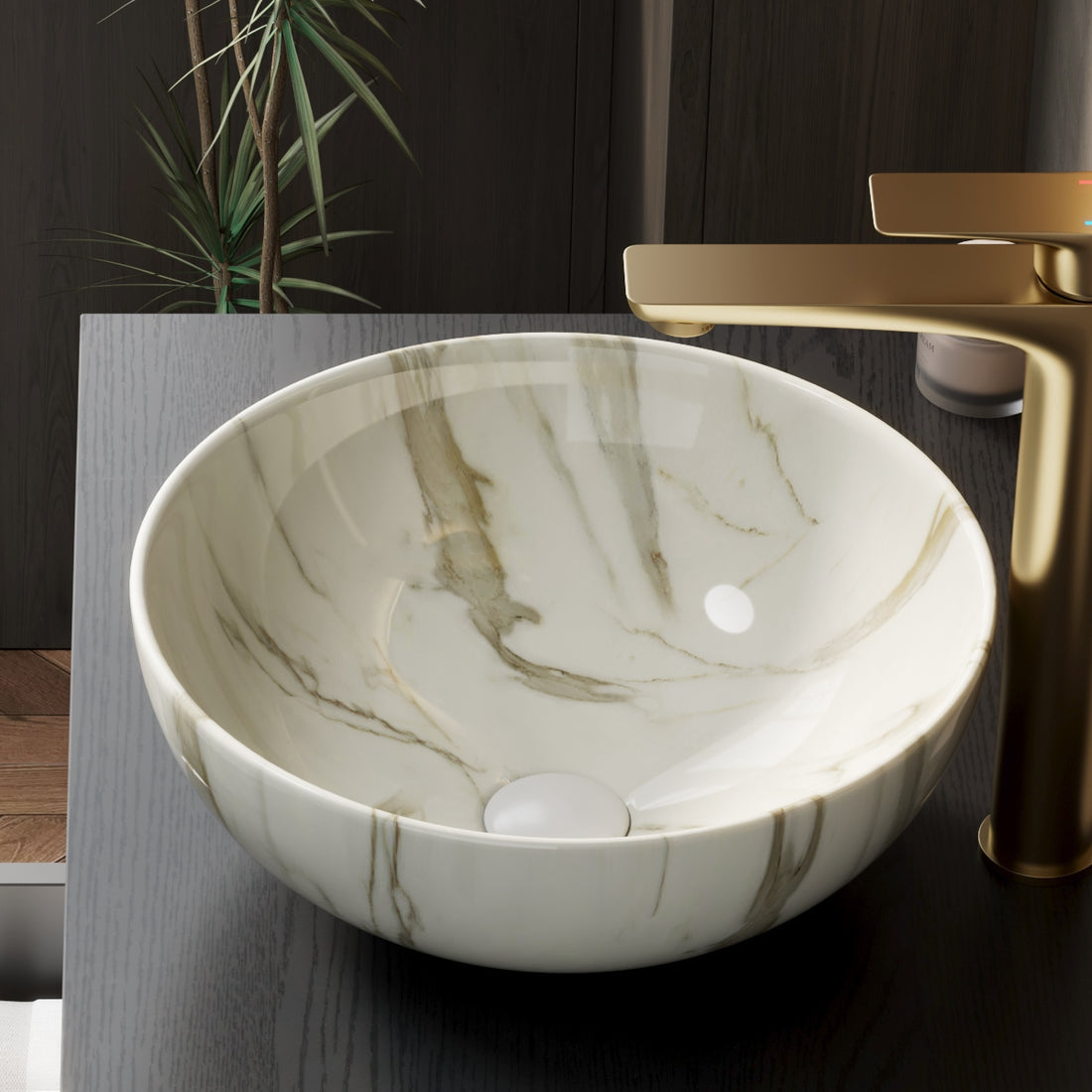 14" White Ceramic Bowl Above-Counter Vessel Sink with Stone Pattern
- Regular price
-
$203.99 - Regular price
-
- Sale price
-
$203.99
Quick view
15% OFF 3 or More
Quick view
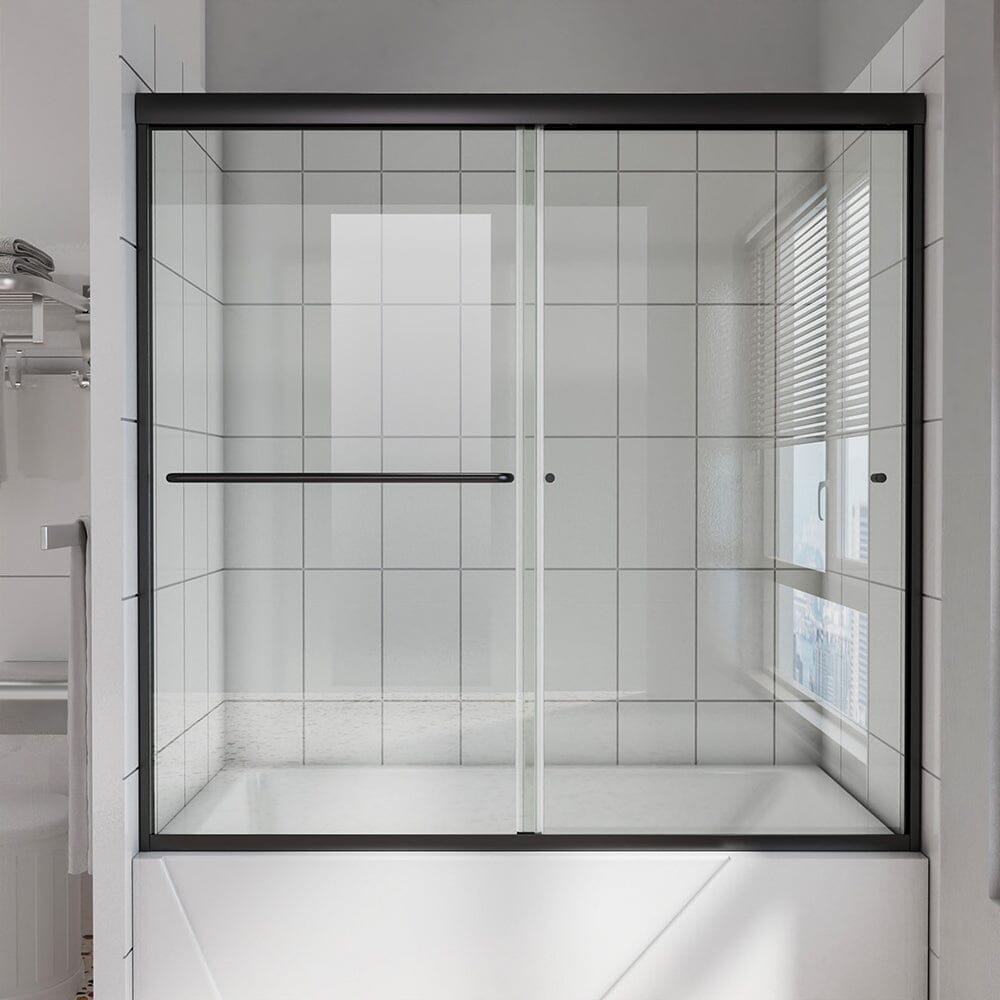
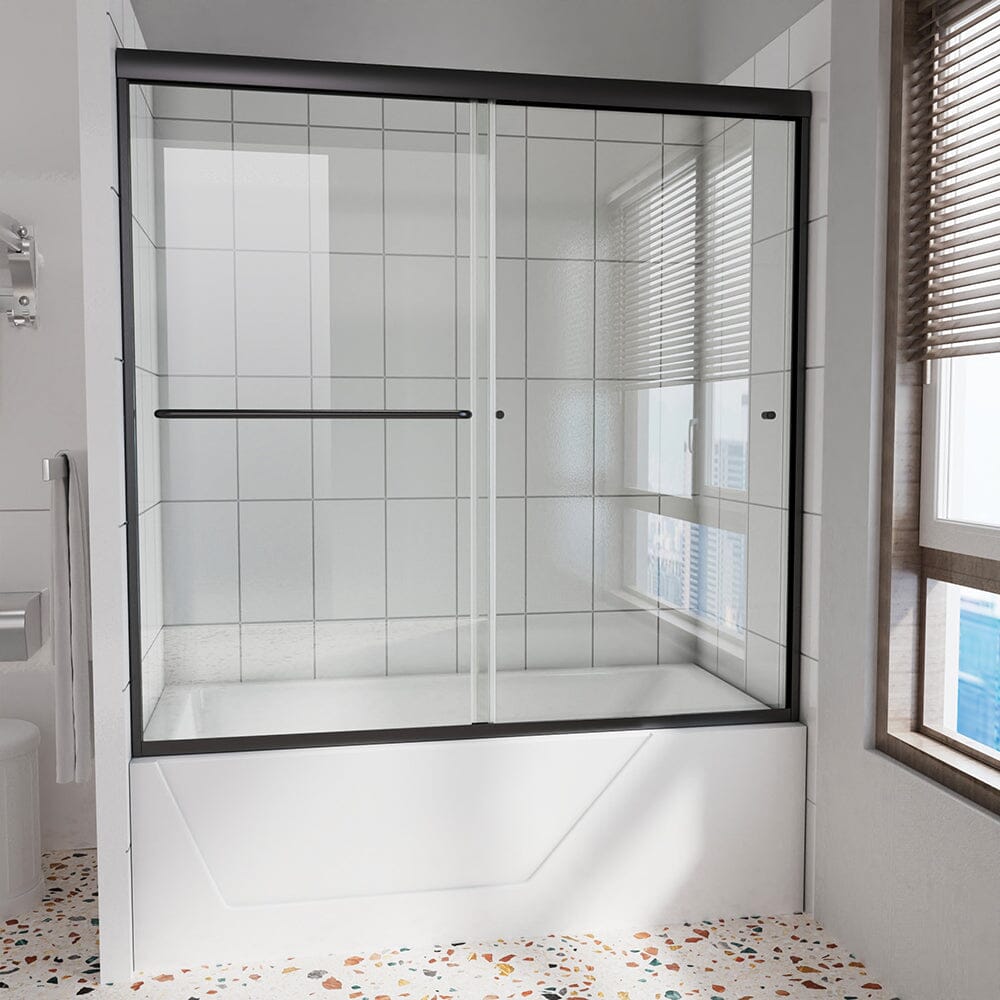
56-60"W x 58"H Shower Door Traditional Double Sliding with Handle
-
Regular price
-
$649.99
$669.99
-
Regular price
-
-
Sale price
-
$649.99
$669.99
- Regular price
-
$649.99 $669.99 - Regular price
-
- Sale price
-
$649.99 $669.99
Quick view
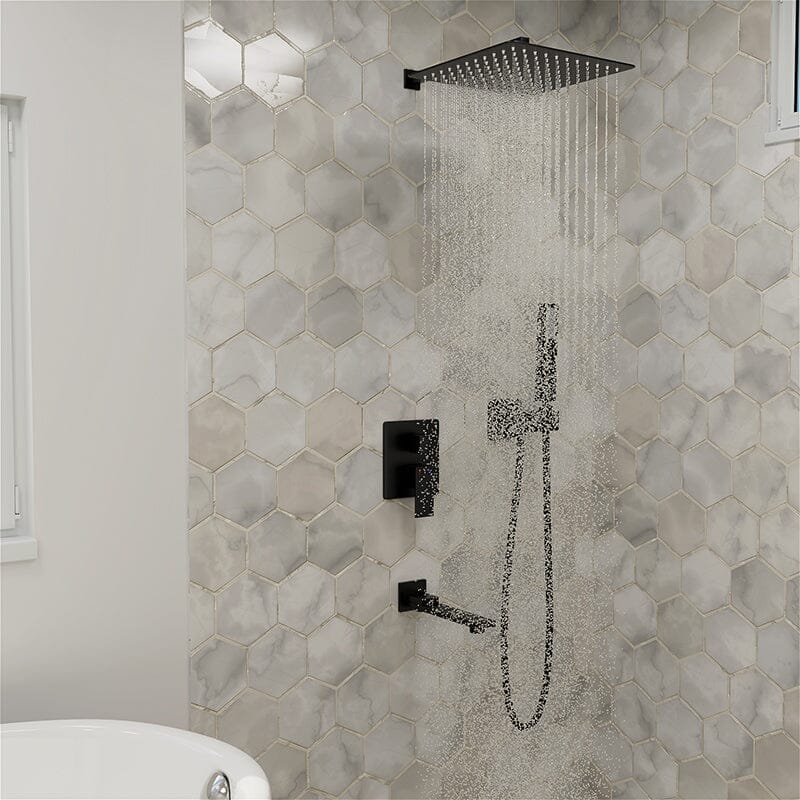
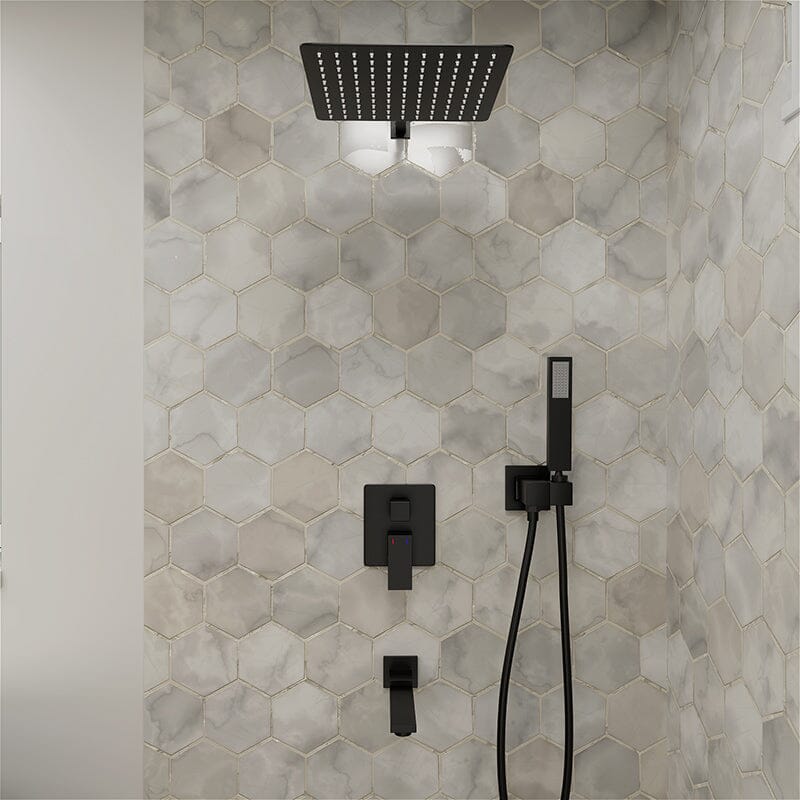
12" Square Shower Set with Hand Shower & Tub Spout Shower Combo Set
-
Regular price
-
$219.99
$289.99
-
Regular price
-
-
Sale price
-
$219.99
$289.99
- Regular price
-
$219.99 $289.99 - Regular price
-
- Sale price
-
$219.99 $289.99
Quick view
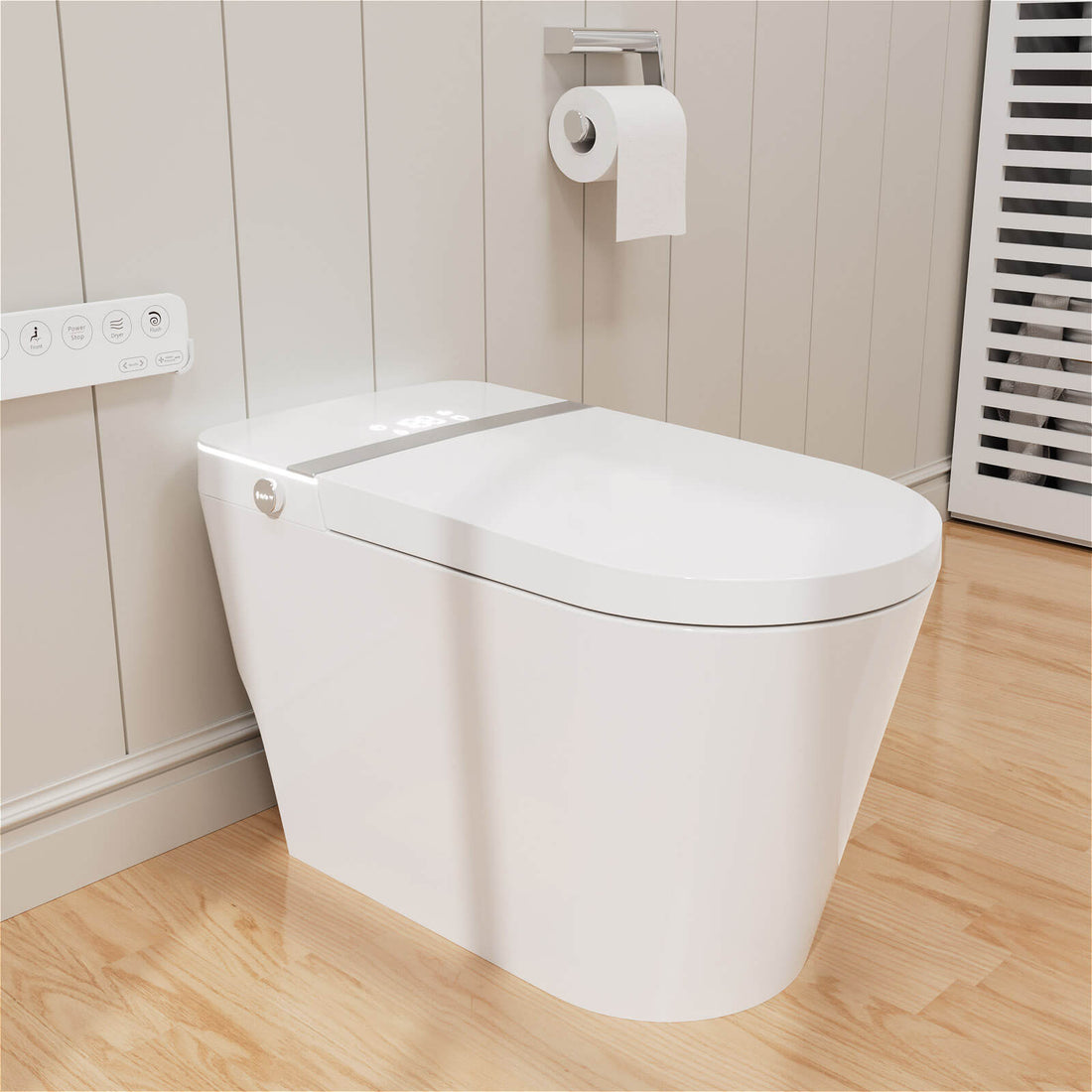
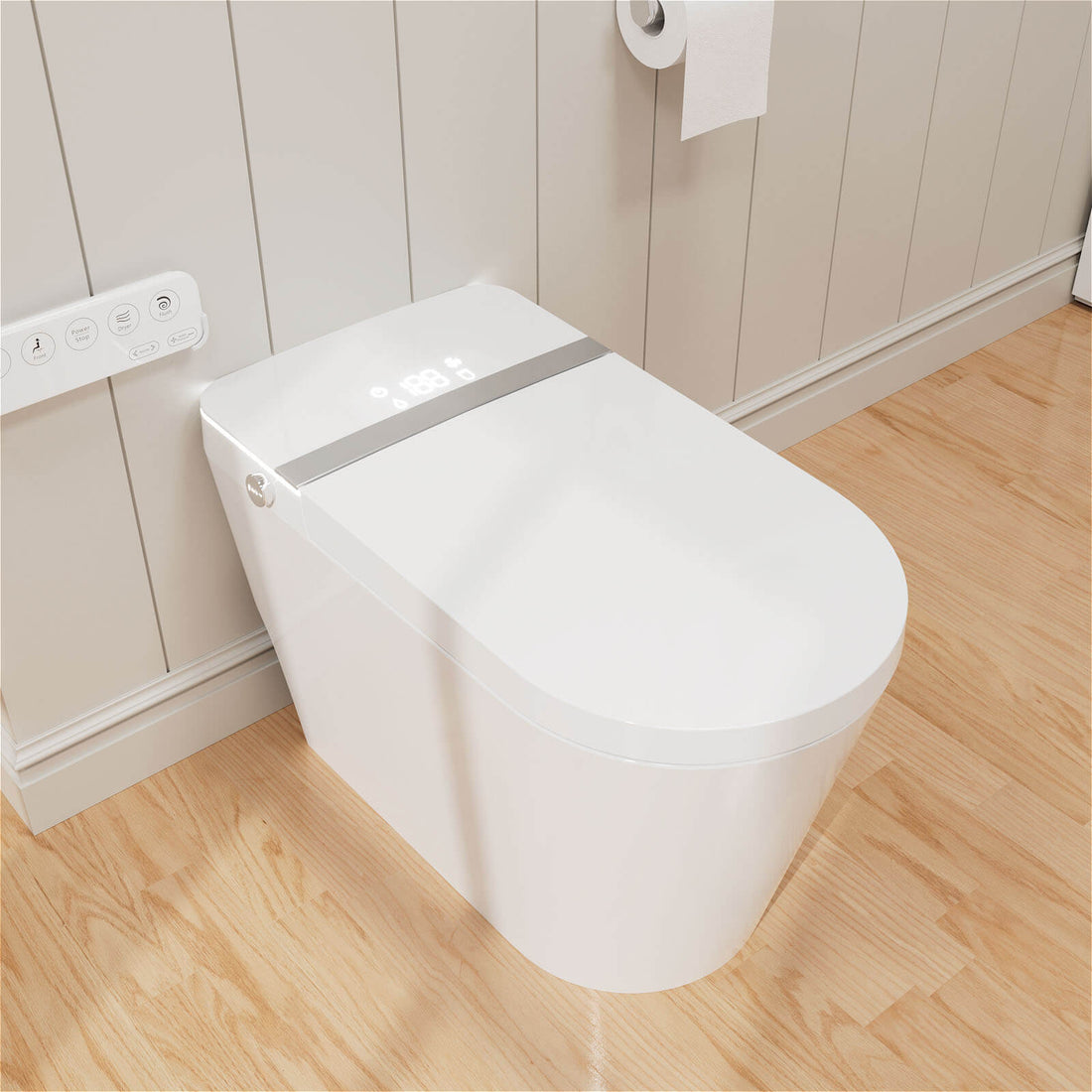
Touchless Smart Toilet with Automatic Flush, Ambient Lighting, and Built-in Water Tank
-
Regular price
-
$999.99
-
Regular price
-
-
Sale price
-
$999.99
- Regular price
-
$999.99 - Regular price
-
- Sale price
-
$999.99
Quick view
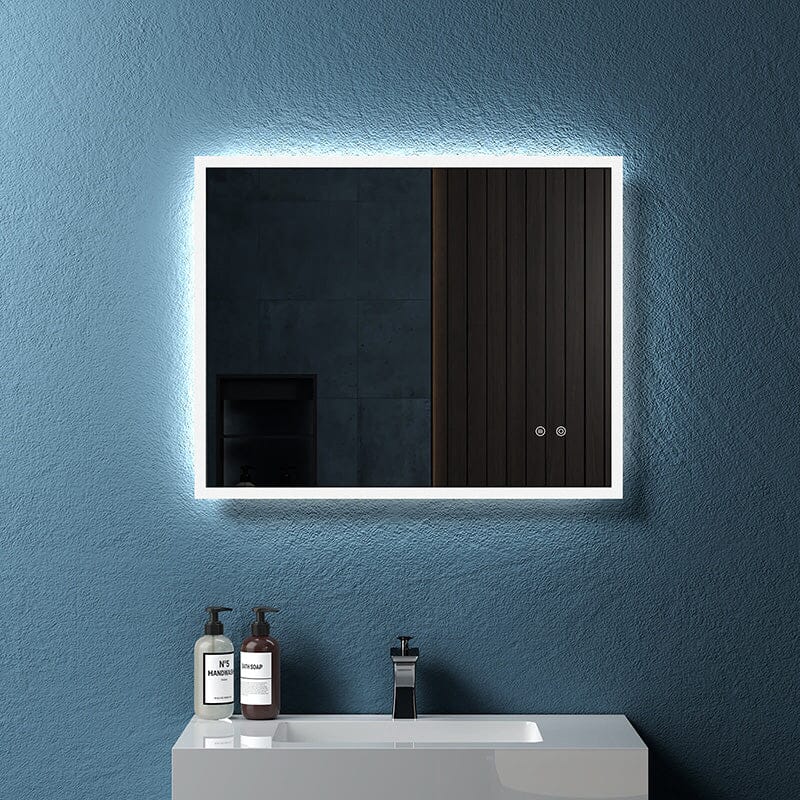
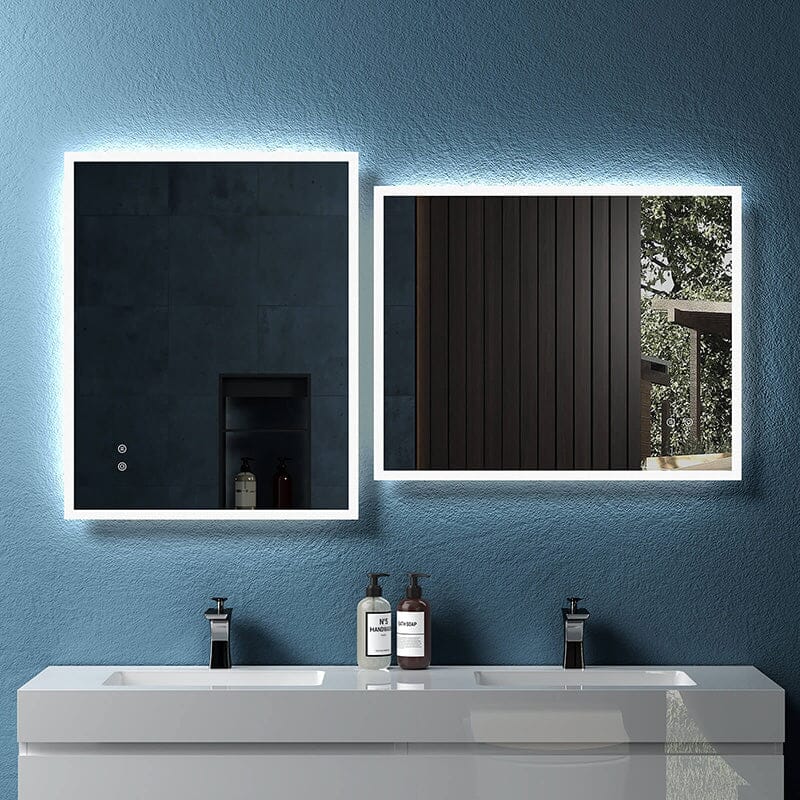
LED Light Bathroom Vanity Mirror Large Rectangular Frameless Anti-Fog
-
Regular price
-
$149.99
$549.99
-
Regular price
-
$299.99
-
Sale price
-
$149.99
$549.99
- Regular price
-
$149.99 $549.99 - Regular price
-
$299.99 - Sale price
-
$149.99 $549.99
Quick view
Bathroom Sink Faucet with Pop-Up Sink Drain and 2 Hoses, 3-Hole Stainless Steel High Arc
-
Regular price
-
$142.99
$146.99
-
Regular price
-
$249.99
-
Sale price
-
$142.99
$146.99
- Regular price
-
$142.99 $146.99 - Regular price
-
$249.99 - Sale price
-
$142.99 $146.99
- Regular price
-
$649.99 $669.99 - Regular price
-
- Sale price
-
$649.99 $669.99
- Regular price
-
$219.99 $289.99 - Regular price
-
- Sale price
-
$219.99 $289.99
- Regular price
-
$999.99 - Regular price
-
- Sale price
-
$999.99
- Regular price
-
$149.99 $549.99 - Regular price
-
$299.99 - Sale price
-
$149.99 $549.99
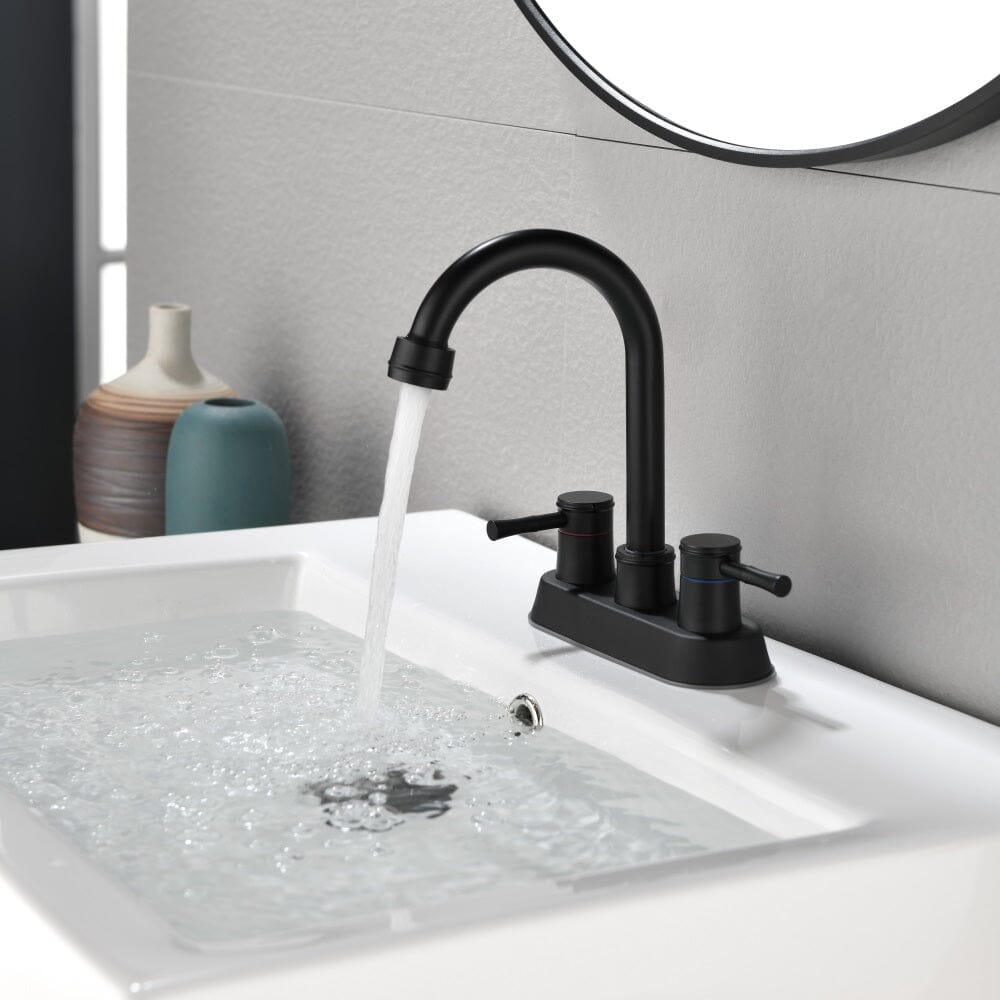
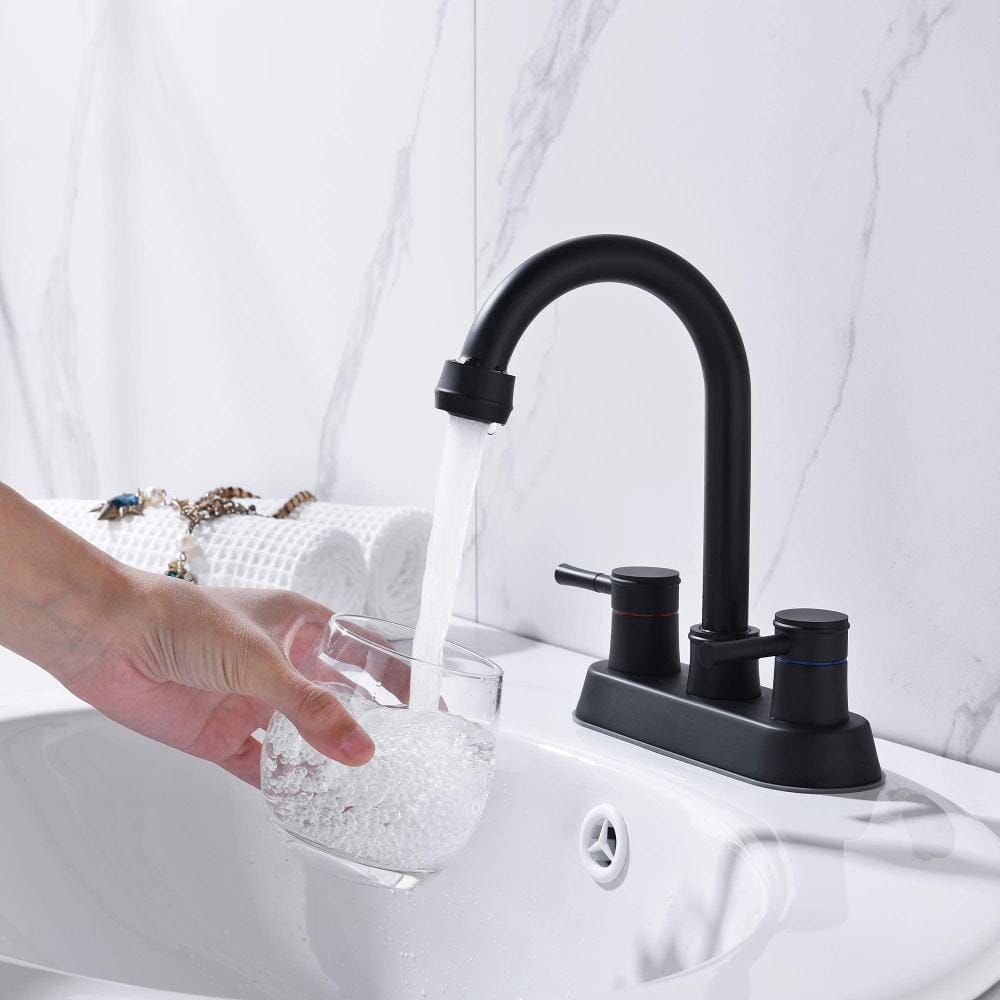
- Regular price
-
$142.99 $146.99 - Regular price
-
$249.99 - Sale price
-
$142.99 $146.99
How to Choose the Perfect Bathroom Sink
Selecting a new bathroom sink is a practical decision that impacts your daily routine and your space's functionality. Whether you are remodeling a master bath, updating a guest powder room, or building a new home, understanding the different types, materials, and measurements is essential. At Giving Tree Home, we offer a wide selection of sinks designed to fit standard US plumbing configurations and a variety of bathroom layouts.
We will walk you through the key considerations, from mounting styles and dimensions to materials and drain compatibility, helping you make an informed choice for your next project.
Understanding Bathroom Sink Mounting Types
The way a sink is installed is one of the most important factors in your decision. It affects the overall look of your bathroom, the required countertop space, and the installation process. Here are the most common mounting types you will find in our collection.
Drop-In (Self-Rimming) Sinks
A drop-in sink, also known as a self-rimming sink, is one of the most popular and straightforward options for installation. As the name suggests, the sink is dropped into a cutout in your bathroom vanity or countertop. Its rim or lip rests on the counter surface, supporting the sink's weight.
- Installation: This is often a preferred choice for DIYers because the installation is relatively simple. The sink is placed into the cutout, sealed with plumber's putty or silicone, and then tightened from below with mounting clips.
- Appearance: The visible rim creates a defined edge between the sink and countertop. It's a classic, clean look that works with many design styles.
- Practicality: The rim helps contain water and spills on the countertop, directing them into the bowl.
Wall-Mounted Sinks
A wall-mounted sink is attached directly to the wall, with no supporting vanity or cabinet underneath. This style is an excellent space-saver and is very common in small bathrooms, powder rooms, and utility areas.
- Space-Saving: By eliminating a base cabinet, it frees up floor space, making a small bathroom feel larger and easier to clean.
- Accessibility: Wall-mounted sinks offer more flexibility for wheelchair access, as there are no cabinets to block legroom.
- Plumbing Considerations: The plumbing (drain and water supply lines) is typically exposed below the sink, which can be a design choice or can be concealed with a decorative cover known as a "trap cover" or "vanity leg."
Vessel Sinks
While not explicitly shown in every product tile, vessel sinks are a popular modern style. A vessel sink sits on top of the countertop like a bowl. This style makes a strong design statement and allows for unique shapes and materials.
- Counter Height: You must account for the added height of the sink bowl when choosing a faucet and vanity. Standard faucets are often too short for vessel sinks; you will typically need a "tall" or "vessel" faucet.
- Installation: The sink is placed on the countertop over a pre-drilled hole for the drain, and sealed in place with silicone.
Undermount Sinks
Undermount sinks are installed from below the countertop. The edge of the countertop is exposed, creating a seamless look and making it easy to wipe water and debris directly into the sink.
- Material Compatibility: This style requires a solid surface countertop like granite, quartz, or solid-surface material, as the cutout edge is exposed to moisture.
- Cleaning: The lack of a rim makes cleaning the countertop exceptionally easy.
Key Measurements: Size, Shape, and Drain Location
Choosing a sink isn't just about style; it's about fit. Always measure your available space carefully.
Size and Shape
Our collection includes a range of sizes to fit different vanities and spaces.
- Compact Sinks: Smaller sinks, like the 10" x 13" wall-mounted model, are ideal for tight spaces or half-baths. They provide basic functionality without taking up too much room.
- Standard Sinks: A more common size, like the 20" x 18" drop-in round sink, offers a deeper, more spacious bowl, suitable for family bathrooms where the sink gets regular use for handwashing and other tasks.
- Shape Considerations: Round sinks, like the 20" model, offer a classic, soft look and often provide good bowl depth. Square or rectangular sinks can offer more counter space around the basin and a more contemporary aesthetic.
Drain Location
The position of the drain hole is a critical detail, especially for drop-in and undermount sinks.
- Center Drain: This is the most common configuration. The drain is located in the exact center of the sink bowl. This works well with standard faucet setups and allows for even water flow.
- Offset Drain: The drain is located towards the back of the sink. This can create more usable space in the bottom of the bowl and is often preferred for its cleaner look, as the drain assembly and pop-up mechanism are less visible.
Faucet Holes
The number of faucet holes (drilled holes) in the sink or countertop determines which faucet you can install.
- Single Hole: Designed for a single-handle faucet that combines hot and cold water control into one lever.
- 3-Hole (4-Inch Center): This is a standard configuration for a "centerset" or "mini-widespread" faucet. The two outer holes are for the hot and cold water handles, and the center hole is for the spout. The centers of the outer holes are typically 4 inches apart.
- 3-Hole (8-Inch Center): This configuration is for a "widespread" faucet, where the handles and spout are three separate pieces. The distance between the center of the left handle hole and the center of the right handle hole is 8 inches. This gives a more expansive, high-end look.
- No Holes: Vessel and wall-mounted sinks often come without pre-drilled faucet holes, as the faucet is mounted on the countertop (for vessel sinks) or directly on the wall (for wall-mounted sinks).
Sink Materials: Ceramic, Porcelain, and More
The material of your sink defines its durability, maintenance, and overall look. Ceramic and porcelain are the most common and trusted materials for bathroom sinks.
Ceramic
Ceramic sinks, like the two products shown in our collection preview, are made from clay that is fired at a high temperature in a kiln. They are then coated with a durable glaze that creates a hard, non-porous, and glossy surface.
- Durability: High-quality ceramic is extremely durable, resistant to scratches, heat, and everyday wear and tear. It does not fade or discolor over time.
- Cleaning: The non-porous glazed surface is easy to clean with mild soap and water and is resistant to stains from toiletries and cosmetics. Avoid harsh abrasive cleaners that could dull the glaze over many years.
- Cost: Ceramic is generally a very cost-effective material, offering excellent value and longevity for its price point.
Vitreous China
Very similar to ceramic, vitreous china is a type of porcelain that is fired at an even higher temperature, causing the materials to fuse into a non-porous, glass-like (vitreous) body. It is incredibly hard and has a very high-gloss finish.
- Durability: It is one of the most durable materials for bathroom fixtures and is highly resistant to impact, chipping, and staining.
- Appearance: It maintains its bright white, glossy appearance for decades.
- Common Use: Most standard white bathroom fixtures, including toilets and many sinks, are made of vitreous china.
Porcelain-Enameled Steel or Cast Iron
- Porcelain-enameled steel: A steel base is coated with porcelain enamel. It is lighter and less expensive than cast iron but can be noisier and the enamel can be prone to chipping if heavy objects are dropped.
- Porcelain-enameled cast iron: An extremely heavy and durable material. It holds heat well and is very quiet but requires a sturdy vanity or floor mount to support its significant weight.
The Importance of an Overflow Drain
You may have noticed "Overflow" listed as a filter option. An overflow is a small, open channel or hole near the top of the sink bowl, concealed under the rim. It serves an important safety function.
- Purpose: If you accidentally leave the water running and the sink fills up, the overflow drain helps direct water down the drain rather than letting it spill over the edge of the sink and onto your floor, potentially causing water damage.
- Better Drainage: It also allows air into the drainpipe, which can help the sink drain more smoothly and quietly.
- Aesthetics: Sinks without an overflow (often called "vessel" or some "wall-mounted" sinks) have a clean, seamless interior bowl. The choice is often aesthetic, but for a family bathroom, an overflow is a practical safety feature.
FAQs
How do I know what size sink to buy?
Measure the width of your existing vanity or the space where the sink will go. Allow at least 1 inch of clearance on each side for a drop-in sink. For wall-mounted sinks, ensure the sink width fits within the available wall space and that there is enough clearance in front for comfortable use.
What does drain location mean and why does it matter?
Drain location refers to the position of the drain opening in the sink bowl—usually center or offset. It matters because your existing plumbing rough-in is positioned to align with a specific drain location. Matching the new sink to your current drain location simplifies installation.
How many faucet holes do I need?
The number of faucet holes depends on your faucet type. Single-handle faucets need one hole. Centerset faucets need three holes with 4-inch spacing between the outer holes. Widespread faucets need three holes with up to 8-inch spacing. Some sinks have no holes for wall-mounted faucets.
Do I need a sink with an overflow?
An overflow is a safety feature that prevents water from spilling if the drain is closed and water is left running. It is recommended for bathrooms used by children, elderly individuals, or anyone who might accidentally leave water on. Sinks without overflows offer a cleaner look but require more vigilance.
What tools do I need to install a bathroom sink?
Basic installation requires an adjustable wrench, screwdrivers, plumber's putty or silicone caulk, a basin wrench for tight spaces, and a hacksaw for cutting supply tubes. For drop-in sinks, you also need a jigsaw to cut the countertop opening.
Can I install a wall-mounted sink in any bathroom?
Not every wall can support a wall-mounted sink. The wall must have studs or reinforced blocking at the correct height and spacing to support the sink's mounting bracket. If your wall lacks this support, you will need to add blocking before installation, which requires opening the wall.
How do I clean a ceramic sink without damaging it?
Use mild dish soap and a soft sponge or cloth. Avoid abrasive cleaners, scouring pads, and harsh chemicals that can dull the glossy finish. Rinse thoroughly after cleaning and dry with a soft towel to prevent water spots.
What should I do if my sink gets chipped?
Small chips can be repaired with a porcelain touch-up kit from a hardware store. Clean the area thoroughly, apply the enamel according to instructions, and let it cure. Deep chips or cracks usually mean the sink needs replacement, as the damage may worsen over time.
How long should a bathroom sink last?
A quality ceramic sink installed properly and maintained well can last 20 to 30 years or more. The faucet and drain components may need replacement sooner, typically every 10 to 15 years, but the sink itself should provide decades of service.
What is the best material for a low-maintenance bathroom sink?
Glazed ceramic and vitreous china are widely considered the best low-maintenance materials. Their non-porous, glossy surface is resistant to stains, bacteria, and mild chemicals. They require only a quick wipe with a soft cloth and a mild cleaner to stay looking new for years. They do not need sealing or special polishes.
Clearance Sale
-
White Heated Towel Warmer, Wall-Mounted Plug-In Electric Towel Rack for Bathroom with Smart Timer
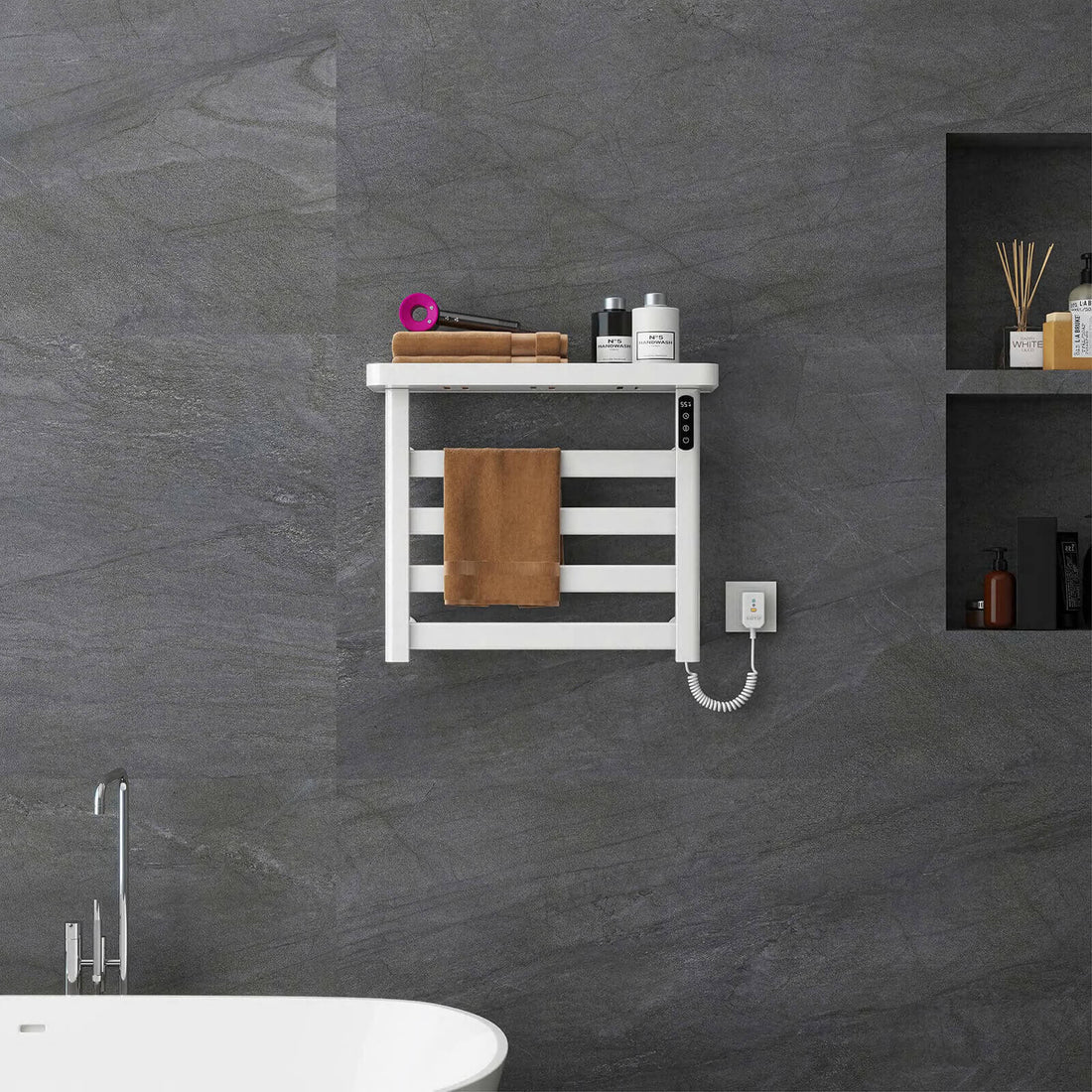 White Heated Towel Warmer, Wall-Mounted Plug-In Electric Towel Rack for Bathroom with Smart Timer
- Regular price
-
$149.99 - Regular price
-
- Sale price
-
$149.99
Quick view
-
Gray Heated Towel Warmer, Wall-Mounted Plug-In Electric Towel Rack for Bathroom with Smart Timer
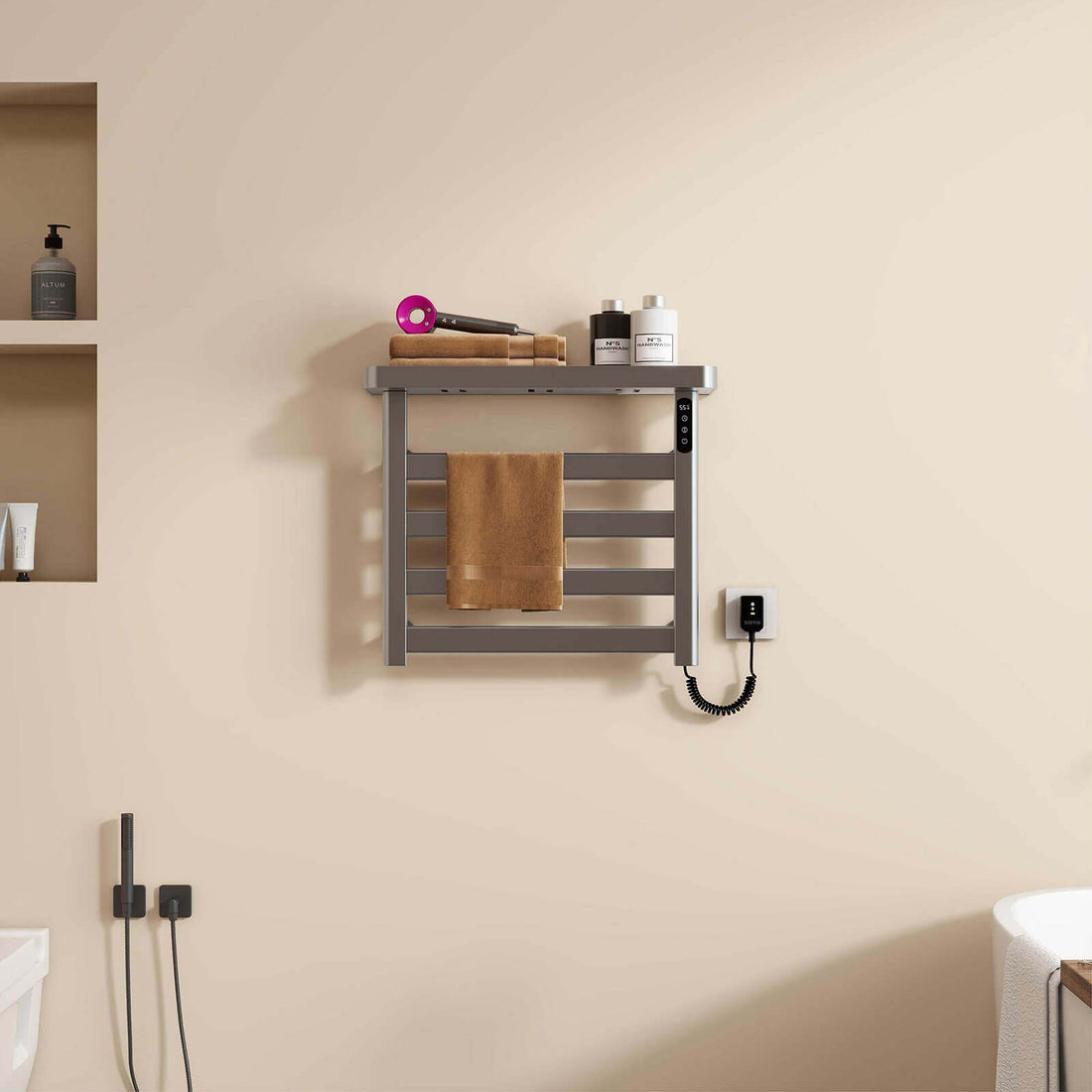 Gray Heated Towel Warmer, Wall-Mounted Plug-In Electric Towel Rack for Bathroom with Smart Timer
- Regular price
-
$149.00 - Regular price
-
- Sale price
-
$149.00
Quick view
-
Matte Black Heated Towel Warmer, Wall-Mounted Plug-In Electric Towel Rack for Bathroom with Smart Timer
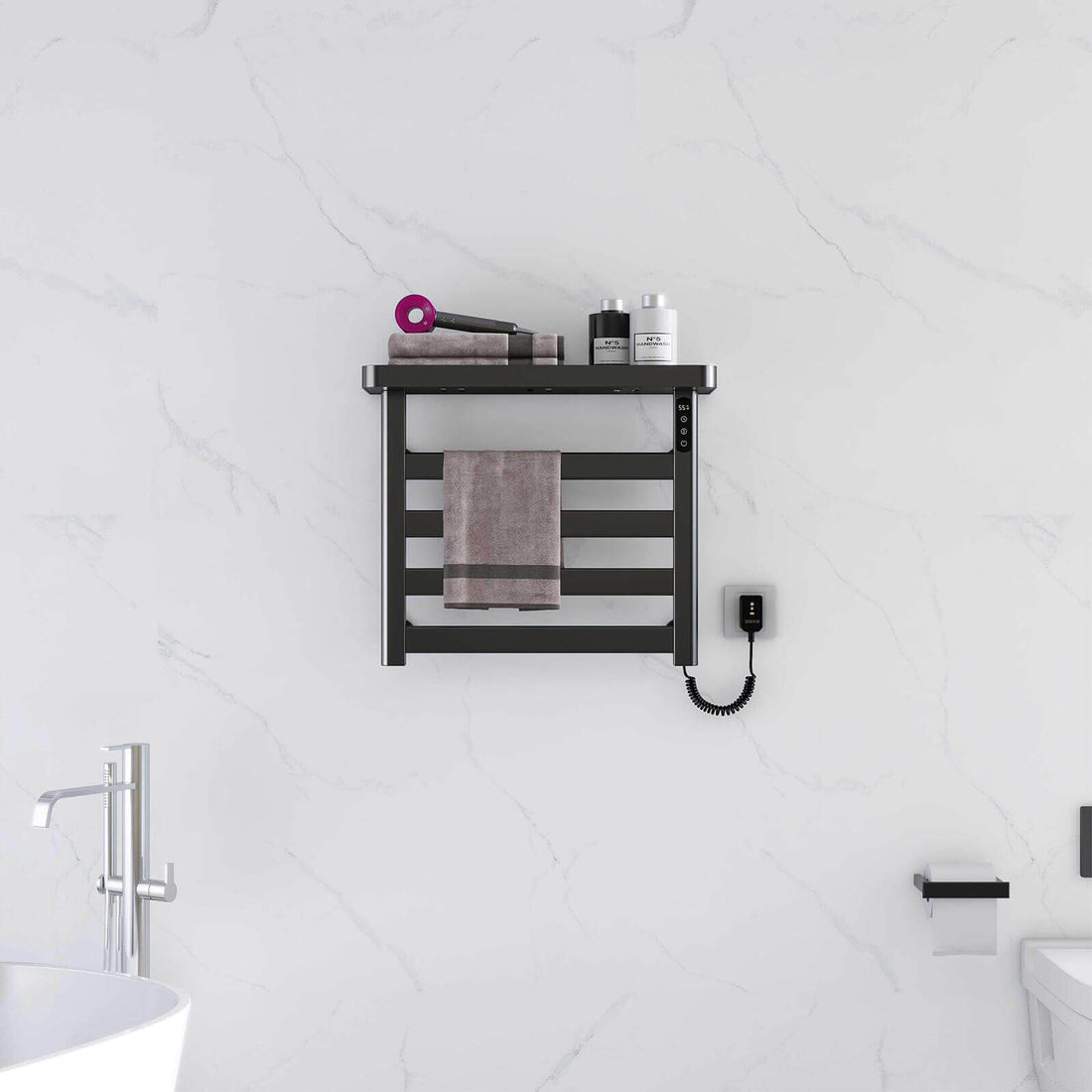 Matte Black Heated Towel Warmer, Wall-Mounted Plug-In Electric Towel Rack for Bathroom with Smart Timer
- Regular price
-
$149.99 - Regular price
-
- Sale price
-
$149.99
Quick view
-
65" Orange Transparent Freestanding Resin Bathtub
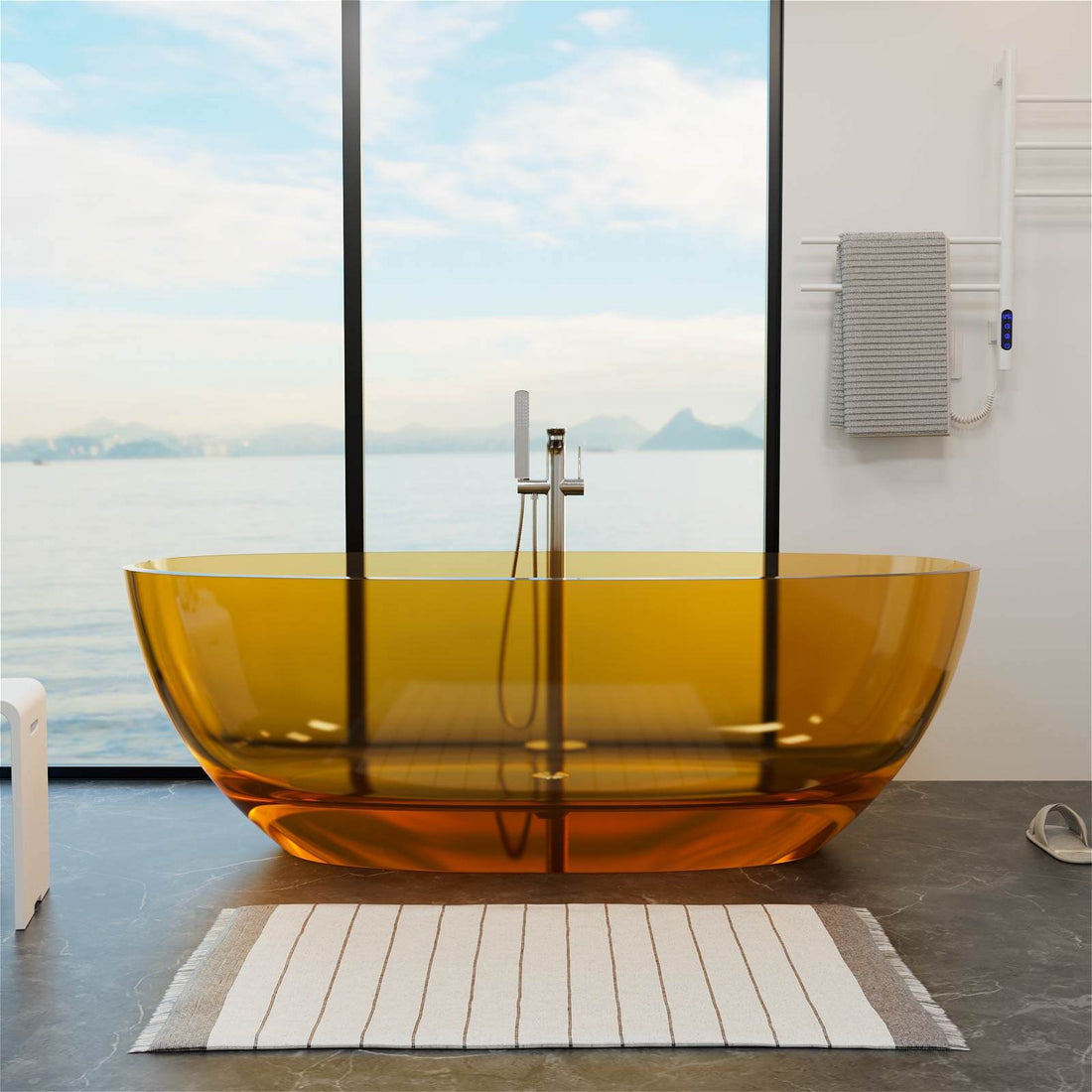 65" Orange Transparent Freestanding Resin Bathtub
- Regular price
-
$1,499.99 - Regular price
-
$2,999.99 - Sale price
-
$1,499.99
Quick view
