
After a long, hectic day, few things feel as rewarding as sinking into a warm bath and letting out that deep, involuntary “ahhh…” — the kind that seems to melt away every ounce of stress.
But to make that moment truly magical, there’s one key ingredient: the comfortable soaking tub — the one designed to support your body, soothe your senses, and make relaxation effortless.
3 Key Elements of a Comfortable Soaking Tub
1. The Angle
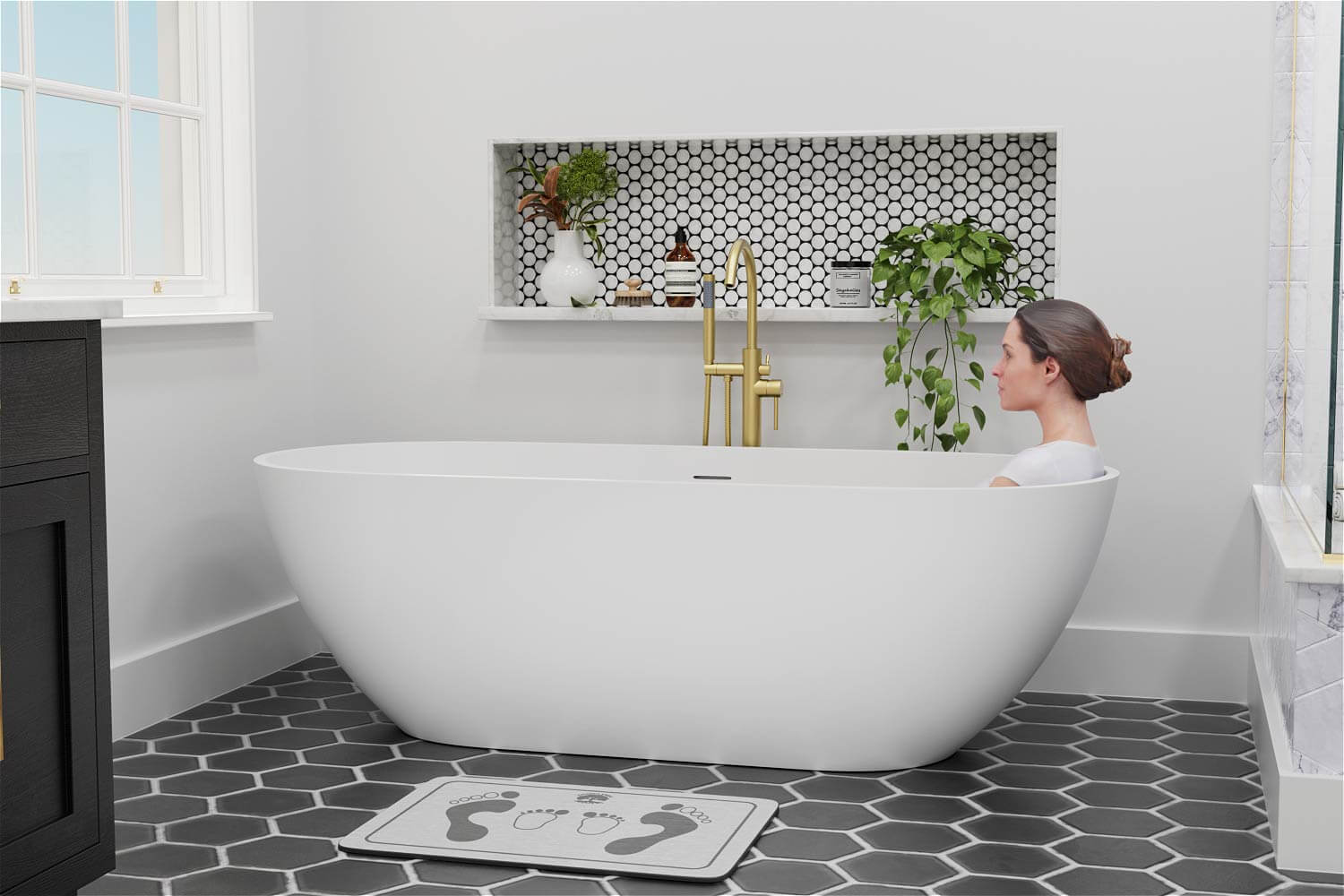
The angle refers to the slope between the bottom of the tub and the backrest — essentially, how your body leans while soaking.
The right angle lets your back follow the tub’s natural curve, your head rest comfortably on the edge, and your entire body relax without constant shifting. Most experts suggest an incline between 110° and 120°, but there’s no one-size-fits-all — the ideal angle really depends on your height and personal comfort.
2. The Depth
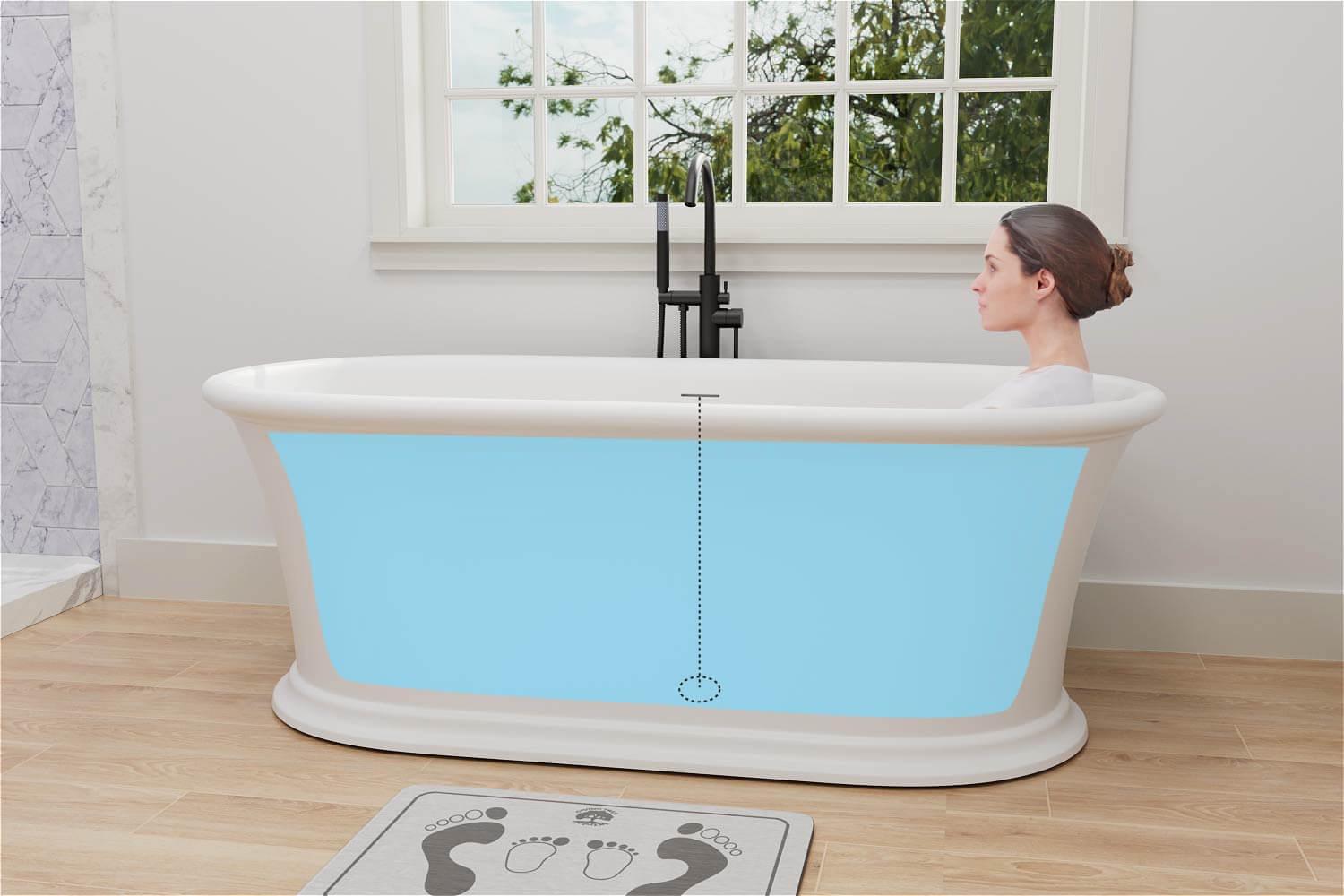
Soaking depth is the distance from the bottom of the tub to the overflow drain, determining how much of your body the water can cover.
If a tub is too deep, it can feel overwhelming or put pressure on your body. Too shallow, and you won’t get that full, enveloping soak. For families with kids, shallower tubs are usually safer and easier to manage.
3. The Shape
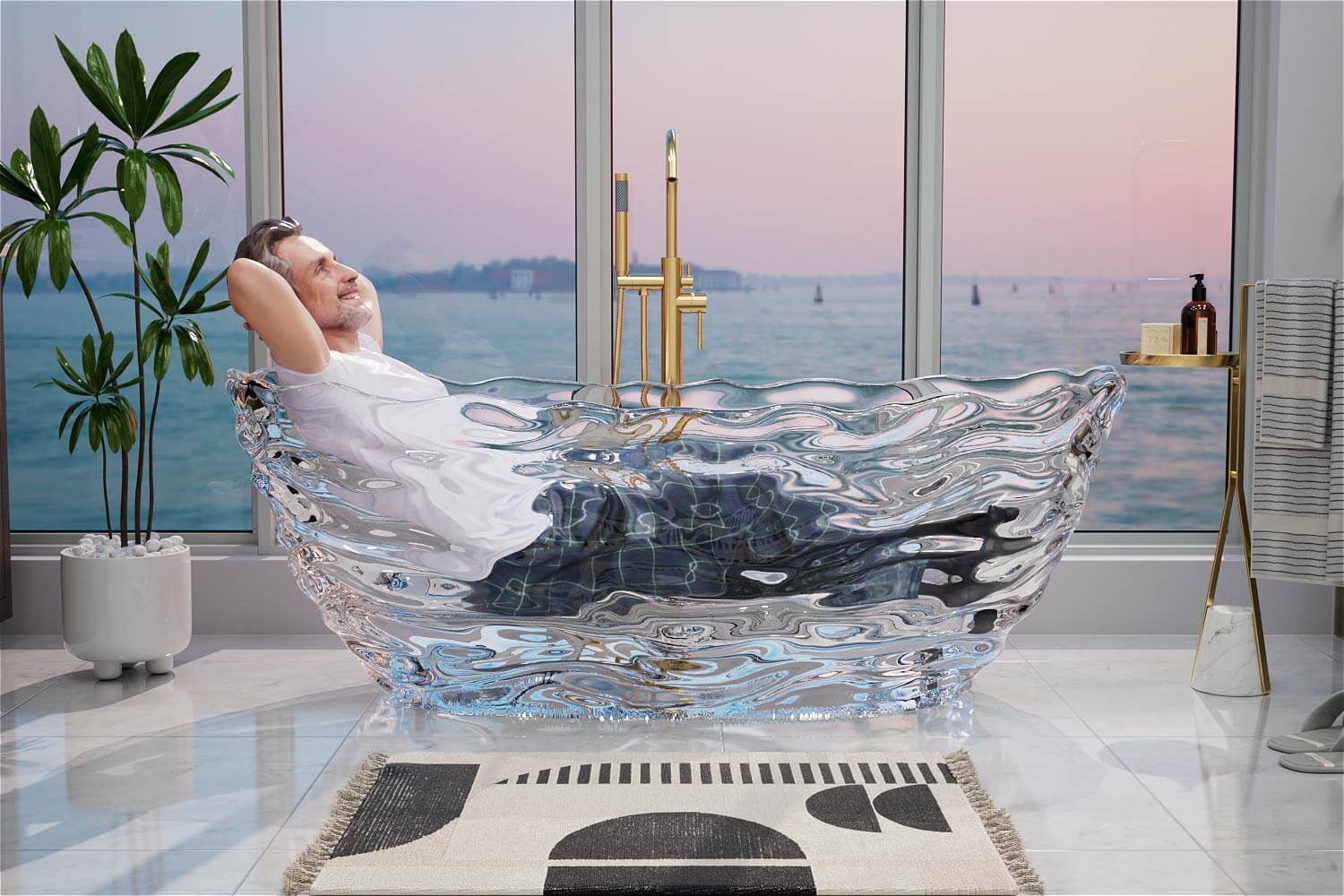
Bathtubs come in countless shapes — round, square, oval, egg-shaped, slipper-style, and more.
Egg-shaped tubs tend to follow the natural curves of your body, making them perfect for lying down and fully relaxing. Rectangular tubs, on the other hand, work well for sitting or shared baths.
Beyond function, shape also impacts psychological comfort. Soft, flowing lines create a more serene, inviting space, turning an ordinary bath into a truly restorative experience.
Matching Comfort with Your Needs
There’s no single “most comfortable soaking bathtub” that fits everyone. The right choice depends on your space, who will use it, and your lifestyle. The key is balancing comfort with practical needs.
🛁 Small Bathrooms
In compact spaces, steer clear of oversized tubs or ones with flared rims. While they feel roomy when soaking, they often eat up valuable walking space and make the bathroom harder to use.
If you love deep soaking, consider a Japanese-style soaking tub with an integrated seat (like GTFS328-1000). These tubs are usually under 50 inches long but can reach soaking depths of up to 18 inches, letting you fully immerse your body without wasting space.
If stretching out is your priority, a square tub is a smart choice. Its straight edges fit snugly against walls, maximizing space — perfect for smaller homes.
👵 Seniors
For older adults, walk-in tubs are typically the safest and most comfortable option.
Although Giving Tree Home doesn’t currently offer these, the concept is worth noting: a walk-in tub features a door, so you don’t have to step over the edge, reducing the risk of falls. Some models even accommodate wheelchairs, offering both safety and dignity.
Traditional sitting tubs aren’t ideal for seniors. Even with built-in seats, stepping over the rim can be risky, making falls more likely.

💎 For Those with a Generous Budget
If space and budget aren’t concerns, massage tubs offer the ultimate in comfort.
- Hydrotherapy tubs use powerful water jets to target specific muscles, easing tension and fatigue.
- Air massage tubs release streams of tiny bubbles for a gentle, soothing sensation that relaxes both body and mind.
Hot tubs provide a more social experience. Some can fit 6–8 people, making them perfect for family gatherings or relaxing evenings with friends.
❤️ Couples
For shared baths, size matters.
A true two-person tub should be at least 65 inches long, with an internal length of no less than 45 inches, so both users can soak comfortably. If you like stretching out fully, aim for 80 inches or more, or choose an extra-wide model.
A well-sized tub enhances not only physical comfort but also emotional connection, turning a simple soak into a shared moment of intimacy and relaxation.
Tips to Enhance Your Soaking Comfort
-
1. Get the Water Temperature Just Right
The perfect soaking temperature usually falls between 100°F and 104°F (38°C–40°C). This range helps relax your muscles and improve circulation without causing dizziness or fatigue. If you enjoy longer soaks, start a little warmer and let the water gradually cool. This way, you can stay comfortable and safe for as long as you like.
-
2. Control Your Soak Time
Most people find that 20–30 minutes is the sweet spot for a comfortable soak. Beyond that, your skin may start to dry out, and overheating can cause fatigue. If you want to extend your bath, take short breaks — sip some water or place a cool towel on your face to keep your body balanced and comfortable.
-
3. Create a Relaxing Ambiance
The right atmosphere can make all the difference. Soft, warm lighting, scented candles, or calming music can instantly put your body and mind into a relaxed state. For an even cozier, spa-like vibe, consider dimmable lights or waterproof Bluetooth speakers to bring a touch of luxury into your bathroom.
-
4. Support Your Body Properly
Not every tub perfectly fits your body’s natural curves, so adding a little support can make a big difference. Bath pillows, foam backrests, or silicone cushions can help cradle your neck and lower back — especially during longer soaks. For tubs with a steeper incline, these accessories reduce muscle strain and let you fully relax from head to toe.
-
5. Keep Water Clean and Healthy
Clean water is essential for a truly enjoyable soak. Rinse your body before getting in to reduce impurities, and clean your tub and drain regularly to prevent buildup of scale or bacteria. For frequent use, eco-friendly cleaners or natural citric acid solutions are gentle yet effective options that keep your tub fresh and safe.
Ending
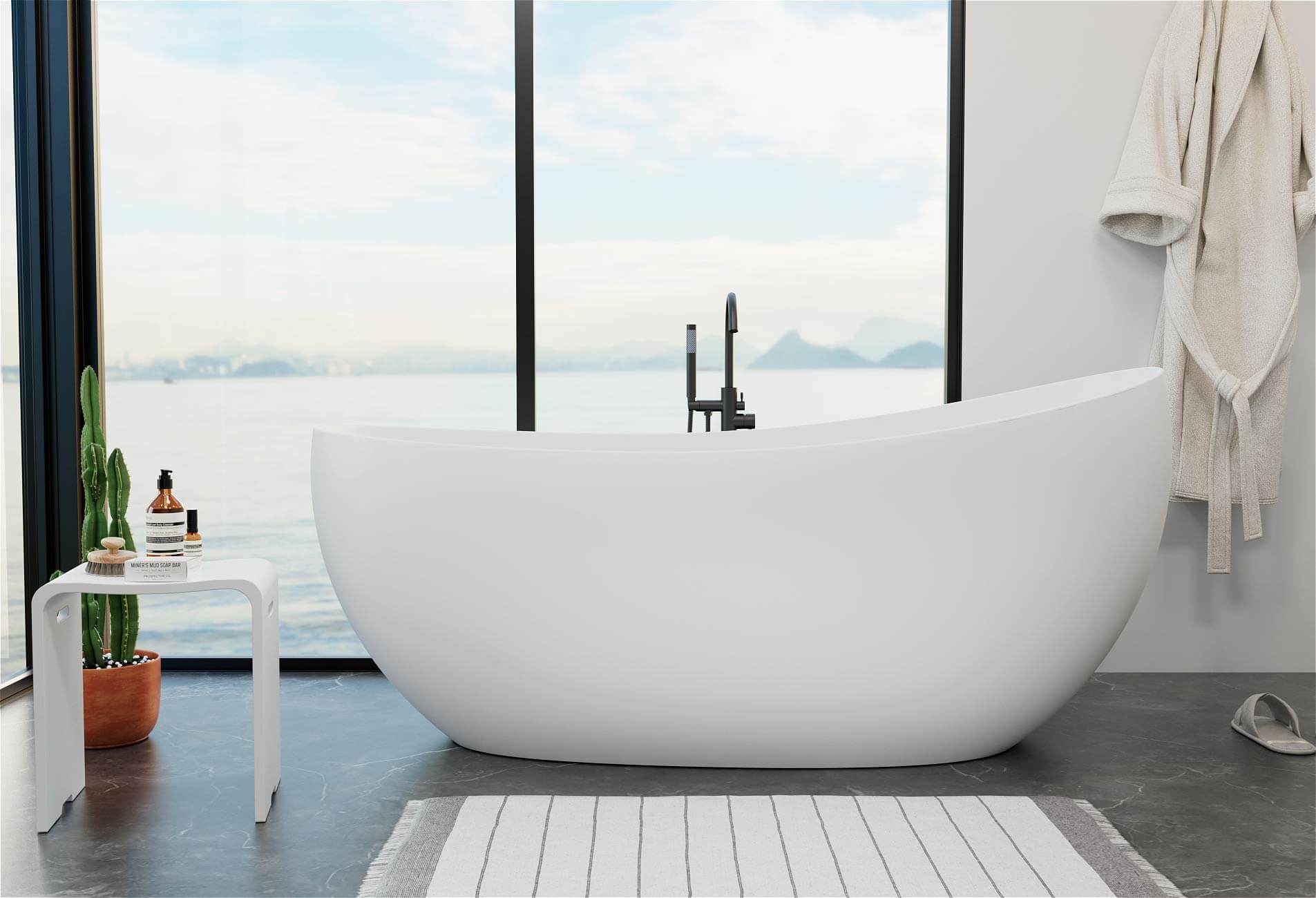
The perfect soaking bathtub is not about price or brand — it’s about how well it fits your body, your space, and your lifestyle. When design, function, and comfort align, every soak becomes more than a bath — it becomes a ritual of relaxation, rejuvenation, and pure bliss.
More Ideas
-

Best Bathroom Vanity Countertop Materials Compared
Choosing the right bathroom vanity countertop materials can completely change how your bathroom looks, feels, and performs over time. Many homeowners focus on cabinet color or faucet style first, but...
-

How to Choose the Right Bathroom Vanity Mirror Size Correctly
Choosing the right bathroom vanity mirror size is one of the most important decisions in a bathroom renovation, yet it is often made at the last minute. In many projects...
-

How to Make a Small Bathroom Look Bigger: The Ultimate Design Guide
Small bathrooms rarely feel limited because of square footage alone. The real issue is usually visual fragmentation, poor lighting, and oversized or poorly placed fixtures that interrupt how the eye...
-

Quartz vs. Marble Bathroom Vanity Tops: Which Lasts Longer?
Choosing a bathroom vanity top is not only a design decision — it is a long-term performance decision. Bathrooms expose surfaces to constant humidity, water splashes, cosmetics, cleaning products, and...
-

Best Floating Bathroom Vanity in 2026
Choosing the best floating bathroom vanity is about more than just picking a trendy look for your master suite. As a specialist who has overseen hundreds of bathroom renovations, I...
-

Modern vs Rustic Bathroom Vanity: Which Is Right for You?
Choosing the right centerpoint for your bathroom remodel often comes down to a fundamental aesthetic debate: Modern vs Rustic Bathroom Vanity. This choice dictates the entire atmosphere of your sanctuary,...


