
Hiding the ugly and showcasing the beautiful is a natural human instinct. When it comes to bathroom design, the toilet, as a facility for waste disposal, is often seen as a "beauty killer." Especially in today's pursuit of minimalism and high-end design, finding ways to cleverly "hide" the toilet and create a more harmonious and luxurious bathroom space has become a common goal for both designers and homeowners. Let's explore these six design tips!
Partition Design
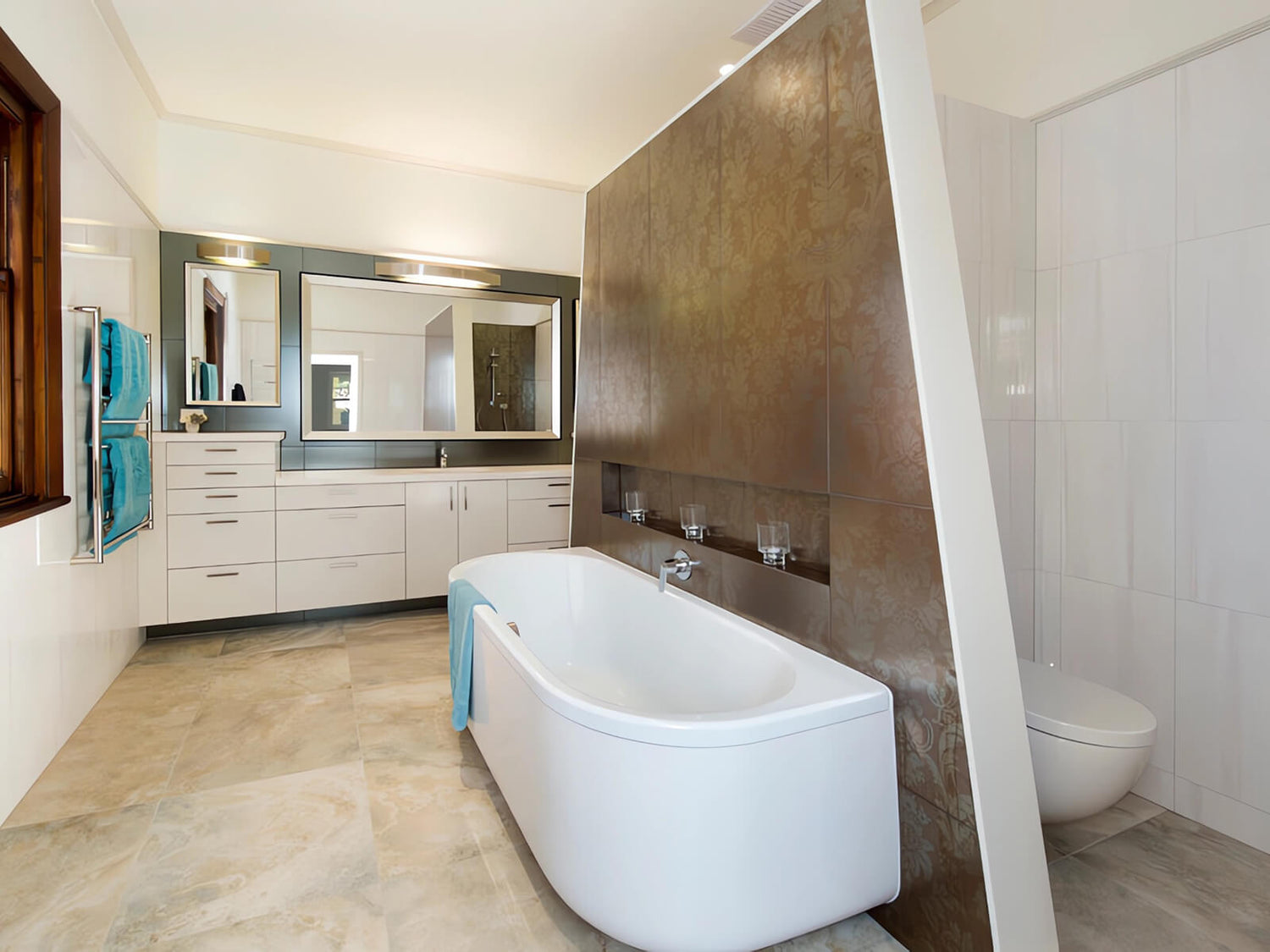
The most straightforward and effective way is to use a partition wall or a half-wall to separate the toilet area.
In larger bathrooms, adding a diagonal wall between the toilet and the shower or vanity area can draw attention to more visually pleasing elements, such as the vanity or bathtub, while keeping the toilet out of sight.
Choose a vibrant wall color or textured material that contrasts with the overall bathroom tone to divert attention.
Adding niches in the partition wall can provide storage for decorative items or scented candles, enhancing the ambiance.
Keep the half-wall height between 1.2-1.5 meters to block the toilet while maintaining an open and airy feel.
T-Shaped Layout
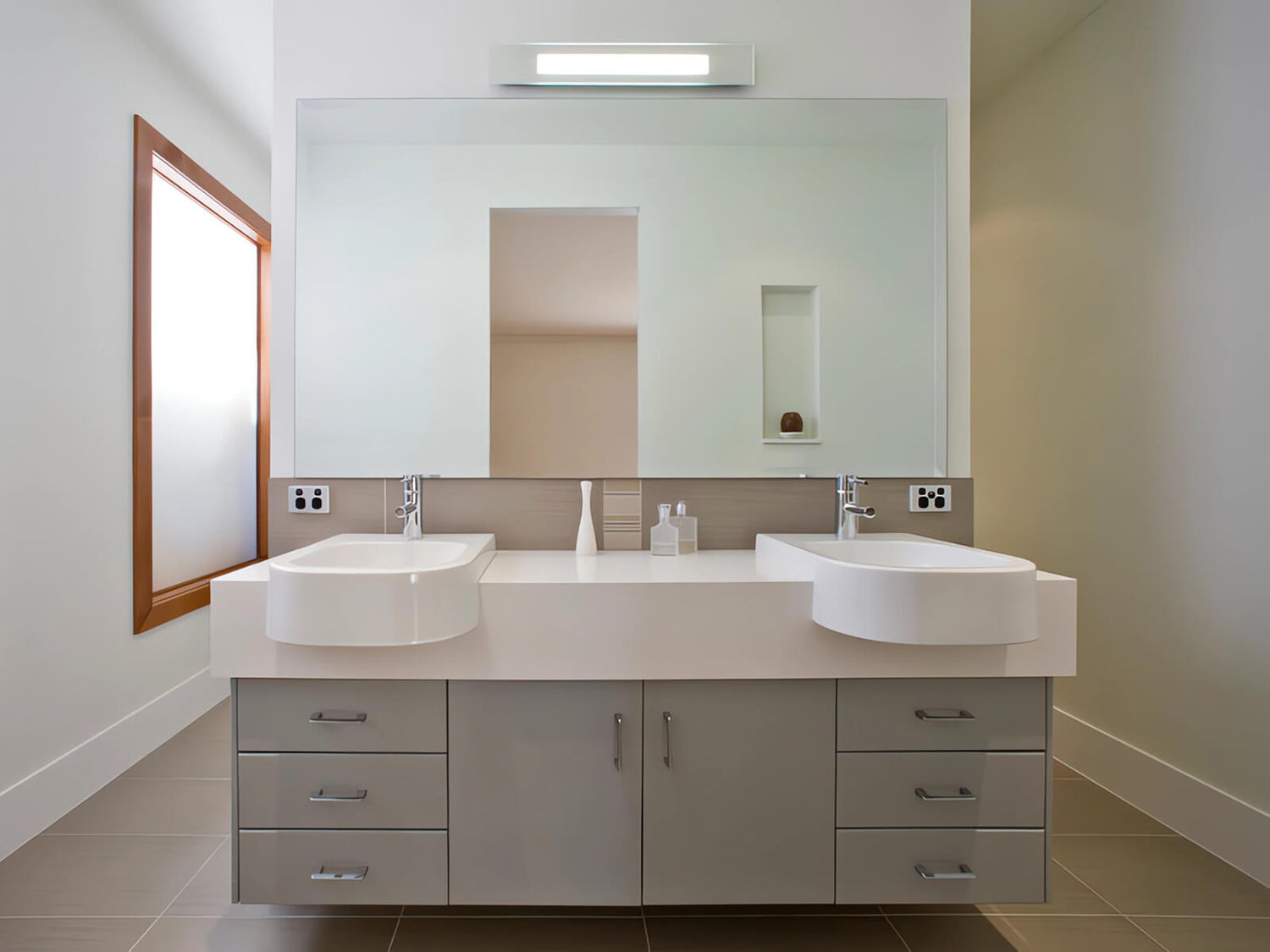
A T-shaped layout is a sophisticated and practical design that divides the bathroom into three functional zones: the vanity area, shower area, and toilet area.
Upon entering the bathroom, the double sink vanity becomes the focal point, while the toilet is tucked away on the side or behind the T-wall.
A floating vanity can serve as the visual centerpiece, paired with a marble or wooden countertop and a metal-framed mirror for added elegance.
To compensate for limited natural light, incorporate indirect lighting for a soft and layered effect.
Use the same or similar color scheme for the floor and walls, such as tiles or microcement, to help the toilet area blend seamlessly into the space.

"Door Within a Door" Design
If your bathroom connects to an outdoor space, such as a balcony or garden, this design can enhance the aesthetic.
Install a transparent glass door that allows natural light to flow in, while drawing attention to the scenic view outside.
For example, a glass door facing a pool allows gentle waves and breezes to create a tranquil, ocean-like vibe.

Visual Diversion
In smaller bathrooms where partition walls are not feasible, use visual design tricks to divert attention from the toilet.
A bold contrast between a brown vanity and green walls can shift focus away from the toilet, even when it's in plain sight.
Place greenery or dried flowers on the sink or windowsill to attract the eye.
For a more luxurious feel, hang a statement chandelier or display art pieces on the wall to draw attention upward.
Embedded Stone Bench
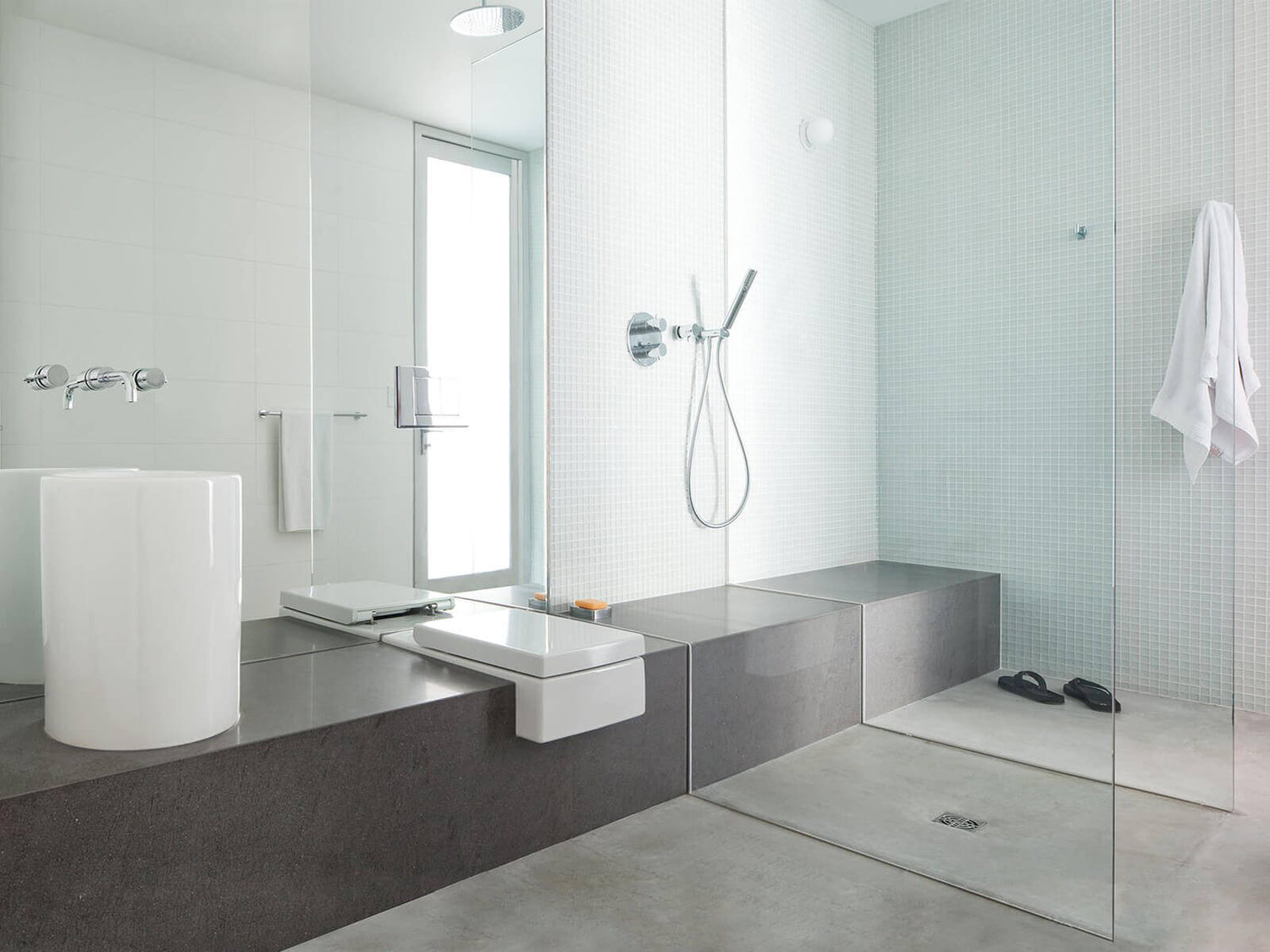
This is a trendy "invisible toilet" design in recent years.
The toilet is embedded within a stone or wooden bench, making it look like an ordinary seat while hiding the toilet inside.
Extend the bench into the shower area, allowing you to sit and shower while keeping the toilet concealed.
However, be mindful that water may accumulate in the gaps, making cleaning difficult.
Color Camouflage
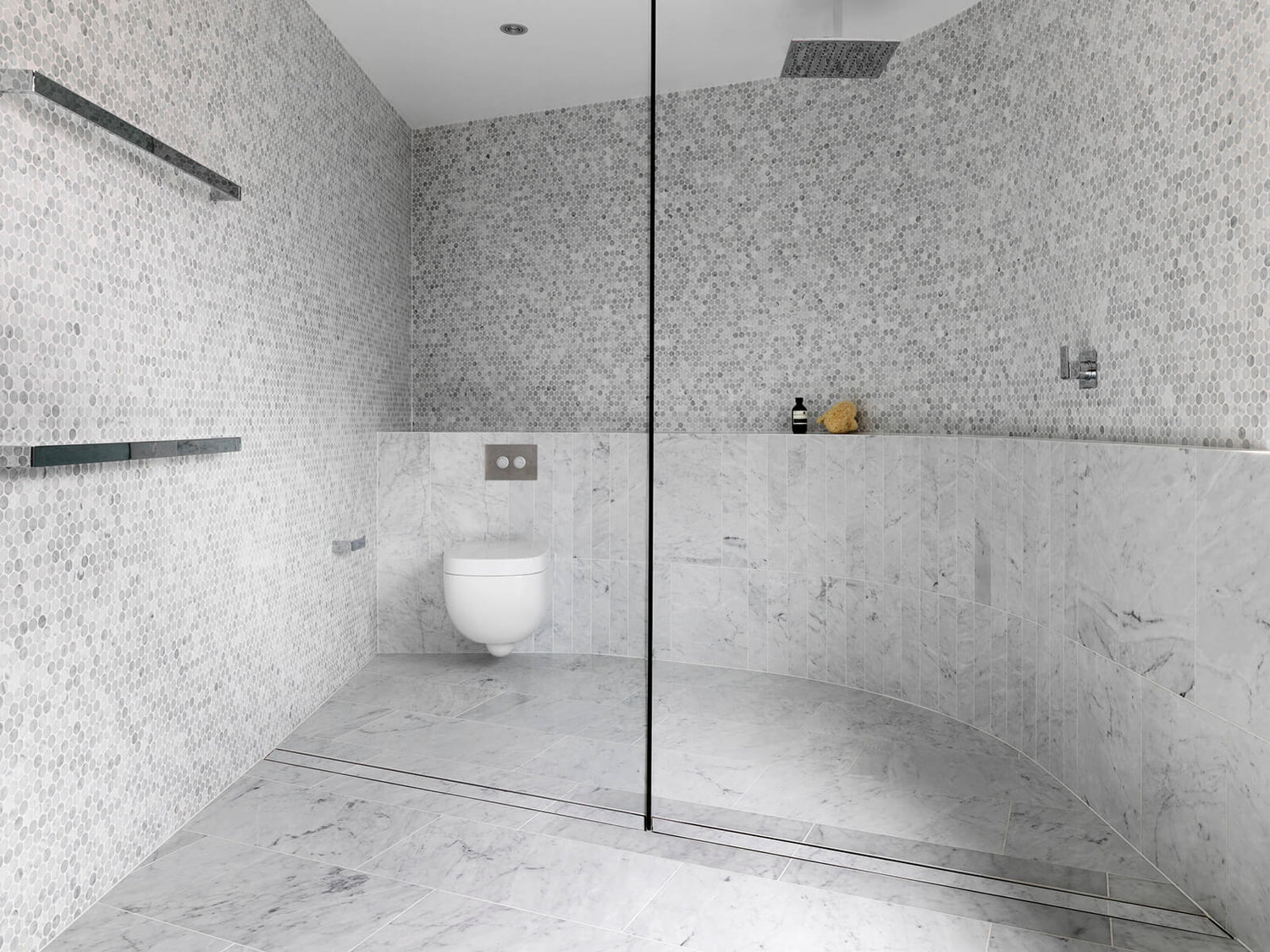
If space is limited and structural partitions are not an option, use color coordination to blend the toilet with the background.
Choose the same color for the walls, floor, and toilet, such as white, gray, or light beige.
Opt for seamless microcement material to visually merge the toilet with the floor.
Install a concealed water tank to make the toilet more minimalist and low-profile.
Ending
Hiding the toilet is not about "avoiding" it but about enhancing the elegance and texture of the bathroom through clever design. Whether it's through partition walls, visual diversion, color blending, or embedded designs, selecting the method that best fits your bathroom style will allow the toilet to "disappear" while your bathroom radiates stunning beauty.
More Ideas
-

Transparent Resin Bathtub Guide: How to Choose the Right One
The appeal of a transparent resin bathtub comes from the way it interacts with light and its surroundings, creating a unique look that stands out in the bathroom. However, choosing...
-

What Is a Transparent Bathtub and Is It Worth Buying?
As homeowners look for more distinctive ways to update their bathrooms, bathtubs are increasingly becoming part of the room's overall design rather than simply a functional fixture. Clear, translucent, and...
-

Features That Make a Kitchen Faucet Worth Buying
Short answer: The key features that make a kitchen faucet worth buying include spray pattern options, tall spout height and reach, finish durability, water efficiency, sensor and touch technology, solid...
-

Marble Look Bathtub vs Marble Bathtub: Which Is Right for Your Bathroom?
Bathroom design has become more focused on creating spaces that feel both functional and visually distinctive. Freestanding bathtubs, natural materials, and statement finishes are increasingly used to give the bathroom...
-

New Product Collection Launch: Marble Look Bathtubs
Want to bring a touch of marble-inspired elegance into your bathroom? Giving Tree Home’s new marble look bathtub collection combines sophisticated patterns, modern shapes, and spa-like comfort to create a...
-

How to Choose the Right Bathroom Vanity Mirror Size Correctly
Choosing the right bathroom vanity mirror size is one of the most important decisions in a bathroom renovation, yet it is often made at the last minute. In many projects...


