
In modern bathroom design, the selection of a bathtub faucet directly impacts the user experience and the overall aesthetics of the bathroom. Many consumers face common challenges when choosing a bathtub faucet, such as mismatched faucets after installation, difficulty in installation, short lifespan, and inconvenient operation. Therefore, understanding the features, suitable scenarios, and installation methods of different types of bathtub faucets is crucial for making the right choice. In this article, we will delve into the professional knowledge of various bathtub faucet types to help you make an informed purchasing decision.
Types of Bathtub Faucets Based on Installation Methods
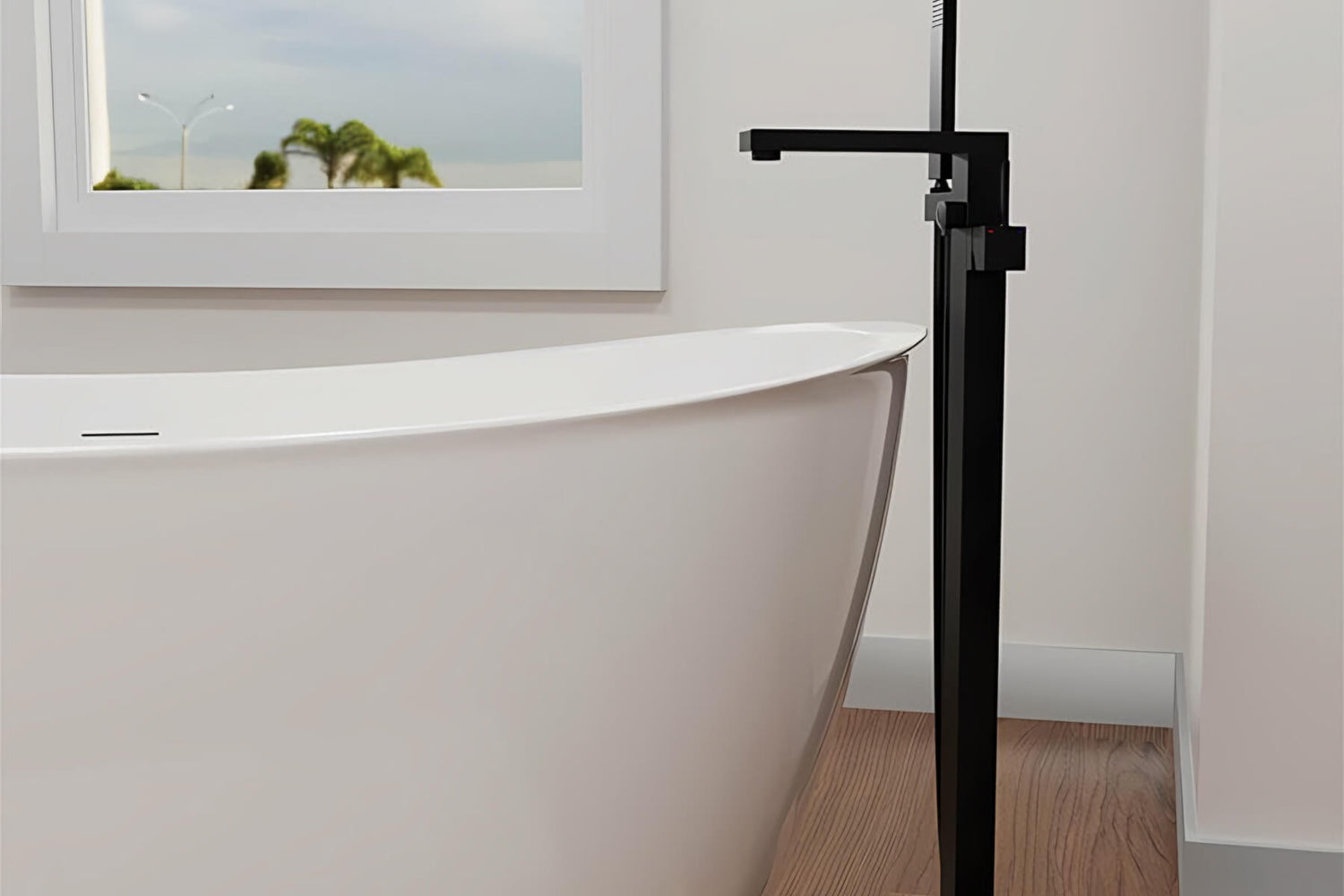
Freestanding Faucets
Freestanding faucets, also known as floor-mounted faucets, are designed to be installed on the floor and are primarily created for freestanding bathtubs (such as vintage clawfoot tubs and modern minimalist tubs). These faucets are typically taller and extend directly from the floor to the top of the bathtub, providing a luxurious look.
Expert Advice:
- Suitable Scenarios: Large bathrooms and freestanding bathtubs with open designs.
- Installation Tip: Ensure the water supply pipes are accurately installed under the floor, especially if underfloor heating or other installations are present. Plan the water pipe layout in advance.
- Industry Standard: Freestanding faucets are often designed to rotate 360 degrees and usually come with a handheld shower for added convenience.
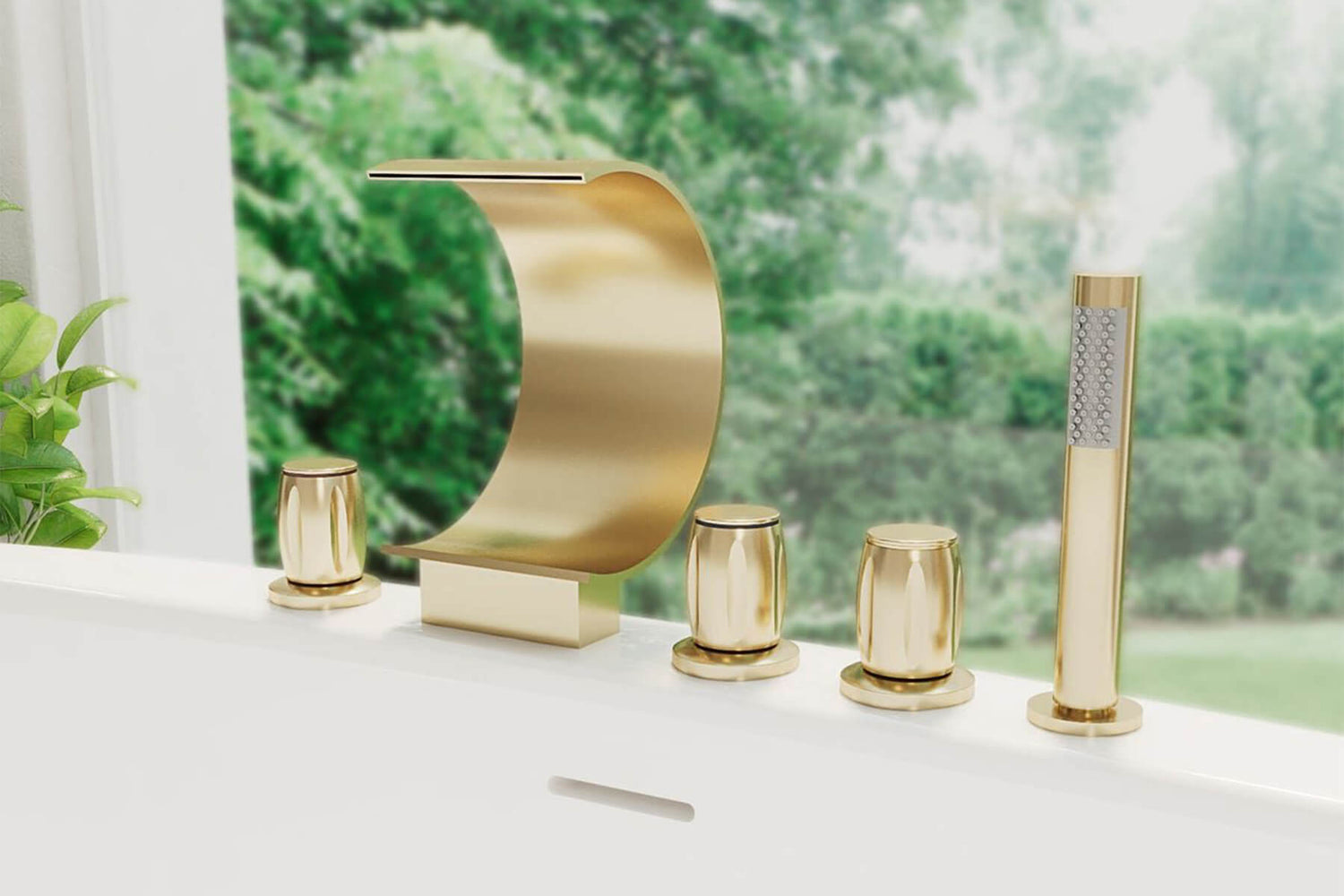
Deck-Mounted Faucets
Deck-mounted faucets are typically installed in pre-drilled holes at the edge of the bathtub. These faucets are less flexible in terms of installation because the bathtub must have pre-drilled holes. The benefit of this design is that it doesn’t take up any additional space.
Expert Advice:
- Suitable Scenarios: Alcove bathtubs, especially in smaller spaces or bathrooms that favor a minimalist design.
- Installation Tips: Measure the center-to-center distance between the two holes in the bathtub before installation to ensure the faucet matches the tub.
- Water Supply Requirements: This faucet typically needs to be connected to the water supply system through an underfloor passage, so ensure there is an accessible water pipe route.
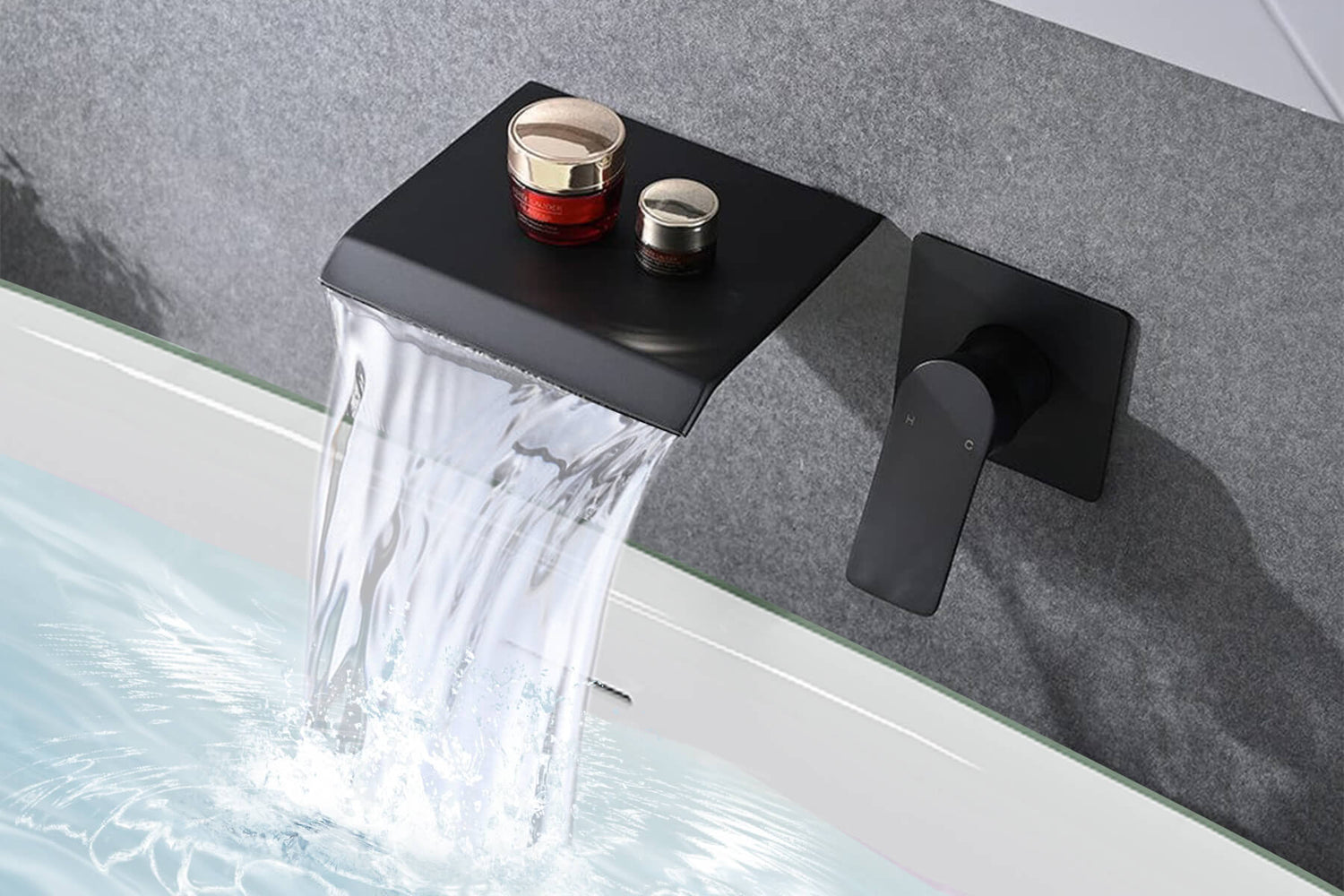
Wall-Mounted Faucets
Wall-mounted faucets are ideal for alcove bathtubs and freestanding bathtubs, particularly for smaller bathrooms with limited space. These faucets save floor space, making the bathroom look tidier and reducing the risk of leaks from faucets installed on countertops or bathtub edges.
Expert Advice:
- Suitable Scenarios: Small bathrooms, modern-style bathrooms, alcove bathtubs.
- Installation Tips: Directly connect the faucet to the water supply system behind the wall.
- Industry Trend: Increasingly, wall-mounted faucets are being equipped with temperature control functions to enhance the user experience and reduce the risk of fluctuating water temperatures.
Types of Bathtub Faucets Based on Materials
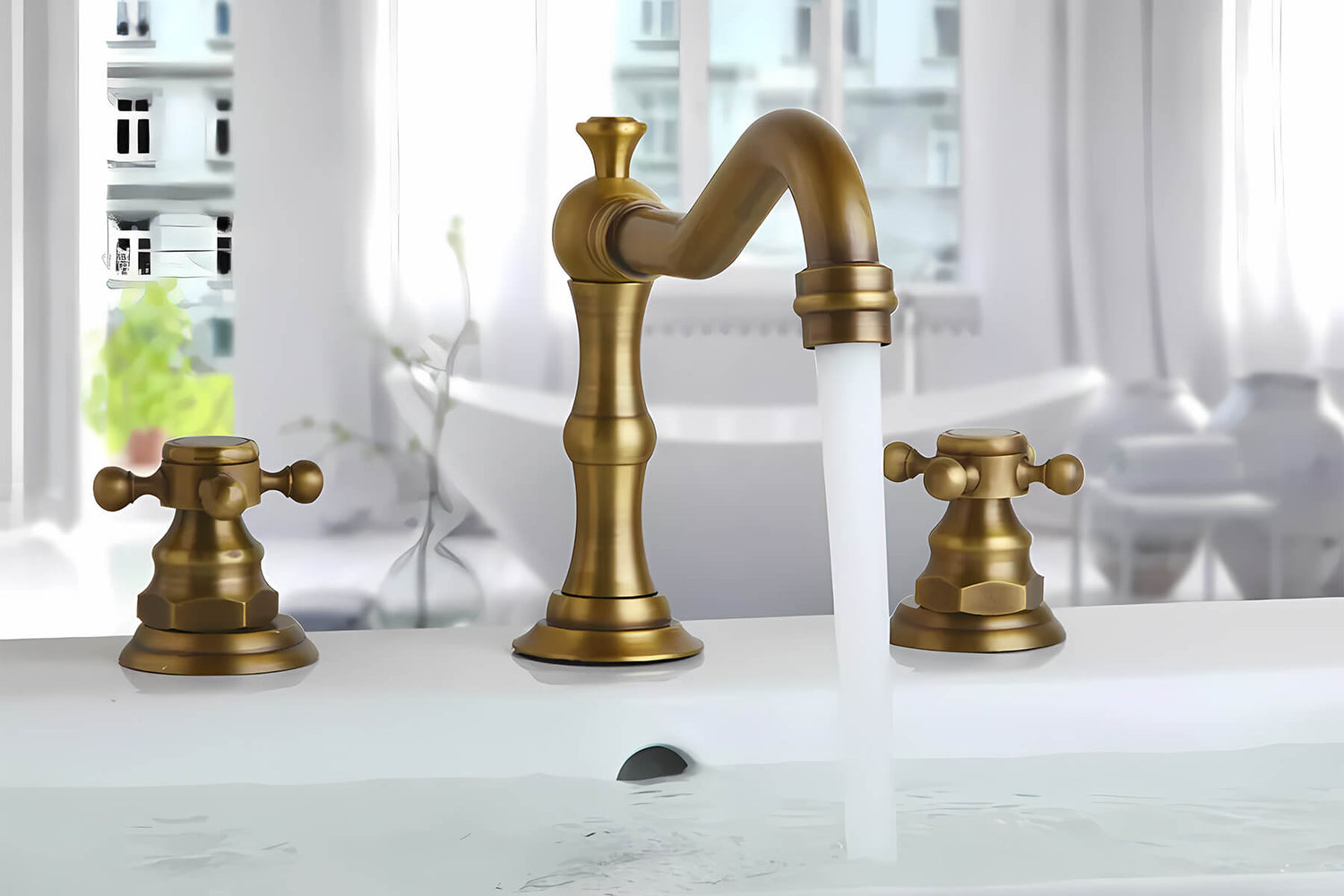
Brass Faucets
Brass faucets are one of the most popular choices on the market due to their excellent corrosion resistance and oxidation resistance. Brass faucets that have been treated with multiple layers of electroplating remain shiny and resistant to fading even after prolonged use.
Expert Advice:
- Suitable Scenarios: Vintage-style bathrooms, high-end luxurious bathtubs.
- Maintenance Tips: Regularly wipe with a neutral cleaner and avoid acidic cleaners to prolong their lifespan.
- Industry Advantage: Brass has natural antimicrobial properties, which reduce bacterial growth in water and ensure water safety.
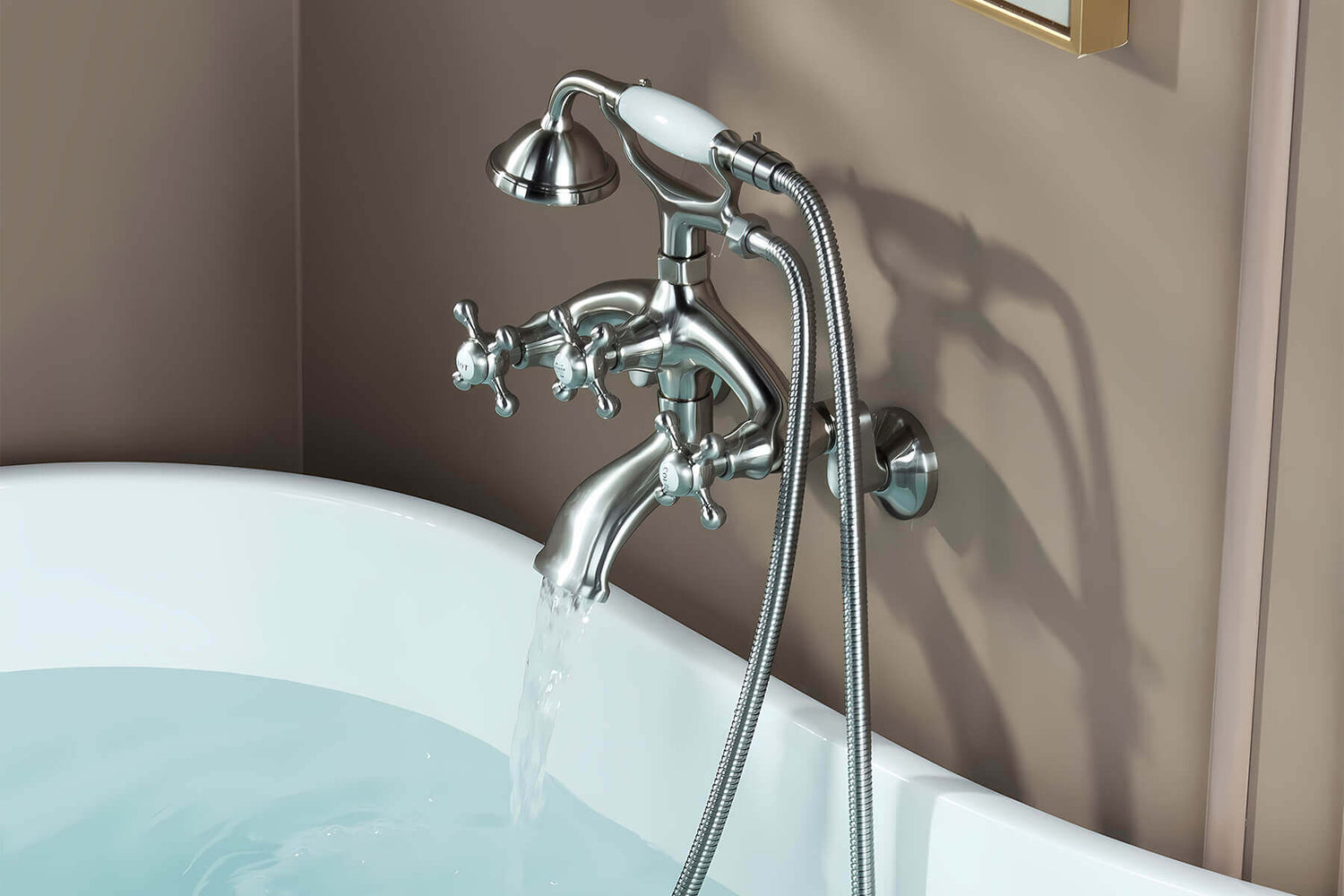
Stainless Steel Faucets
Stainless steel faucets are common in modern minimalist bathrooms due to their strength, durability, and ease of cleaning. Stainless steel is not only resistant to wear and tear but also has a surface that is easy to maintain, making it an ideal choice for daily use.
Expert Advice:
- Suitable Scenarios: Modern minimalist or industrial-style bathrooms.
- Key Considerations: Choose 304 or 316 stainless steel; the former offers a great value for money, while the latter is superior in corrosion resistance.
- Market Trend: As environmental awareness increases, stainless steel faucets are becoming more popular due to their lead-free and eco-friendly properties.
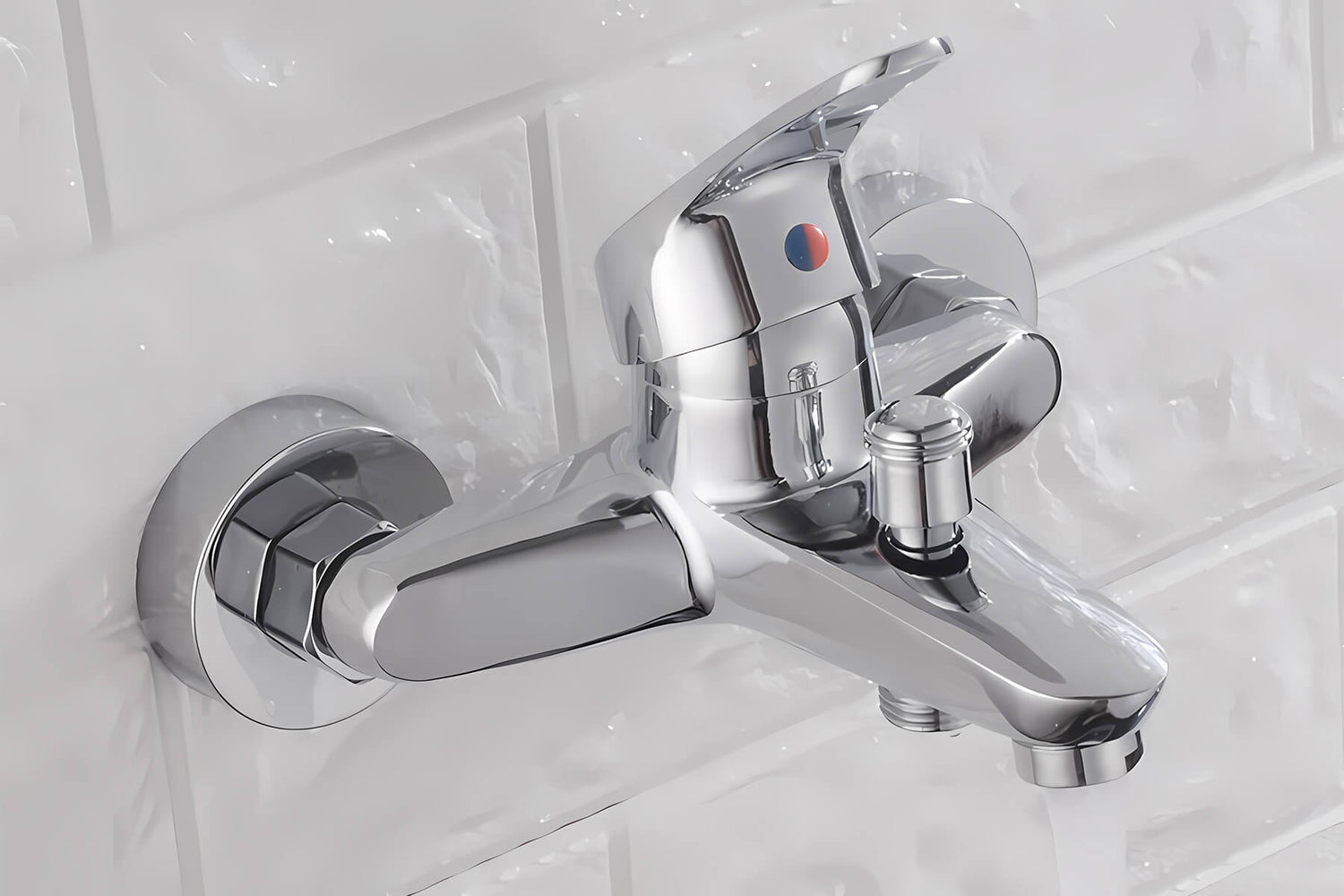
Zinc Alloy Faucets
Zinc alloy faucets are widely appreciated for their affordability and are typically used in mid-range to budget markets. Although they are not as durable as brass or stainless steel faucets, zinc alloy faucets offer good value for the price and are suitable for users on a budget.
Expert Advice:
- Suitable Scenarios: Budget-friendly bathrooms, rental properties.
- Key Considerations: Choose zinc alloy faucets with electroplating to improve their corrosion resistance and extend their lifespan.
Types of Bathtub Faucets Based on Operation Methods
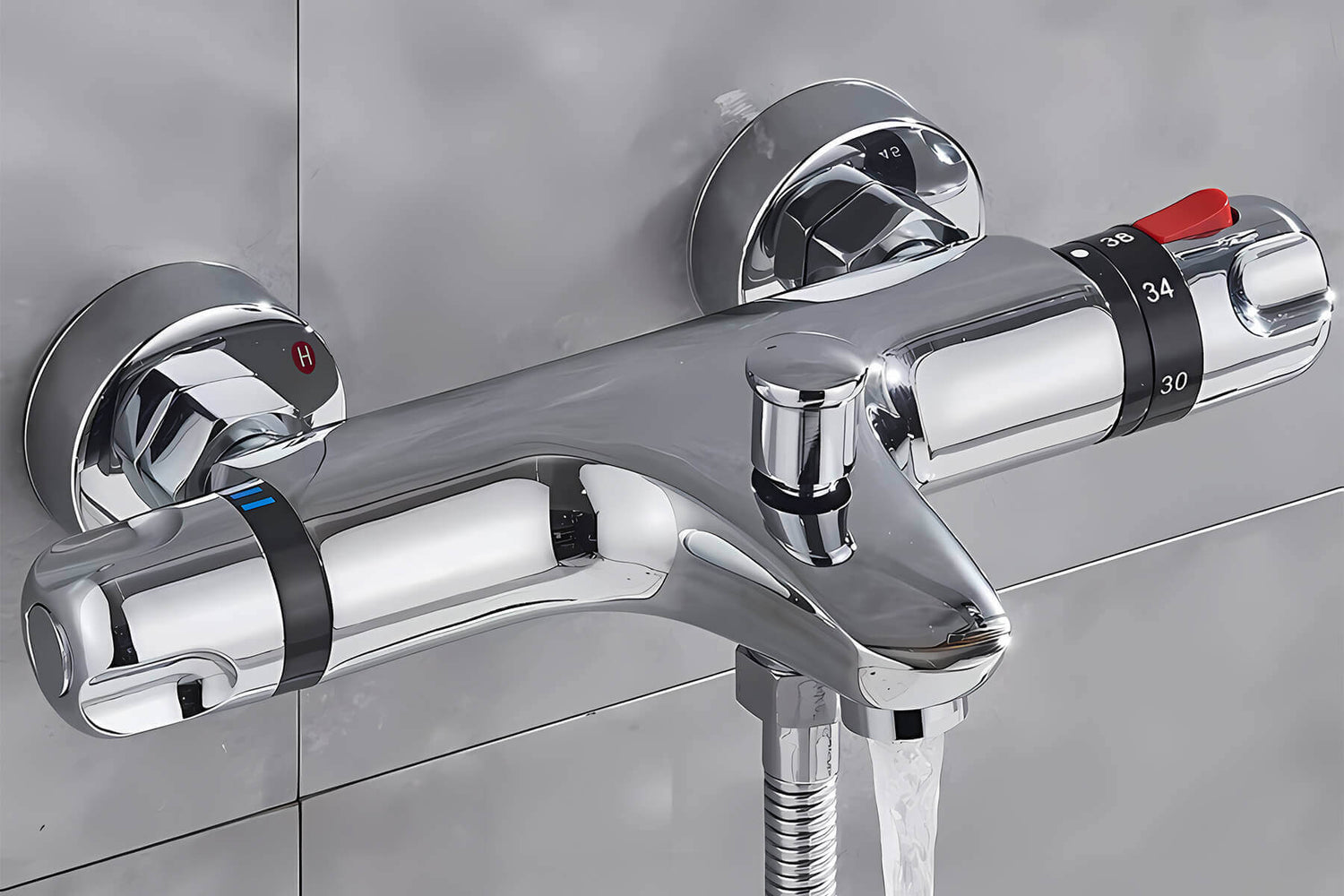
Thermostatic Faucets
Thermostatic faucets are equipped with built-in temperature regulation devices that automatically maintain a constant water temperature, preventing sudden temperature changes. These faucets are particularly useful in households with elderly people or young children, as they enhance both safety and comfort.
Expert Advice:
- Key Features: Built-in thermostatic chips that quickly adjust to temperature changes, making them ideal for homes with water heaters.
- Installation Tips: Synchronize with the water heater during installation to ensure accurate water temperature.
- Emerging Technologies: Some high-end thermostatic faucets feature digital displays that show the real-time water temperature, further enhancing the user experience.
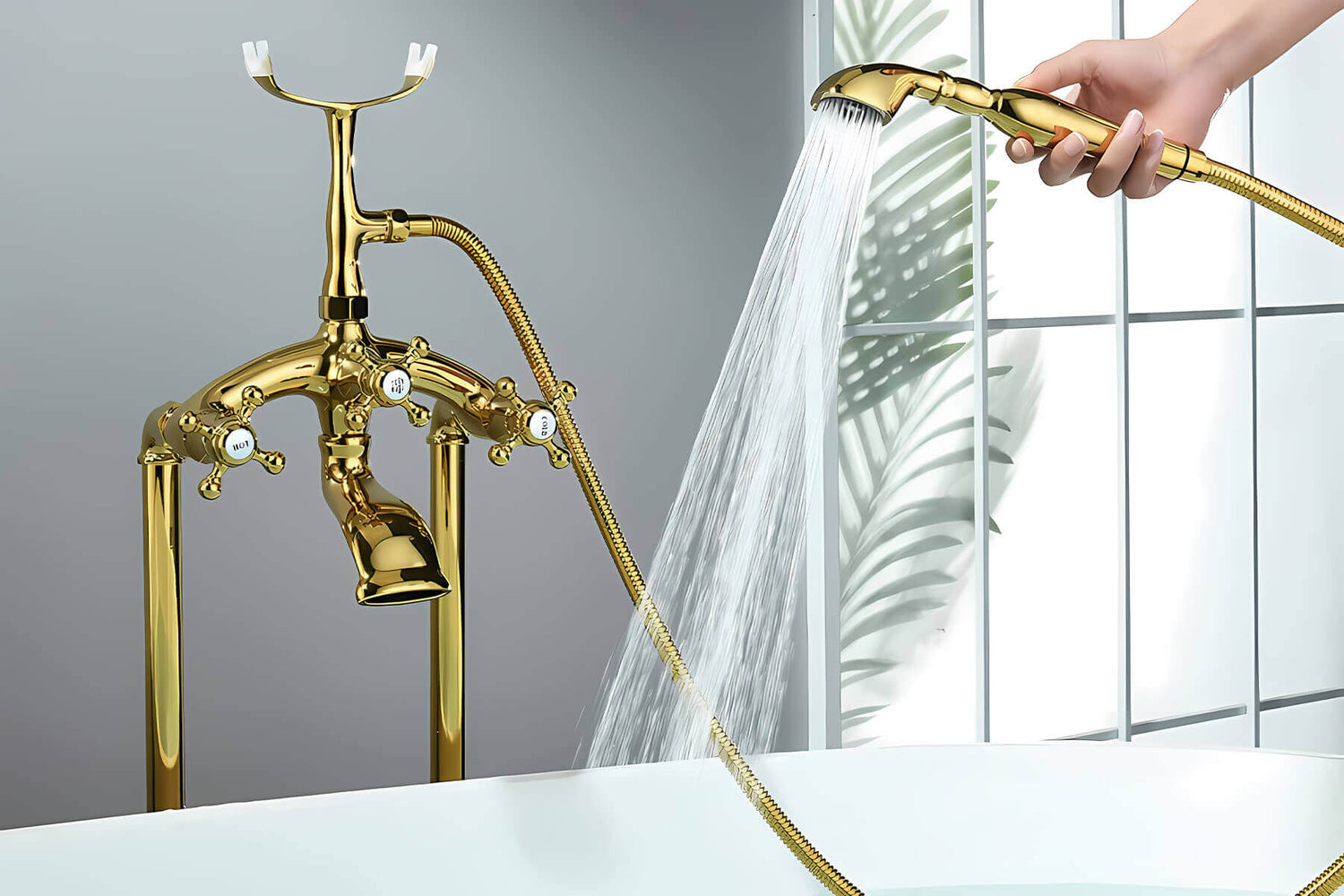
Faucets with Handheld Showers
Faucets with integrated spouts and handheld showers allow users to easily switch between two water flow modes. This design is especially suitable for households that need more flexibility during bath time, particularly for families with children or pets.
Expert Advice:
- Installation Tips: Choose a shower system with a backflow prevention device to prevent water from flowing back into the water supply pipes.
- Spray Modes: Multi-mode handheld showers (such as rainfall, massage, or mist) can enhance the bathing experience.
- Industry Standard: Most premium brands offer adjustable-height showerheads, further enhancing flexibility during use.
Ending
When choosing the right bathtub faucet, several factors need to be considered, including installation method, material, and functionality, each type of faucet has its unique advantages and ideal use cases. Whether you are ready to make a purchase or simply seek expert advice, we are here to provide professional guidance and support. Feel free to contact us for more product information or personalized purchasing recommendations.
More Ideas
-

How to Choose a Medicine Cabinet: A Complete Buying Guide
Is your bathroom vanity counter crowded with toothpaste, skincare products, and other daily essentials? Maybe your current medicine cabinet doesn’t have enough room for everything you need. A well-chosen medicine...
-

10 Modern Bathroom Design Ideas for a Spa-Like Retreat
The bathroom is one of the few spaces in the home that can be restorative. The right materials, fittings, and finishes can turn a merely functional room into a spa-inspired...
-

How Private Is a Transparent Bathtub? Factors That Affect Privacy
A transparent bathtub can be a striking addition to a bathroom, especially if you like a light, open look. But one practical question may come up before you buy: How...
-

How to Clean and Maintain a Transparent Bathtub
A transparent bathtub can add a distinctive look to a bathroom with its clear, translucent, or tinted appearance. However, many homeowners wonder whether this type of bathtub requires more maintenance...
-

Transparent Resin Bathtub Guide: How to Choose the Right One
The appeal of a transparent resin bathtub comes from the way it interacts with light and its surroundings, creating a unique look that stands out in the bathroom. However, choosing...
-

What Is a Transparent Bathtub and Is It Worth Buying?
As homeowners look for more distinctive ways to update their bathrooms, bathtubs are increasingly becoming part of the room's overall design rather than simply a functional fixture. Clear, translucent, and...


