
When planning a bathroom renovation, choosing the right bathtub is often one of the biggest decisions. Among the many options available, solid surface bathtubs have been gaining attention for their sleek look and durable design. Still, their higher price point makes many homeowners wonder: Are they really worth the investment? In this article, Giving Tree Home takes a closer look at the pros and cons of solid surface tubs—starting with resin stone models—to help you decide whether this style is the right fit for your bathroom.
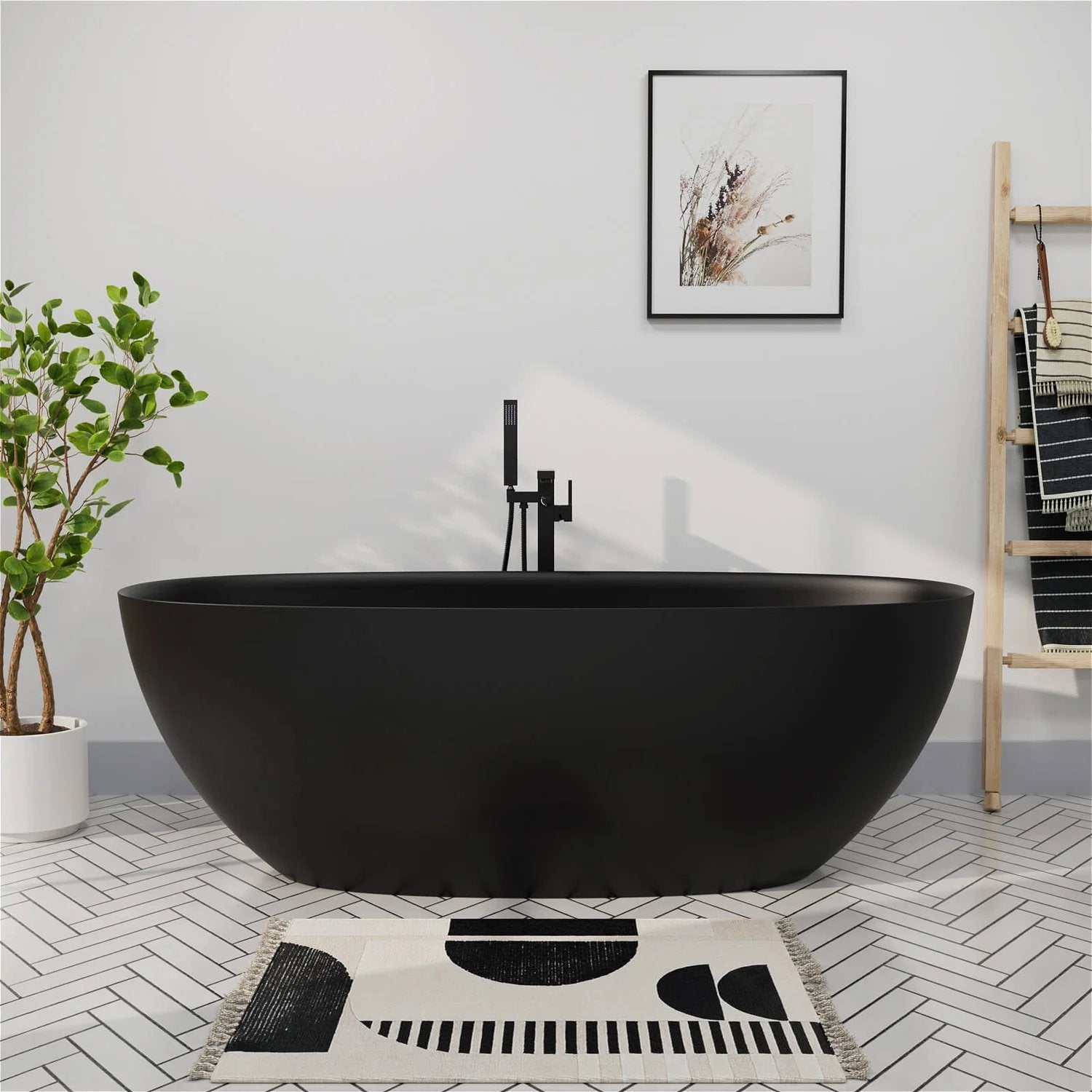
What Is a Solid Surface Bathtub?
Solid surface bathtubs generally fall into two main categories: pure acrylic solid surface tubs and composite tubs (often called stone resin bathtubs). The composite type is made from a blend of acrylic, natural stone, polymer resin, and mineral compounds, with the exact formula varying by manufacturer.
A common misconception is that pure acrylic solid surface tubs are the same as standard acrylic bathtubs. In reality, they are quite different—mainly due to how they’re made. Standard acrylic tubs are created by heating thin acrylic sheets and molding them into shape using vacuum suction or compressed air. This process leaves the tub hollow inside. By contrast, pure acrylic solid surface tubs are formed by pouring molten acrylic into a mold and letting it cool, producing a solid, heavy structure.
To break it down:
- Acrylic Bathtubs: Hollow, made from molded acrylic sheets.
- Solid Surface Bathtubs: Solid throughout, crafted from pure acrylic or acrylic-based composites.
When it comes to price, the general order is: Pure Acrylic Solid Surface > Stone Resin > Standard Acrylic.
But before we go deeper, it’s worth pausing to understand what acrylic actually is. Acrylic, also known as polymethyl methacrylate (PMMA), is a transparent thermoplastic polymer created through the polymerization of methyl methacrylate and other monomers. Thanks to its durability, resistance to weather, and strong chemical tolerance, acrylic has become a go-to material in bathtub manufacturing.
Advantages and Drawbacks of Solid Surface Bathtubs
Advantages
Easy Maintenance
The non-porous surface leaves dirt and grime with nowhere to hide, which makes stains easier to spot and much simpler to clean. Many solid surface tubs are also polished and treated for added stain resistance. As a result, they naturally resist mold and bacteria buildup, helping keep your bathroom a healthier space.
Skin-Friendly
Solid surface materials are free from formaldehyde and heavy metals, earning them certification as eco-friendly building materials. That makes these tubs especially suitable for households with children, seniors, or anyone with sensitive skin. Unlike some artificial stone products, they won’t release harmful emissions over time.
Durability
Because solid surface tubs are solid all the way through, they offer far greater impact resistance than traditional ceramic or hollow acrylic bathtubs. While they may not be quite as indestructible as copper tubs, they hold up exceptionally well in everyday use. Even better, small imperfections—like surface scratches or slight yellowing—can often be sanded and polished away at home. With proper care, a solid surface bathtub can maintain its fresh look for 10–15 years.
Environmentally Friendly
From production to everyday use, solid surface tubs score high on sustainability. Manufacturing requires less energy, and leftover material can often be recycled or reused. Even discarded pieces are biodegradable. On top of that, the tubs’ excellent heat retention helps reduce hot water energy consumption—a win for both your utility bills and the planet.
Disadvantages
Heavy Weight
It’s no surprise that solid surface bathtubs are heavier than most other types, given that they are made from dense, solid materials. Most models typically weigh around 250 lbs, though this can vary depending on size and design. To ensure stability and long-term durability, these tubs often feature reinforced bottoms, thick edges, and internal support structures. Some even include built-in fillers for enhanced soaking comfort, which adds extra weight.
Higher Cost
Solid surface tubs are generally considered a premium option, and the price reflects that. For reference, a survey of Wayfair listings shows solid surface tubs averaging around $2,500. By comparison:
- Cast Iron Tubs: $1,500–$2,000
- Acrylic Tubs: $600–$1000
- Stone Tubs: $6,000–$7,000
- Fiberglass Tubs: $400–$800
Best Selling
-
47" Compact Freestanding Stone Resin Bathtub
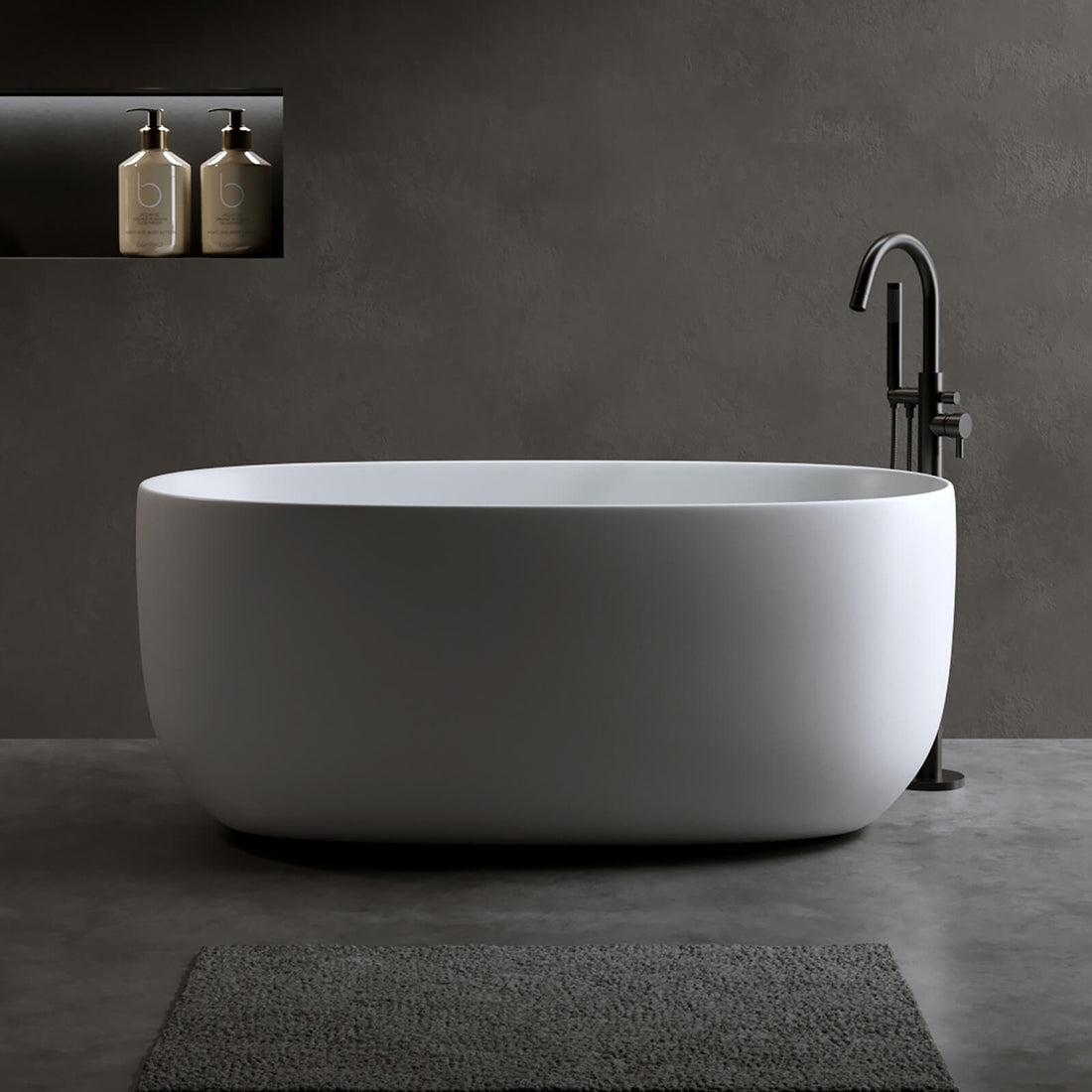
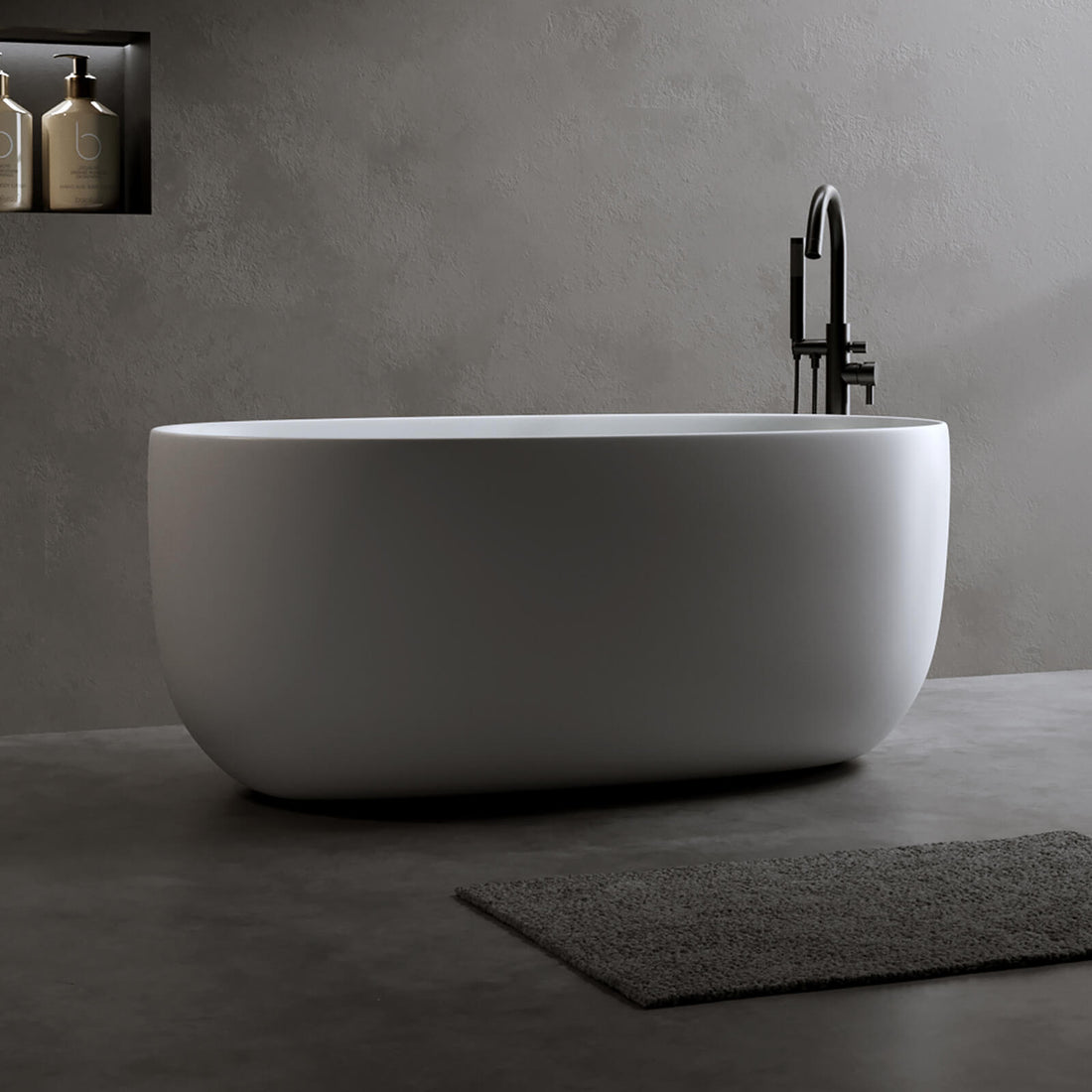 47" Compact Freestanding Stone Resin Bathtub
- Regular price
-
$1,999.99 - Regular price
-
- Sale price
-
$1,999.99
Quick view
-
Luxurious 63" Single Slipper Freestanding Soaking Tub
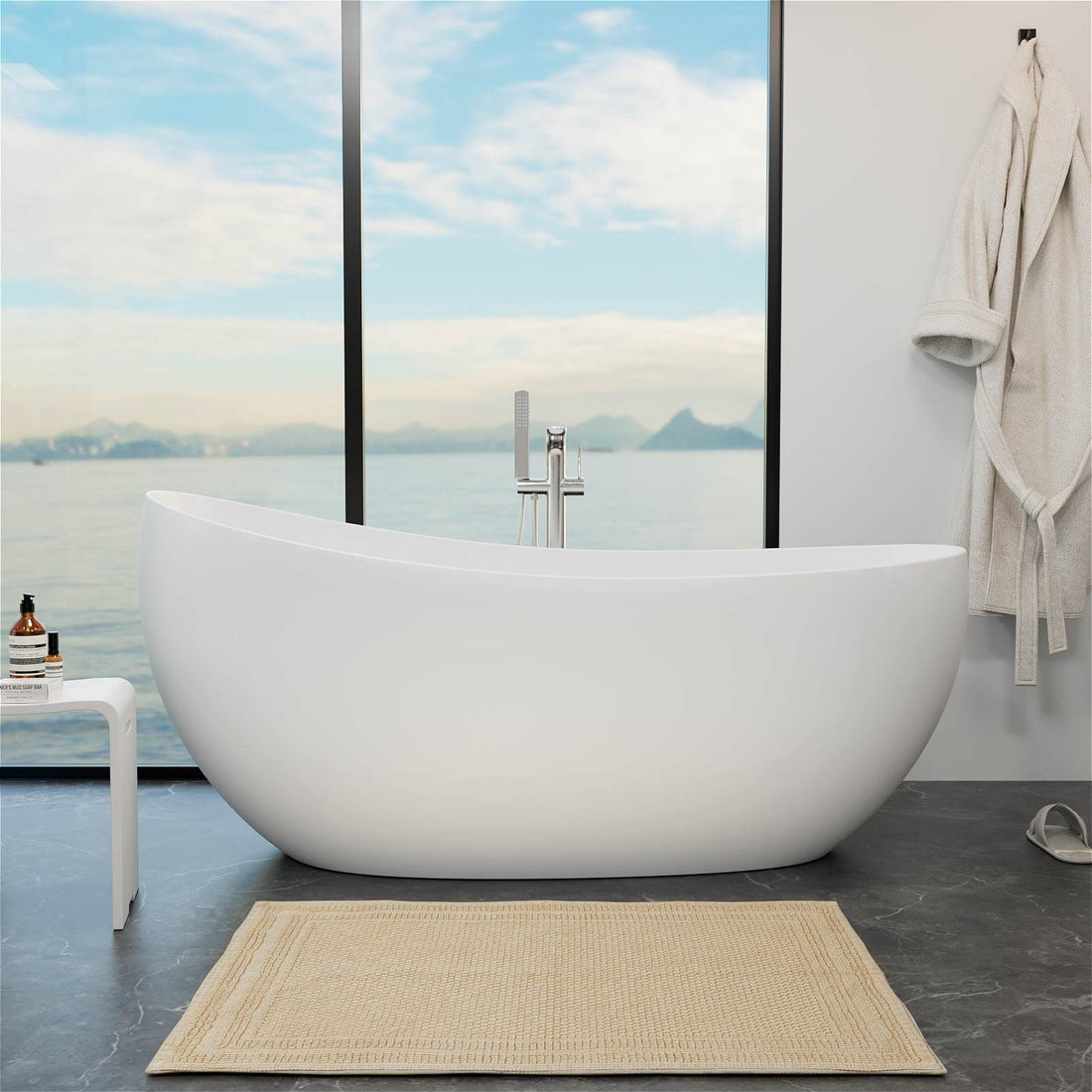
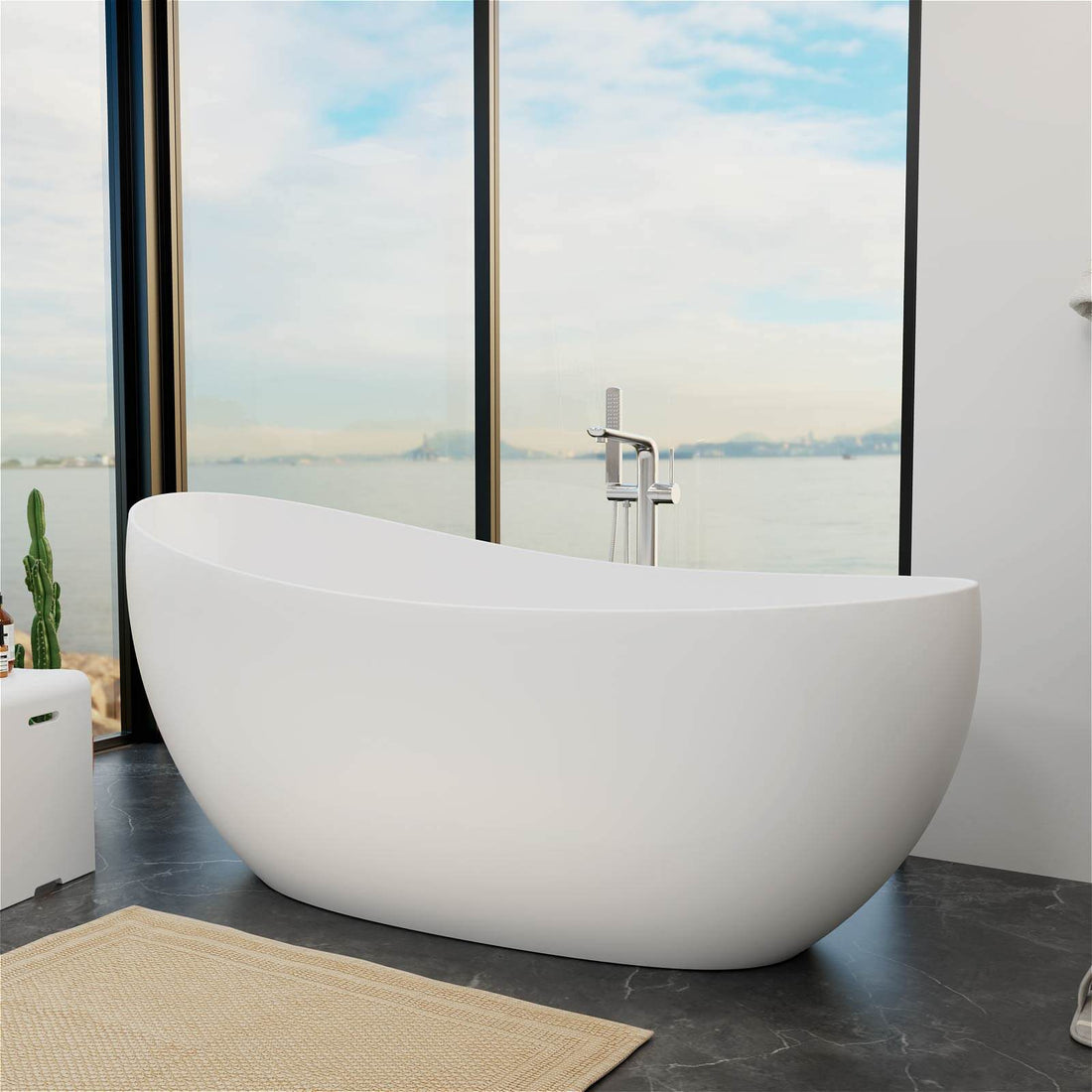 Luxurious 63" Single Slipper Freestanding Soaking Tub
- Regular price
-
$2,399.99 - Regular price
-
$2,999.99 - Sale price
-
$2,399.99
Quick view
-
65" Floral Patterned Freestanding Tub with Stone-Inspired Art Finish
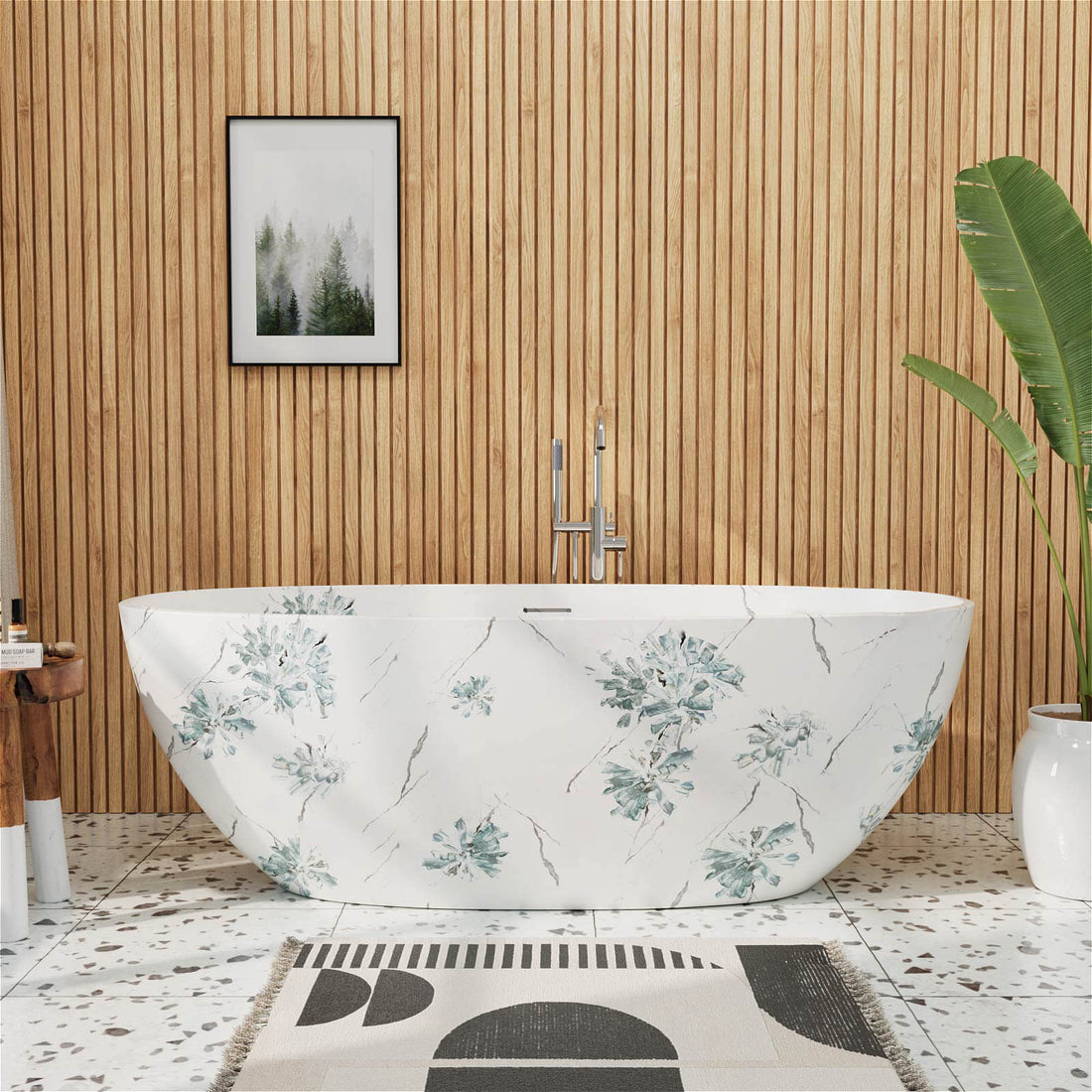
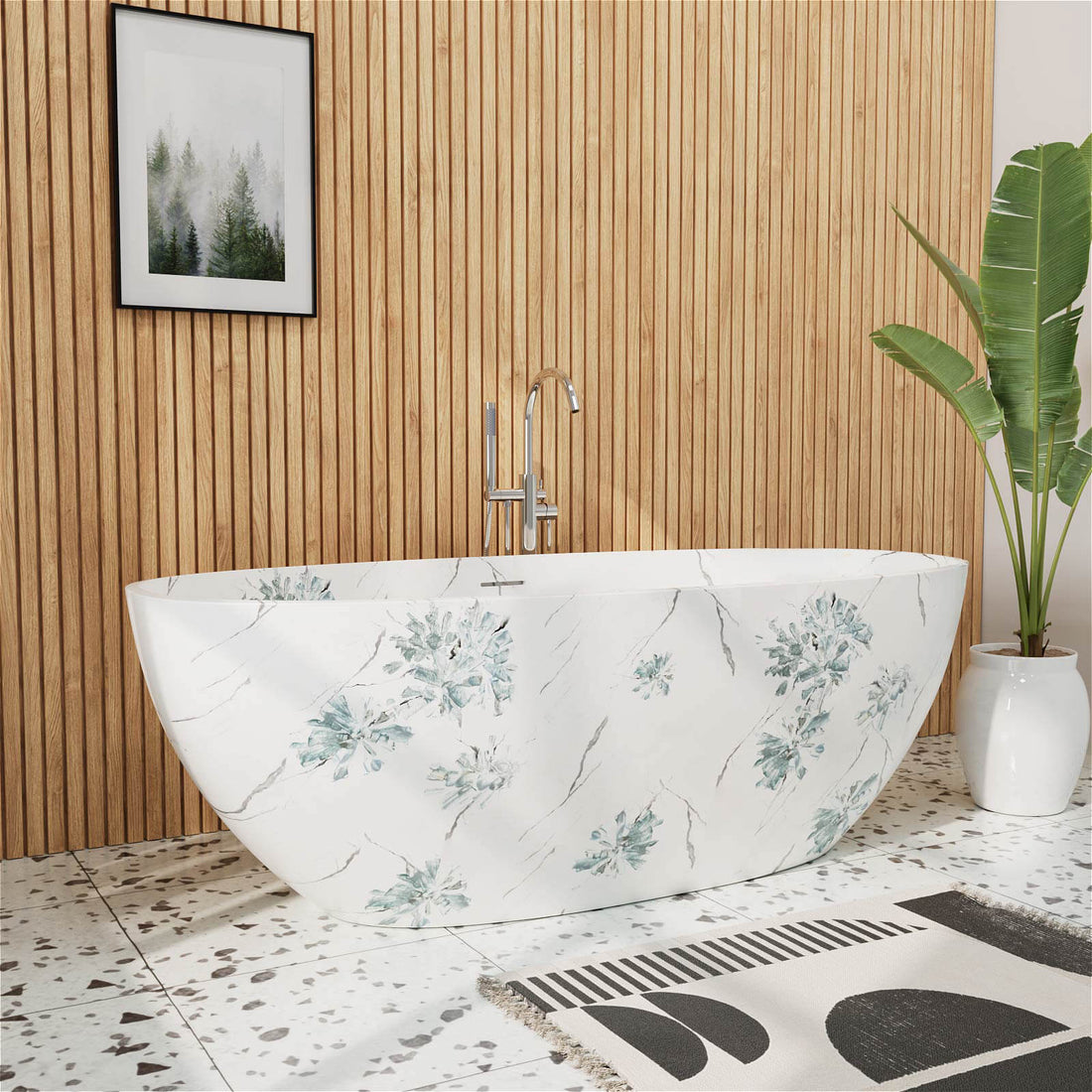 65" Floral Patterned Freestanding Tub with Stone-Inspired Art Finish
- Regular price
-
$4,799.99 - Regular price
-
- Sale price
-
$4,799.99
Quick view
-
67" Double Ended Pedestal Tub – Modern Elegance in Solid Surface
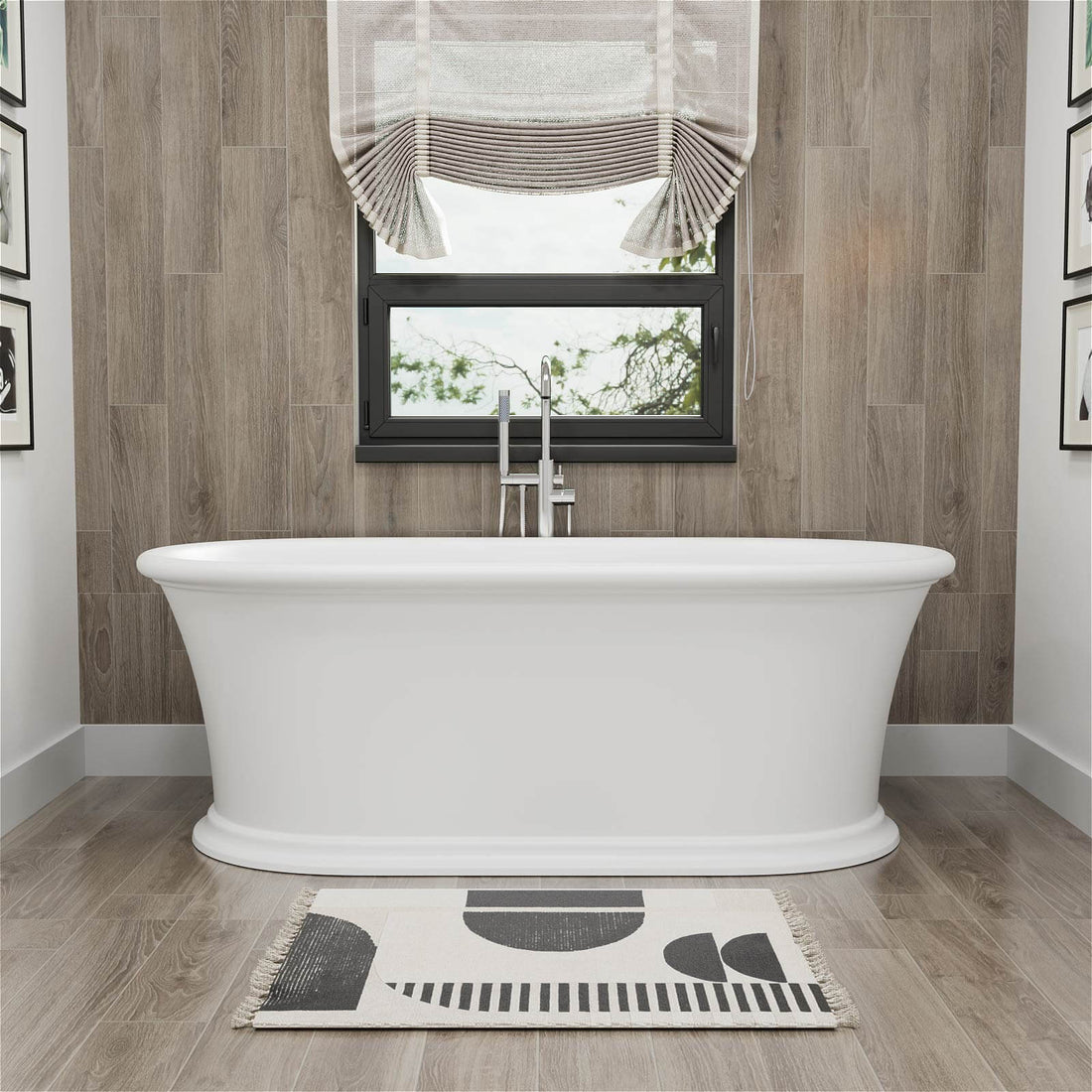
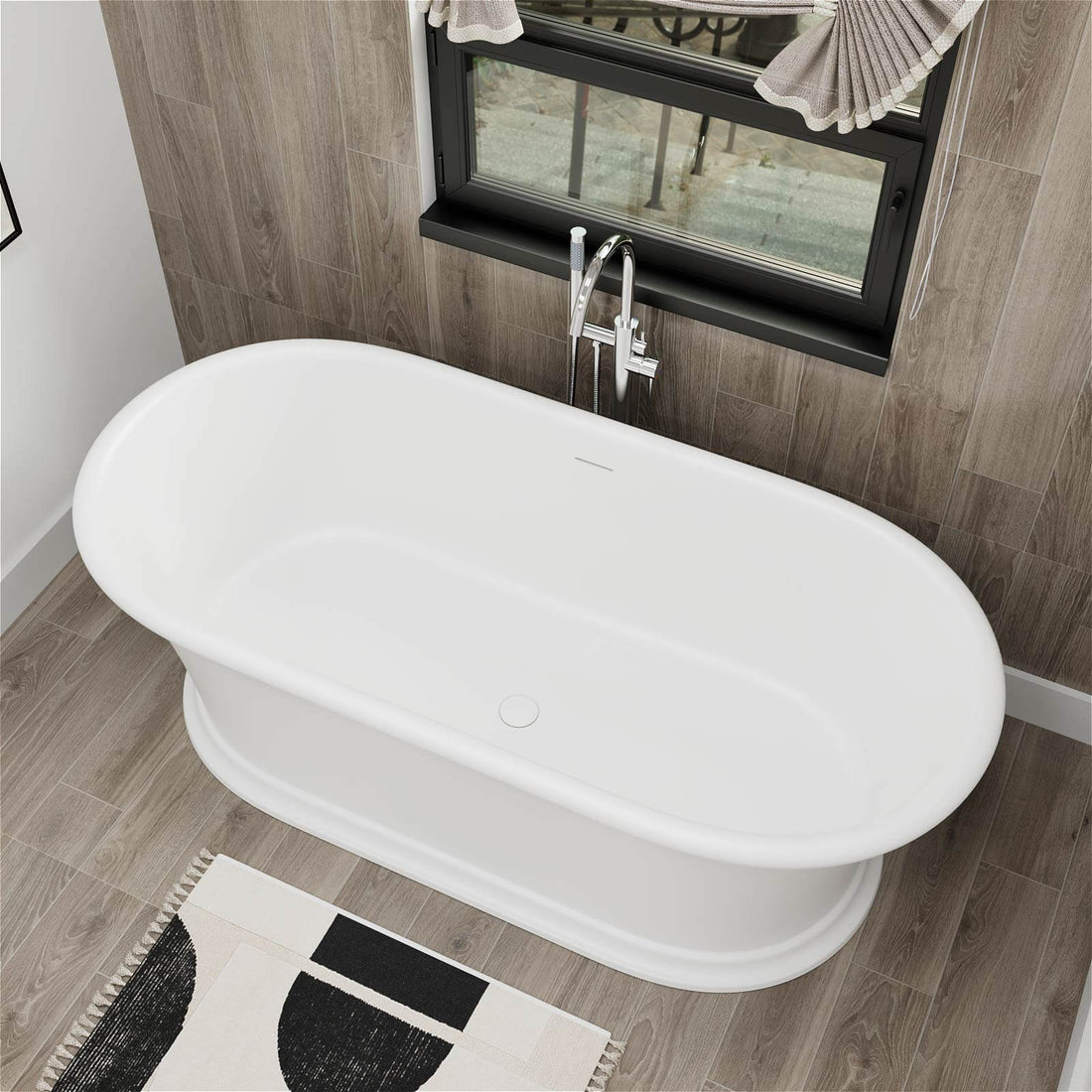 67" Double Ended Pedestal Tub – Modern Elegance in Solid Surface
- Regular price
-
$2,499.99 - Regular price
-
- Sale price
-
$2,499.99
Quick view
Ending
Solid surface bathtubs do come with a few drawbacks, like their higher price and heavier weight. However, their long-lasting durability, easy maintenance, and elegant design make them a popular choice for many homeowners.
If you’re thinking about upgrading your bathroom with a solid surface tub, Giving Tree Home offers a carefully curated selection to suit a wide range of tastes—from sleek, contemporary lines to classic, timeless designs.
More Ideas
-

Freestanding vs Built-In Whirlpool Tub: Which Is Better?
A whirlpool tub can turn an ordinary bath into a therapeutic experience. But once you decide to invest in a jetted tub, you face another choice. Should you go with...
-

Best Whirlpool Tub for Two Persons: What to Look For
A whirlpool tub for 2 persons can transform your bathroom into a shared relaxation space. Whether you want to soak with your partner after a long day or simply enjoy...
-

Whirlpool Tub vs Air Tub: Which One Is Better?
If you have been shopping for a jetted bathtub, you have likely encountered two main options: whirlpool tubs and air tubs. Both promise a relaxing bathing experience, but they work...
-

Where to Put a Full Length Mirror in Bedroom: Best Ideas & Tips
A full length mirror is more than just a decor piece — it’s a staple that elevates your entire bedroom vibe. Whether you’re getting dressed in the morning or prepping...
-

How to Choose the Right Whirlpool Tub for Your Home
A whirlpool tub can transform your daily bathing routine into something far more relaxing. Unlike a standard soaking tub, a whirlpool bathtub uses strategically placed jets to circulate water, creating...
-

How to Choose a Full Length Mirror for Small Bedroom
In a small bedroom, adding a full length mirror often feels like a dilemma. On one hand, it’s an essential piece for daily use—whether you’re getting dressed or checking your...


